Manuka honey new zealand
1344×768 · AVIF · CC BY 4.0
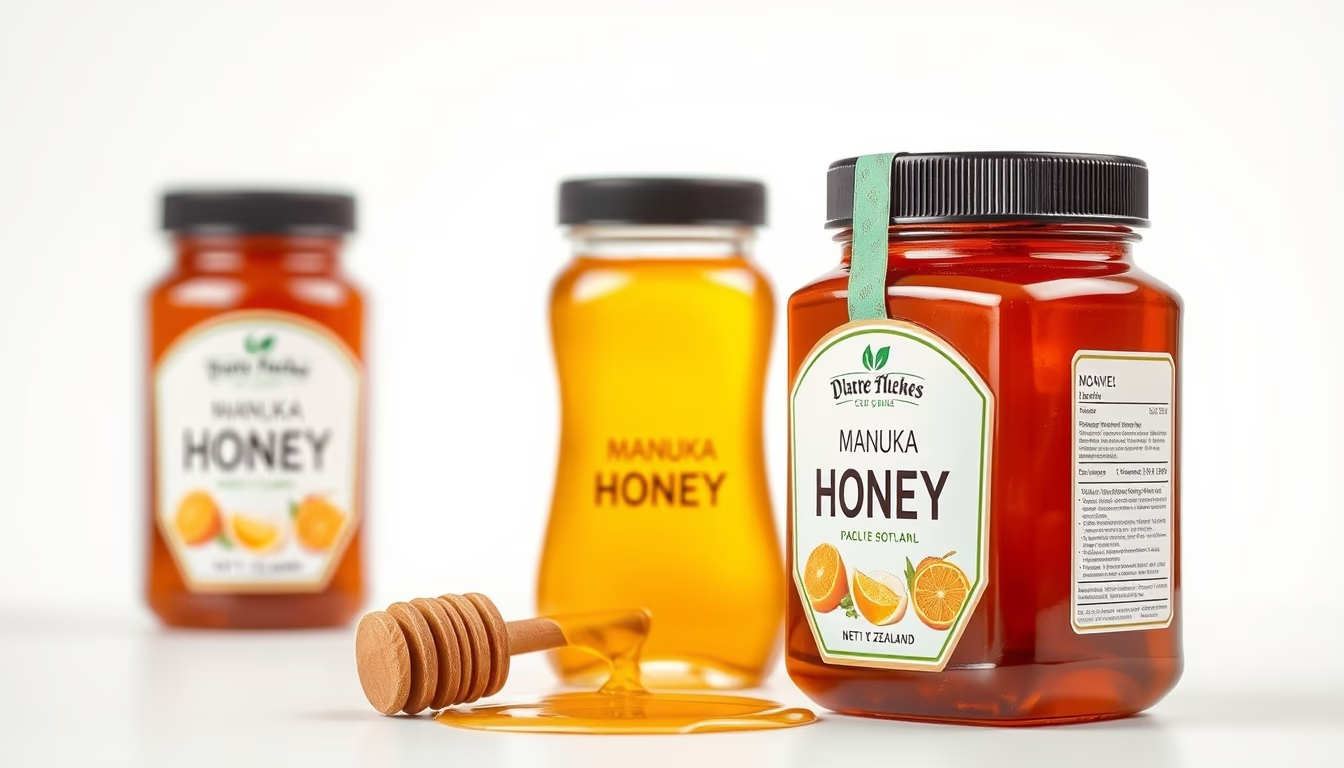
Manuka honey from New Zealand: learn about its medicinal properties, regulation, and how to identify authenticity of this premium product.
About this subject
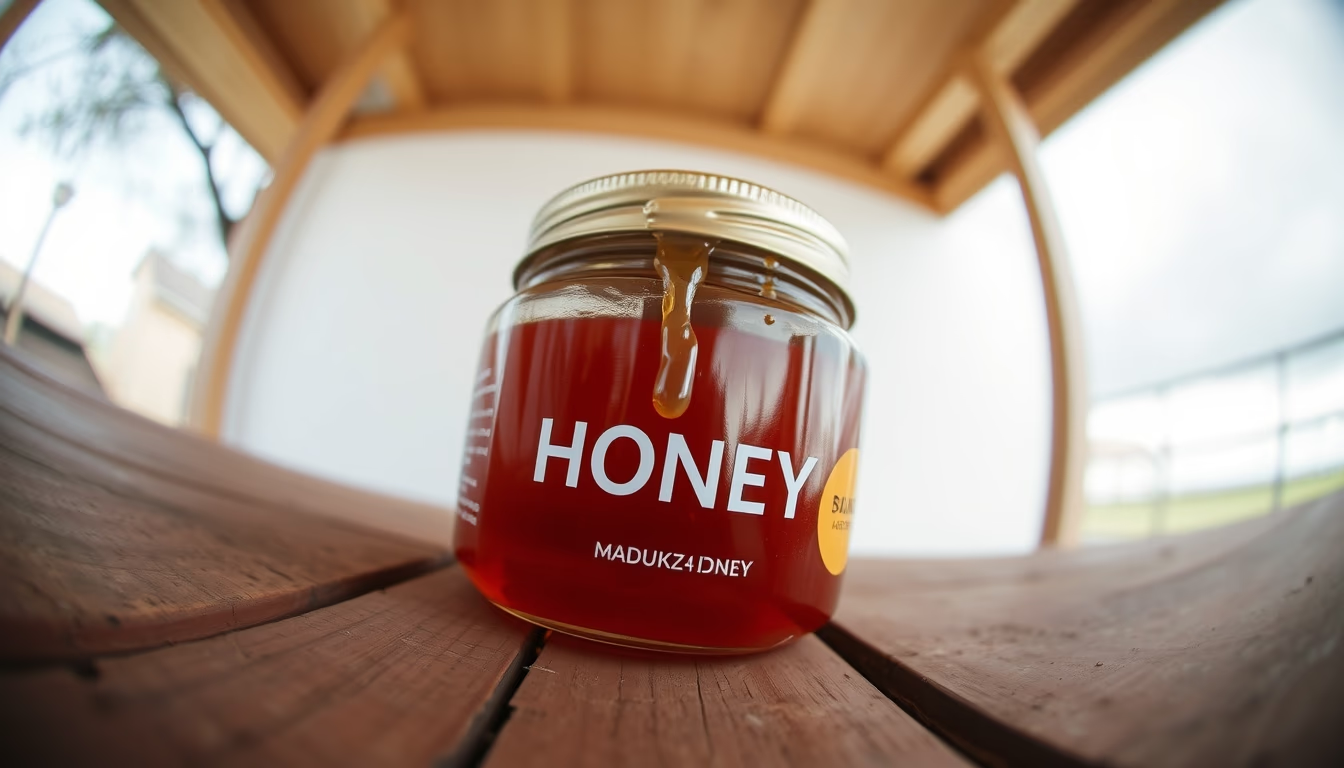
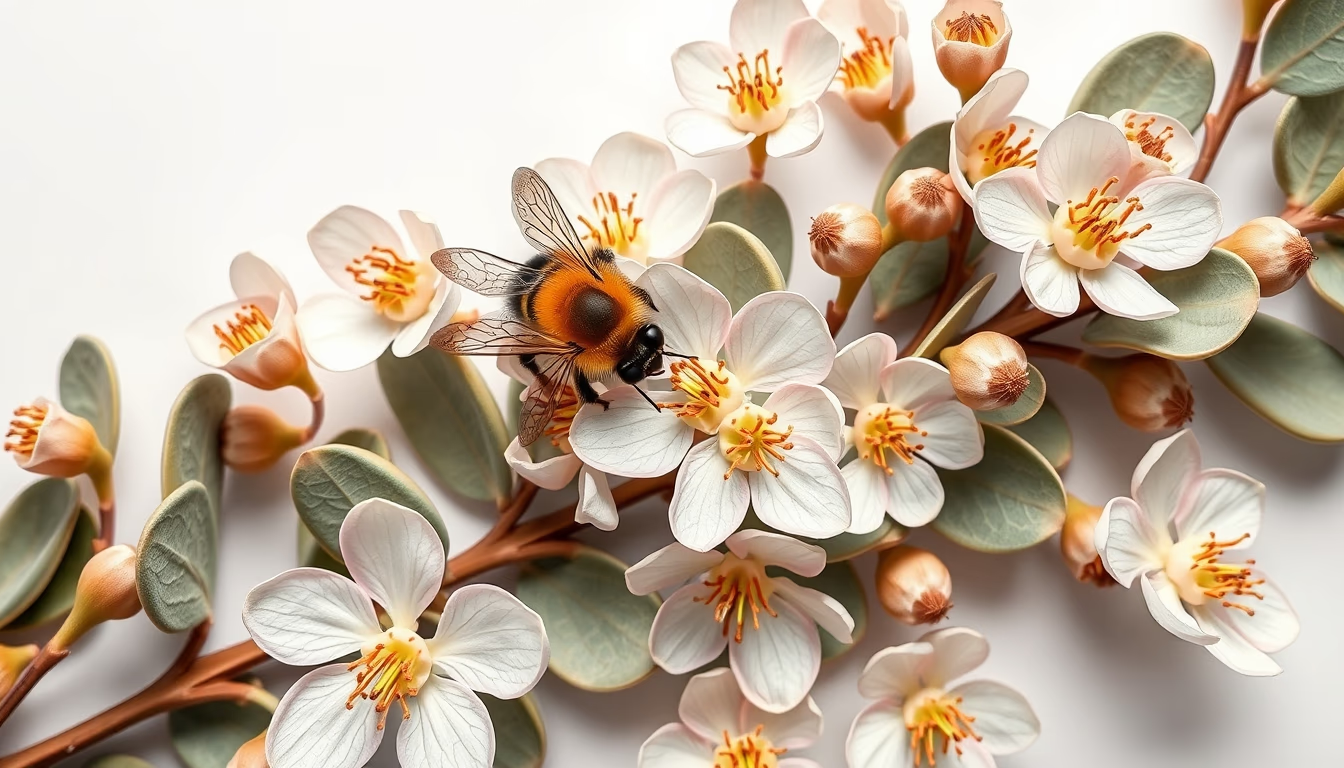
Manuka honey is produced from the nectar of the Manuka tree (Leptospermum scoparium), native to New Zealand. It gained worldwide recognition due to its high concentration of methylglyoxal (MGO), a compound with powerful antibacterial activity that sets it apart from other honeys. Scientific studies have confirmed its effectiveness against drug-resistant bacteria, making it useful in medical dressings and chronic wound treatments.
New Zealand regulation implements the UMF (Unique Manuka Factor) grading system, which certifies a minimum MGO content along with other chemical markers like leptosperin and DHA. Only honey with UMF 10+ or higher can be labeled as genuine Manuka. Geographical origin is strictly controlled: 100% of the honey must come from hives in New Zealand, with full traceability.
Culturally, Manuka honey is rooted in Māori traditional knowledge, who have used the plant for medicinal purposes for centuries. Today, it is a high-value product, often costing hundreds of dollars per kilogram. High demand has led to widespread counterfeiting: it is estimated that half of honey labeled as Manuka in the global market fails to meet standards. Therefore, checking certification seals on the label is essential.
For consumption, a daily dose of one spoonful (10g) is recommended to boost the immune system, or topical application for minor wounds. The flavor is intense, herbaceous, and slightly bitter, distinct from regular honey. In cooking, it pairs well with cheeses, teas, and desserts, but heating above 40°C may degrade its beneficial properties.
Frequently Asked Questions
What sets Manuka honey apart from other honeys?
Manuka honey contains high levels of methylglyoxal (MGO), a compound with strong antibacterial properties. It also has UMF certification guaranteeing purity and New Zealand origin.
How can I tell if Manuka honey is authentic?
Check for the UMF seal on the label, which indicates the Unique Manuka Factor. Look for a UMF rating and MGO content. Prefer brands with traceability and official certification marks.
What is the best way to consume Manuka honey?
Take one spoonful (10g) daily on its own or in warm (not hot) tea. For topical use, apply directly to clean wounds. Avoid heating above 40°C to preserve beneficial properties.
Direct URL
https://pub-c7d6a6ea828543ac903a74a341ccb2e1.r2.dev/imagens/manuka-honey-new-zealand-commercial-product-photography-fresh9.avifHow to credit
Include a visible link back to UtilizAí. Copy one of the snippets below:
<a href="https://xn--utiliza-eza.com/en/midia/imagens/manuka-honey-new-zealand-commercial-product-photography-fresh9">Manuka honey new zealand</a> by <a href="https://xn--utiliza-eza.com">UtilizAí</a>, licensed under <a href="https://creativecommons.org/licenses/by/4.0/">CC BY 4.0</a>.
[Manuka honey new zealand](https://xn--utiliza-eza.com/en/midia/imagens/manuka-honey-new-zealand-commercial-product-photography-fresh9) by [UtilizAí](https://xn--utiliza-eza.com), CC BY 4.0
License: CC-BY-4.0