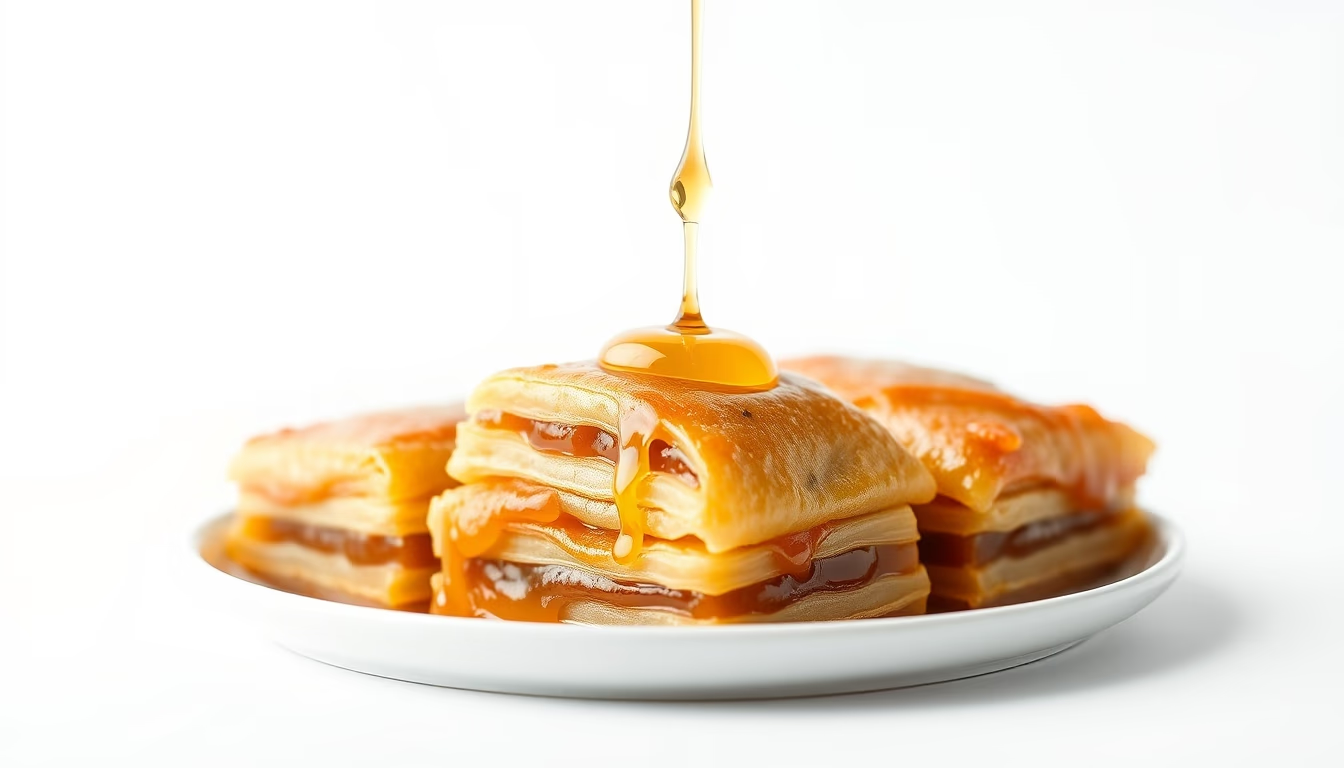
Manuka honey new zealand
1344×768 · AVIF · CC BY 4.0
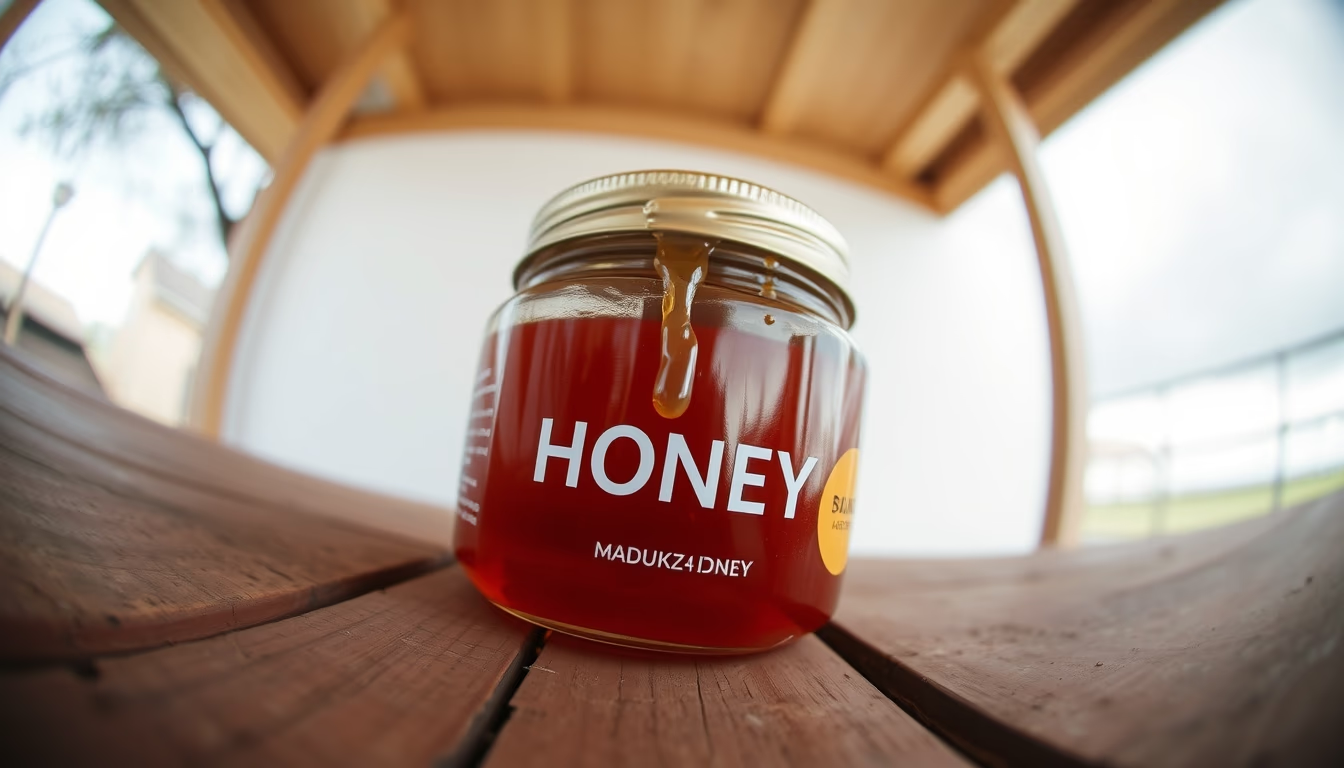
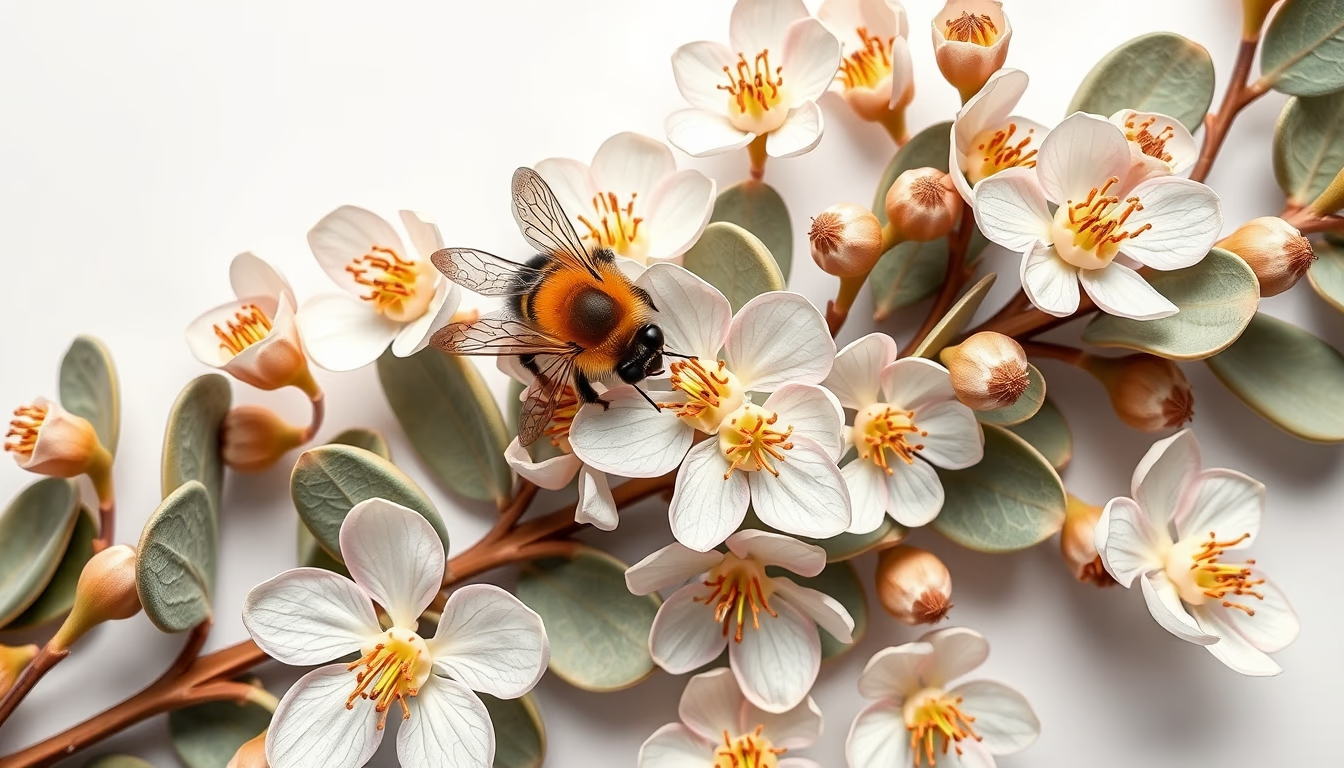
Manuka honey from New Zealand is a premium product renowned for its unique antibacterial properties, produced from the nectar of the Leptospermum scoparium plant.
About this subject
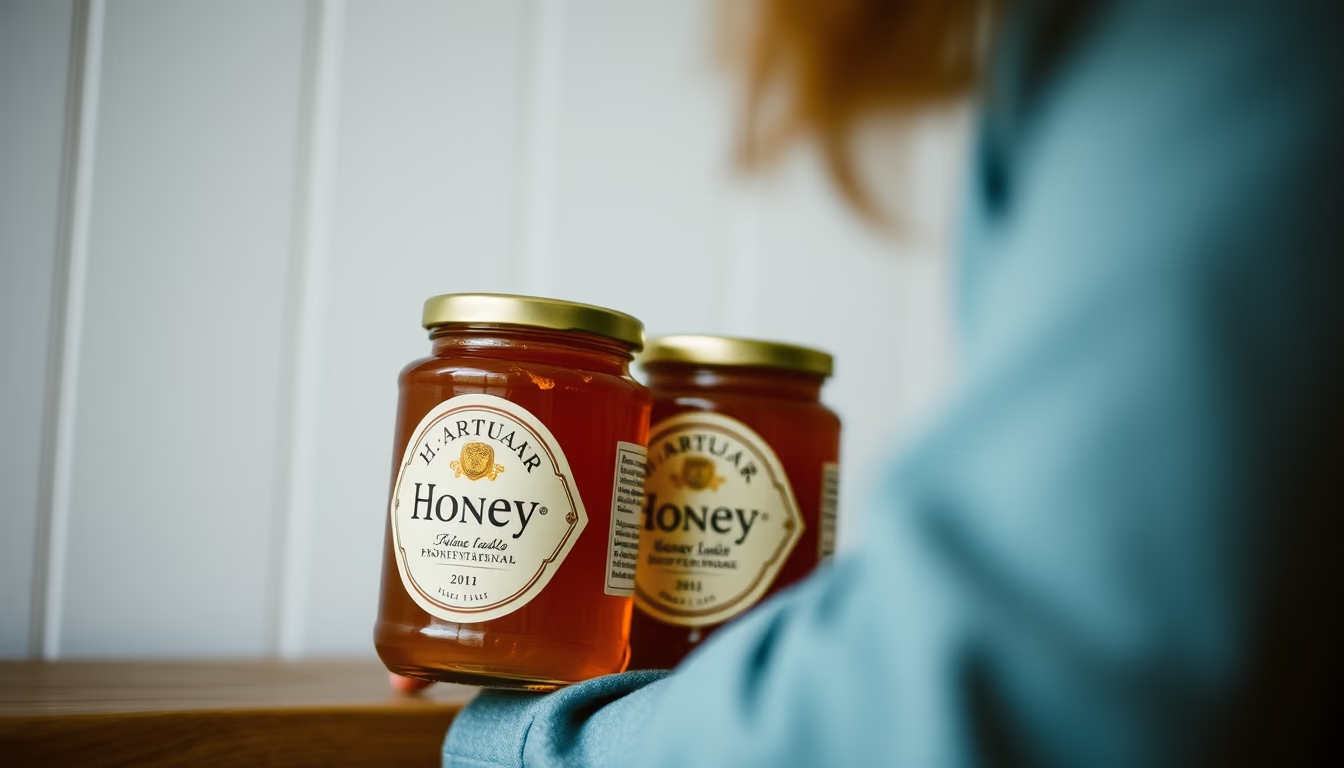
Manuka honey is a specialty honey produced in New Zealand and parts of Australia from the nectar of the Manuka tree (Leptospermum scoparium). Unlike conventional honey, Manuka honey contains high levels of methylglyoxal (MGO), a compound derived from dihydroxyacetone (DHA) in the nectar, which gives it powerful antibacterial and antimicrobial properties. The potency is graded using the Unique Manuka Factor (UMF) rating system, with higher UMF numbers indicating stronger antibacterial activity. Certification ensures authenticity and purity, as the market is prone to counterfeit products.
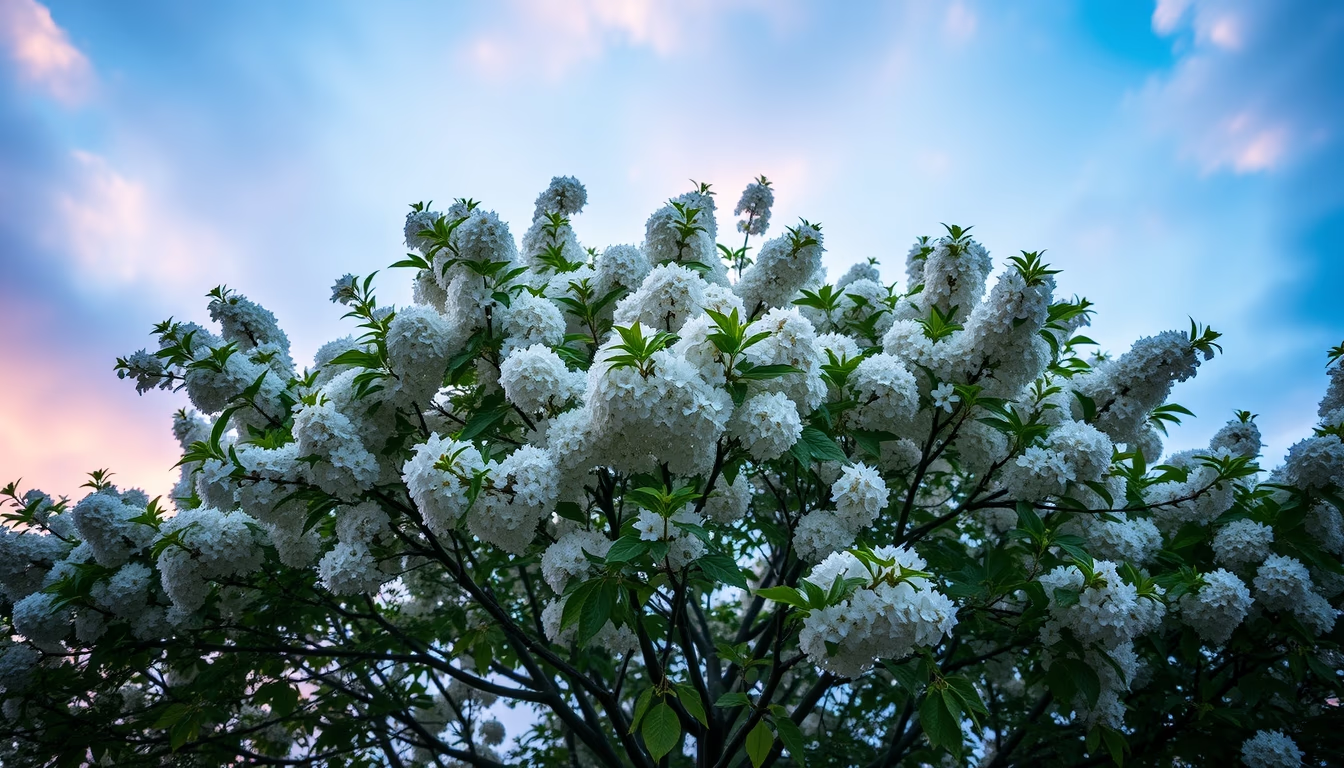
The Manuka tree blooms for only a few weeks each year, typically from November to January in the Southern Hemisphere. Beekeepers strategically place hives in native forests or dedicated plantations to optimize nectar collection. New Zealand's temperate climate and volcanic soils contribute to the unique chemical profile of the honey. Production volumes are low compared to other honeys, making authentic high-grade Manuka honey expensive, sometimes hundreds of dollars per kilogram. The limited supply and global demand have led to a robust export industry, with New Zealand being the primary source.
Traditionally used by the Māori for wound healing and infections, Manuka honey is now recognized in modern medicine for its effectiveness against antibiotic-resistant bacteria like Staphylococcus aureus. It is used in medical-grade wound dressings, skincare products, and as a dietary supplement. Its earthy, slightly bitter flavor also makes it popular in gourmet cooking, drizzled over cheese or added to teas. The New Zealand Manuka Honey Appellation Society has established strict standards to protect the term 'Manuka honey,' requiring evidence of origin and chemical markers.
Interestingly, researchers have identified specific biomarkers such as leptosperin that help authenticate Manuka honey and distinguish it from other types. Aerial drone shots of beehives surrounded by flowering Manuka groves are often used to illustrate the scale of beekeeping operations in New Zealand. These images highlight the intersection of agriculture with pristine natural landscapes. The honey industry also supports conservation efforts, as Manuka trees help restore eroded land and provide habitat for native birds and insects.
Frequently Asked Questions
What does UMF mean in Manuka honey?
UMF (Unique Manuka Factor) is a grading system that measures the antibacterial potency of Manuka honey. A higher UMF number indicates stronger antibacterial activity. UMF 10+ is considered therapeutic, while UMF 15+ or 20+ are highly potent.
Can Manuka honey be adulterated?
Yes, due to its high value, Manuka honey is sometimes adulterated. To ensure authenticity, buy from certified brands that display a UMF or MGO rating, which guarantees the product has passed laboratory tests for purity and potency.
How do I use Manuka honey for medicinal purposes?
For topical use, apply directly to clean wounds or minor burns, then cover with a bandage. For internal use, take one teaspoon daily to boost immunity. Consult a healthcare professional for specific guidance.
Direct URL
https://pub-c7d6a6ea828543ac903a74a341ccb2e1.r2.dev/imagens/manuka-honey-new-zealand-aerial-drone-shot-fresh4.avifHow to credit
Include a visible link back to UtilizAí. Copy one of the snippets below:
<a href="https://xn--utiliza-eza.com/en/midia/imagens/manuka-honey-new-zealand-aerial-drone-shot-fresh4">Manuka honey new zealand</a> by <a href="https://xn--utiliza-eza.com">UtilizAí</a>, licensed under <a href="https://creativecommons.org/licenses/by/4.0/">CC BY 4.0</a>.
[Manuka honey new zealand](https://xn--utiliza-eza.com/en/midia/imagens/manuka-honey-new-zealand-aerial-drone-shot-fresh4) by [UtilizAí](https://xn--utiliza-eza.com), CC BY 4.0
License: CC-BY-4.0