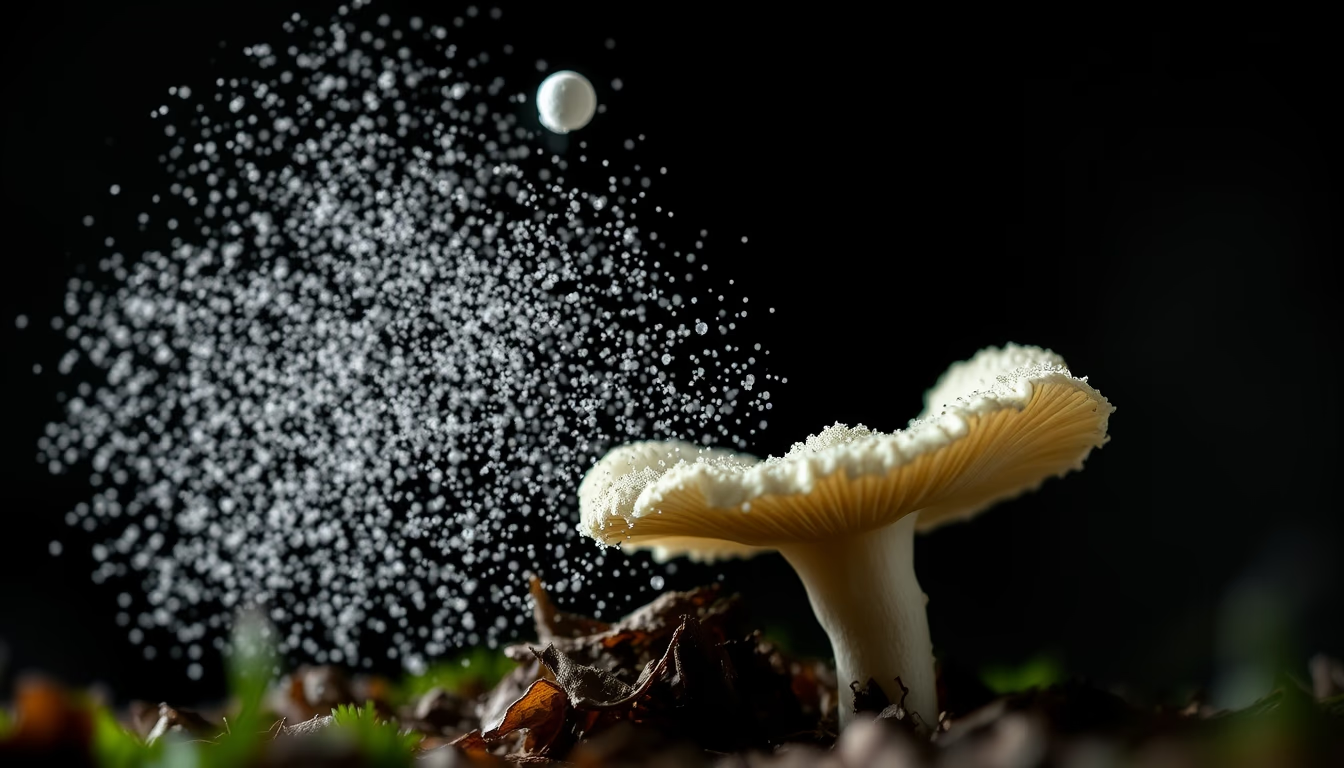
Lion mane mushroom
1344×768 · AVIF · CC BY 4.0
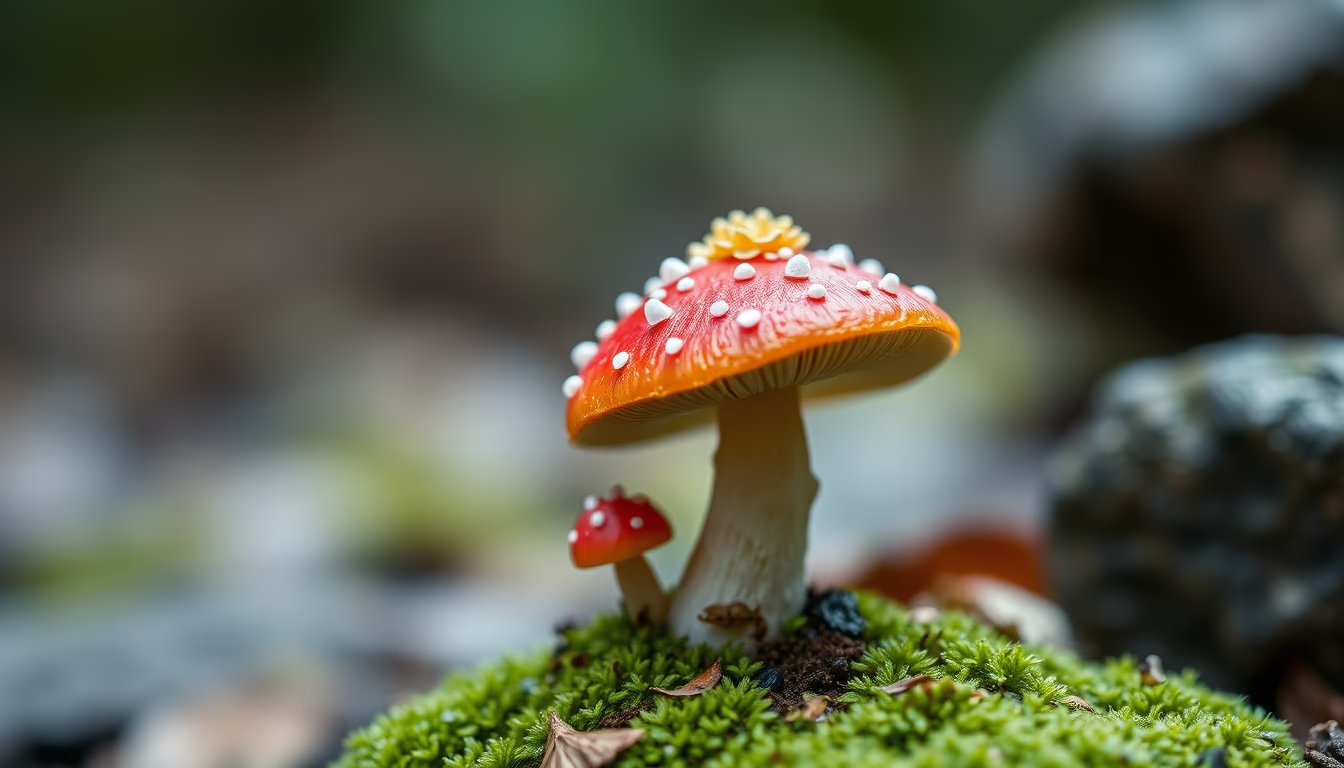
The lion's mane mushroom (Hericium erinaceus) is an edible and medicinal fungus, recognized for its mane-like appearance and neurological benefits.
About this subject
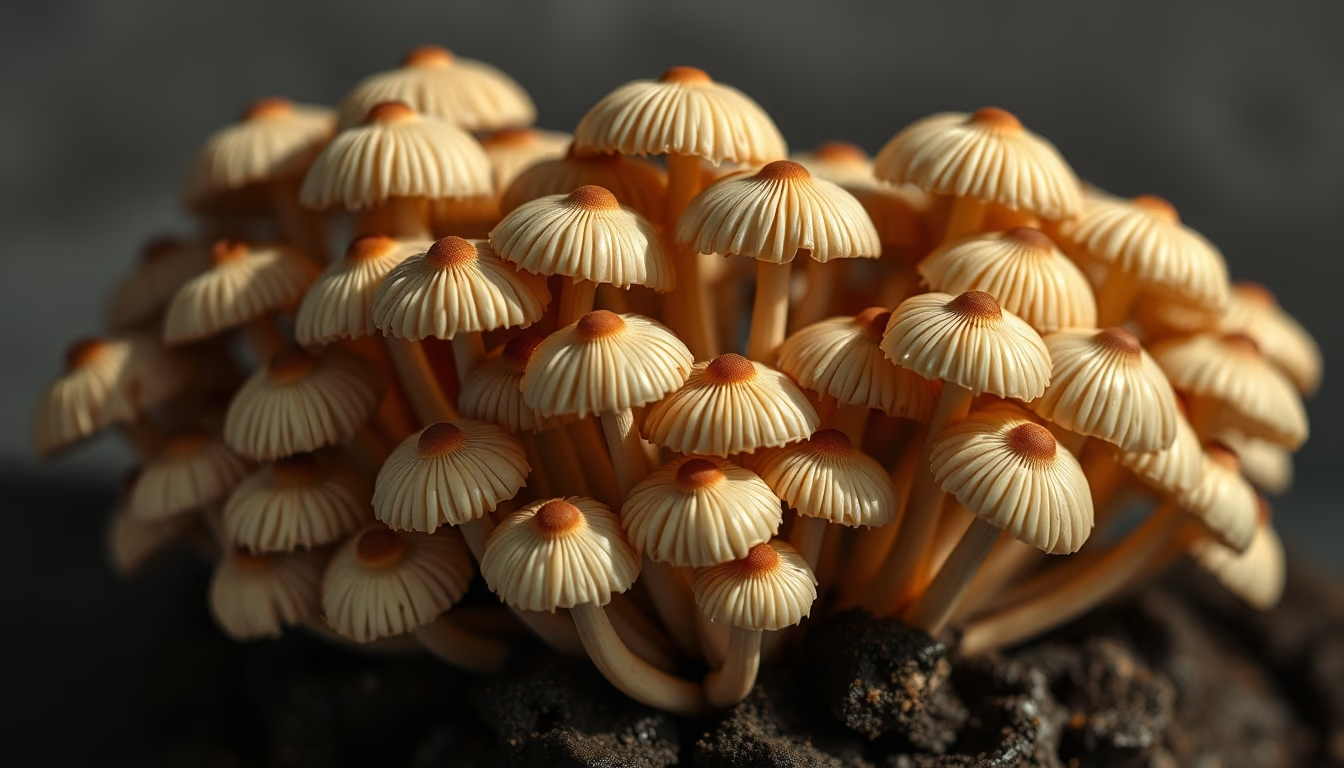
The lion's mane mushroom, scientifically named Hericium erinaceus, is a saprophytic fungus that grows on dead or dying hardwood trees, especially oaks and beeches. Native to North America, Europe, and Asia, its distinctive appearance resembles a lion's mane, with long, white pendulous spines that become yellowish with age. In cooking, it has a texture similar to crab or lobster when cooked, making it a popular seafood substitute in vegetarian dishes. Its flavor is mild and slightly sweet, absorbing seasonings well.
In traditional Chinese medicine, lion's mane has been used for centuries to strengthen the spleen, nourish the stomach, and improve digestion. Modern studies indicate that its bioactive compounds, such as hericenones and erinacines, stimulate nerve growth factor (NGF) production, potentially aiding in neuronal regeneration and treating neurodegenerative diseases like Alzheimer's and Parkinson's. Ongoing research also explores its effects on reducing anxiety, depression, and enhancing cognitive function.
Cultivation of lion's mane has become popular among home growers and commercial producers due to its increasing demand in the functional mushroom market. It can be grown on substrates like sawdust, straw, or grains, requiring high humidity and moderate temperatures. Besides fresh consumption, it is available as powder, capsules, and extracts, sold as a dietary supplement in health food stores.
Interestingly, lion's mane is also known as "hedgehog mushroom," "pom-pom mushroom," or "monkey head mushroom," regional references to its unique appearance. Its ability to form exuberant hanging clusters on dead wood contributes to nutrient recycling in forests, making it an important wood decomposer.
Frequently Asked Questions
What are the health benefits of lion's mane mushroom?
Lion's mane is known to stimulate nerve growth factor (NGF) production, which may help in neuronal regeneration and prevention of neurodegenerative diseases like Alzheimer's and Parkinson's. It also has anti-inflammatory, antioxidant properties and may improve digestion and immune function.
How do you consume lion's mane mushroom?
It can be eaten fresh, sautéed, grilled, or in soups, as its texture resembles seafood. It is also available dried, in powder for teas or supplements, and in capsules or concentrated extracts.
Is lion's mane mushroom safe?
Yes, it is considered safe for most people when consumed in food amounts. However, pregnant or breastfeeding women and those with mushroom allergies should consult a doctor before using supplements. It may interact with anticoagulants and diabetes medications.
Direct URL
https://pub-c7d6a6ea828543ac903a74a341ccb2e1.r2.dev/imagens/lion-mane-mushroom-tilt-shift-miniature-p7.avifHow to credit
Include a visible link back to UtilizAí. Copy one of the snippets below:
<a href="https://xn--utiliza-eza.com/en/midia/imagens/lion-mane-mushroom-tilt-shift-miniature-p7">Lion mane mushroom</a> by <a href="https://xn--utiliza-eza.com">UtilizAí</a>, licensed under <a href="https://creativecommons.org/licenses/by/4.0/">CC BY 4.0</a>.
[Lion mane mushroom](https://xn--utiliza-eza.com/en/midia/imagens/lion-mane-mushroom-tilt-shift-miniature-p7) by [UtilizAí](https://xn--utiliza-eza.com), CC BY 4.0
License: CC-BY-4.0