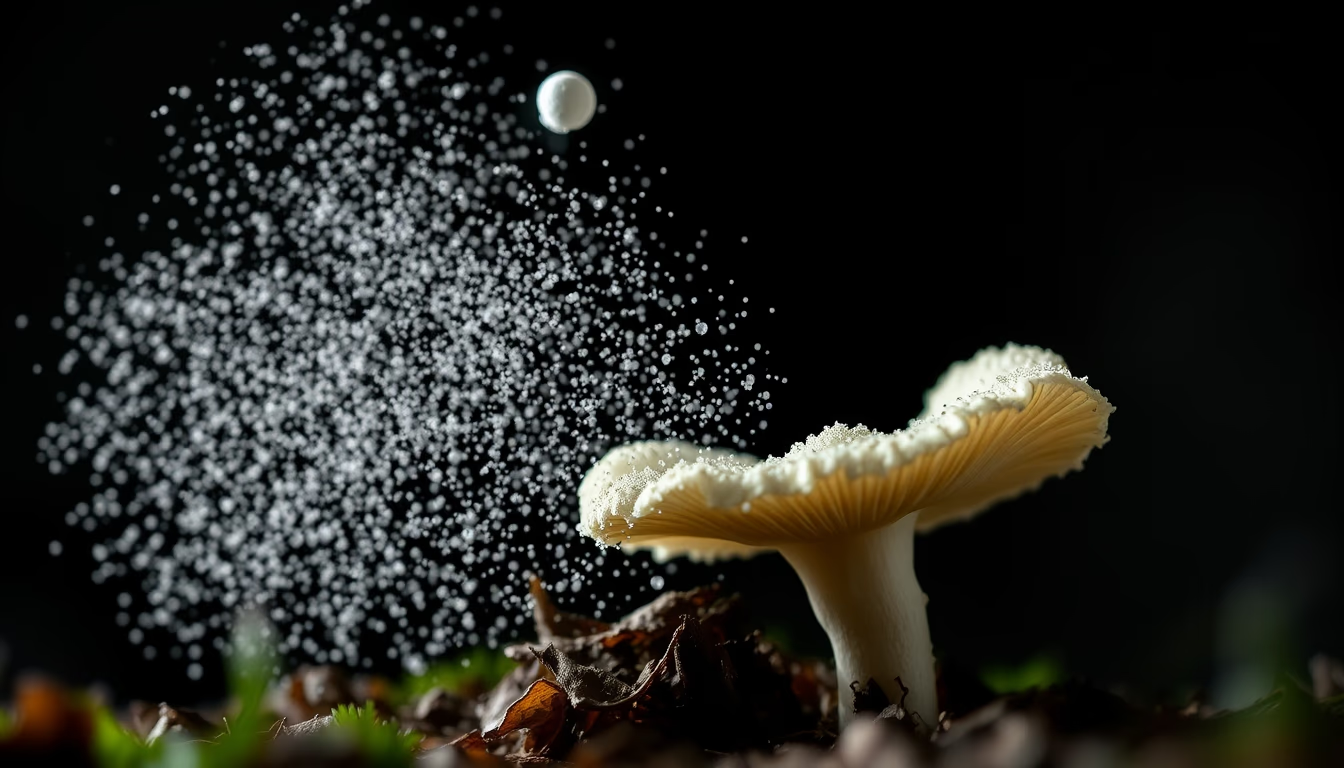
Lion mane mushroom
1344×768 · AVIF · CC BY 4.0
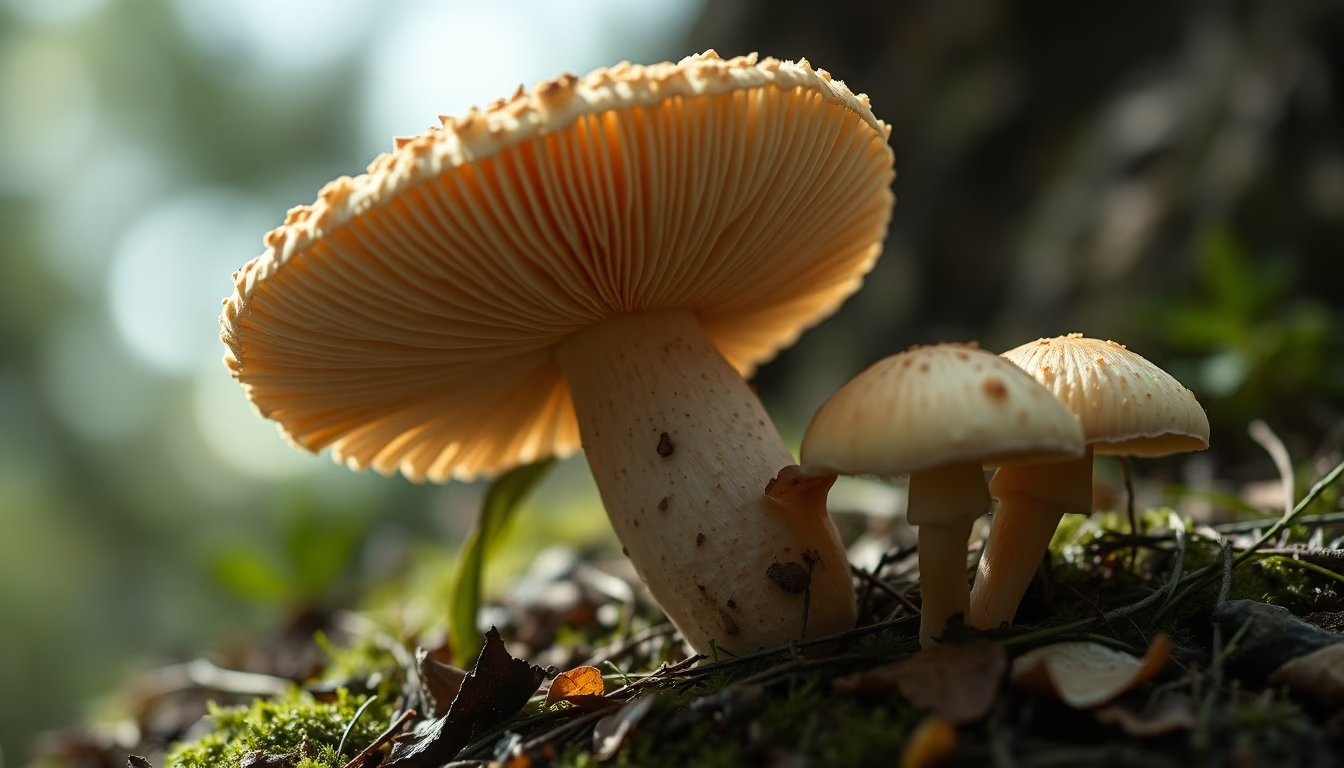
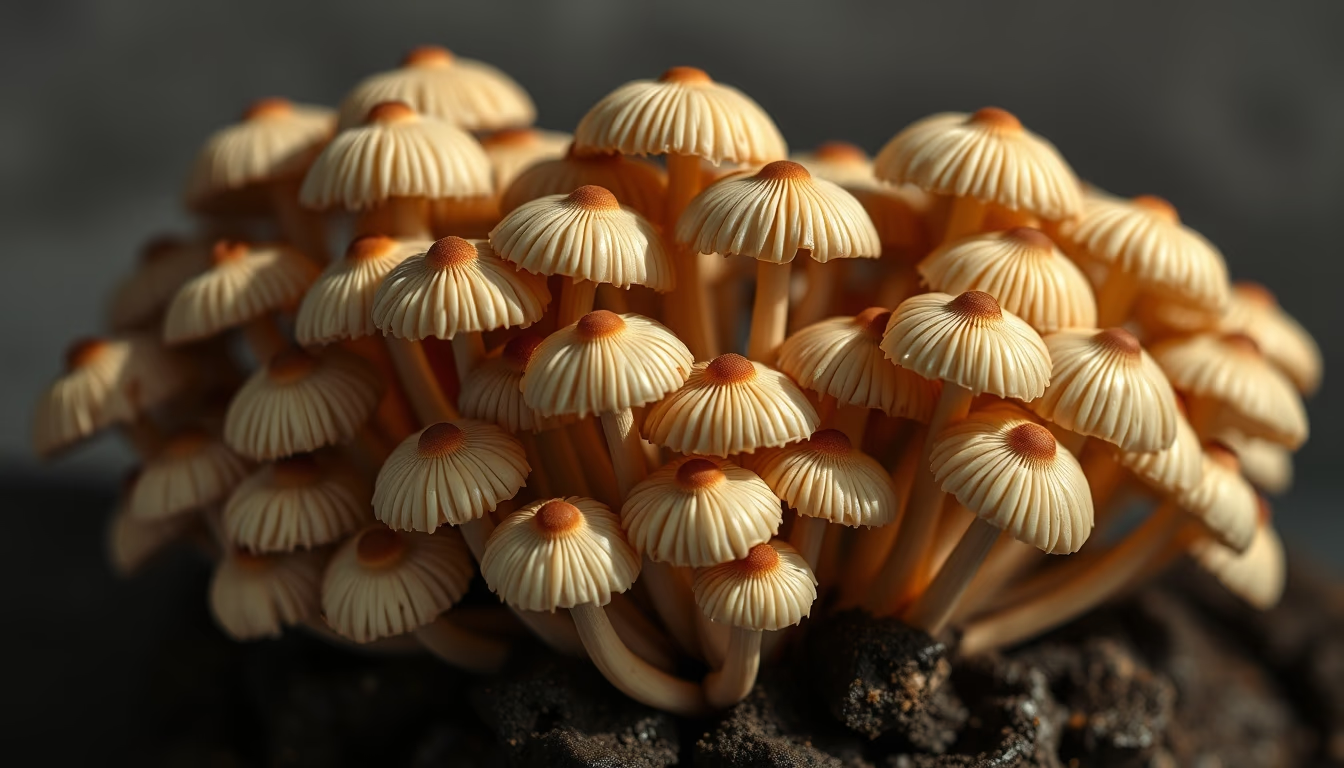
The lion's mane mushroom (Hericium erinaceus) is an edible fungus recognized for its shaggy appearance resembling a lion's mane and its potential cognitive benefits.
About this subject
The lion's mane mushroom, scientifically known as Hericium erinaceus, is a saprophytic fungus that grows on the trunks of deciduous trees, particularly oaks and beeches, in temperate regions of the Northern Hemisphere, including North America, Europe, and Asia. Its distinctive appearance, with long, cascading spines resembling a lion's mane, makes it easily identifiable in the wild. Traditionally used in Asian cuisine, it is prized for its mild flavor and seafood-like texture, often compared to lobster or crab.
Beyond culinary use, lion's mane is extensively studied for its bioactive compounds, such as erinacines and hericenones, which stimulate the production of Nerve Growth Factor (NGF). Research indicates potential neuroprotective effects, aiding in nerve regeneration and cognitive improvement in conditions like mild cognitive decline and Alzheimer's disease. It also exhibits anti-inflammatory and antioxidant properties, being used in supplements and extracts.
In traditional Chinese medicine, the mushroom is employed to strengthen the spleen and stomach and alleviate fatigue. Its popularity has grown globally with the rise of interest in natural nootropics and medicinal fungi. Commercial cultivation is common, often on sawdust substrates, and it can be found fresh or dried in specialty markets. While generally safe for consumption, moderation and professional advice are recommended, especially for pregnant women or individuals with autoimmune conditions.
Frequently Asked Questions
How do you consume lion's mane mushroom?
It can be cooked like any edible mushroom: sautéed, in soups, teas, or used in extracts. Its mild flavor pairs well with seafood dishes.
What are the brain benefits of lion's mane mushroom?
It contains erinacines and hericenones that stimulate Nerve Growth Factor (NGF) production, potentially improving memory and focus, and protecting against neurodegenerative diseases.
Where can I find lion's mane mushroom?
It is available at health food stores, Asian markets, or online. Home cultivation is possible with kits, but requires controlled humidity and temperature.
Direct URL
https://pub-c7d6a6ea828543ac903a74a341ccb2e1.r2.dev/imagens/lion-mane-mushroom-documentary-photography-p8.avifHow to credit
Include a visible link back to UtilizAí. Copy one of the snippets below:
<a href="https://xn--utiliza-eza.com/en/midia/imagens/lion-mane-mushroom-documentary-photography-p8">Lion mane mushroom</a> by <a href="https://xn--utiliza-eza.com">UtilizAí</a>, licensed under <a href="https://creativecommons.org/licenses/by/4.0/">CC BY 4.0</a>.
[Lion mane mushroom](https://xn--utiliza-eza.com/en/midia/imagens/lion-mane-mushroom-documentary-photography-p8) by [UtilizAí](https://xn--utiliza-eza.com), CC BY 4.0
License: CC-BY-4.0