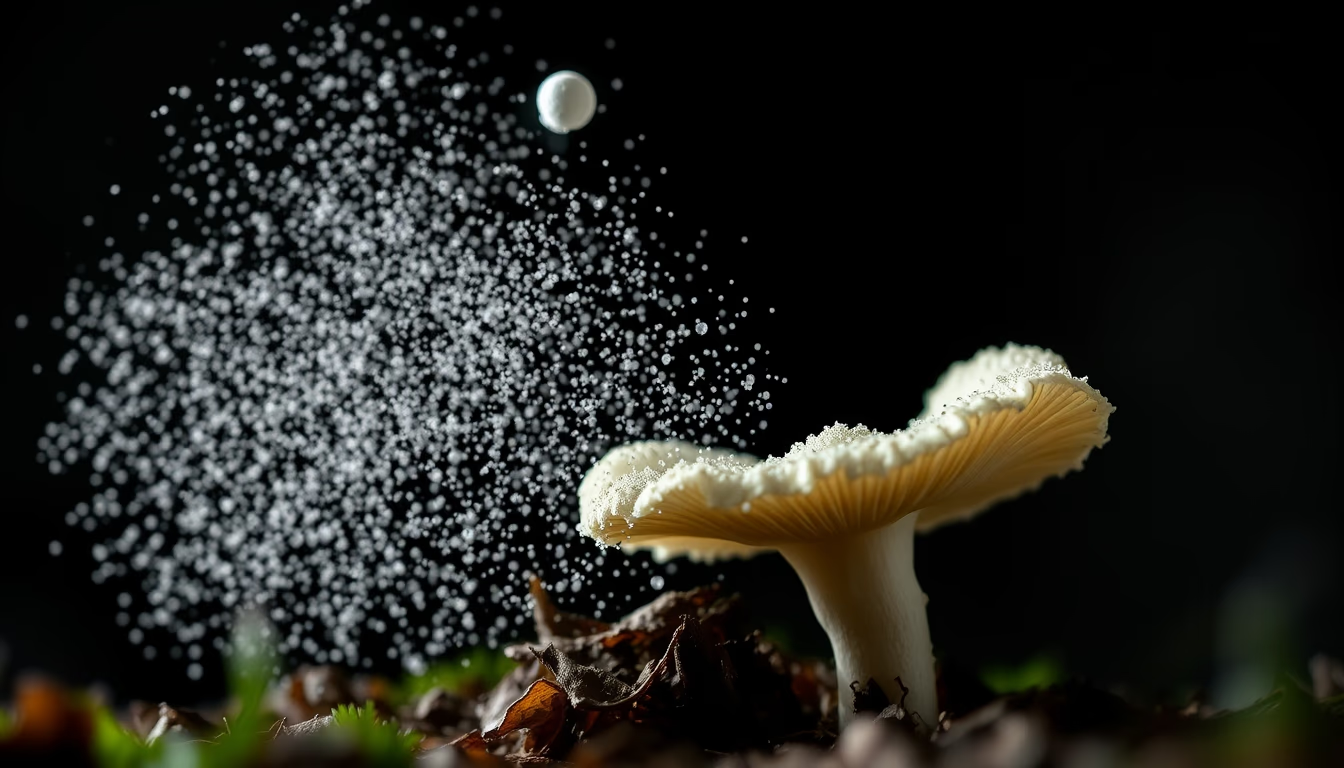
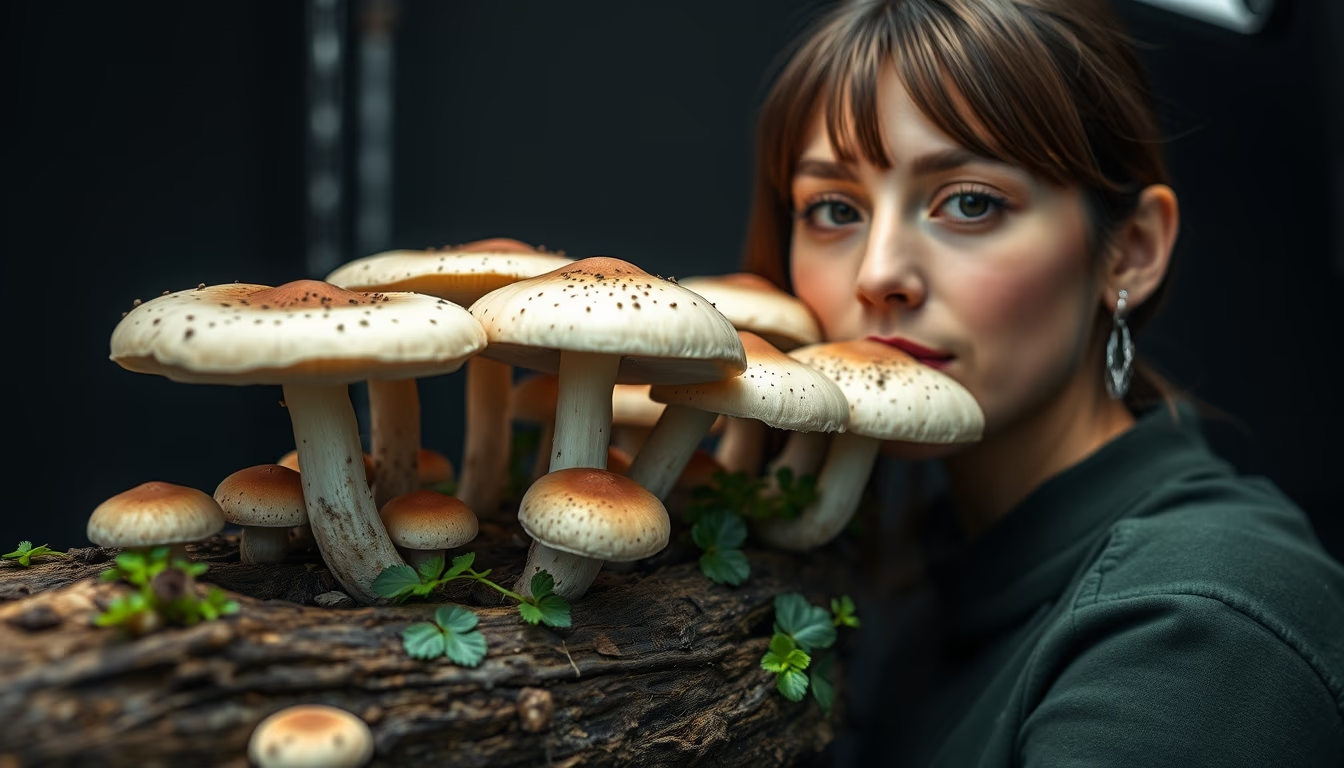
Lion mane mushroom
1344×768 · AVIF · CC BY 4.0

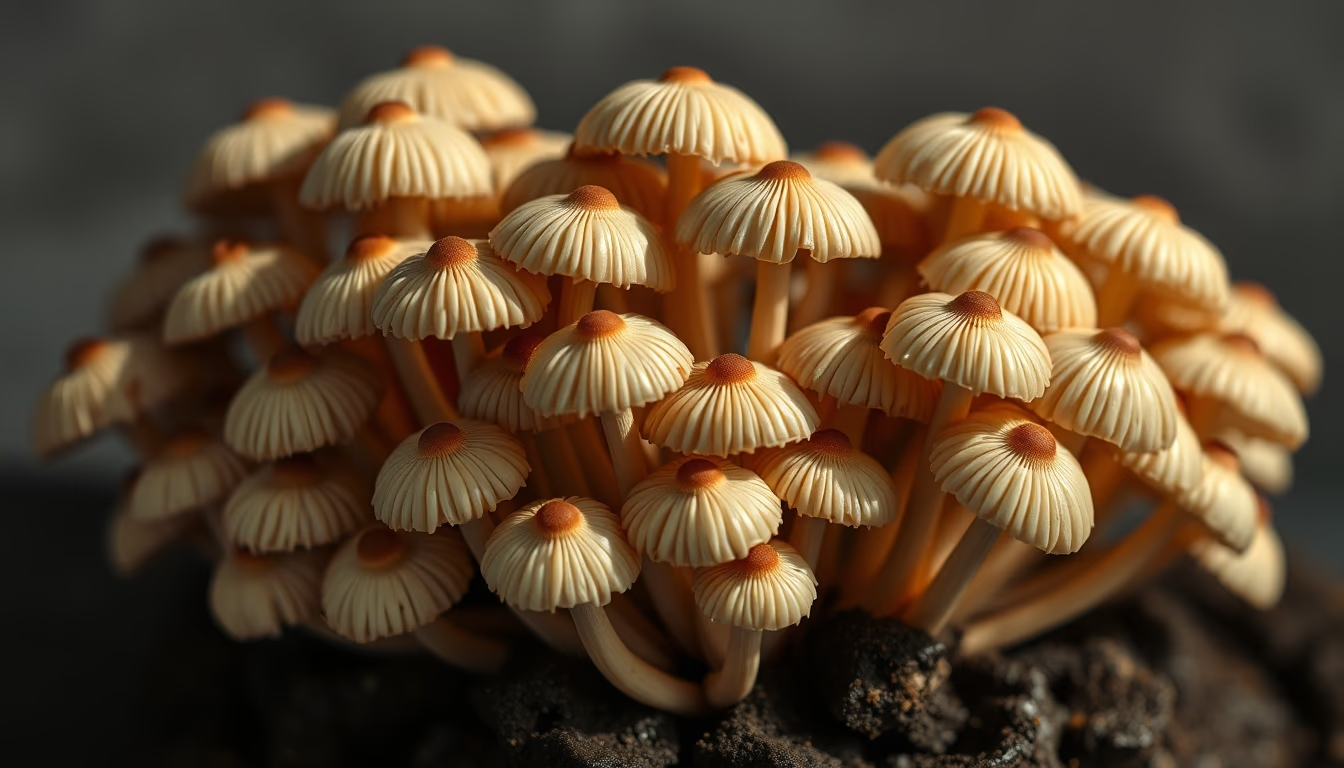
Lion's mane mushroom (Hericium erinaceus) is an edible and medicinal fungus recognized for its cascading spines and neurological benefits.
About this subject
Lion's mane mushroom, also known as hedgehog fungus or yamabushitake in Japan, grows on deciduous tree trunks in North America, Europe, and Asia. Its unusual appearance, featuring long white spines that resemble a mane, makes it easy to identify. In culinary contexts, its flavor is often compared to crab or lobster, making it a popular plant-based seafood substitute.
In traditional Chinese medicine, it has been used for centuries to strengthen the spleen and gut. Modern research indicates that compounds like erinacines and hericenones stimulate nerve growth factor (NGF) production, potentially aiding neural regeneration and the treatment of conditions such as Alzheimer's disease and depression. Animal studies have shown improved cognition and reduced inflammation.
Commercial cultivation of lion's mane is expanding due to demand for supplements and functional foods. It can be found fresh in specialty markets or dried for teas and extracts. Its fibrous texture and ability to absorb flavors make it versatile in cooking, used in sauces, soups, and even as a base for vegan steaks.
While safe for most people, moderation is advised, especially for pregnant women and those with mushroom allergies. Foraging in the wild requires caution due to lookalike toxic species, but home cultivation is feasible with mushroom grow kits.
Frequently Asked Questions
What are the main health benefits of lion's mane mushroom?
It is known for promoting neuron growth and regeneration due to erinacines and hericenones. It may improve memory, reduce anxiety, and aid recovery from nerve injuries.
How can lion's mane mushroom be used in cooking?
It can be sautéed, grilled, added to soups, or used as a meat substitute in burgers and stews. Its mild flavor pairs well with garlic, butter, and herbs.
Is it safe to forage lion's mane mushroom in the wild?
Caution is needed as it can be mistaken for toxic species in the Hericium genus or other spine fungi. Proper identification is essential; consulting an expert is recommended.
Direct URL
https://pub-c7d6a6ea828543ac903a74a341ccb2e1.r2.dev/imagens/lion-mane-mushroom-architectural-photography-p0.avifHow to credit
Include a visible link back to UtilizAí. Copy one of the snippets below:
<a href="https://xn--utiliza-eza.com/en/midia/imagens/lion-mane-mushroom-architectural-photography-p0">Lion mane mushroom</a> by <a href="https://xn--utiliza-eza.com">UtilizAí</a>, licensed under <a href="https://creativecommons.org/licenses/by/4.0/">CC BY 4.0</a>.
[Lion mane mushroom](https://xn--utiliza-eza.com/en/midia/imagens/lion-mane-mushroom-architectural-photography-p0) by [UtilizAí](https://xn--utiliza-eza.com), CC BY 4.0
License: CC-BY-4.0