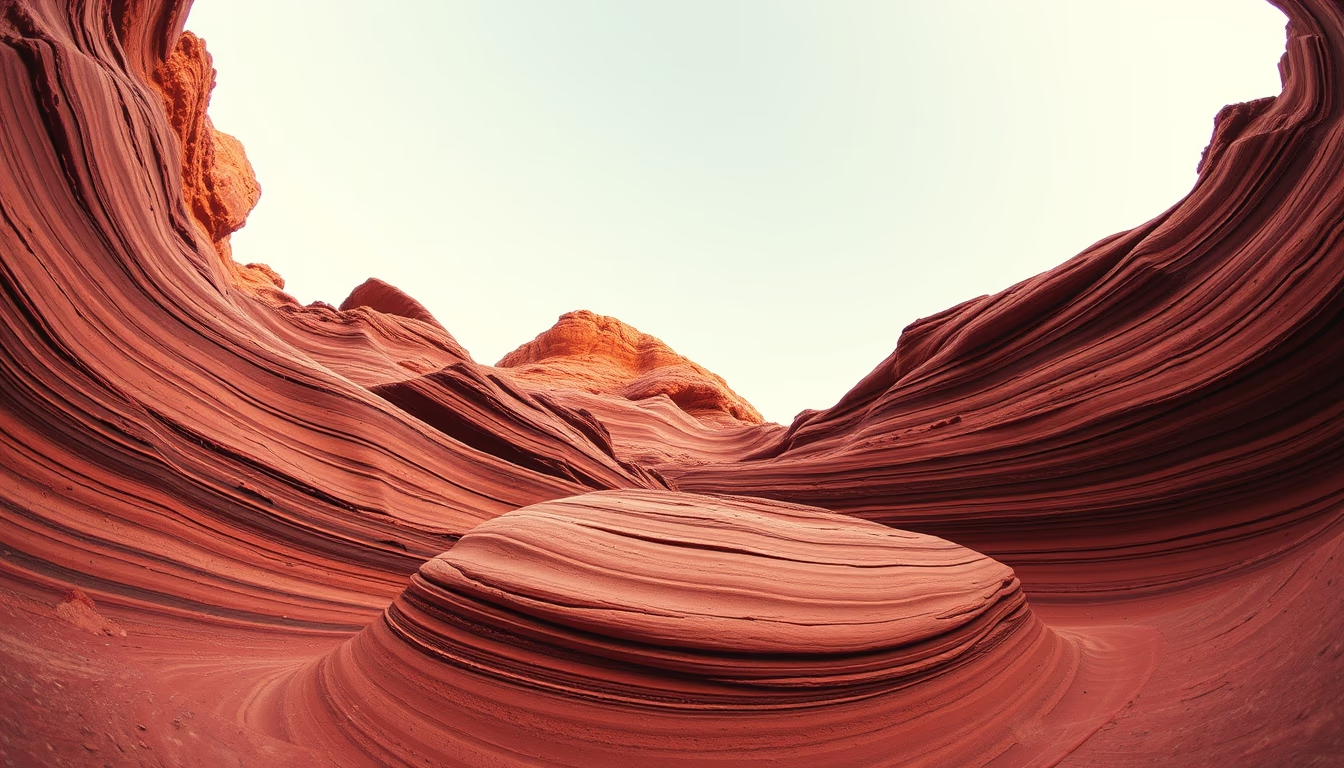
Limestone karst
1344×768 · AVIF · CC BY 4.0

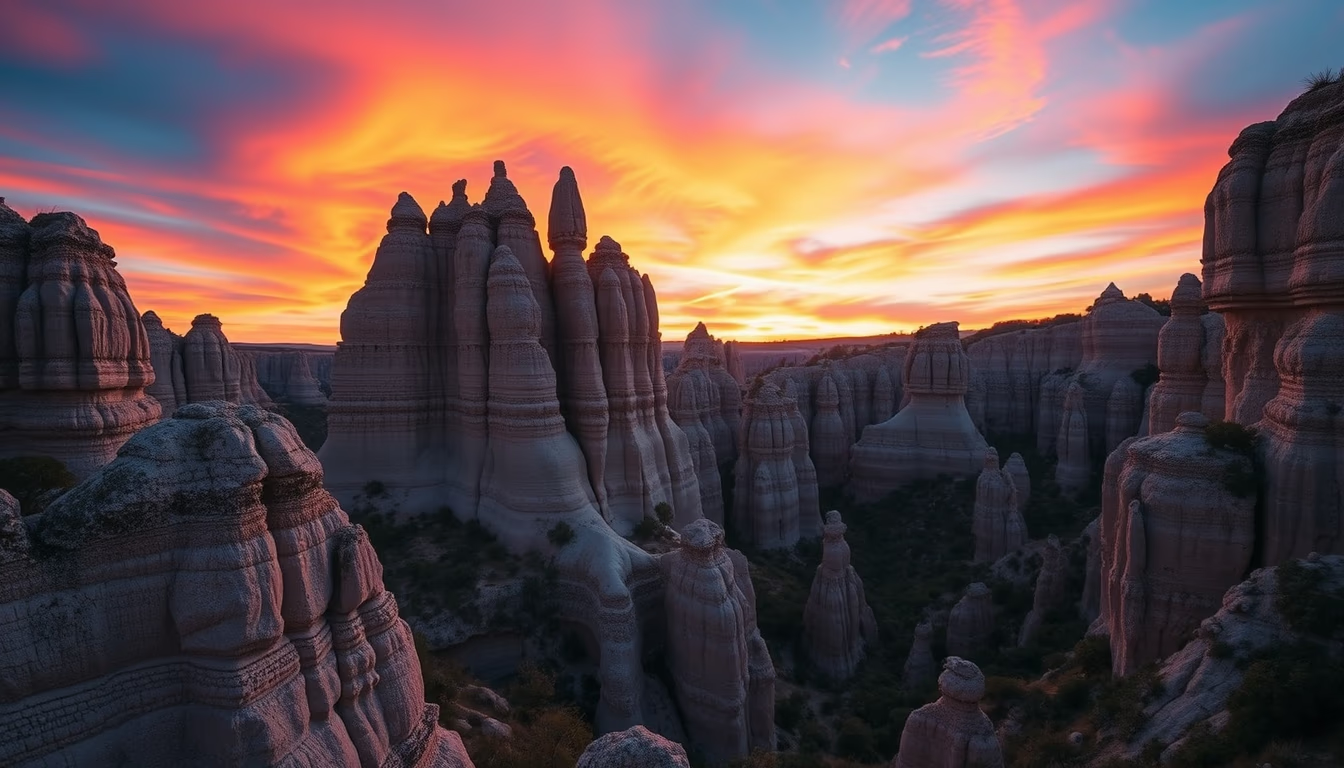
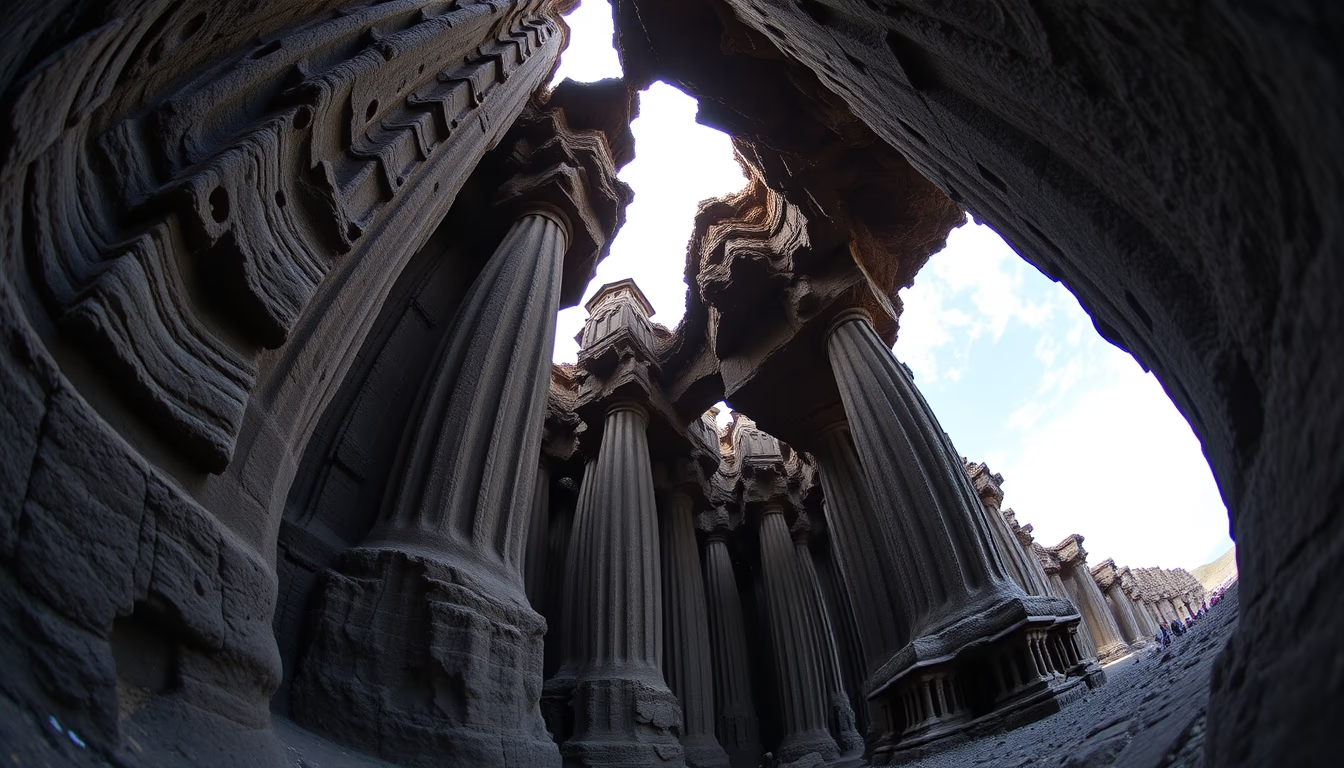
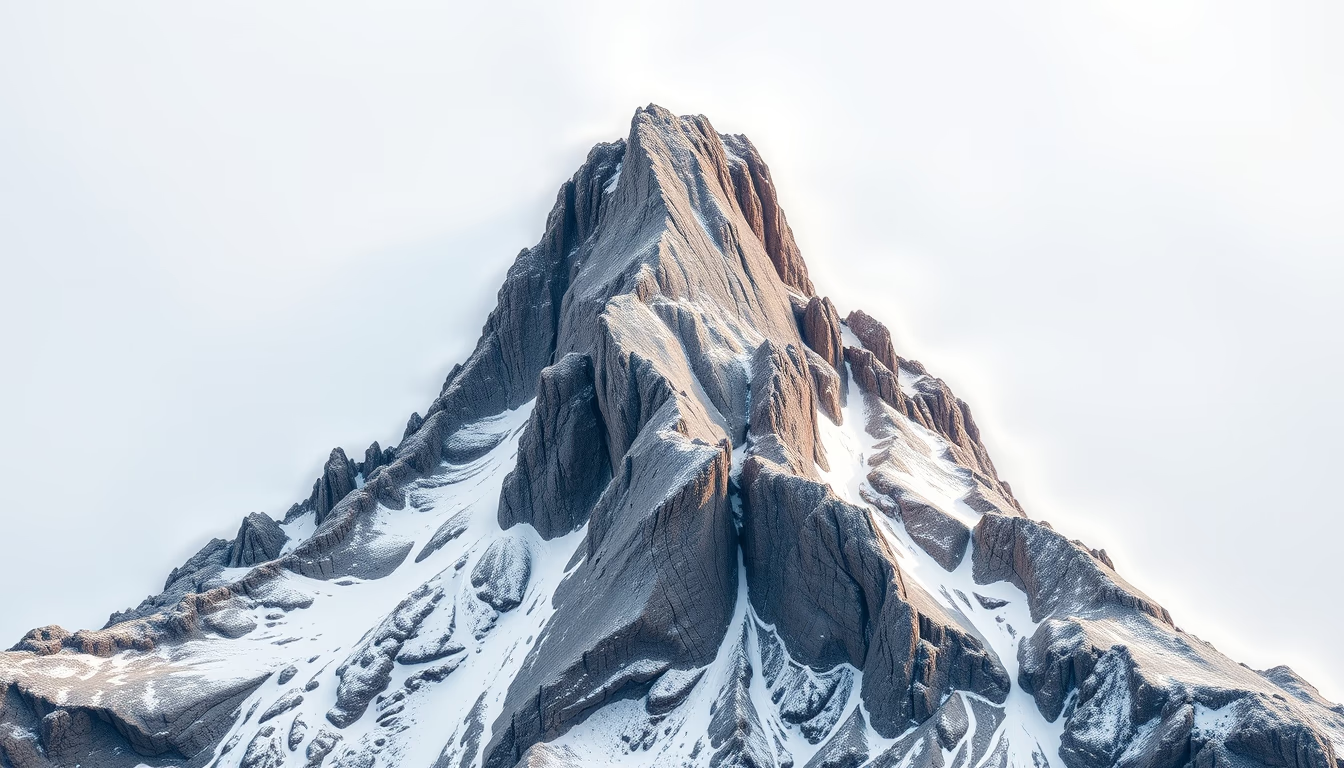
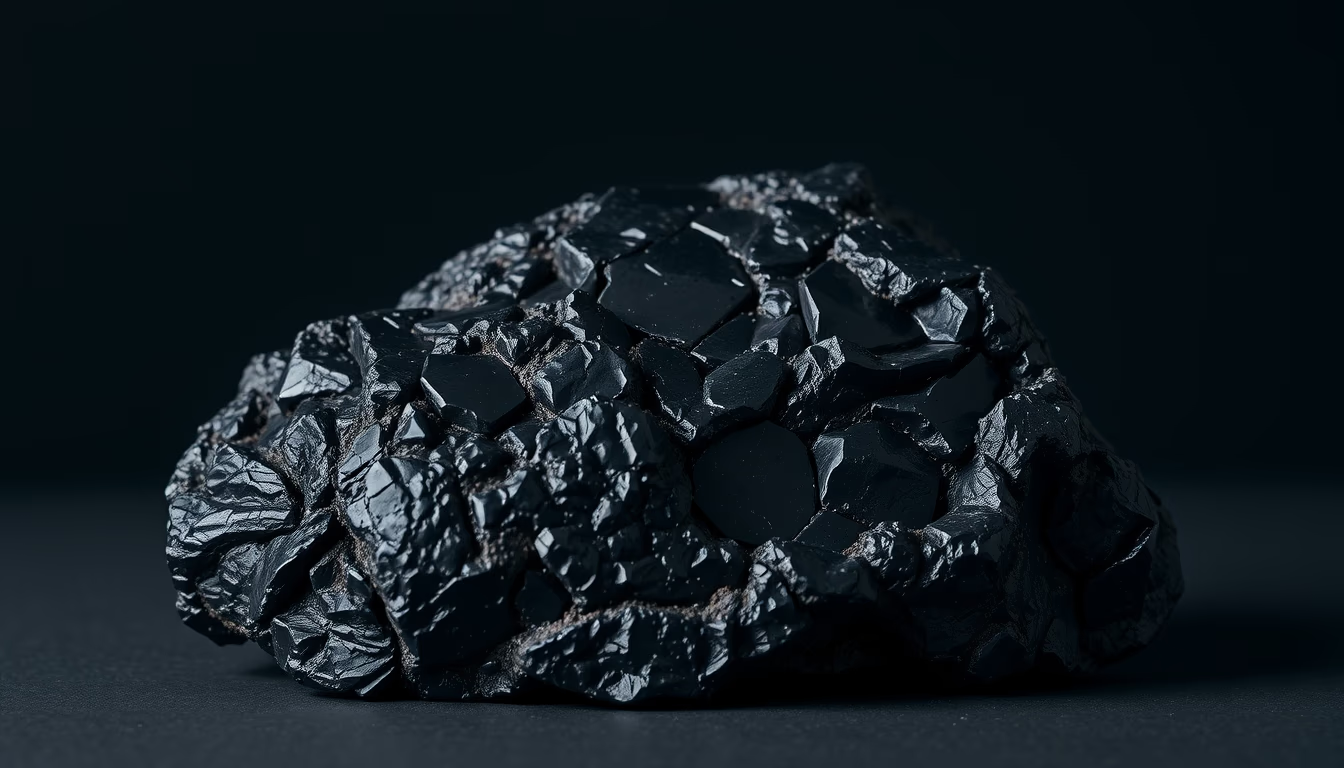
Limestone karst is a landscape shaped by chemical dissolution of carbonate rocks, creating caves, sinkholes, and unique landforms.
About this subject
Limestone karst, also known as karst topography, forms when slightly acidic rainwater dissolves soluble rocks such as limestone and dolomite. This process, called carbonation, occurs over thousands to millions of years. Water seeps through fractures and bedding planes, gradually enlarging them into underground conduits, caves, and complex drainage systems.
Typical features include lapies (grooves and channels on exposed rock), sinkholes (closed depressions), swallow holes (where water disappears), and caves with speleothems like stalactites and stalagmites. The surface can be rugged, with limestone towers and dry valleys. Rapid infiltration reduces surface drainage, creating karst aquifers that feed perennial springs.
Notable karst areas worldwide include the Karst Plateau in Slovenia (which gave the phenomenon its name), the Guilin region in southern China, and the Yucatán Peninsula in Mexico, famous for its cenotes. In Brazil, important karst landscapes are found in Peruaçu National Park (MG), Chapada Diamantina (BA), and Serra da Bodoquena (MS). The Gruta do Lago Azul in Bonito (MS) is a classic example, with crystal-clear waters and ancient formations.
Ecologically, karst systems host endemic fauna such as blind fish and cave-adapted invertebrates. They serve as vital freshwater reservoirs but are highly vulnerable to pollution due to rapid recharge and limited filtration. Speleotourism and water-based recreation depend on the preservation of these fragile environments.
Frequently Asked Questions
How does limestone karst form?
Limestone karst forms through the chemical dissolution of carbonate rocks (limestone, dolomite) by slightly acidic rainwater. This process enlarges fractures over millennia, creating caves, sinkholes, and underground drainage systems.
Where can karst landscapes be found in Brazil?
In Brazil, notable karst areas include Peruaçu National Park (MG), Chapada Diamantina (BA), Serra da Bodoquena (MS) with Gruta do Lago Azul, and the region of Iporanga (SP) with PETAR (Alto Ribeira State Park).
What is the ecological importance of karst?
Karst aquifers feed perennial springs and rivers but are highly vulnerable to pollution due to rapid infiltration. They host endemic cave fauna such as blind fish and invertebrates, and are important for sustainable tourism.
Direct URL
https://pub-c7d6a6ea828543ac903a74a341ccb2e1.r2.dev/imagens/limestone-karst-studio-editorial-portrait-fresh5.avifHow to credit
Include a visible link back to UtilizAí. Copy one of the snippets below:
<a href="https://xn--utiliza-eza.com/en/midia/imagens/limestone-karst-studio-editorial-portrait-fresh5">Limestone karst</a> by <a href="https://xn--utiliza-eza.com">UtilizAí</a>, licensed under <a href="https://creativecommons.org/licenses/by/4.0/">CC BY 4.0</a>.
[Limestone karst](https://xn--utiliza-eza.com/en/midia/imagens/limestone-karst-studio-editorial-portrait-fresh5) by [UtilizAí](https://xn--utiliza-eza.com), CC BY 4.0
License: CC-BY-4.0