Limestone karst
1344×768 · AVIF · CC BY 4.0
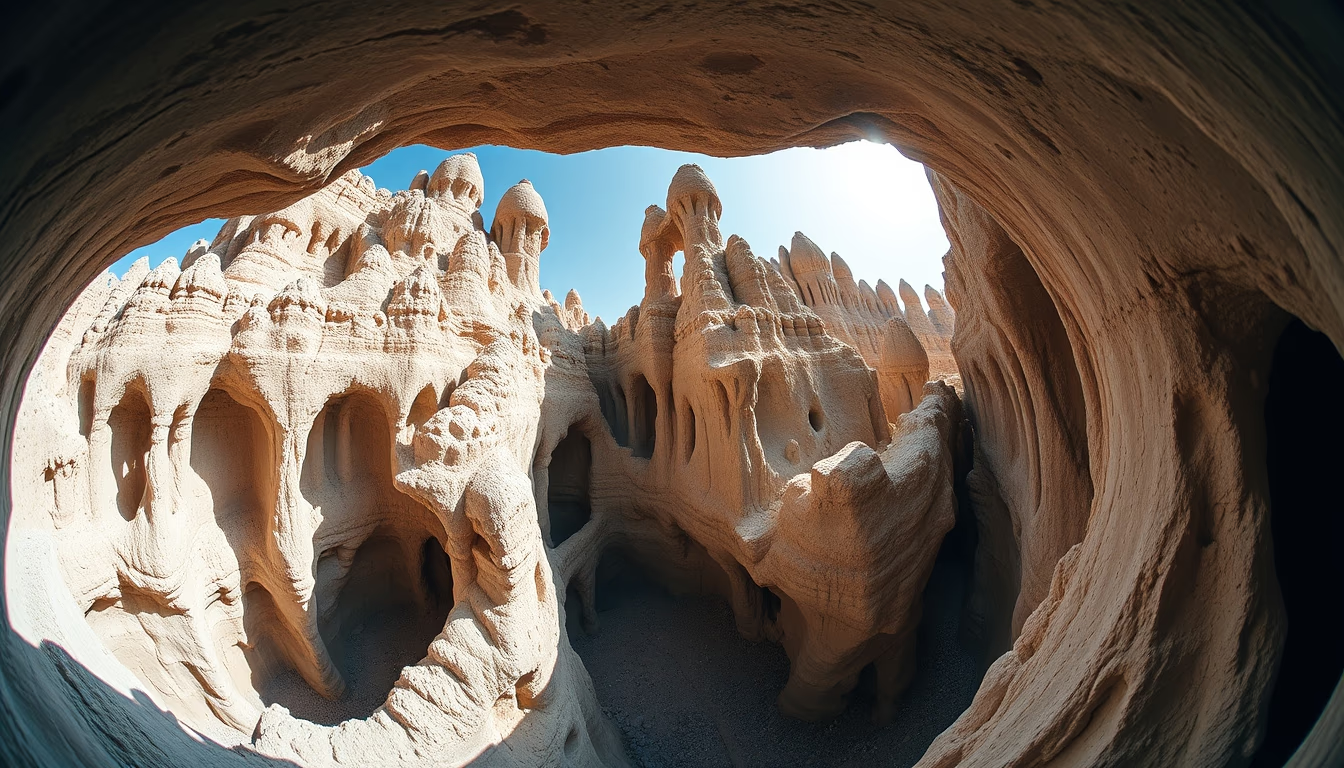
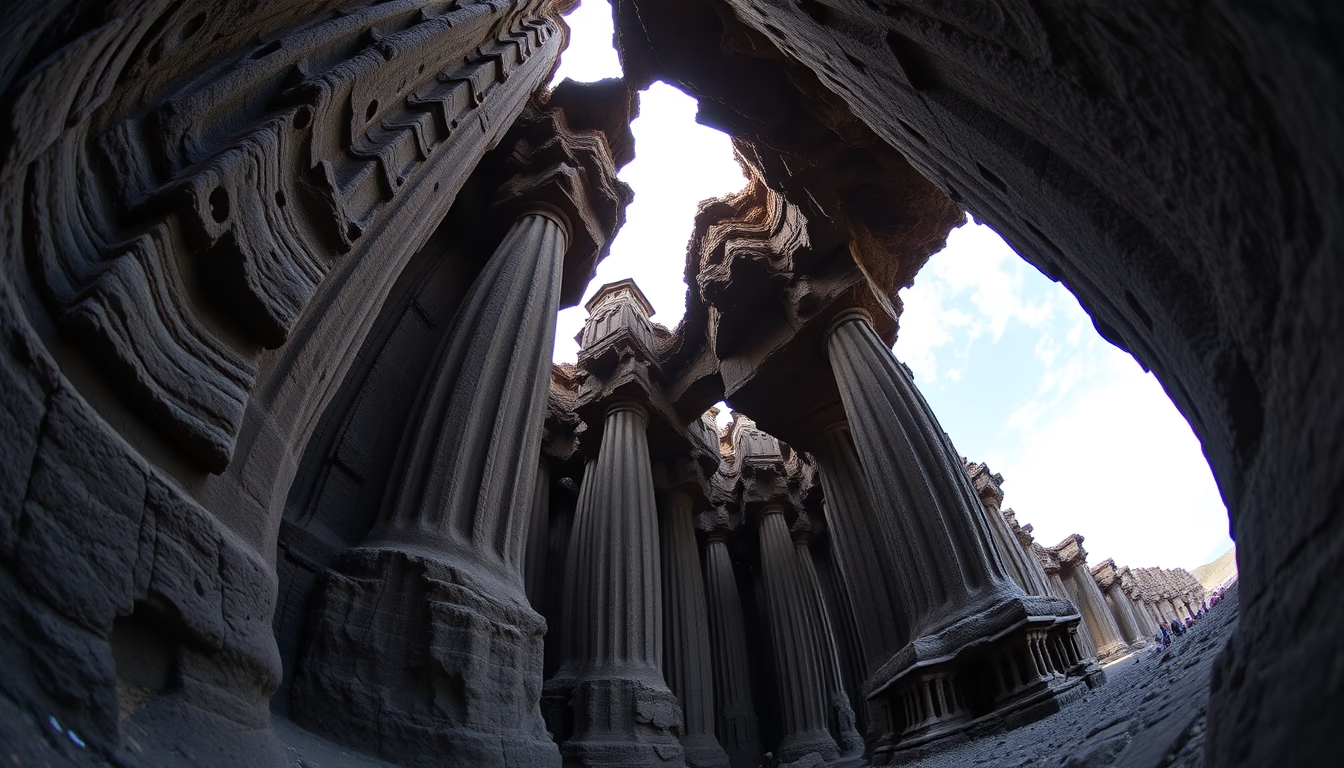
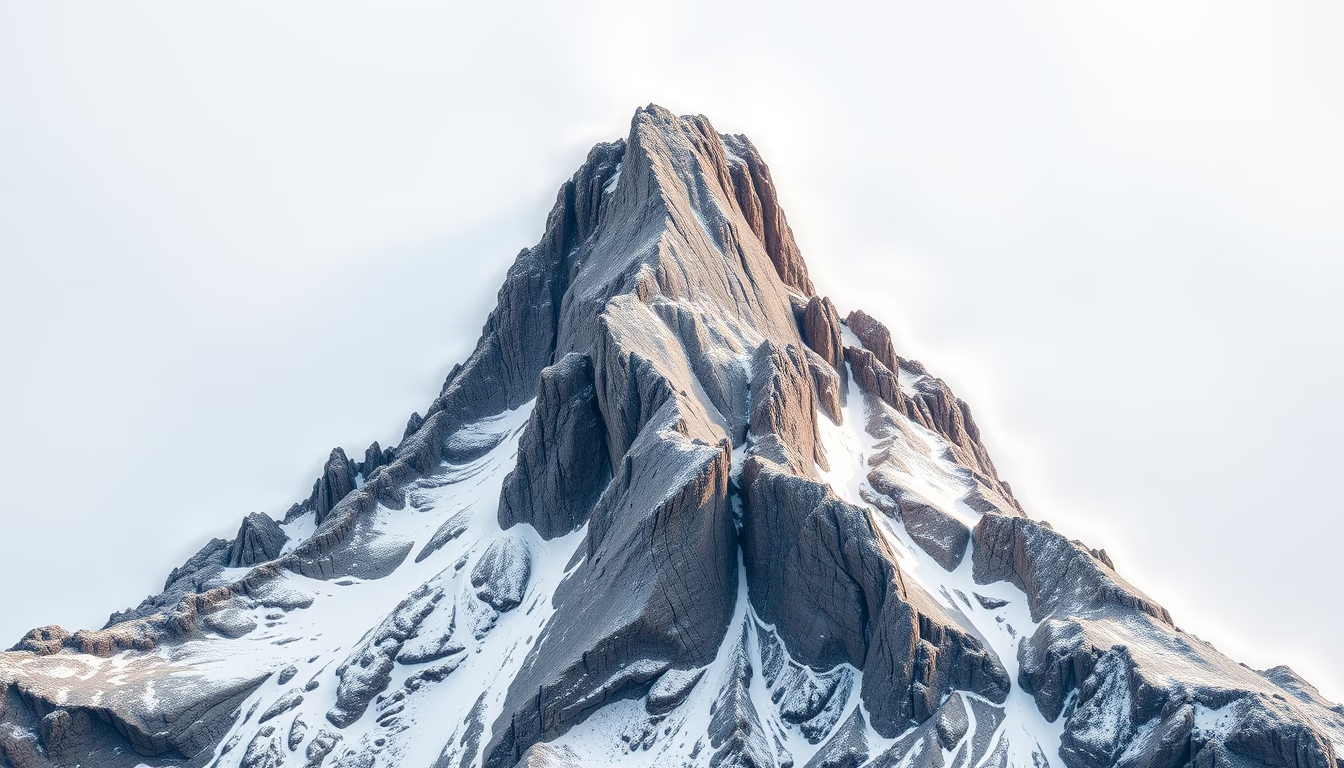
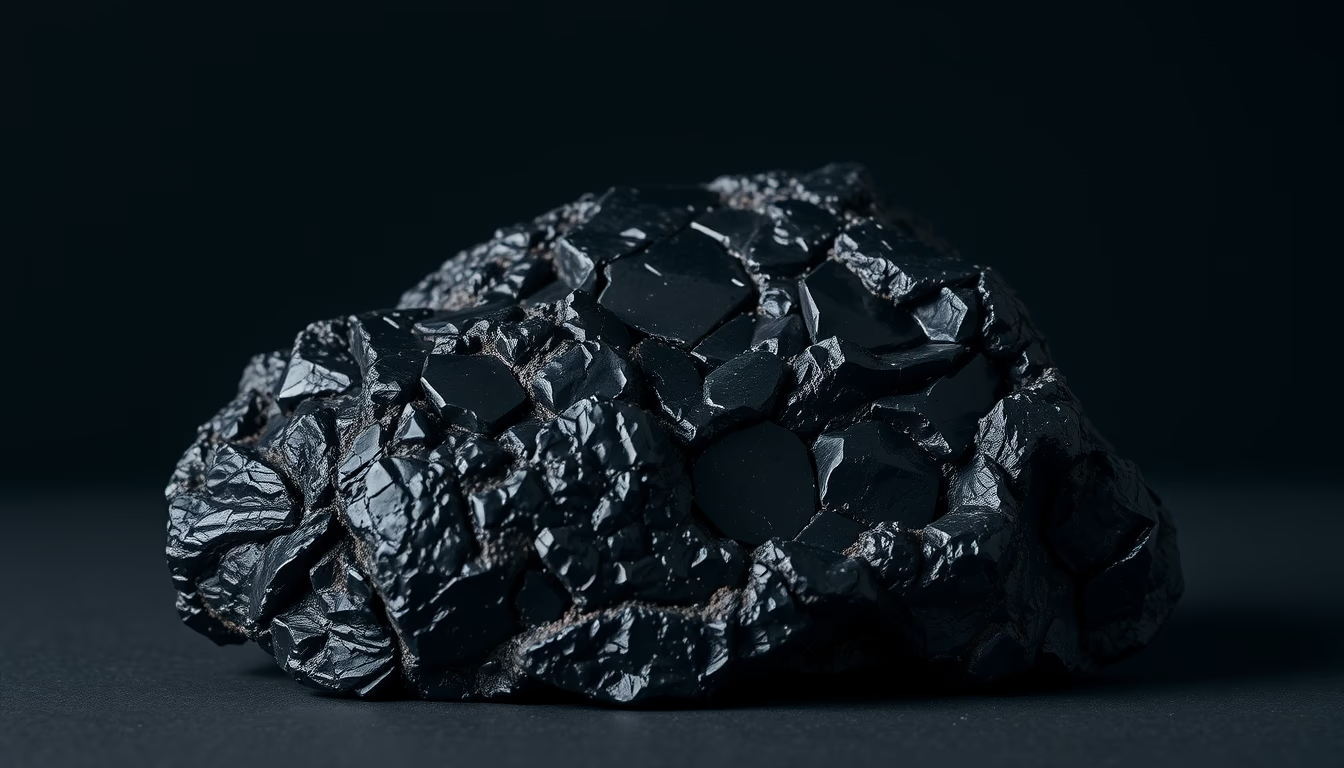
Limestone karst landscapes are shaped by chemical dissolution of rock, creating caves, sinkholes, and unique relief features.
About this subject
Limestone karst is a landscape formed by the dissolution of soluble rocks, primarily limestone and dolomite, by slightly acidic water. This process, called karstification, occurs over thousands to millions of years, resulting in features such as caves, sinkholes (dolines), lapies, and limestone towers. Karst regions are common worldwide, with notable examples in Brazil (Lagoa Santa in Minas Gerais and Chapada Diamantina in Bahia), China (Guilin and the Karst Mountains), Vietnam (Ha Long Bay), and the Balkans (Slovenia). The term "karst" originates from the Kras region in Slovenia and Italy, where these landscapes were first studied.
Karst formations have significant hydrogeological importance, as they store and transmit groundwater through enlarged conduits and fractures. Many karst aquifers provide drinking water for millions of people. Additionally, these landscapes are rich in biodiversity, hosting cave-adapted species (troglobites). Soil over karst is often fertile and used for agriculture, but it is vulnerable to contamination due to rapid water infiltration.
Interestingly, limestone towers, typical of tropical karst, can reach hundreds of meters in height and are often surrounded by rice paddies, as in the iconic Guilin landscape in China. Karst is also associated with mineral deposits such as bauxite and phosphate, and with archaeological sites preserved in caves. Conservation of these areas is crucial, as mining and urbanization can rapidly degrade karst ecosystems.
Frequently Asked Questions
What causes limestone karst formation?
Limestone karst is formed by the chemical dissolution of limestone rock by rainwater, which becomes slightly acidic by absorbing carbon dioxide from the air and soil. This process enlarges fractures and creates caves, sinkholes, and other features over geological time.
Where can I find karst landscapes in Brazil?
Notable examples in Brazil include the Lagoa Santa region (MG), Chapada Diamantina (BA), Peruaçu National Park (MG), and Serra da Bodoquena (MS). These areas feature caves, underground rivers, and typical rock formations.
What is the ecological importance of karst regions?
Karst regions host unique ecosystems with cave-adapted species and underground aquifers. They serve as important freshwater reservoirs and are sensitive to pollution, as water infiltrates quickly, transporting contaminants.
Direct URL
https://pub-c7d6a6ea828543ac903a74a341ccb2e1.r2.dev/imagens/limestone-karst-fish-eye-wide-angle-fresh0.avifHow to credit
Include a visible link back to UtilizAí. Copy one of the snippets below:
<a href="https://xn--utiliza-eza.com/en/midia/imagens/limestone-karst-fish-eye-wide-angle-fresh0">Limestone karst</a> by <a href="https://xn--utiliza-eza.com">UtilizAí</a>, licensed under <a href="https://creativecommons.org/licenses/by/4.0/">CC BY 4.0</a>.
[Limestone karst](https://xn--utiliza-eza.com/en/midia/imagens/limestone-karst-fish-eye-wide-angle-fresh0) by [UtilizAí](https://xn--utiliza-eza.com), CC BY 4.0
License: CC-BY-4.0