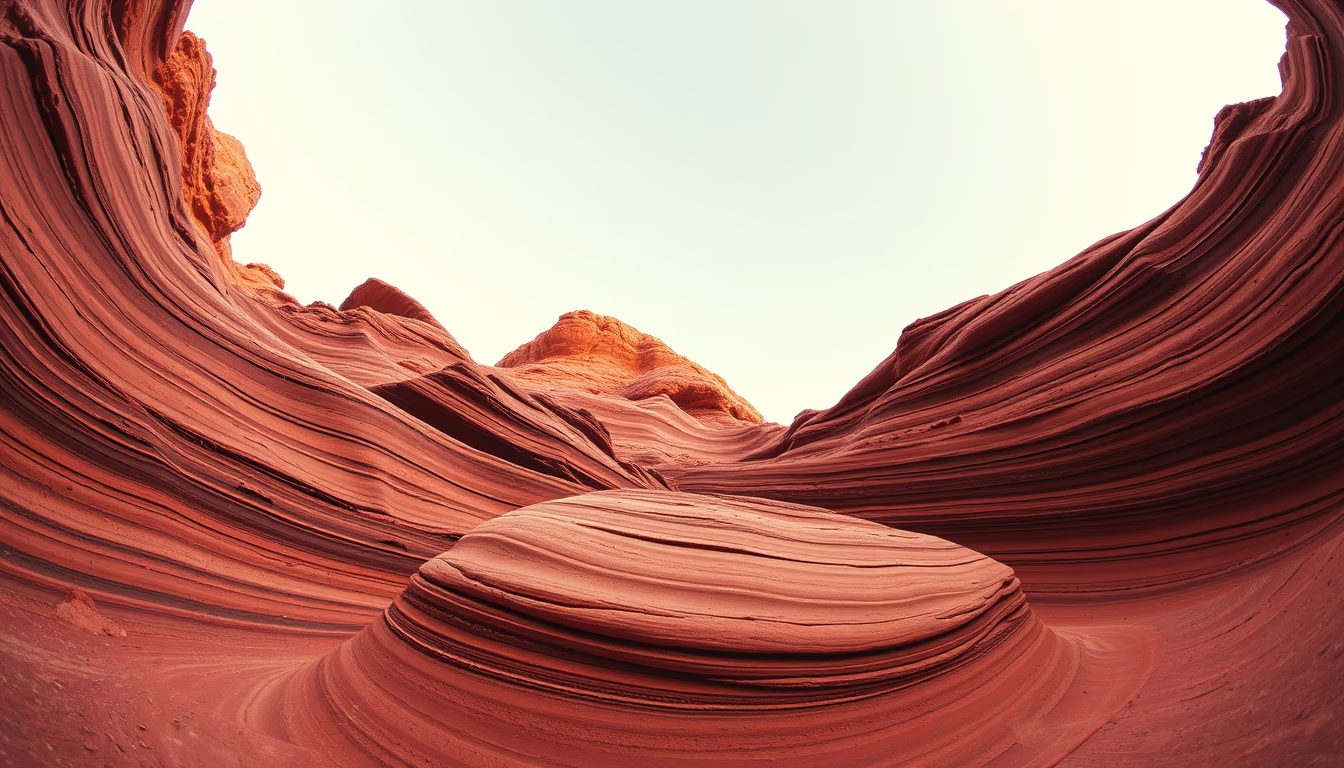
Limestone karst
1344×768 · AVIF · CC BY 4.0

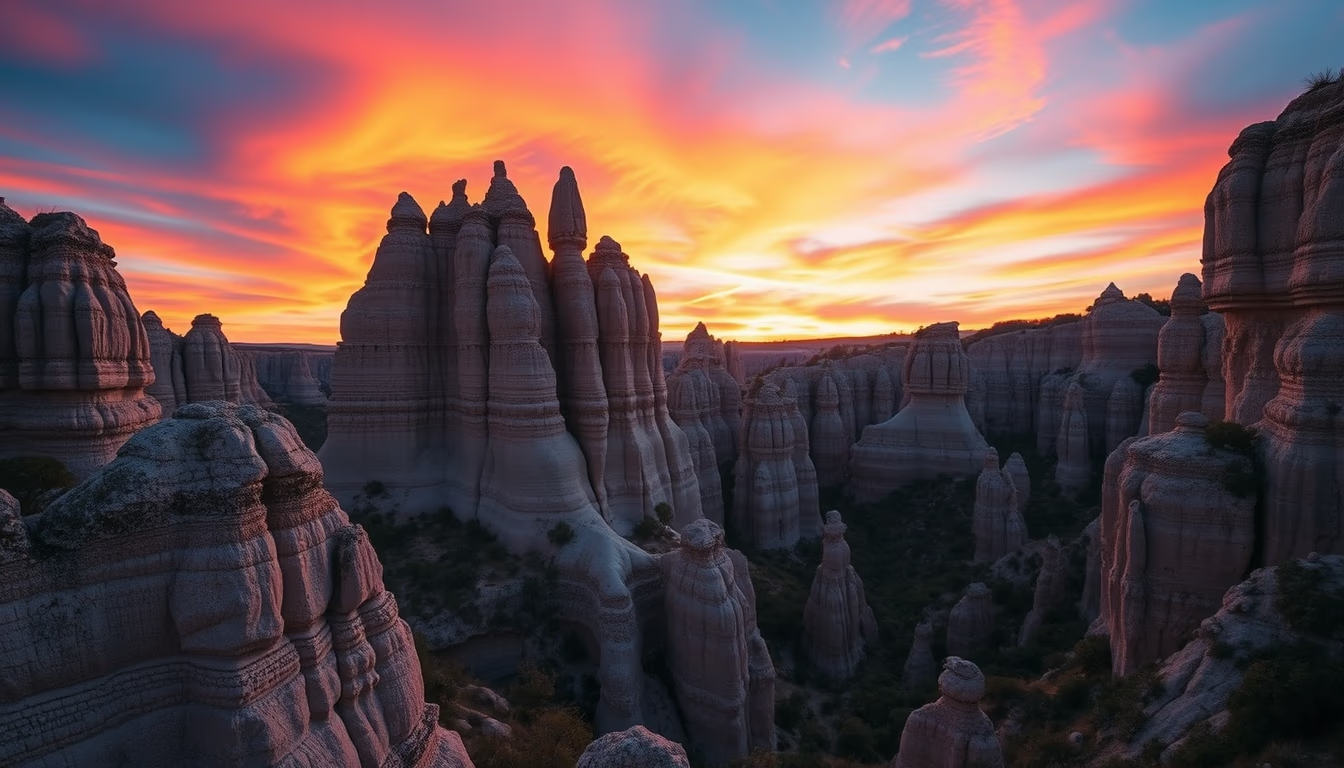
Limestone karst is a landscape sculpted by chemical dissolution of rock, forming caves, sinkholes, and unique pinnacles in tropical and temperate regions.
About this subject
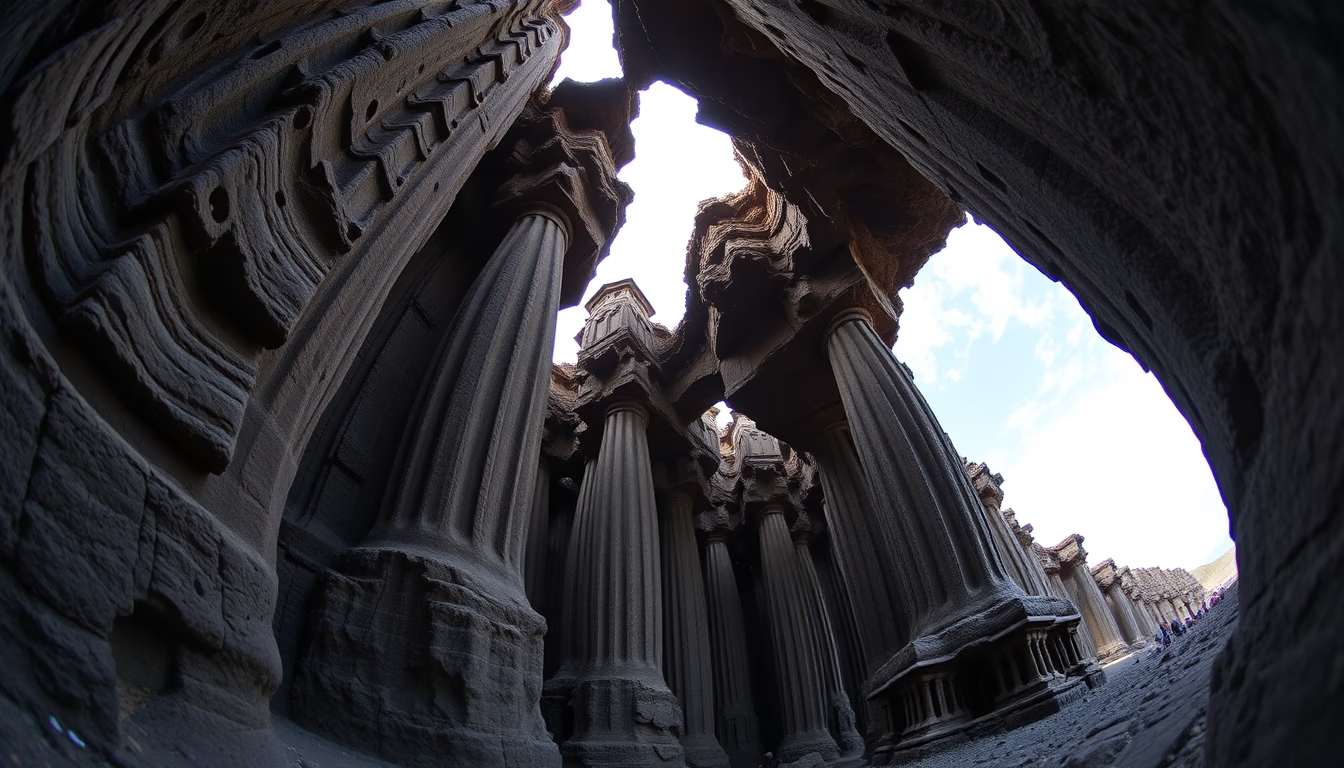
Limestone karst, also known as karst topography, is a landscape shaped by the chemical dissolution of carbonate rocks, primarily limestone and dolomite. This process, called karstification, occurs when rainwater, slightly acidic due to absorption of carbon dioxide, infiltrates fissures in the rock and gradually dissolves it over thousands to millions of years. The result is characteristic landforms such as lapiez (grooves on the surface), sinkholes (closed depressions), caves, and rock pinnacles. Karst landscapes are especially prominent in regions such as southern China (Guilin and Yangshuo), Vietnam (Ha Long Bay), Brazil (the Sete Lagoas region and Chapada Diamantina), and Slovenia (the classical Karst, which gave the phenomenon its name). In Brazil, limestone karst occurs in areas like the Peruaçu National Park in Minas Gerais, with immense caves and archaeological sites, and in the Bonito region, Mato Grosso do Sul, where crystal-clear waters reveal a subsurface sculpted by dissolution. These environments are important aquifers, host unique ecosystems, and record the planet's geological and climatic history. Interestingly, the rate of karst formation can be measured: in humid climates, limestone can dissolve about 0.1 mm per year, which, though seemingly slow, over millions of years creates spectacular landscapes. Unfortunately, karst is fragile: groundwater pollution and mining can irreversibly destroy these formations.
Frequently Asked Questions
What causes limestone karst formation?
Limestone karst formation is caused by the chemical dissolution of carbonate rocks, mainly limestone, by slightly acidic rainwater. The process is accelerated in humid climates with vegetation that produces more CO2.
Where can I see karst landscapes in Brazil?
In Brazil, karst landscapes are found in Minas Gerais (Peruaçu National Park, Sete Lagoas), Mato Grosso do Sul (Bonito, Serra da Bodoquena), Bahia (Chapada Diamantina), and Goiás, featuring caves, sinkholes, and underground rivers.
What is the ecological importance of karst aquifers?
Karst aquifers store large volumes of groundwater, feed rivers and springs, and harbor cave-adapted species (troglobites). Their recharge is rapid, but they are also vulnerable to contamination from pollutants.
Direct URL
https://pub-c7d6a6ea828543ac903a74a341ccb2e1.r2.dev/imagens/limestone-karst-film-grain-authentic-fresh15.avifHow to credit
Include a visible link back to UtilizAí. Copy one of the snippets below:
<a href="https://xn--utiliza-eza.com/en/midia/imagens/limestone-karst-film-grain-authentic-fresh15">Limestone karst</a> by <a href="https://xn--utiliza-eza.com">UtilizAí</a>, licensed under <a href="https://creativecommons.org/licenses/by/4.0/">CC BY 4.0</a>.
[Limestone karst](https://xn--utiliza-eza.com/en/midia/imagens/limestone-karst-film-grain-authentic-fresh15) by [UtilizAí](https://xn--utiliza-eza.com), CC BY 4.0
License: CC-BY-4.0