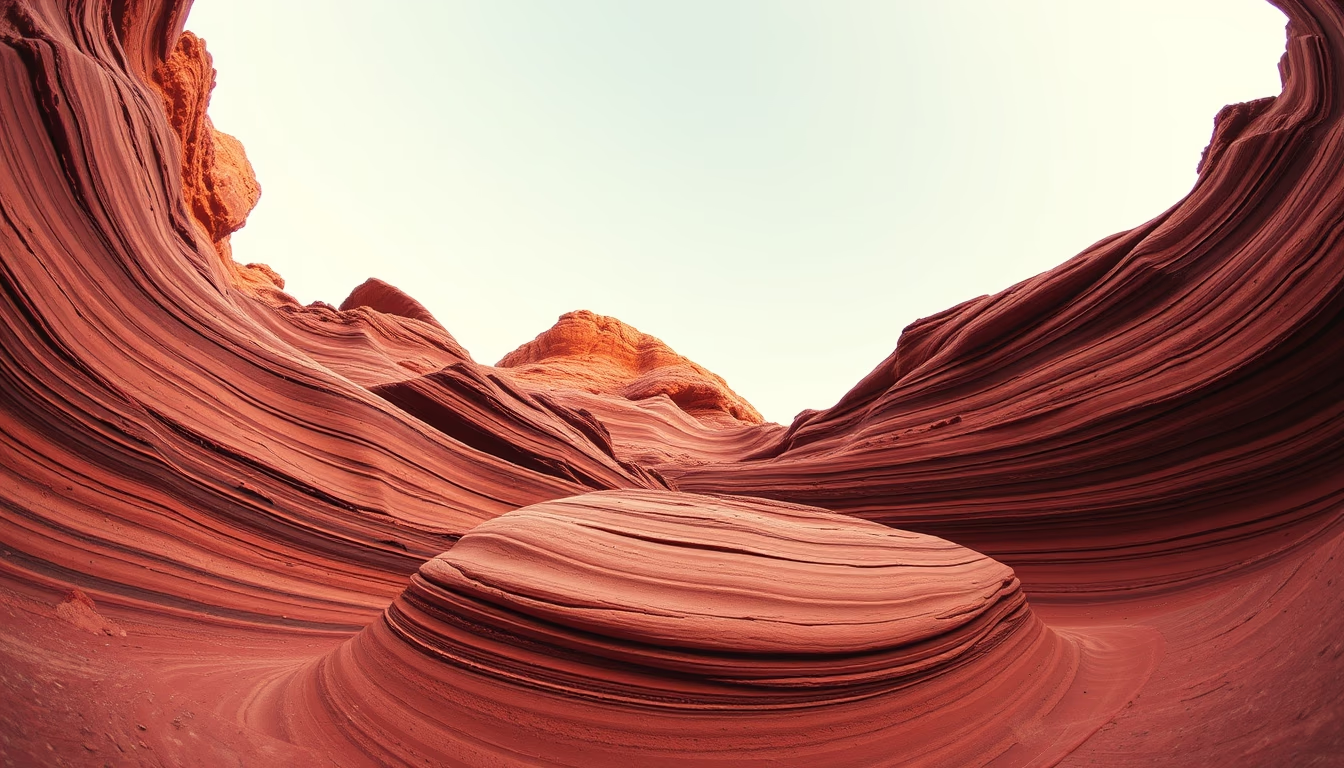
Limestone karst
1344×768 · AVIF · CC BY 4.0
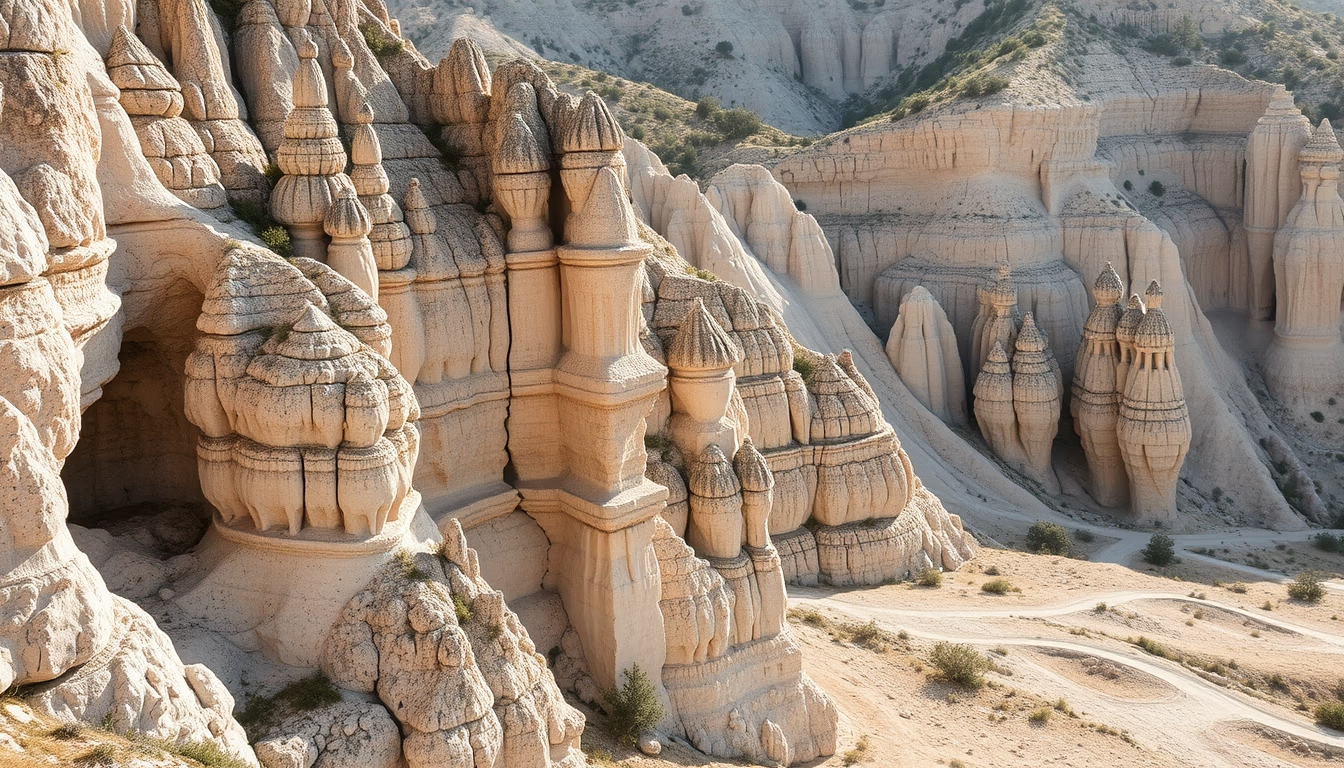
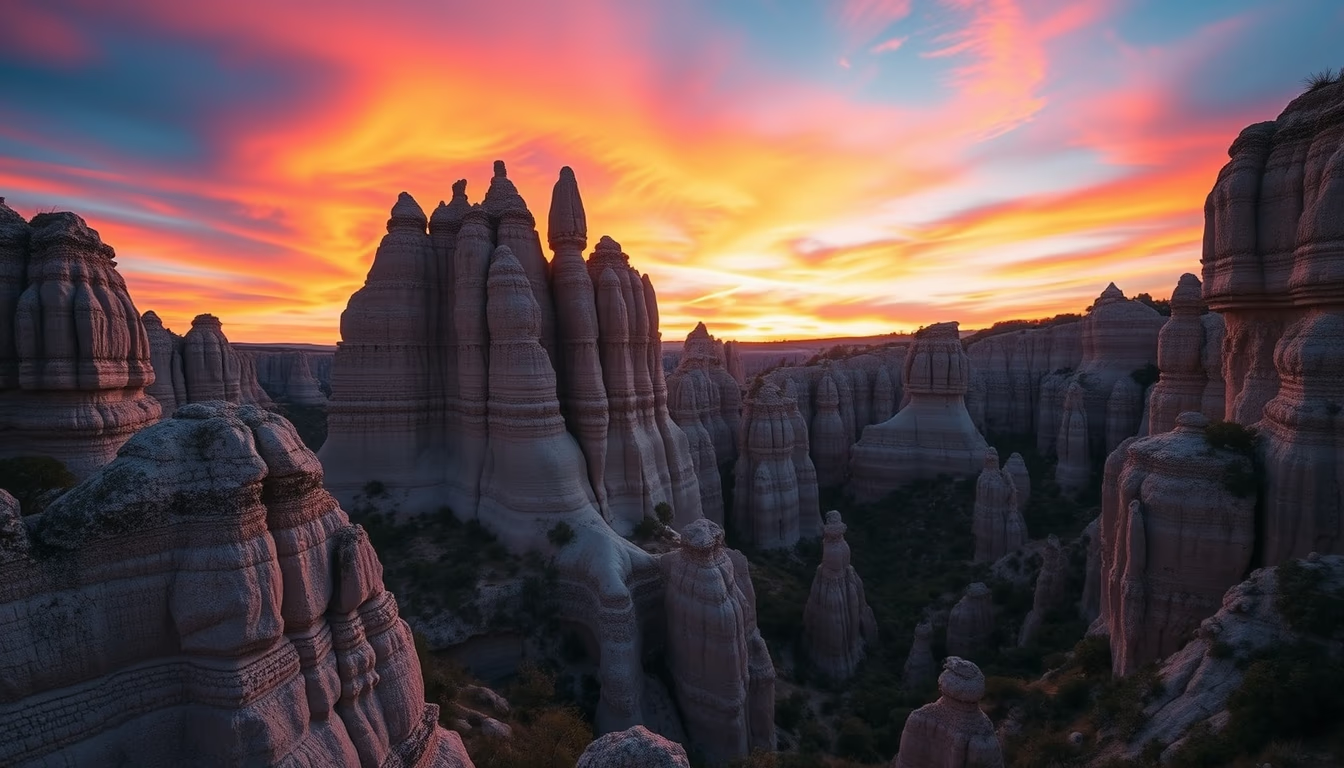
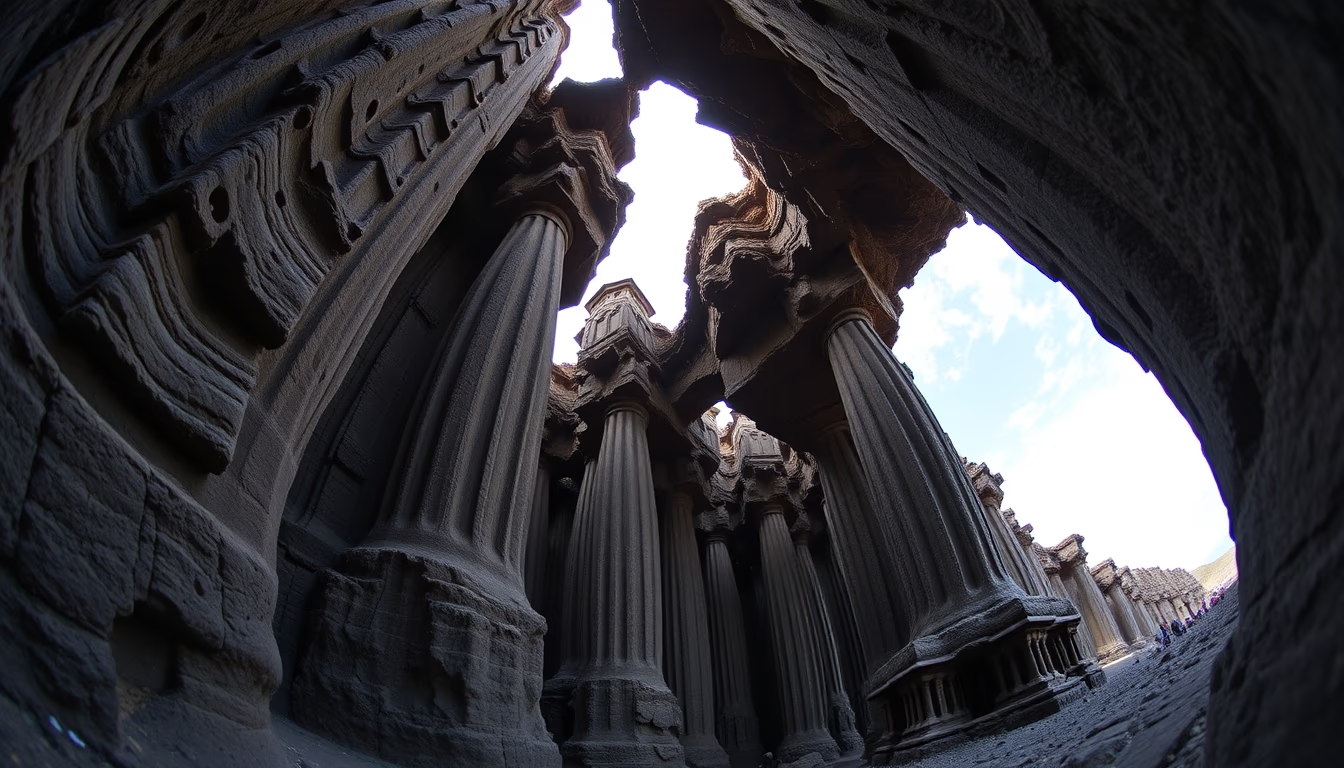
Limestone karst is a landscape shaped by the dissolution of carbonate rocks, creating caves, sinkholes, and unique karst reliefs.
About this subject
Limestone karst is a geological formation resulting from the chemical dissolution of soluble rocks such as limestone and dolomite by slightly acidic water. This process, known as karstification, occurs over thousands of years and produces distinctive features like caves, sinkholes, dolines, and underground rivers. The term "karst" originates from the Kras region in Slovenia, where these landscapes were first systematically studied. Globally, karst areas cover about 10 to 15% of the Earth's land surface, hosting fragile ecosystems and aquifers crucial for drinking water supply. Notable examples in Brazil include the Lagoa Santa region and Peruaçu National Park in Minas Gerais, as well as Chapada Diamantina and the Ribeira Valley. These environments often preserve archaeological sites and fossils because caves offer ideal conditions for organic material conservation. Karst also influences agriculture: soils over limestone tend to be fertile but prone to rapid drought due to underground drainage. Tourist exploration of caves and karst formations is common but requires sustainable management to prevent irreversible damage. The geology of karst is studied to understand landscape evolution, groundwater circulation, and risks of ground collapse.
Frequently Asked Questions
What causes the formation of karst topography?
Karst topography is formed by the chemical dissolution of soluble rocks like limestone and dolomite by slightly acidic rainwater, a process that takes thousands of years and creates caves, sinkholes, and underground rivers.
Where are the main examples of karst landscapes in Brazil?
In Brazil, notable examples include the Lagoa Santa region and Peruaçu National Park in Minas Gerais, Chapada Diamantina in Bahia, and the Ribeira Valley in São Paulo and Paraná.
Why are karst aquifers important?
Karst aquifers store large volumes of groundwater, supplying populations and sustaining ecosystems. However, they are vulnerable to pollution due to rapid infiltration and low filtration capacity.
Direct URL
https://pub-c7d6a6ea828543ac903a74a341ccb2e1.r2.dev/imagens/limestone-karst-documentary-photography-fresh3.avifHow to credit
Include a visible link back to UtilizAí. Copy one of the snippets below:
<a href="https://xn--utiliza-eza.com/en/midia/imagens/limestone-karst-documentary-photography-fresh3">Limestone karst</a> by <a href="https://xn--utiliza-eza.com">UtilizAí</a>, licensed under <a href="https://creativecommons.org/licenses/by/4.0/">CC BY 4.0</a>.
[Limestone karst](https://xn--utiliza-eza.com/en/midia/imagens/limestone-karst-documentary-photography-fresh3) by [UtilizAí](https://xn--utiliza-eza.com), CC BY 4.0
License: CC-BY-4.0