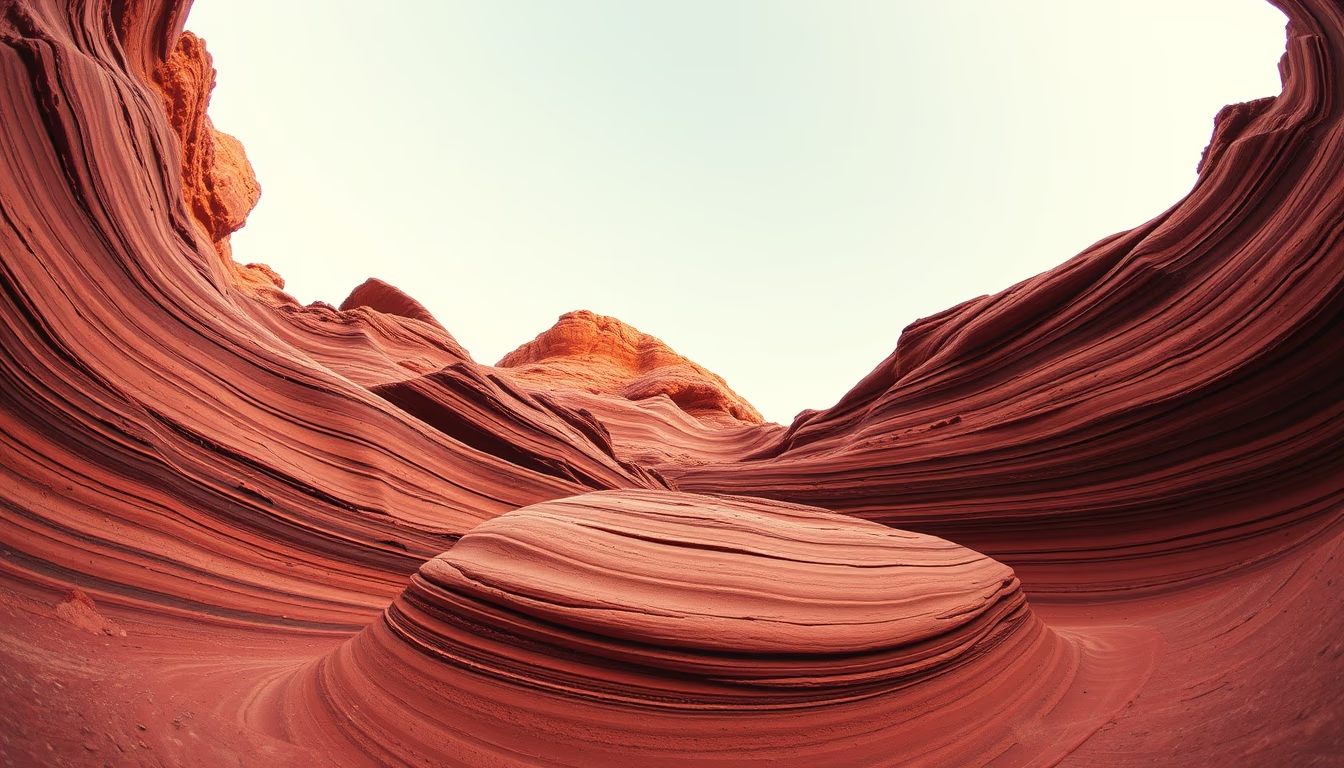
Limestone karst
1344×768 · AVIF · CC BY 4.0
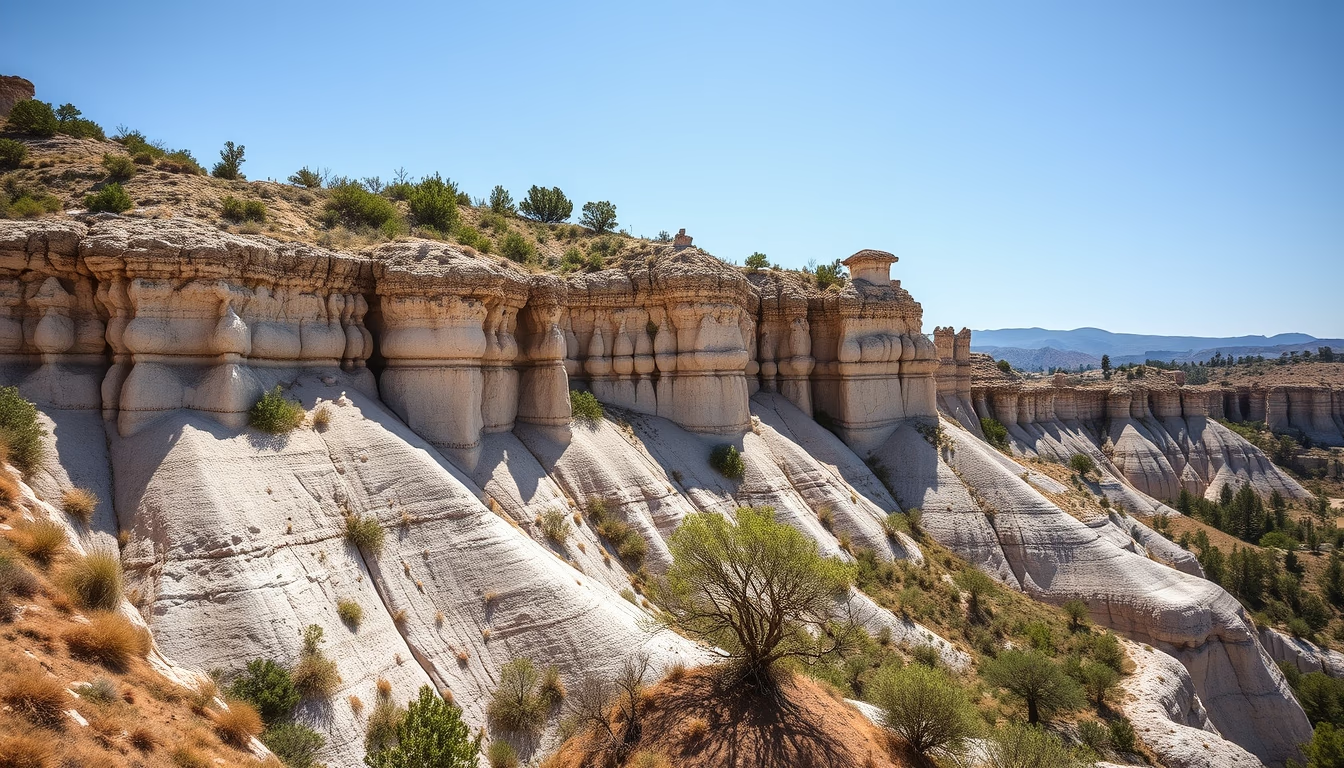
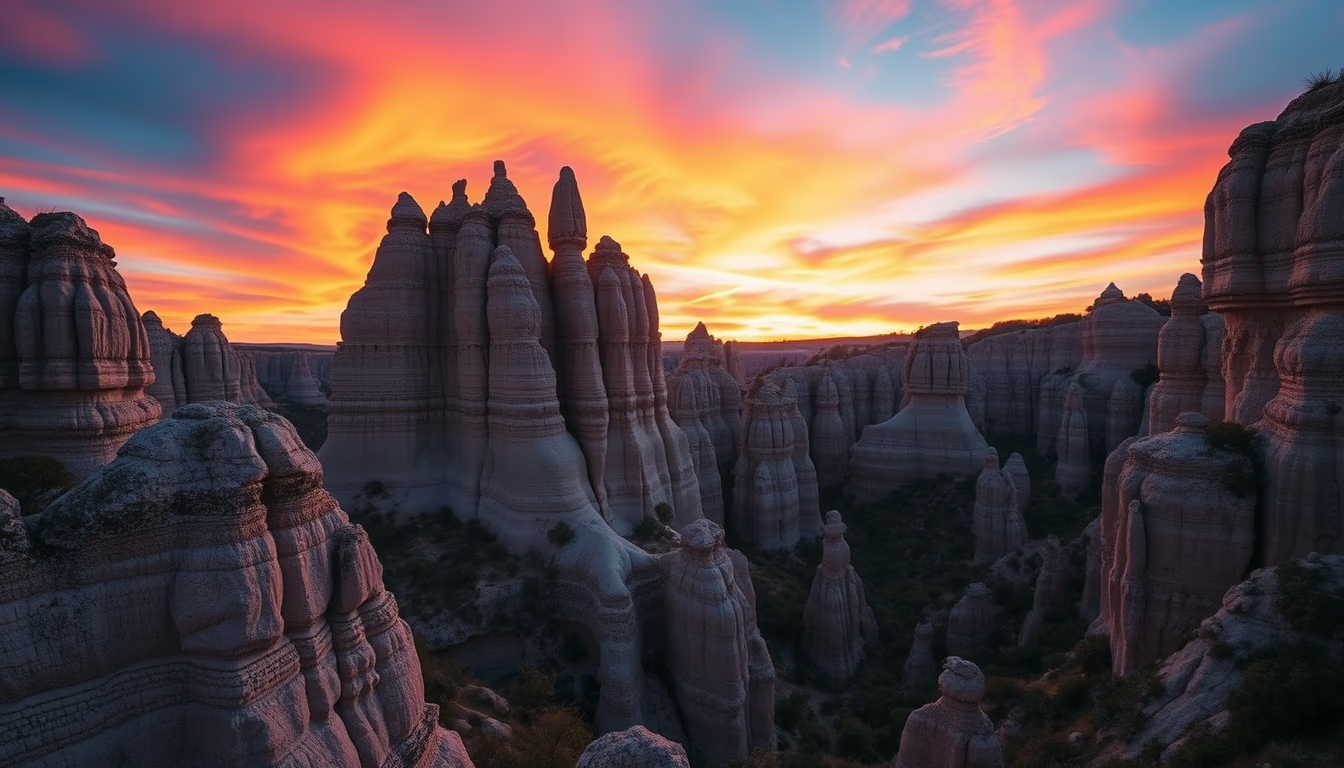
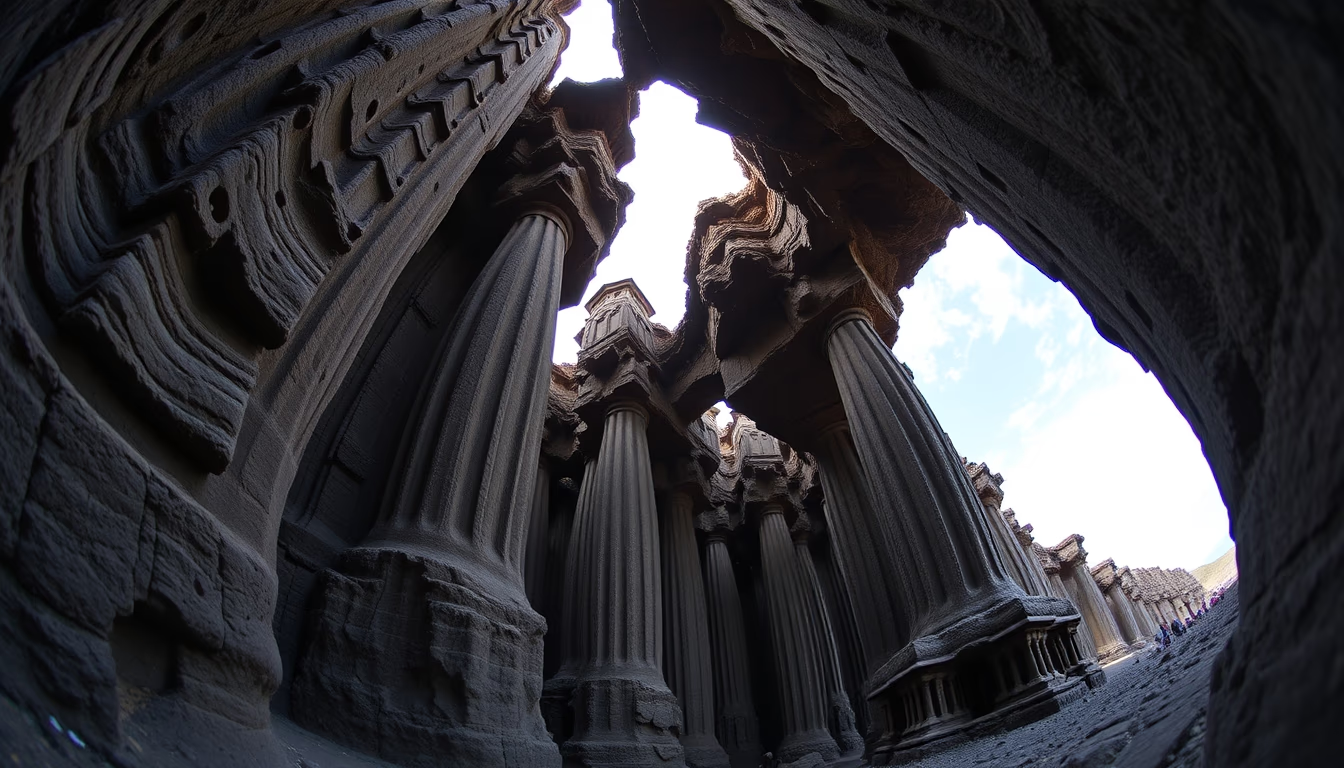
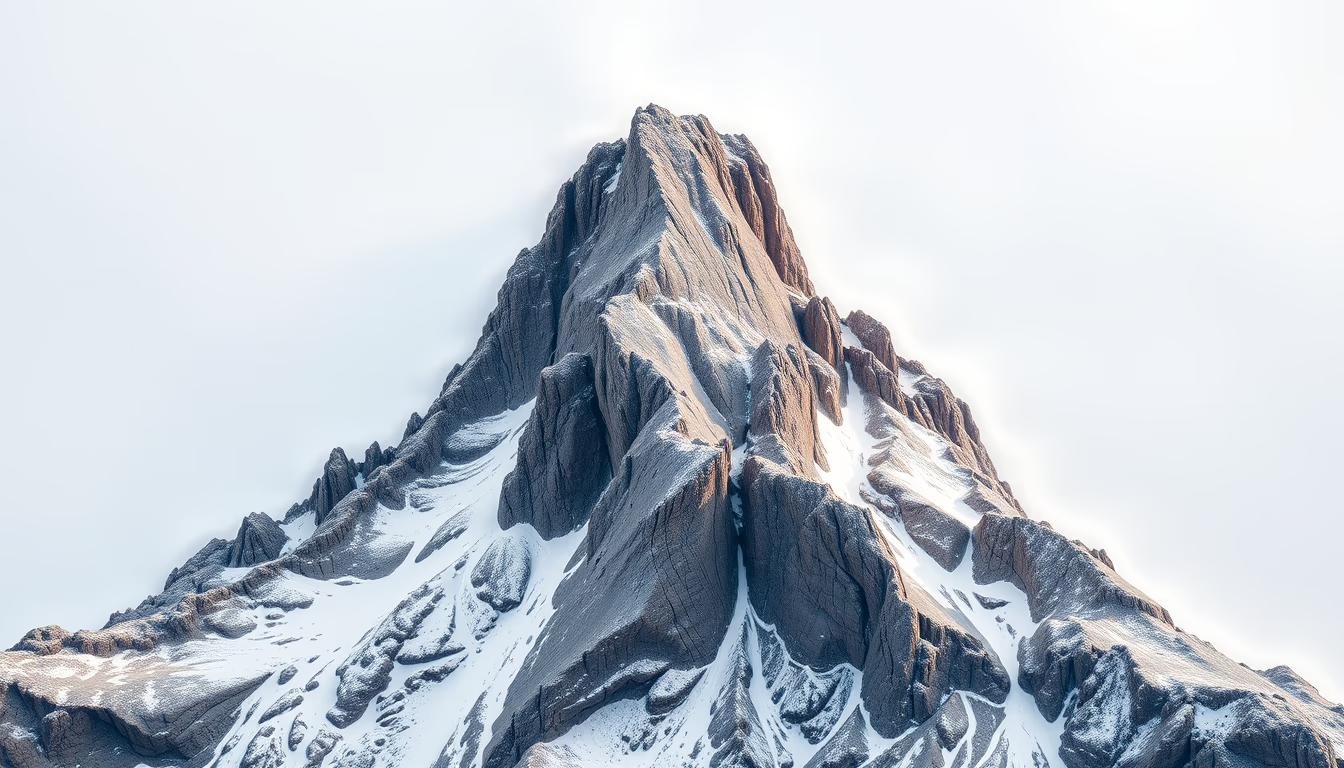
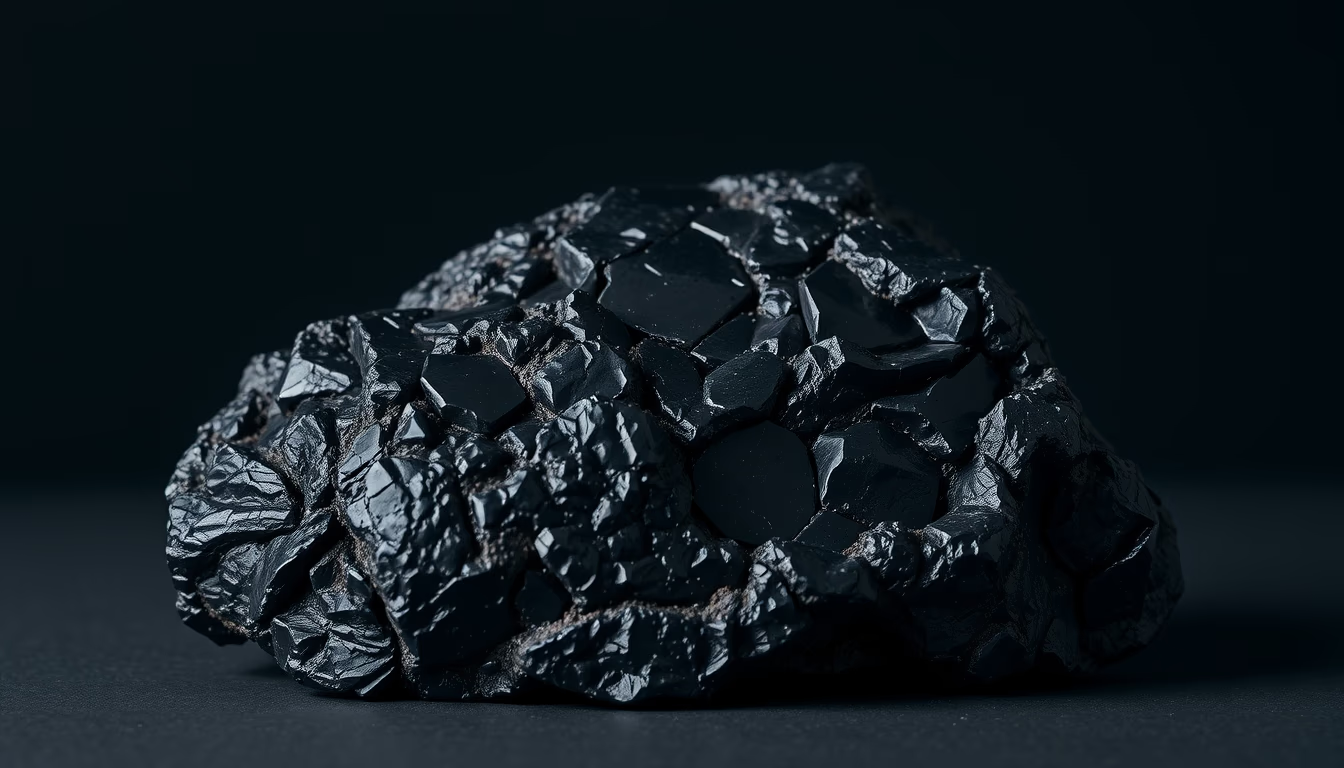
Limestone karst is a landscape formed by the dissolution of carbonate rocks, creating caves, sinkholes, and unique karst reliefs around the world.
About this subject
Limestone karst is a landscape formed by the dissolution of soluble rocks, primarily limestone and dolomite, through slightly acidic water. This process, called karstification, creates features such as caves, sinkholes, underground rivers, and limestone towers. The term "karst" derives from the Kras region in Slovenia, where these landforms are particularly well developed.
Globally, karst covers about 10% of Earth's land surface. Notable examples include the South China Karst, a UNESCO World Heritage site known for its dramatic tower karst and cave systems; Mammoth Cave in the USA, the longest cave system in the world with over 650 km mapped; and Phong Nha-Ke Bang National Park in Vietnam, home to Son Doong cave, the largest cave by volume. Karst landscapes are ecologically vital, harboring endemic species and providing freshwater for millions of people through extensive aquifer systems.
In Brazil, significant karst areas include the Peruaçu Caves National Park in Minas Gerais, which features the largest collection of outdoor rock paintings in the country, and the Gruta do Lago Azul in Bonito, Mato Grosso do Sul, celebrated for its crystal-clear blue lake. The Carajás region in Pará also exhibits karst relief over iron ore deposits. These formations are ecologically rich and support unique biodiversity, but they are vulnerable to pollution, mining, and deforestation.
Karst landscapes also hold great archaeological importance. For example, the Zhoukoudian Cave in China yielded fossils of Peking Man, while the Serra da Capivara in Brazil, a karst area, contains human occupation evidence dating back 50,000 years. Limestone karst thus serves as a repository of both geological history and human cultural heritage, underscoring the need for conservation efforts to protect these fragile and irreplaceable environments.
Frequently Asked Questions
What is limestone karst?
It is a landscape formed by the dissolution of carbonate rocks like limestone and dolomite by water. This process creates caves, sinkholes, and distinctive karst reliefs.
Where can karst formations be found in Brazil?
Notable Brazilian karst areas include Peruaçu Caves National Park (MG), Gruta do Lago Azul (MS), and the Carajás region (PA). Other occurrences exist in Chapada Diamantina (BA) and Serra da Capivara (PI).
Why are caves in karst areas ecologically important?
Caves host unique ecosystems with species adapted to darkness, such as bats and invertebrates. Karst aquifers also supply fresh water to millions of people but are vulnerable to pollution.
Direct URL
https://pub-c7d6a6ea828543ac903a74a341ccb2e1.r2.dev/imagens/limestone-karst-documentary-nature-style-fresh12.avifHow to credit
Include a visible link back to UtilizAí. Copy one of the snippets below:
<a href="https://xn--utiliza-eza.com/en/midia/imagens/limestone-karst-documentary-nature-style-fresh12">Limestone karst</a> by <a href="https://xn--utiliza-eza.com">UtilizAí</a>, licensed under <a href="https://creativecommons.org/licenses/by/4.0/">CC BY 4.0</a>.
[Limestone karst](https://xn--utiliza-eza.com/en/midia/imagens/limestone-karst-documentary-nature-style-fresh12) by [UtilizAí](https://xn--utiliza-eza.com), CC BY 4.0
License: CC-BY-4.0