Lifeboat rescue ocean
1344×768 · AVIF · CC BY 4.0
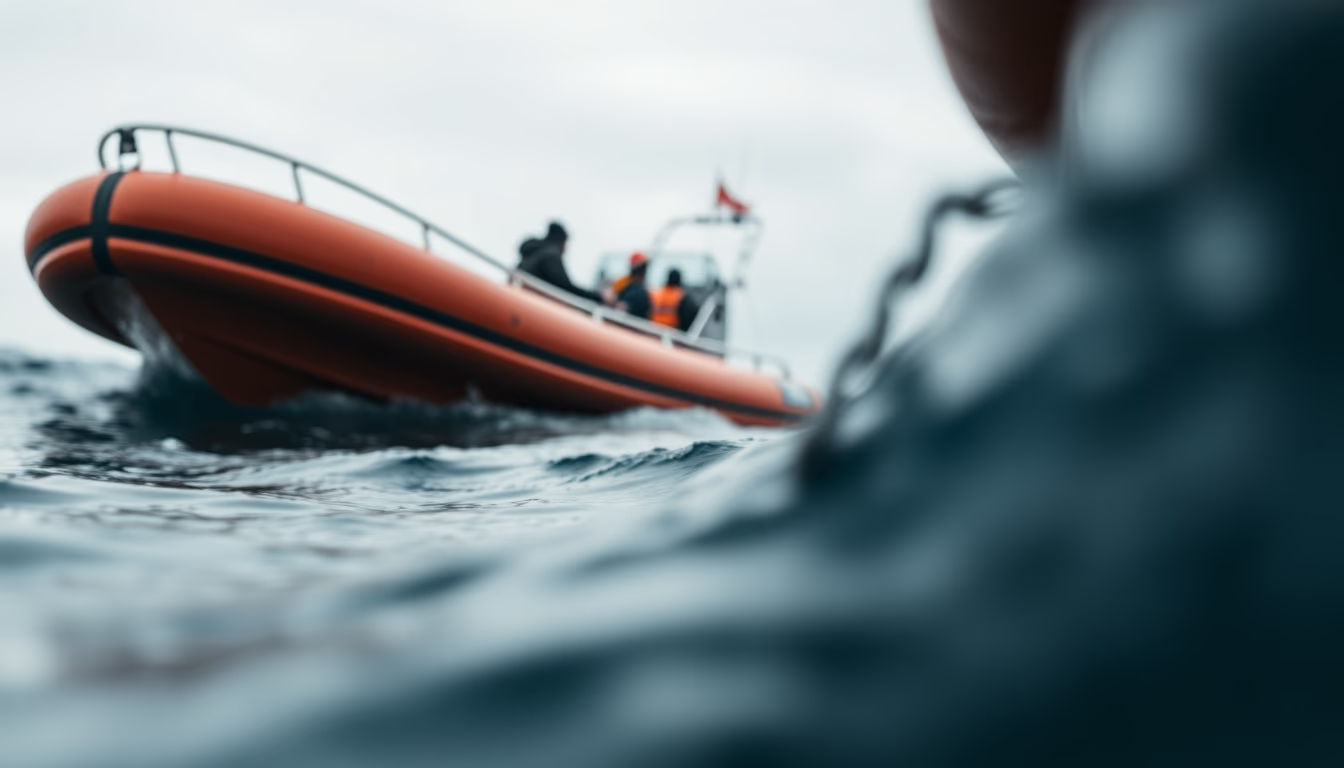
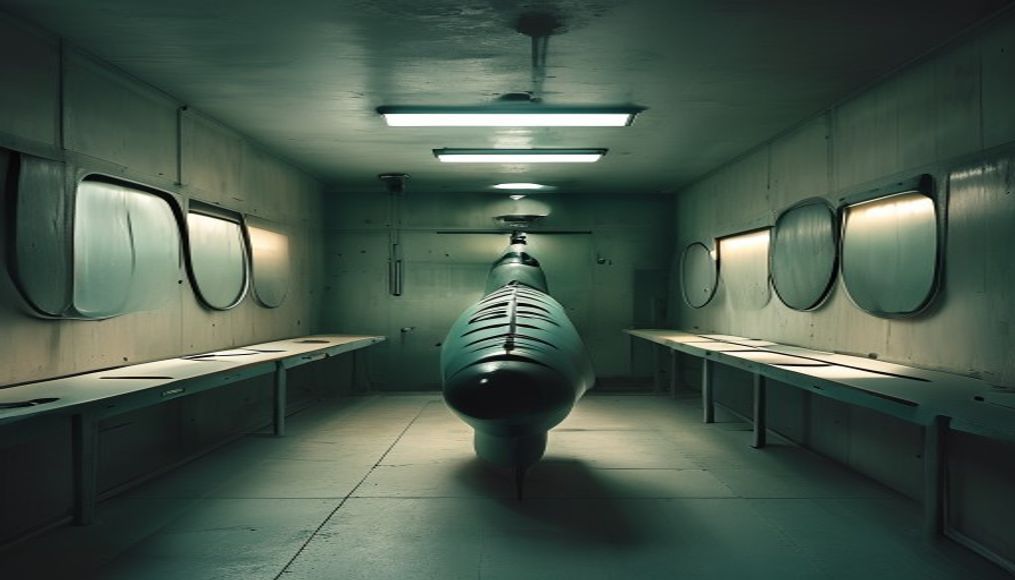
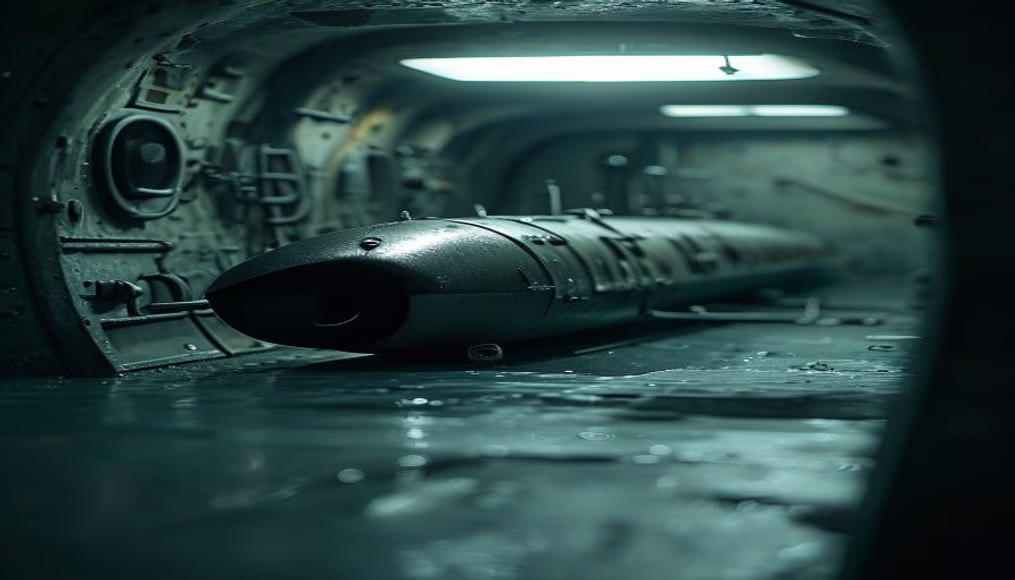
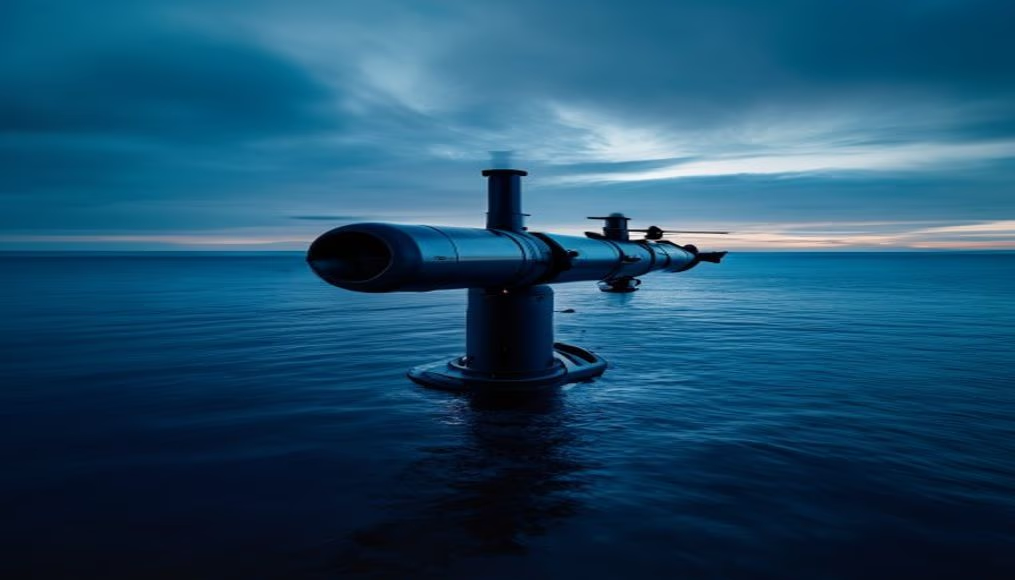
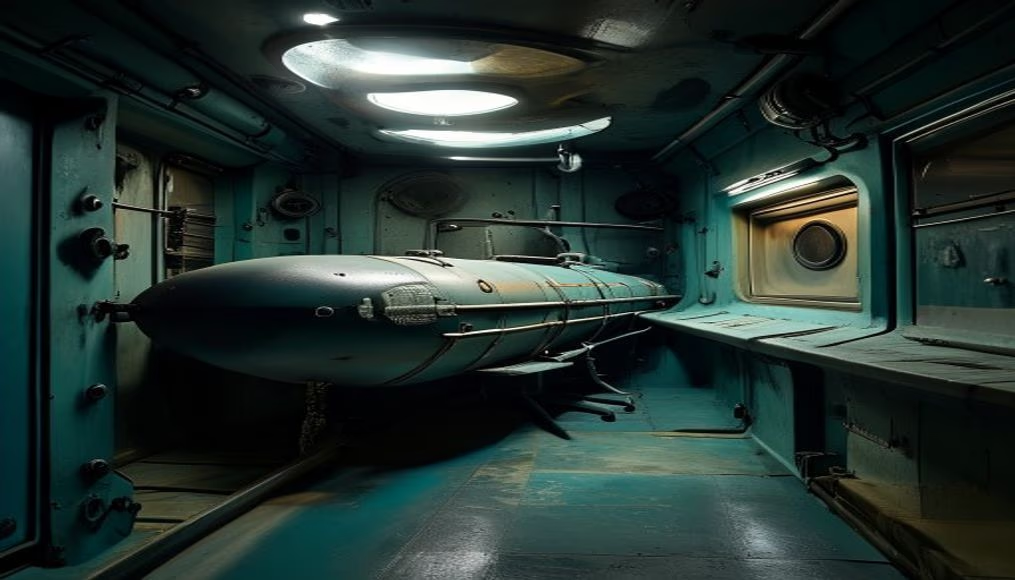
Ocean lifeboat rescues involve sturdy vessels and trained crews operating in extreme conditions, equipped with advanced navigation and communication gear.
About this subject
Ocean lifeboats are designed to operate in the worst weather conditions, with self-righting capabilities and self-bailing systems to prevent sinking. Models like the Tamar and Severn classes, used by the Royal National Lifeboat Institution (RNLI), feature reinforced hulls, powerful engines, and endurance for days at sea. Many are equipped with radar, GPS, VHF radios, and infrared search systems to locate victims even at night or in storms.
Modern maritime rescue history dates back to the 19th century, when the first lifeboat stations were established in Britain. Today, organizations like the RNLI and the US Coast Guard operate specialized vessels that can reach speeds of up to 25 knots. In Brazilian waters, the Brazilian Navy operates rescue launches such as the R-70 class, with a range of 200 nautical miles.
Crew training is intensive: it includes capsize simulations, towing techniques, first aid, and operation in giant waves. During a rescue, the lifeboat carefully approaches the distressed vessel or survivor, using fenders and lines to avoid collisions. Teams are trained to extract people from the water in seconds, using stretchers and special nets.
Interesting fact: modern lifeboats have self-activating systems that inflate automatically upon water contact, ensuring stability even after a capsize. Additionally, many carry survival kits with drinking water, thermal blankets, and flares.
Frequently Asked Questions
How does a lifeboat stay stable in high waves?
Ocean lifeboats have self-righting hulls and self-bailing systems that automatically remove water. The low center of gravity and hull design allow the vessel to return upright even after capsizing.
Who operates lifeboats in ocean rescues?
Typically, organizations such as the Brazilian Navy, fire departments, and volunteer entities like the RNLI (UK) or the US Coast Guard operate these vessels. Crews are trained in advanced rescue techniques.
What safety equipment does a lifeboat carry?
In addition to powerful engines and navigation systems, they carry life rafts, life jackets, rescue stretchers, first aid kits, pyrotechnic flares, radios, radar, and GPS tracking devices.
Direct URL
https://pub-c7d6a6ea828543ac903a74a341ccb2e1.r2.dev/imagens/lifeboat-rescue-ocean-macro-closeup-p4.avifHow to credit
Include a visible link back to UtilizAí. Copy one of the snippets below:
<a href="https://xn--utiliza-eza.com/en/midia/imagens/lifeboat-rescue-ocean-macro-closeup-p4">Lifeboat rescue ocean</a> by <a href="https://xn--utiliza-eza.com">UtilizAí</a>, licensed under <a href="https://creativecommons.org/licenses/by/4.0/">CC BY 4.0</a>.
[Lifeboat rescue ocean](https://xn--utiliza-eza.com/en/midia/imagens/lifeboat-rescue-ocean-macro-closeup-p4) by [UtilizAí](https://xn--utiliza-eza.com), CC BY 4.0
License: CC-BY-4.0