Lifeboat rescue ocean
1344×768 · AVIF · CC BY 4.0
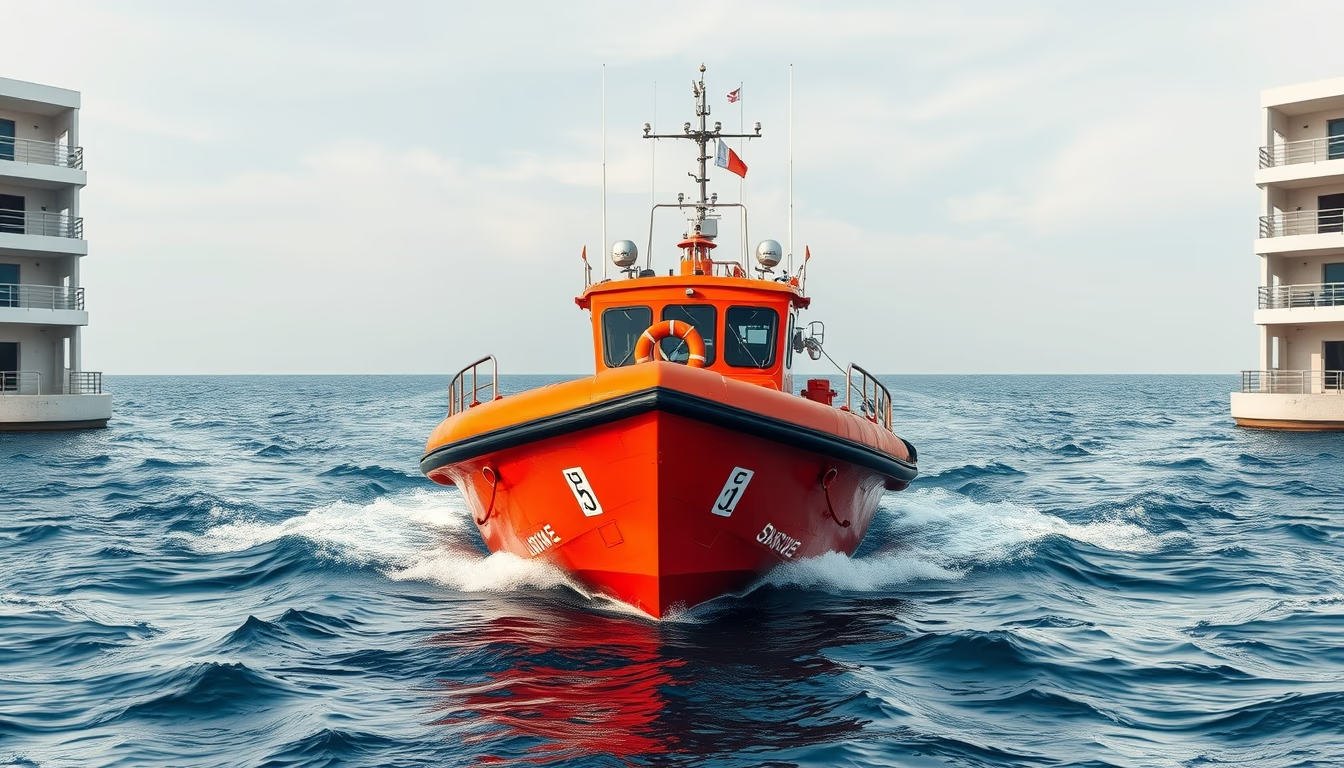
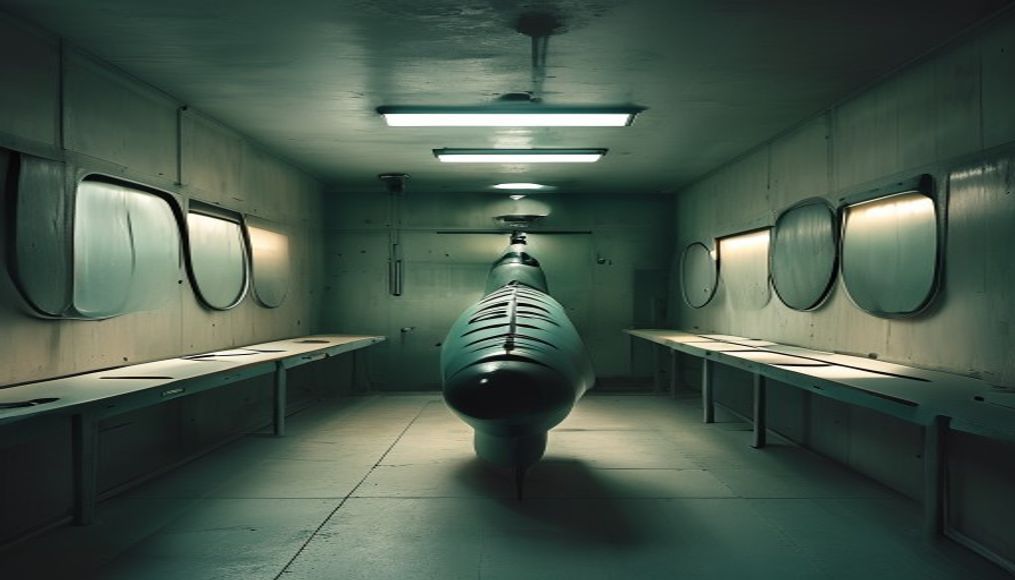
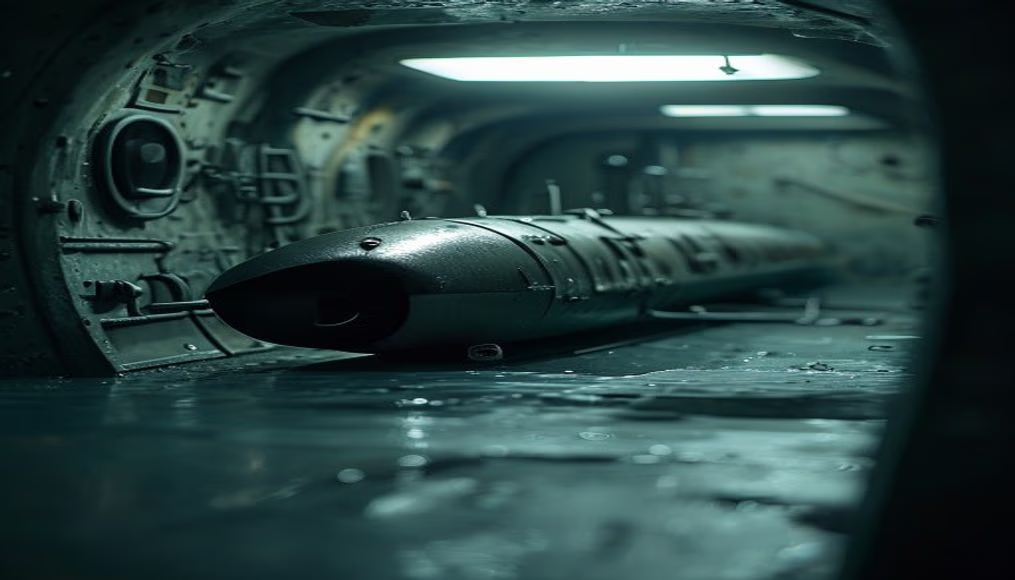
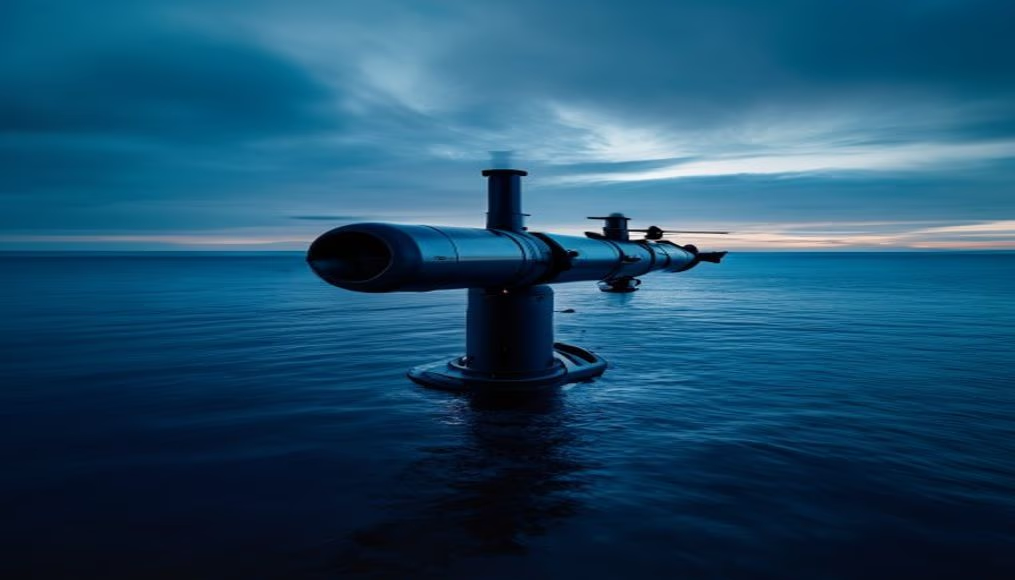
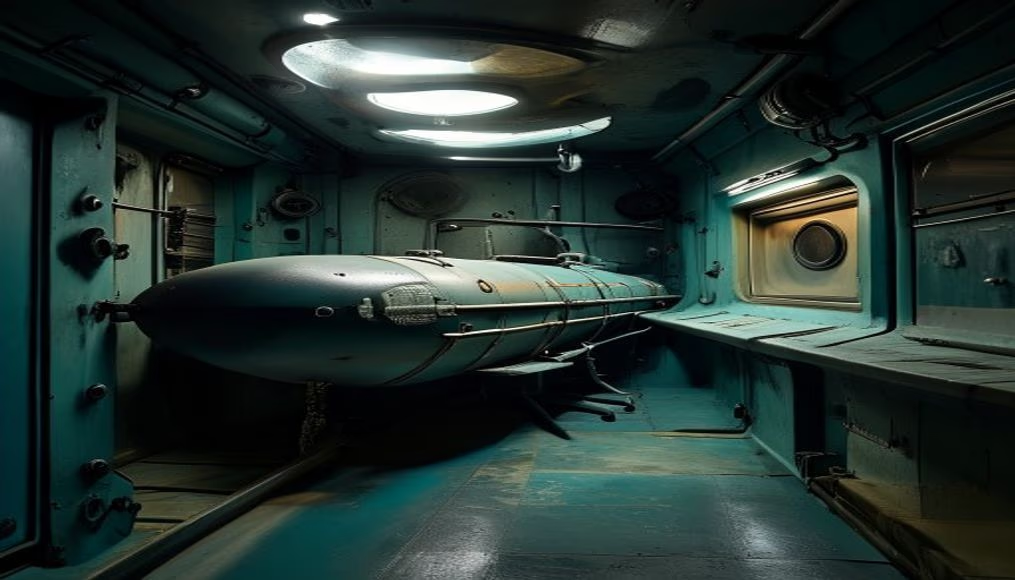
Lifeboat rescues in the ocean are critical operations that save lives in maritime emergencies, involving coordination and specialized equipment.
About this subject
Lifeboats are vessels designed to operate in extreme conditions, such as high waves, strong winds, and rough seas. In the ocean, rescues carried out by these boats are often the last hope for crews of shipwrecked vessels, fishermen in danger, or passengers on adrift boats. The history of lifeboats dates back to the 18th century, when English inventor Lionel Lukin designed the first unsinkable boat adapted for rescue. Since then, organizations like the Royal National Lifeboat Institution (RNLI), founded in 1824 in the United Kingdom, have become global references, performing over 8,000 rescues annually.
Modern lifeboats are equipped with cutting-edge technology, including GPS navigation systems, radar, and thermal cameras to locate survivors even at night or in fog. Self-righting models, such as those used by the RNLI, can return to the correct position after capsizing, ensuring the safety of the rescue crew. Additionally, rigid-hulled inflatable boats (RHIBs) are popular for their speed and stability, allowing quick approach to vessels in distress. Crew training is intensive, with rescue simulations in adverse conditions and first aid techniques.
In Brazil, maritime rescue is coordinated by the Brazilian Navy through the Search and Rescue Service (SAR), which uses lifeboats and helicopters. Data shows that speed of response is critical: after 15 minutes in the water, survival chances drop sharply due to hypothermia. Therefore, lifeboats are strategically positioned at ports and areas of high maritime traffic. International cooperation, such as that promoted by the International Maritime Organization (IMO), establishes standardized protocols for rescue operations worldwide.
Interestingly, early lifeboats were powered by oars and sails, requiring great physical effort from the sailors. Today, powerful engines and hydrodynamic designs allow speeds exceeding 40 knots. Despite advances, the human factor remains the most important element: the courage and skill of volunteers and professionals who risk their lives to save others. Each successful rescue is a testament to naval engineering and human dedication in the face of the ocean's challenges.
Frequently Asked Questions
How do lifeboat rescues work?
Rescues involve the rapid launch of a boat crewed by trained teams, who approach the vessel or people in distress. They use communication, navigation, and rescue equipment, such as lines and buoys, to safely extract victims. Coordination with rescue centers and other vessels is essential.
What are the types of lifeboats?
There are self-righting boats that capsize and return to the correct position; rigid-hulled inflatable boats (RHIBs), fast and stable; and enclosed lifeboats used on oil platforms. Each type is designed for specific conditions, such as rough seas or mass rescues.
Why is training important for ocean rescues?
Training is vital to ensure teams act quickly and accurately under pressure. Rescue simulations, survival techniques, and first aid are regularly practiced. Trained professionals increase success rates and reduce risks for everyone involved.
Direct URL
https://pub-c7d6a6ea828543ac903a74a341ccb2e1.r2.dev/imagens/lifeboat-rescue-ocean-architectural-photography-p12.avifHow to credit
Include a visible link back to UtilizAí. Copy one of the snippets below:
<a href="https://xn--utiliza-eza.com/en/midia/imagens/lifeboat-rescue-ocean-architectural-photography-p12">Lifeboat rescue ocean</a> by <a href="https://xn--utiliza-eza.com">UtilizAí</a>, licensed under <a href="https://creativecommons.org/licenses/by/4.0/">CC BY 4.0</a>.
[Lifeboat rescue ocean](https://xn--utiliza-eza.com/en/midia/imagens/lifeboat-rescue-ocean-architectural-photography-p12) by [UtilizAí](https://xn--utiliza-eza.com), CC BY 4.0
License: CC-BY-4.0