Life magazine wwii
1344×768 · AVIF · CC BY 4.0
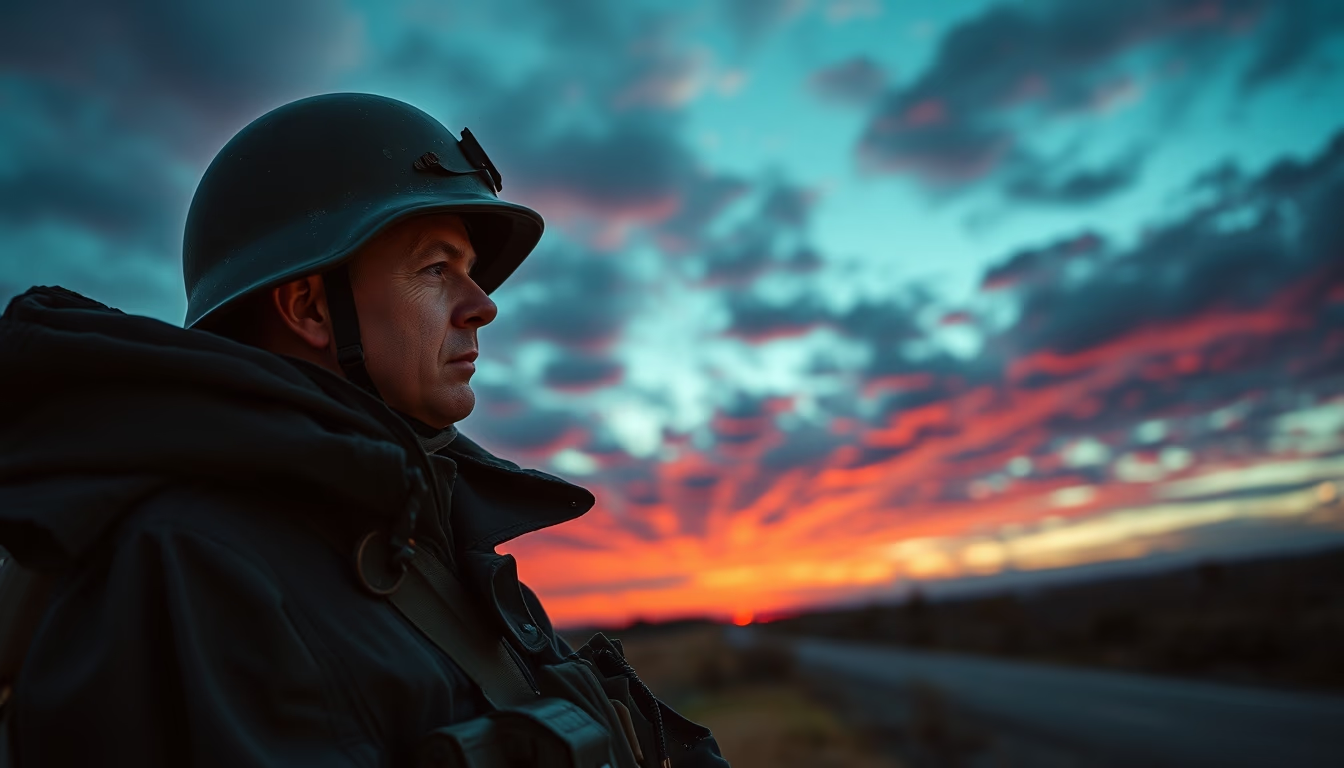
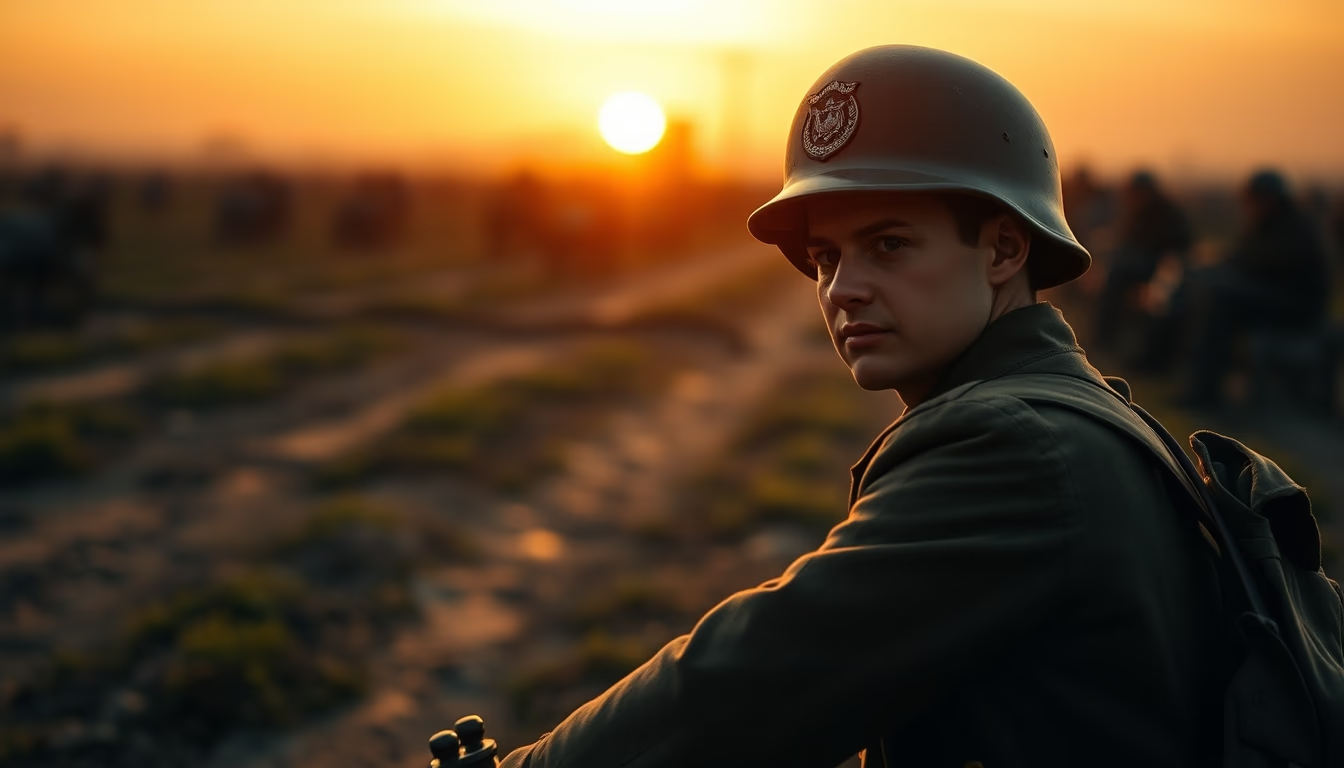
Life magazine during World War II documented the conflict with striking photography, becoming the primary visual source for Americans.
About this subject
Life magazine, founded in 1883 and relaunched in 1936 as a weekly photojournalism magazine, played a central role in covering World War II. Its innovative approach combined large-format photographs with concise text, allowing readers to see the war as never before. By 1940, the magazine had 2.8 million subscribers, a number that grew during the conflict, reflecting the public's hunger for real images from the front.
Life's photographers were among the most renowned of the era, including Margaret Bourke-White, Robert Capa, and Alfred Eisenstaedt. Bourke-White was the first female war correspondent accredited to the Soviet Union and covered the German invasion. Capa documented D-Day on Omaha Beach, and Eisenstaedt captured the iconic kiss in Times Square on V-J Day. These professionals risked their lives to bring images that humanized the conflict, showing both heroism and suffering.
The magazine also published special editions, such as the March 19, 1945 issue featuring the first color photo of the Battle of Iwo Jima. Life was one of the first outlets to widely use color photography, which amplified its impact. Its covers became cultural icons, such as the 1941 issue with the Japanese soldier at Pearl Harbor or the 1945 issue with the American flag being raised on Iwo Jima (photo by Joe Rosenthal, also published by Life).
After the war, Life's influence continued, but the rise of television and other magazines reduced its dominance. In 1972, the magazine ceased weekly publication, but its documentary legacy of World War II remains a historical reference, with digitized collections available in libraries and archives.
Frequently Asked Questions
What made Life magazine so influential during World War II?
Life pioneered photojournalism, combining powerful images with concise text. Its ability to bring front-line photographs to millions of American homes weekly shaped public perception of the war, fostering support and awareness.
Who were the most famous Life photographers during the war?
Margaret Bourke-White, Robert Capa, and Alfred Eisenstaedt were among the most notable. Bourke-White covered the Soviet invasion, Capa photographed D-Day, and Eisenstaedt captured the V-J Day kiss in Times Square.
Did Life magazine publish color photographs during the war?
Yes, Life was one of the first magazines to widely use color photography. The March 19, 1945 issue featured the first color photo of the Battle of Iwo Jima, marking a technical and journalistic milestone.
Direct URL
https://pub-c7d6a6ea828543ac903a74a341ccb2e1.r2.dev/imagens/life-magazine-wwii-long-exposure-fresh12.avifHow to credit
Include a visible link back to UtilizAí. Copy one of the snippets below:
<a href="https://xn--utiliza-eza.com/en/midia/imagens/life-magazine-wwii-long-exposure-fresh12">Life magazine wwii</a> by <a href="https://xn--utiliza-eza.com">UtilizAí</a>, licensed under <a href="https://creativecommons.org/licenses/by/4.0/">CC BY 4.0</a>.
[Life magazine wwii](https://xn--utiliza-eza.com/en/midia/imagens/life-magazine-wwii-long-exposure-fresh12) by [UtilizAí](https://xn--utiliza-eza.com), CC BY 4.0
License: CC-BY-4.0