Life magazine wwii
1344×768 · AVIF · CC BY 4.0
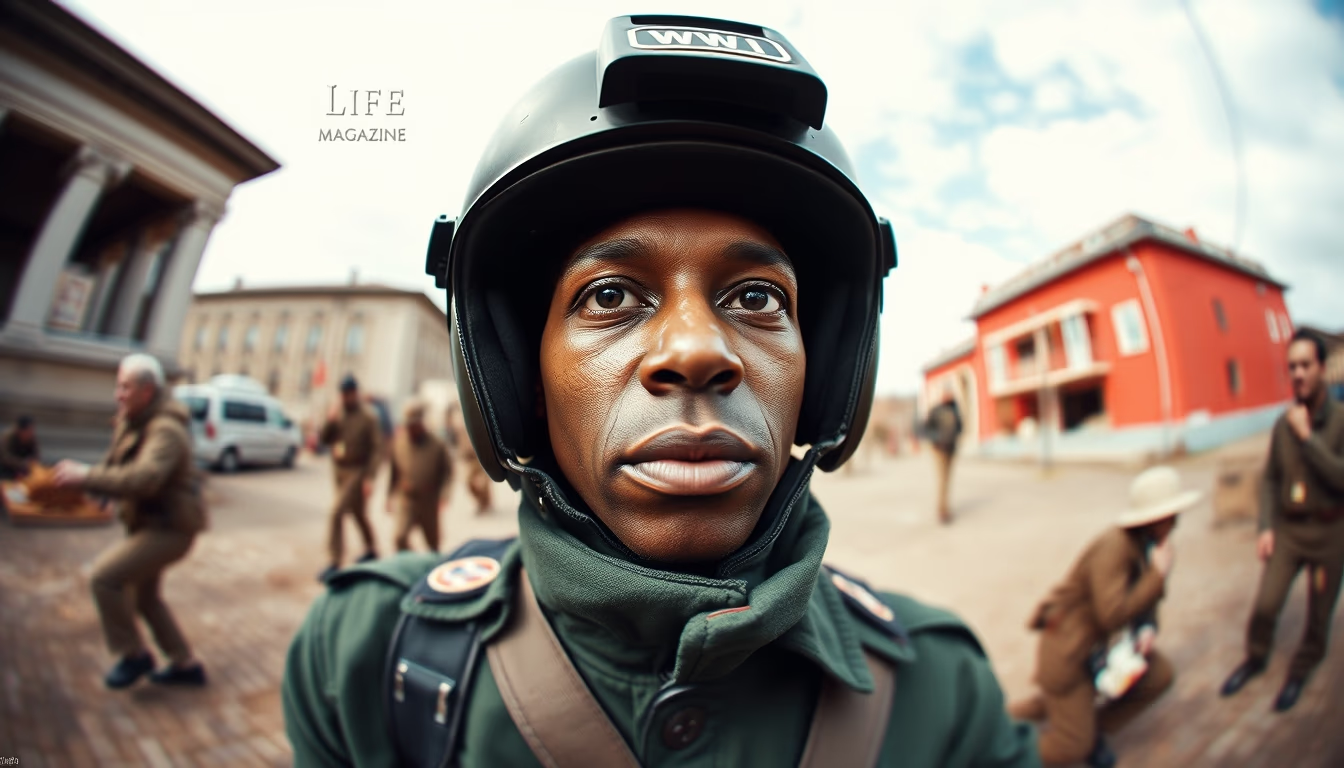
Life magazine's WWII edition brought impactful images to the American public, revolutionizing photojournalism.
About this subject
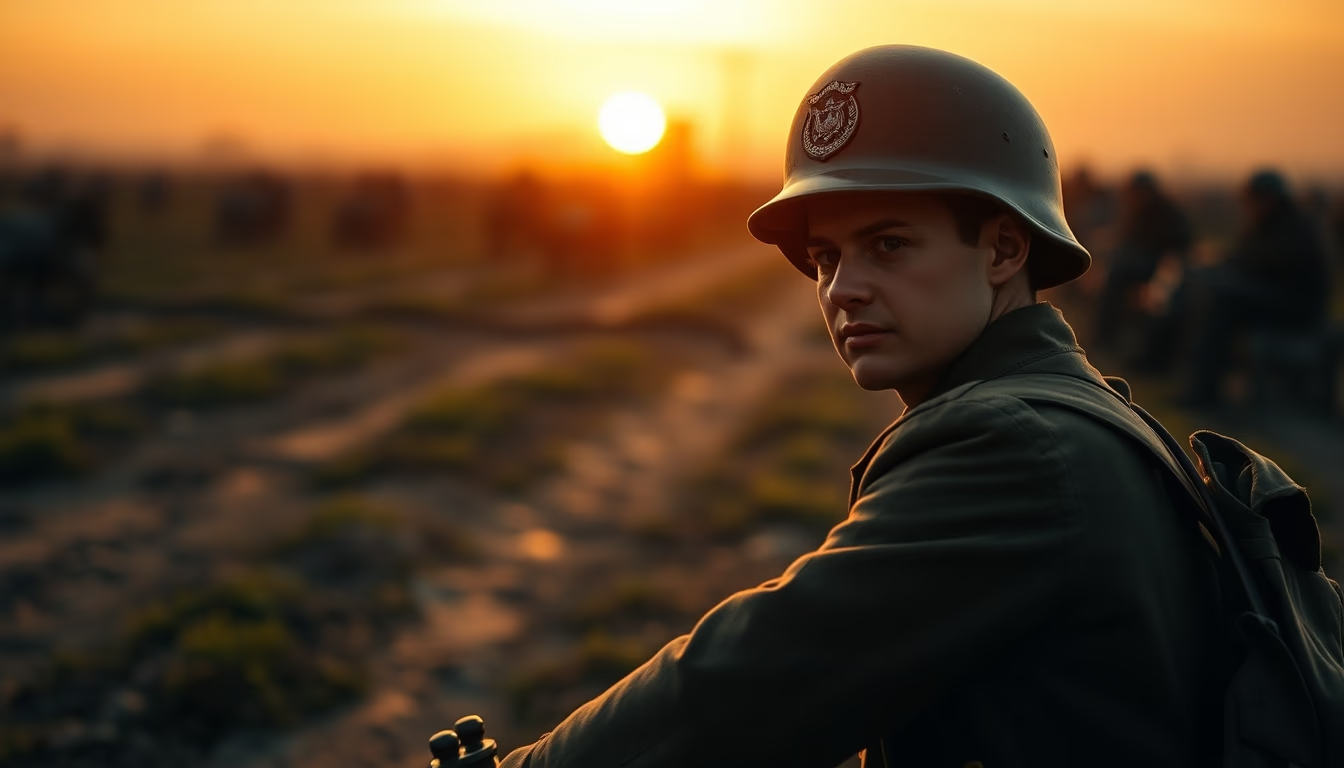
Founded by Henry Luce in 1936, Life magazine quickly became a cornerstone of American photojournalism. During World War II, its visual coverage was instrumental in shaping the perception of the conflict among civilians in the United States. The magazine sent war correspondents and renowned photographers like Robert Capa, Margaret Bourke-White, and W. Eugene Smith to capture battlefronts in Europe, the Pacific, and North Africa. Capa's iconic photo 'The Falling Soldier', though controversial, was published by Life and became a symbol of war's horrors. Margaret Bourke-White was the first female war correspondent accredited and made striking images of the Siege of Moscow and the liberation of Buchenwald.
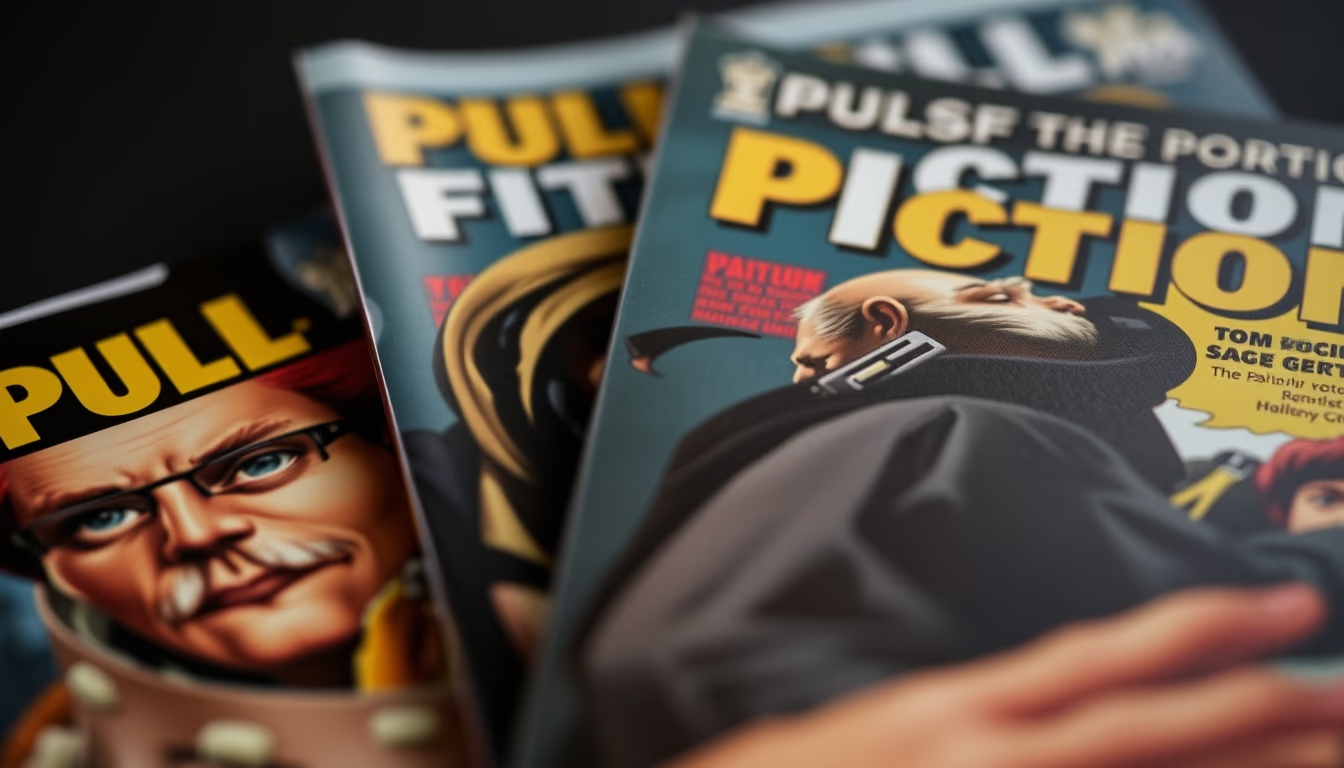
Life not only documented combat but also portrayed life on the front, domestic efforts, and daily experiences of soldiers and civilians. Its special editions, such as 'Life's Picture History of World War II', reached million-plus circulations; by 1943, weekly circulation exceeded 4 million copies. The magazine used high-quality paper to reproduce large-format photographs, allowing readers to cut and collect them, a common practice at the time.
Life's WWII coverage cemented photojournalism as a narrative medium. Though the famous photo 'Raising the Flag on Iwo Jima' was by Joe Rosenthal (Associated Press), Life published equally emblematic images, such as W. Eugene Smith's series on the Pacific war. The magazine maintained an archive of over 4 million photographs, now managed by the LIFE Picture Collection foundation. Life's wartime legacy influenced generations of photographers and set ethical and aesthetic standards in visual journalism.
Frequently Asked Questions
What was Life magazine's role in WWII?
Life acted as a leading photojournalism outlet, sending photographers to document the conflict. Its images influenced American public opinion and recorded historical moments.
Which famous photographers worked for Life during the war?
Key photographers included Robert Capa, Margaret Bourke-White, W. Eugene Smith, Alfred Eisenstaedt, and Carl Mydans. They covered everything from combat to civilian life.
Which WWII photograph published by Life is considered most iconic?
Robert Capa's 'The Falling Soldier', taken during the Spanish Civil War but often associated with Life, is among the most iconic. However, Life also published images like Alfred Eisenstaedt's V-J Day kiss in Times Square.
Direct URL
https://pub-c7d6a6ea828543ac903a74a341ccb2e1.r2.dev/imagens/life-magazine-wwii-fish-eye-wide-angle-fresh14.avifHow to credit
Include a visible link back to UtilizAí. Copy one of the snippets below:
<a href="https://xn--utiliza-eza.com/en/midia/imagens/life-magazine-wwii-fish-eye-wide-angle-fresh14">Life magazine wwii</a> by <a href="https://xn--utiliza-eza.com">UtilizAí</a>, licensed under <a href="https://creativecommons.org/licenses/by/4.0/">CC BY 4.0</a>.
[Life magazine wwii](https://xn--utiliza-eza.com/en/midia/imagens/life-magazine-wwii-fish-eye-wide-angle-fresh14) by [UtilizAí](https://xn--utiliza-eza.com), CC BY 4.0
License: CC-BY-4.0