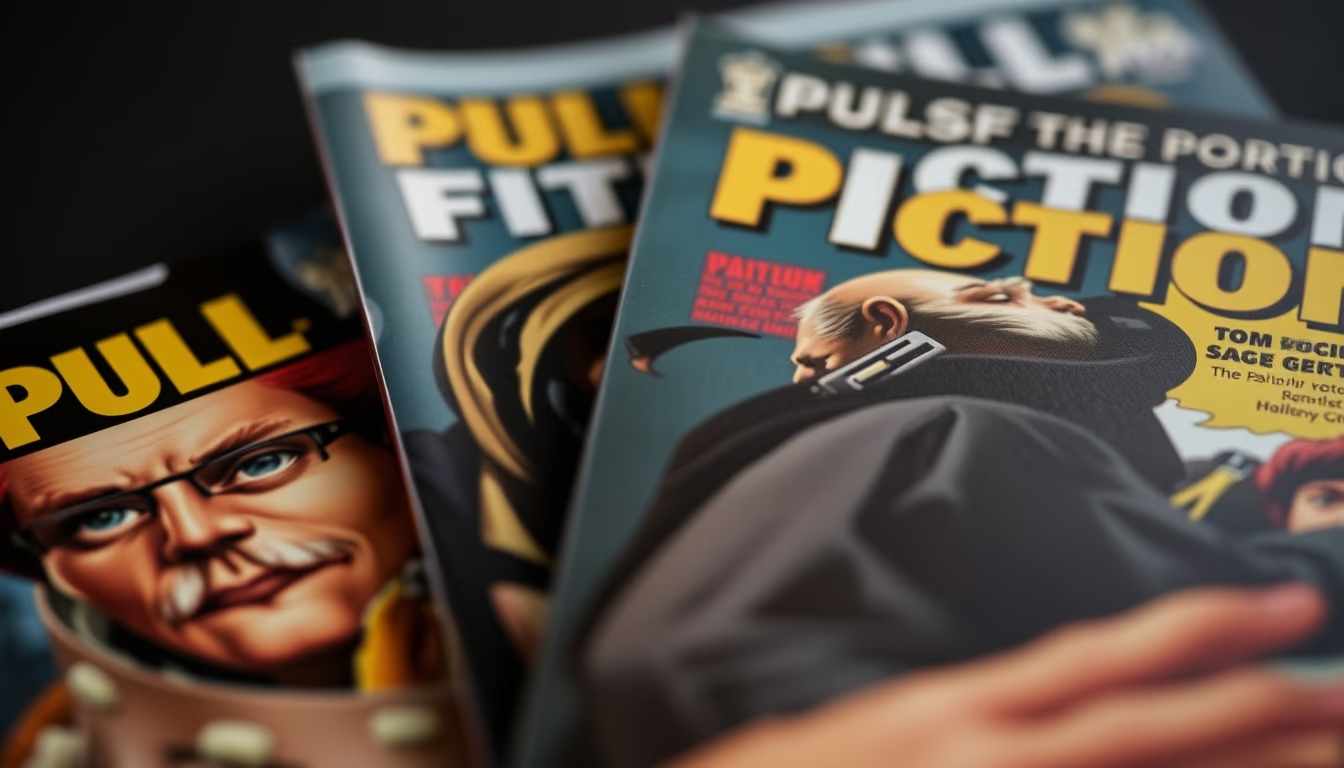
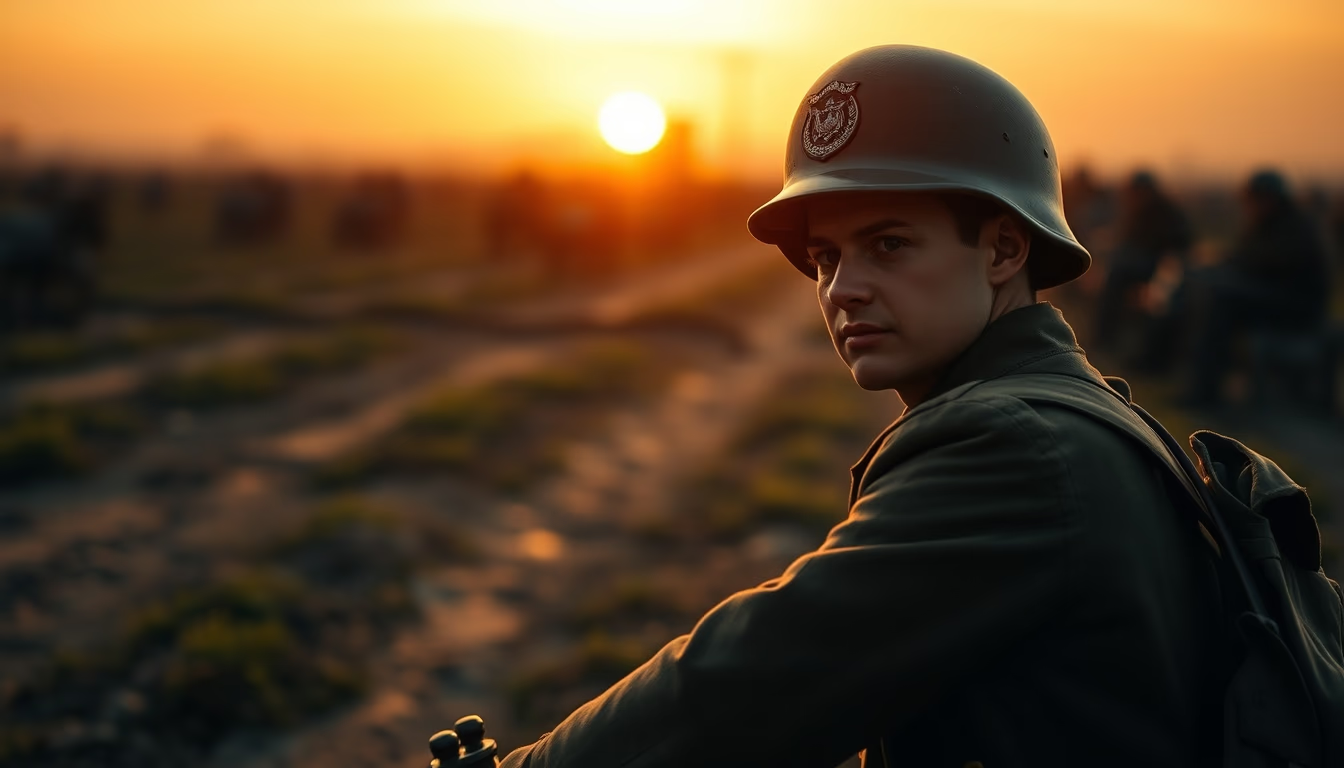
Life magazine wwii
1344×768 · AVIF · CC BY 4.0
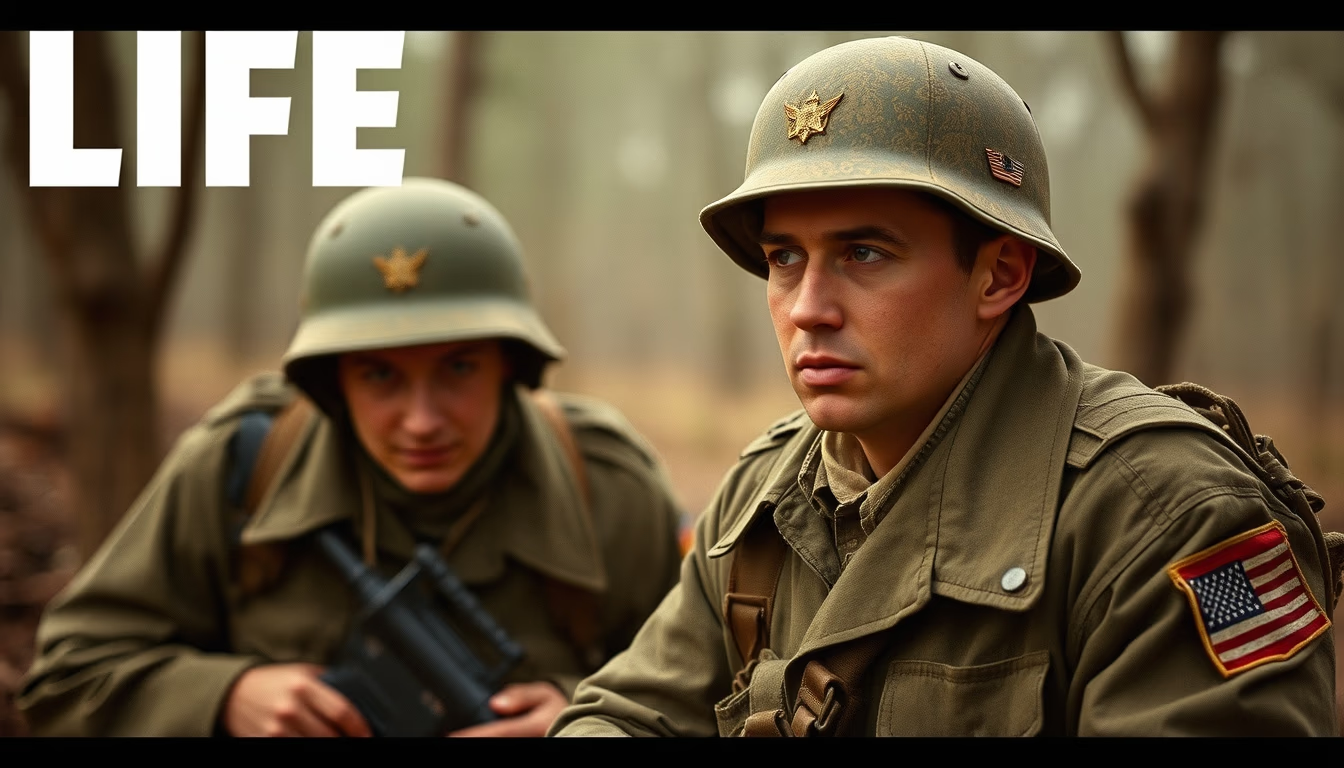
Life magazine was the leading photojournalism publication in the US during World War II, documenting the conflict with iconic images and in-depth reporting.
About this subject
Founded in 1883 as a humor magazine, Life was relaunched in 1936 by publisher Henry Luce as a photojournalism publication. During World War II, Life became the primary visual news source for Americans, publishing photographs of battles, soldiers' daily lives, and the war's impact on Allied and Axis nations. The magazine employed renowned war photographers such as Robert Capa, Margaret Bourke-White, and W. Eugene Smith, whose work captured decisive moments from the D-Day landings to the liberation of concentration camps.
With weekly circulations reaching millions, Life shaped public perception of the war. Its covers, often featuring soldiers, flags, or scenes of devastation, became symbols of the American war effort. Beyond combat imagery, the magazine dedicated space to women on the home front, the war industry, and human stories of refugees and prisoners of war. The Life photographic archive, now managed by Getty Images, preserves about 20 million negatives from the period.
A notable example was the D-Day coverage: four Life photographers, Robert Capa, David E. Scherman, George Rodger, and Larry Burrows, accompanied the Normandy landings, producing grainy, emotional images. Capa, who was on Omaha Beach, lost most of his negatives in a developing accident, but the few surviving images, known as "The Magnificent Eleven," became war icons. Life also highlighted life on the battlefields of Europe and the Pacific, including coverage of the Italian front and the Pacific war against Japan.
Life magazine's legacy in World War II extends beyond journalism: its photographs helped establish ethical and aesthetic standards for conflict photojournalism. The magazine ceased its weekly edition in 1972 but continues to publish special issues and maintains its digital archive, a reference for historians and enthusiasts. For many, Life's images are the visual memory of World War II.
Frequently Asked Questions
What was the importance of Life magazine during World War II?
Life was the leading US photojournalism magazine, bringing war images to the American public and shaping perception of the conflict. Its iconic photographs and reports humanized the war, documenting both the front and home front.
Which famous photographers worked for Life during the war?
Robert Capa, Margaret Bourke-White, W. Eugene Smith, David E. Scherman, George Rodger, and Larry Burrows were among the most notable. They covered events like D-Day, the liberation of Paris, and concentration camps.
Is the Life magazine archive still available?
Yes, the Life photographic archive, containing millions of images, is maintained by Getty Images. Many photos are digitized and accessible online, used for educational, editorial, and historical purposes.
Direct URL
https://pub-c7d6a6ea828543ac903a74a341ccb2e1.r2.dev/imagens/life-magazine-wwii-film-grain-authentic-fresh9.avifHow to credit
Include a visible link back to UtilizAí. Copy one of the snippets below:
<a href="https://xn--utiliza-eza.com/en/midia/imagens/life-magazine-wwii-film-grain-authentic-fresh9">Life magazine wwii</a> by <a href="https://xn--utiliza-eza.com">UtilizAí</a>, licensed under <a href="https://creativecommons.org/licenses/by/4.0/">CC BY 4.0</a>.
[Life magazine wwii](https://xn--utiliza-eza.com/en/midia/imagens/life-magazine-wwii-film-grain-authentic-fresh9) by [UtilizAí](https://xn--utiliza-eza.com), CC BY 4.0
License: CC-BY-4.0