Life magazine wwii
1344×768 · AVIF · CC BY 4.0
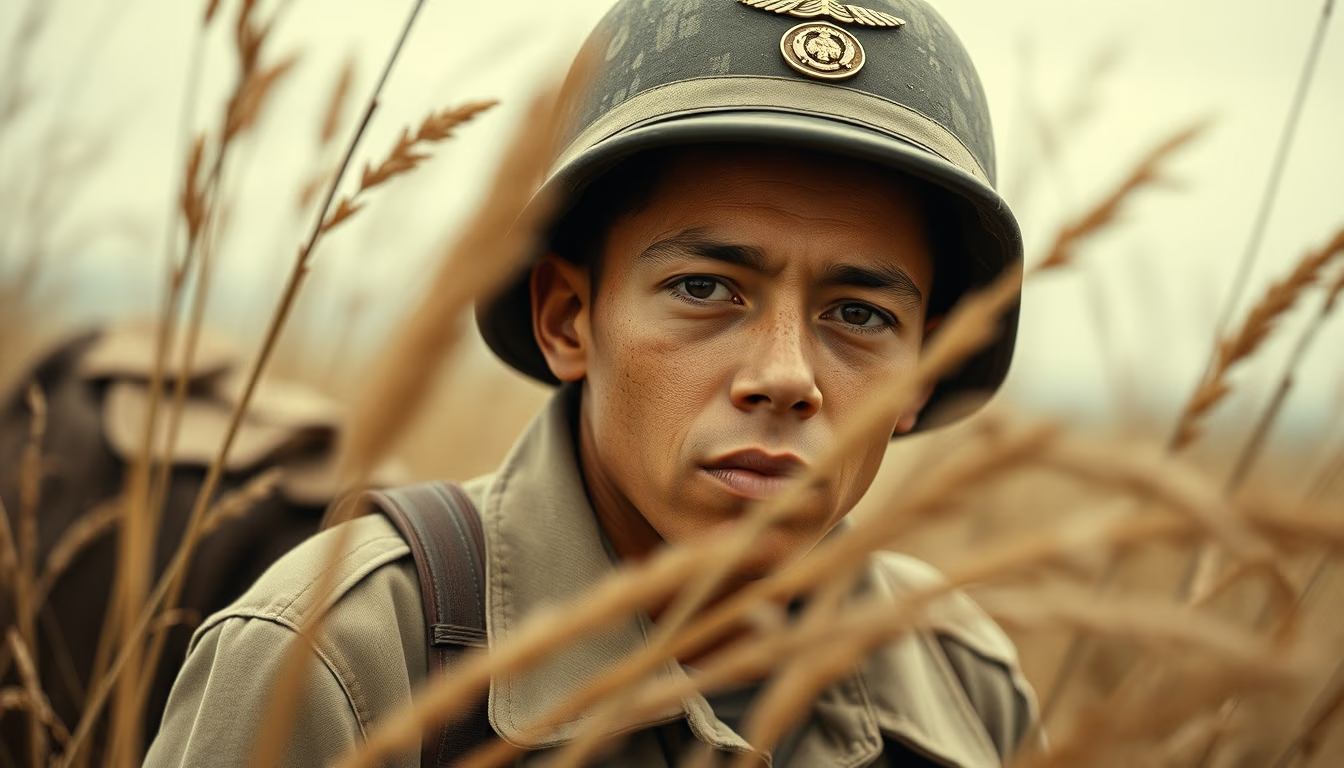
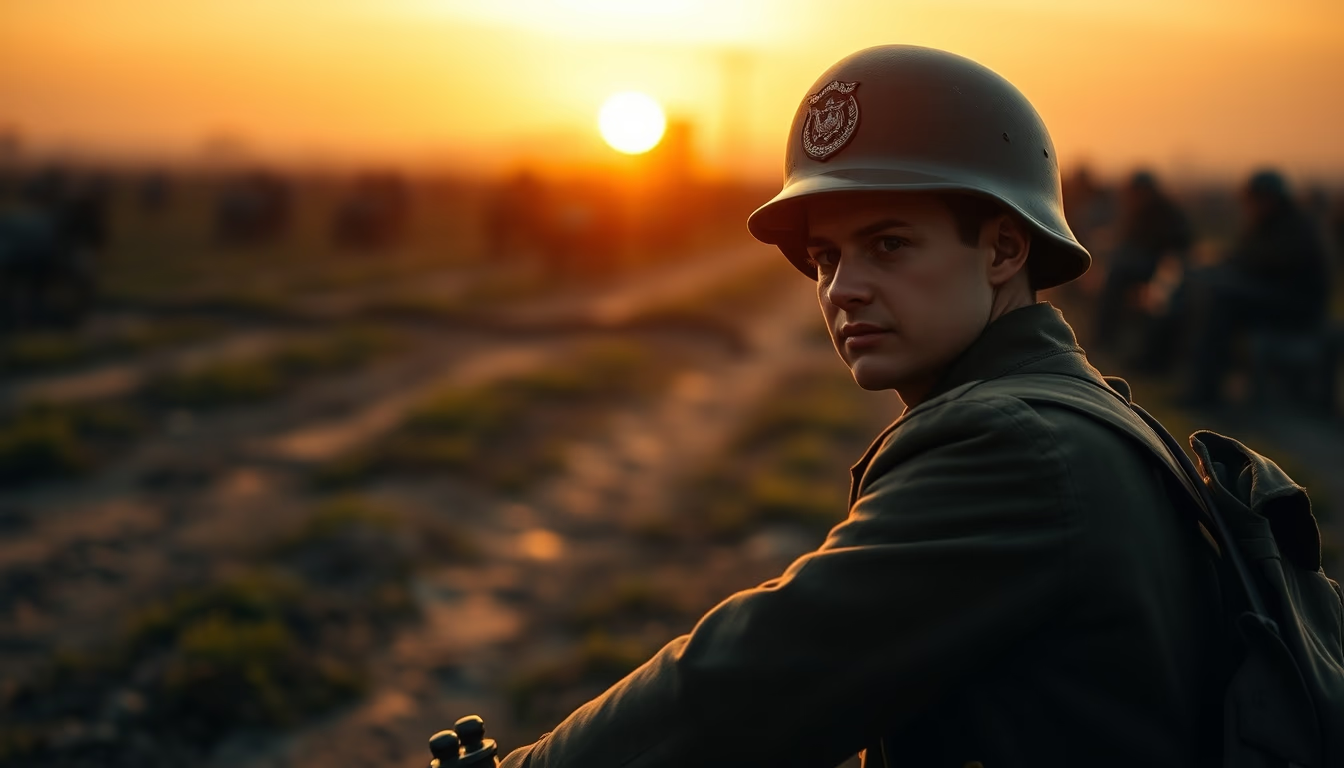
Life magazine documented World War II with groundbreaking photojournalism, bringing impactful images that shaped public perception of the conflict.
About this subject
During World War II, Life magazine became one of the primary visual sources of the conflict, employing renowned photographers such as Robert Capa, Margaret Bourke-White, and W. Eugene Smith. Their images, published in weekly issues, offered American and global audiences an unprecedented view of battlefields, civilian life under occupation, and the behind-the-scenes war effort. The magazine not only recorded events but also created visual narratives that influenced public opinion and support for the war.
Life's coverage stood out for its depth and exclusive access. Margaret Bourke-White, for instance, was the first accredited female war correspondent and photographed the liberation of concentration camps. Robert Capa captured the Normandy landings with iconic images, such as the series 'The Magnificent Eleven'. W. Eugene Smith documented the Pacific War with an intimate and dramatic style that later established him in photojournalism. Each issue featured photo essays combining text and image, an editorial innovation that made the war more tangible for readers.
Life's historical significance in World War II goes beyond journalistic record. Its photographs served as Allied propaganda, humanizing soldiers and civilians while exposing the horrors of Nazism and Japanese imperialism. The magazine also helped define the standard of modern photojournalism, influencing generations of photographers and communicators. To this day, Life's images are references for historians and enthusiasts, often republished in books and exhibitions.
Interestingly, Life faced technical limitations and censorship. Photographs were sent by airmail or radio, often passing through military filters before publication. Despite this, the magazine maintained a commitment to visual truth, establishing a legacy that endures both as historical document and art.
Frequently Asked Questions
What made Life magazine's WWII coverage unique?
Life combined exclusive access to conflict zones with talented photographers, publishing innovative visual essays that brought the reality of war closer to the public. Its narrative approach and use of impactful images set it apart from other media of the time.
Who were the main photographers for Life during WWII?
Notable names include Robert Capa (Normandy landings), Margaret Bourke-White (first accredited female war correspondent), and W. Eugene Smith (Pacific War). They produced iconic images that remain benchmarks in photojournalism.
How did Life influence public perception of the war?
Its photographs humanized soldiers and victims while exposing atrocities. By bringing powerful images into American homes, the magazine helped maintain support for the war and shaped the collective memory of the conflict.
Direct URL
https://pub-c7d6a6ea828543ac903a74a341ccb2e1.r2.dev/imagens/life-magazine-wwii-documentary-nature-style-fresh6.avifHow to credit
Include a visible link back to UtilizAí. Copy one of the snippets below:
<a href="https://xn--utiliza-eza.com/en/midia/imagens/life-magazine-wwii-documentary-nature-style-fresh6">Life magazine wwii</a> by <a href="https://xn--utiliza-eza.com">UtilizAí</a>, licensed under <a href="https://creativecommons.org/licenses/by/4.0/">CC BY 4.0</a>.
[Life magazine wwii](https://xn--utiliza-eza.com/en/midia/imagens/life-magazine-wwii-documentary-nature-style-fresh6) by [UtilizAí](https://xn--utiliza-eza.com), CC BY 4.0
License: CC-BY-4.0