Kouros greek
1344×768 · AVIF · CC BY 4.0
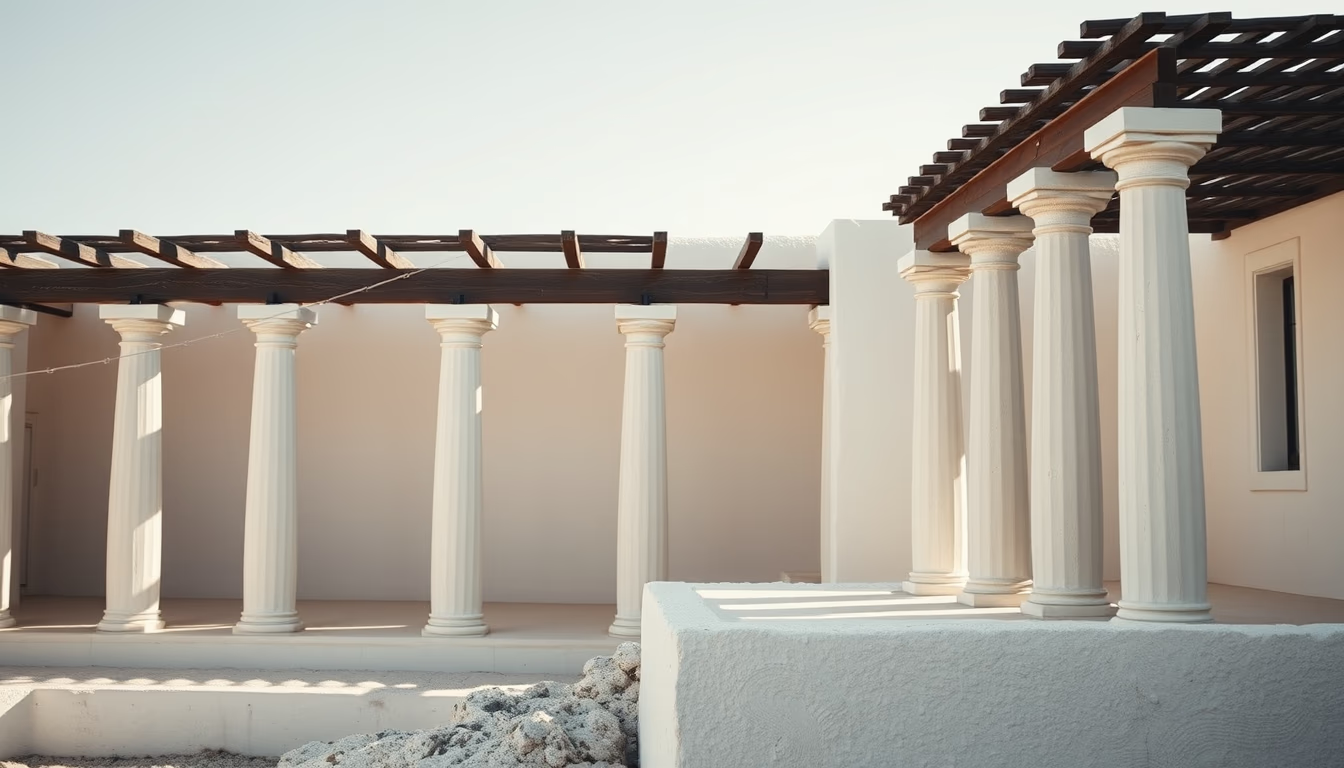
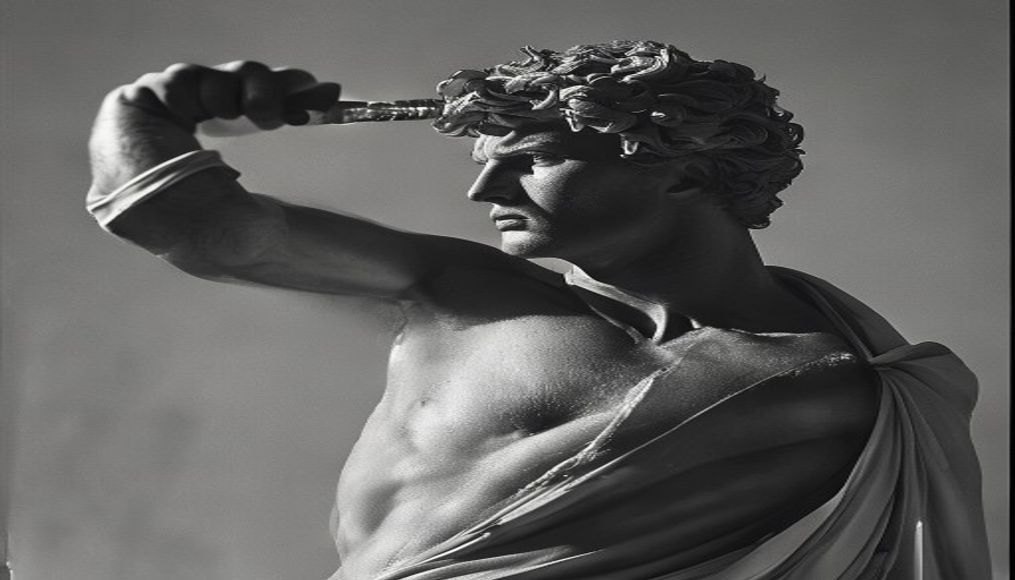
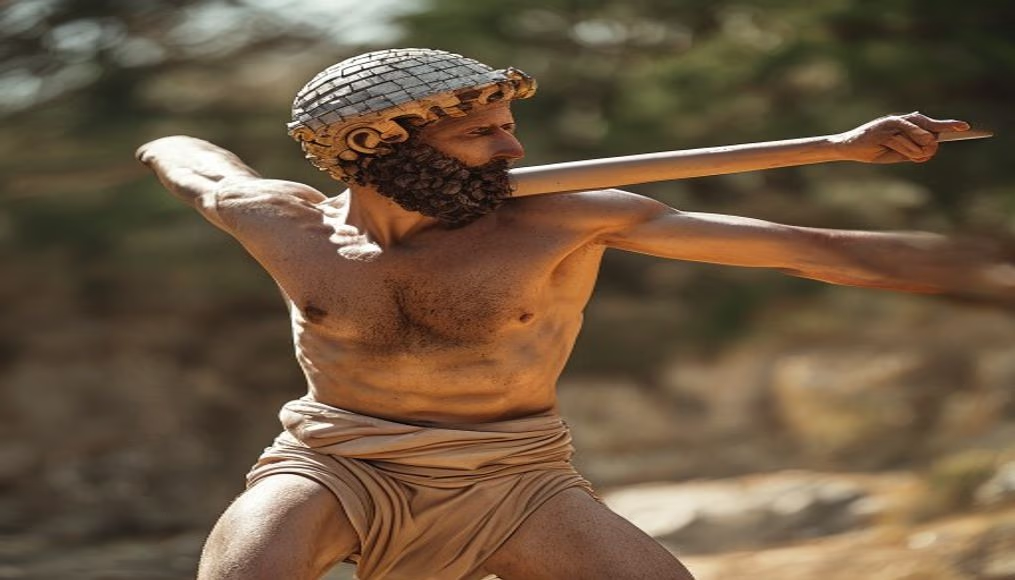
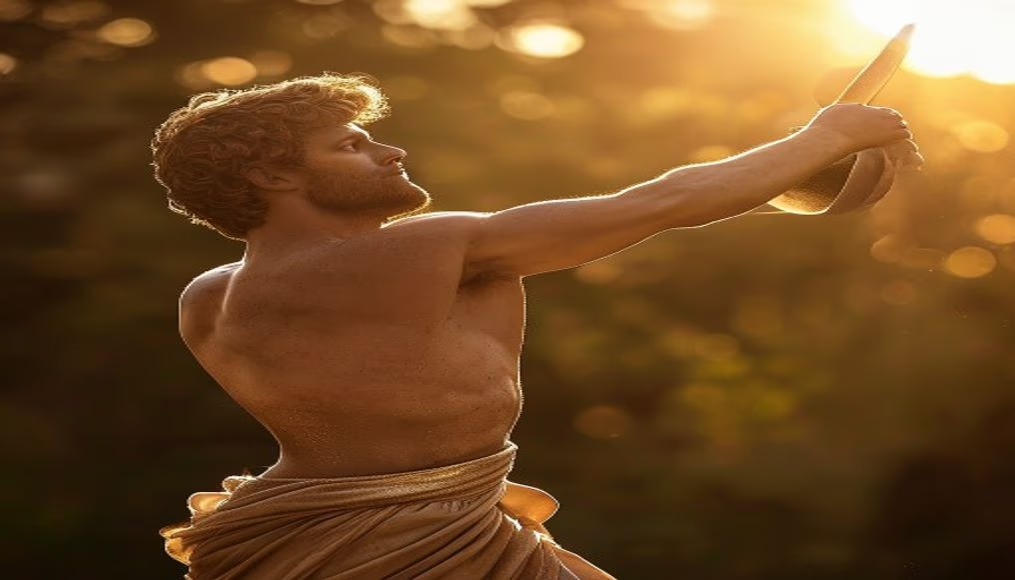
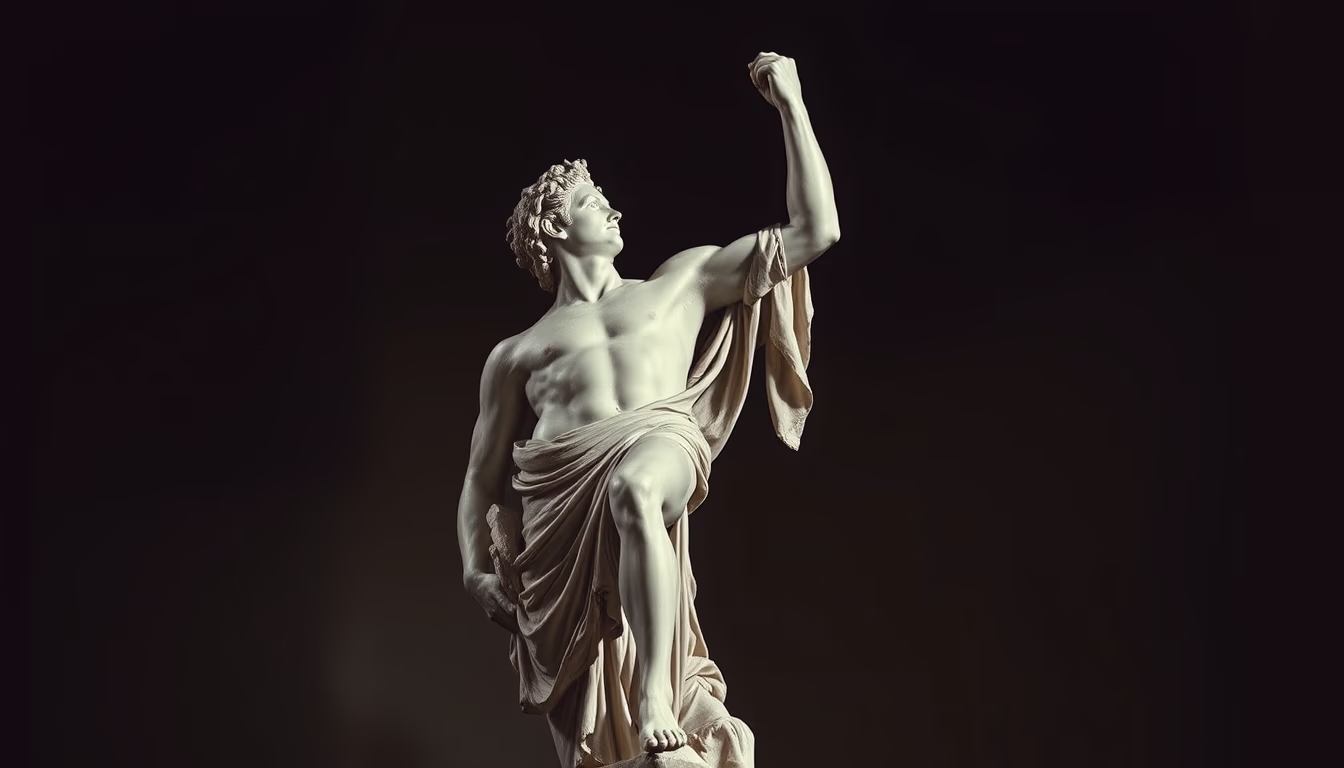
The Greek kouros is a statue of a nude youth from the Archaic period, symbolizing idealized beauty and virtue in ancient Greece.
About this subject
The kouros (plural kouroi) is a sculptural type that emerged in the late 7th century BCE, during the Archaic period of Greek art. It depicts a nude youth in a frontal stance, with arms extended along the sides and clenched fists. This posture, clearly influenced by Egyptian sculpture, was adapted by Greeks to express an ideal of virile beauty and symmetry. Kouroi were often dedicated in sanctuaries (as offerings to Apollo) or placed on tombs as funerary monuments.
Among the most famous examples are the Anavysos Kouros (c. 530 BCE), also known as "Kroisos," which features the characteristic Archaic smile and a more naturalistic muscular structure for its time, and the Sounion Kouros (c. 600 BCE), one of the earliest large-scale representations. The function of these statues varied: they could honor a victorious athlete, a warrior, or a member of the elite. The word "kouros" means "boy" or "youth" in ancient Greek.
Over time, kouroi evolved from rigid, schematic figures to more dynamic and realistic forms, culminating in the Classical period with Myron's Discobolus. This transition reflects the Greek pursuit of an idealized human form, combined with a growing study of anatomy. Kouroi also demonstrate the importance of arete (excellence) in Greek culture, linking youth, strength, and beauty to moral values.
Today, many original kouroi are lost, but fragments and Roman copies allow reconstruction of their original appearance, which was painted in vivid colors. The influence of the kouros extends to Renaissance and Neoclassical art, inspiring artists such as Michelangelo. Archaeologically, these statues are key to understanding stylistic evolution and cultural exchanges in the ancient Mediterranean.
Frequently Asked Questions
What is the origin of the word kouros?
The word kouros comes from ancient Greek "κοῦρος" (koûros), meaning "boy" or "youth." It is used to describe statues of young males from the Archaic period.
Were kouroi originally painted?
Yes, kouroi were polychromed. Archaeological studies show they received vivid pigments to highlight hair, eyes, and anatomical details, though little color survives today.
What is the difference between a kouros and a kore?
A kouros represents a nude youth, while a kore (plural korai) is the female counterpart, dressed in long robes and adorned. Both are typical of Archaic Greek sculpture.
Direct URL
https://pub-c7d6a6ea828543ac903a74a341ccb2e1.r2.dev/imagens/kouros-greek-minimalist-composition-p4.avifHow to credit
Include a visible link back to UtilizAí. Copy one of the snippets below:
<a href="https://xn--utiliza-eza.com/en/midia/imagens/kouros-greek-minimalist-composition-p4">Kouros greek</a> by <a href="https://xn--utiliza-eza.com">UtilizAí</a>, licensed under <a href="https://creativecommons.org/licenses/by/4.0/">CC BY 4.0</a>.
[Kouros greek](https://xn--utiliza-eza.com/en/midia/imagens/kouros-greek-minimalist-composition-p4) by [UtilizAí](https://xn--utiliza-eza.com), CC BY 4.0
License: CC-BY-4.0