Kouros greek
1344×768 · AVIF · CC BY 4.0

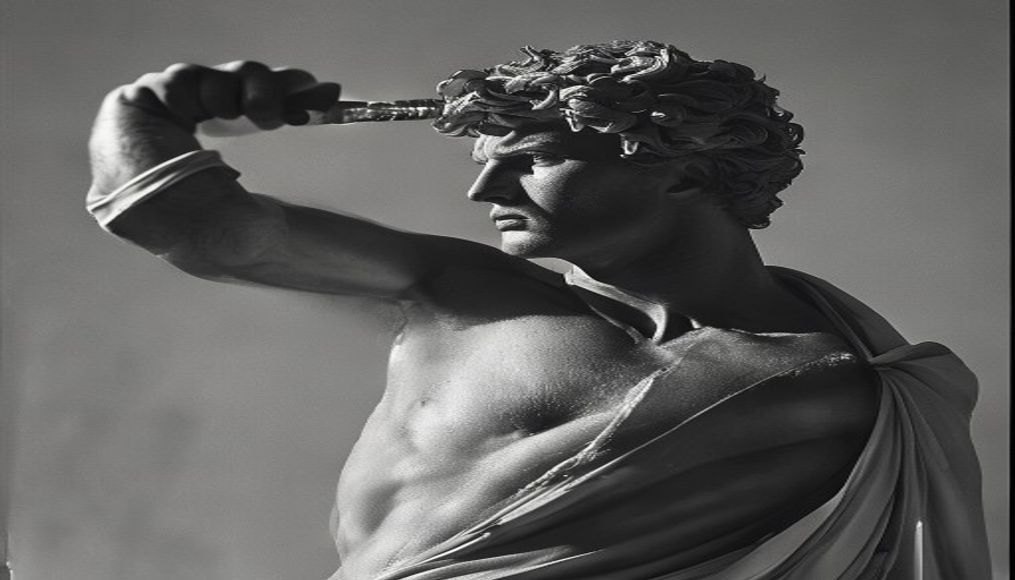
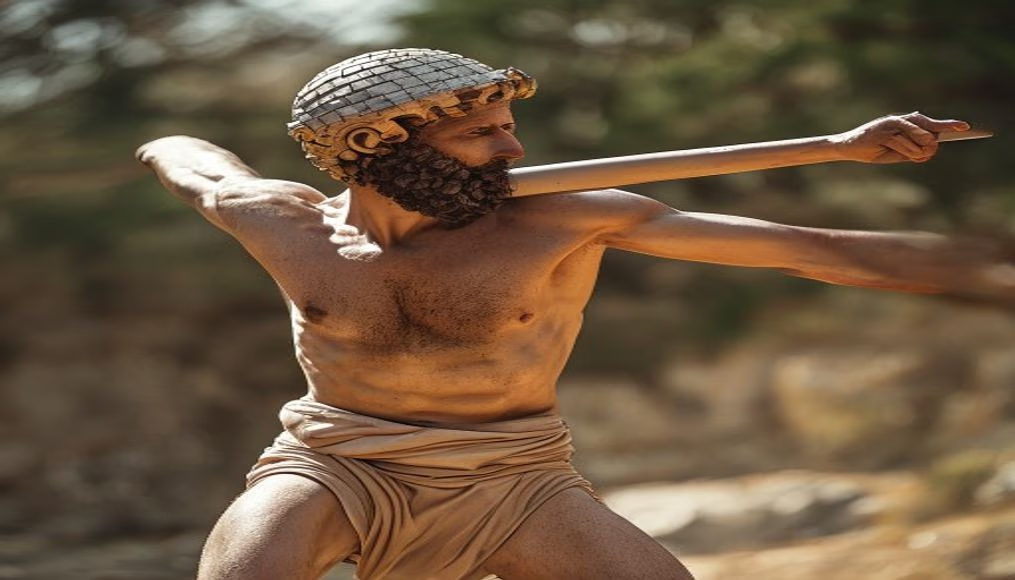
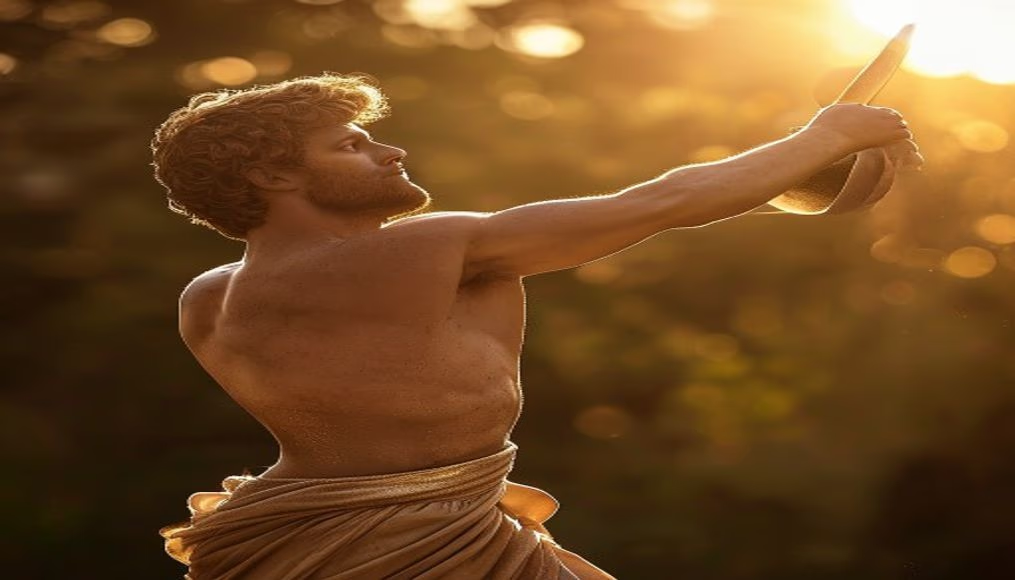
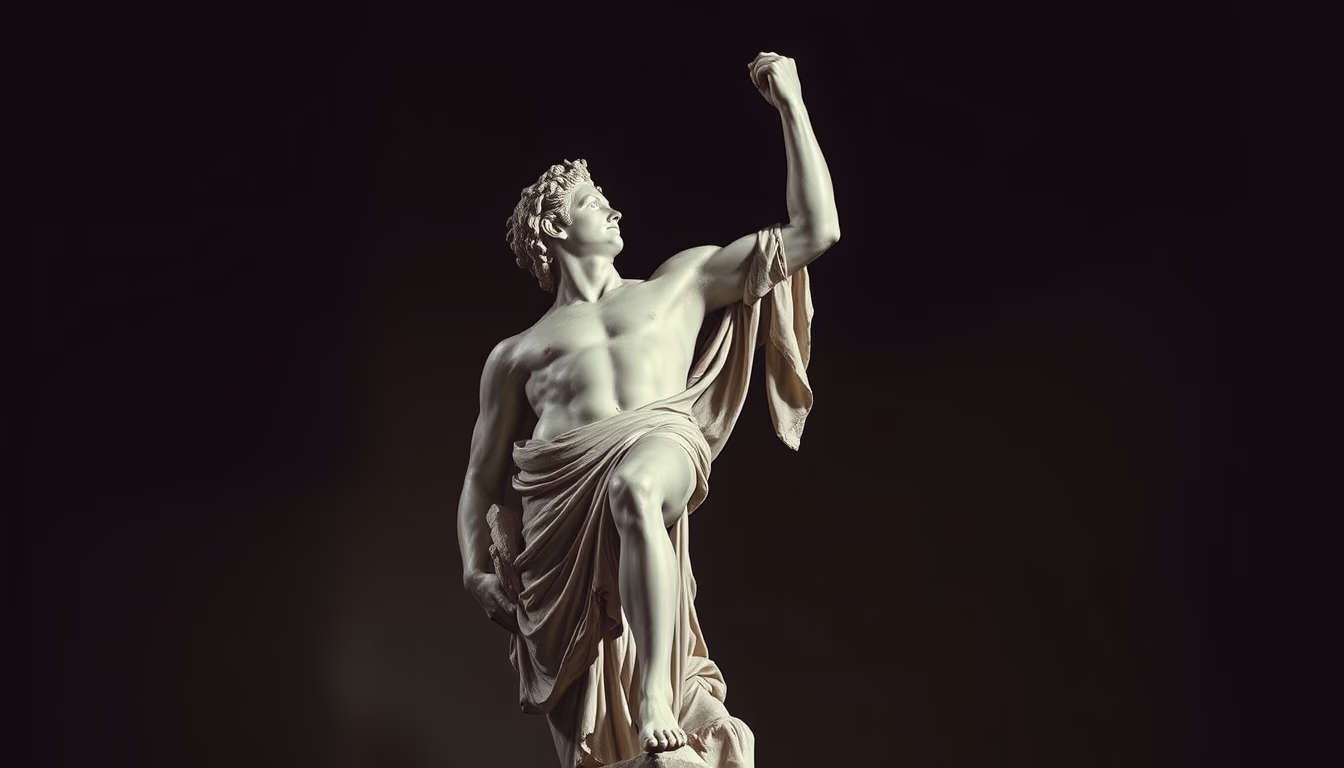
Greek kouros: a marble statue depicting a nude youth, symbol of Archaic Greek art and the pursuit of physical perfection.
About this subject
The kouros (plural kouroi) is a type of ancient Greek statue produced mainly between the 7th and 5th centuries BCE. It depicts a nude male youth standing rigidly, facing front, with arms at his sides and one leg slightly advanced. These sculptures were often dedicated to gods or placed on tombs, serving as offerings or grave markers. The word "kouros" means "boy" or "youth" in Greek, and these figures are considered the earliest examples of monumental Greek sculpture.
Kouroi were influenced by Egyptian art but developed distinct features over time. Early examples exhibit geometric, stylized forms with an archaic smile and almond-shaped eyes. Over centuries, proportions became more natural and anatomical details more precise, foreshadowing the Classical period. Famous examples include the Anavyssos Kouros and the Tenea Kouros, both in marble.
The function of these statues varied. Many were dedicated to Apollo or other gods at sanctuaries such as Delphi and Delos. Others marked graves of young aristocrats, symbolizing beauty and strength cut short by death. Male nudity was an artistic convention that exalted the body as an ideal of beauty and civic virtue, unlike the always-clothed female representations.
Studying kouroi helps understand the evolution of Greek art and the transition from the Archaic to the Classical style. Dating is done through stylistic analysis and sometimes inscriptions. Many original kouroi are housed in museums such as the National Archaeological Museum in Athens and the Louvre, serving as fundamental examples of Western cultural heritage.
Frequently Asked Questions
What does the word 'kouros' mean?
Kouros (plural kouroi) is a Greek word meaning 'boy' or 'youth'. It refers to standing nude male statues typical of the Archaic period of Greek art.
What is the difference between a kouros and a kore?
While the kouros depicts a nude young male, the kore is the female counterpart, dressed and with a more restrained pose. Both are typical of the Archaic period but have different clothing and posture conventions.
Where can I see original kouroi?
Major examples are in museums such as the National Archaeological Museum in Athens, the Louvre in Paris, and the Metropolitan Museum of Art in New York. Many pieces have been excavated at sites like Delphi and Delos.
Direct URL
https://pub-c7d6a6ea828543ac903a74a341ccb2e1.r2.dev/imagens/kouros-greek-fine-art-photography-p5.avifHow to credit
Include a visible link back to UtilizAí. Copy one of the snippets below:
<a href="https://xn--utiliza-eza.com/en/midia/imagens/kouros-greek-fine-art-photography-p5">Kouros greek</a> by <a href="https://xn--utiliza-eza.com">UtilizAí</a>, licensed under <a href="https://creativecommons.org/licenses/by/4.0/">CC BY 4.0</a>.
[Kouros greek](https://xn--utiliza-eza.com/en/midia/imagens/kouros-greek-fine-art-photography-p5) by [UtilizAí](https://xn--utiliza-eza.com), CC BY 4.0
License: CC-BY-4.0