Kouros greek
1344×768 · AVIF · CC BY 4.0
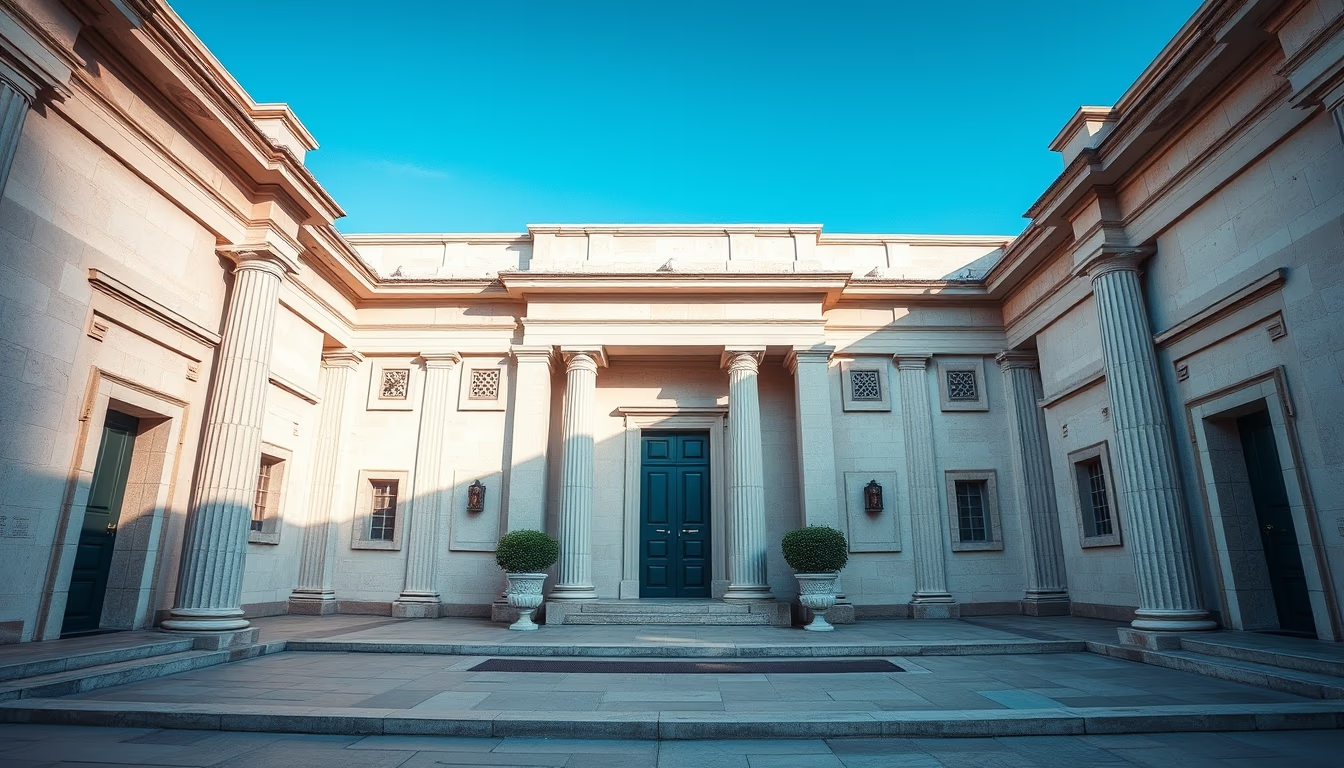
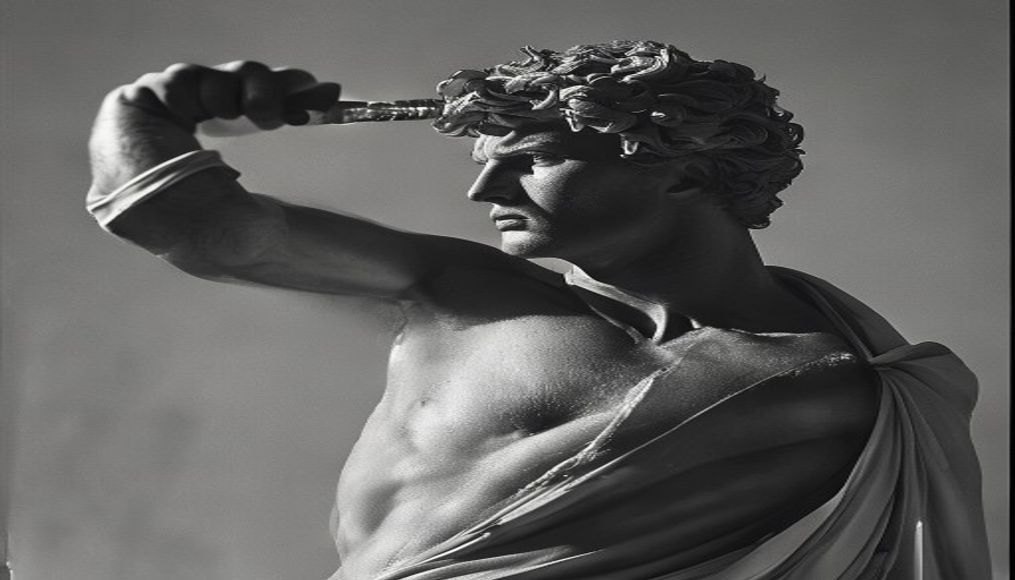
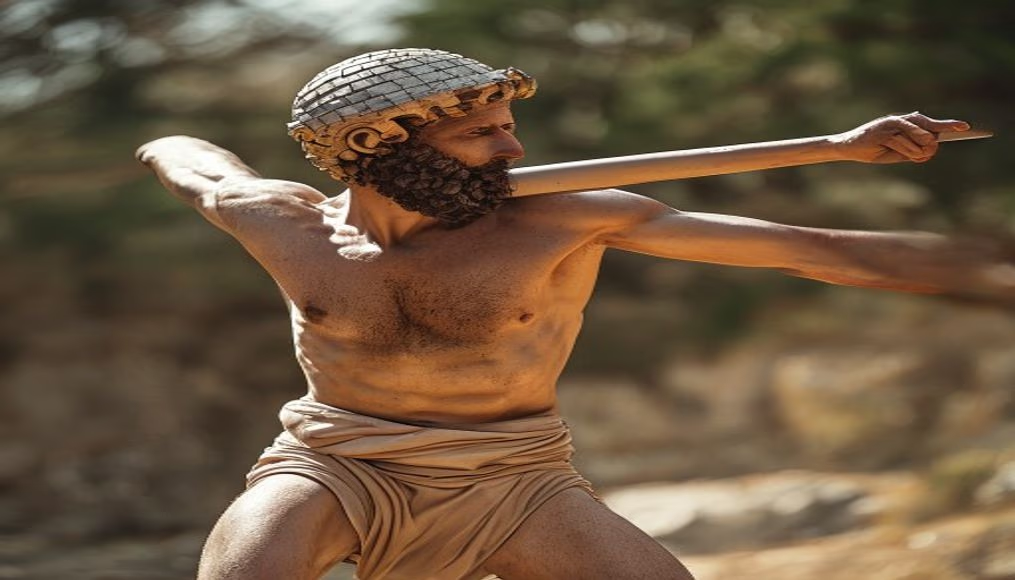
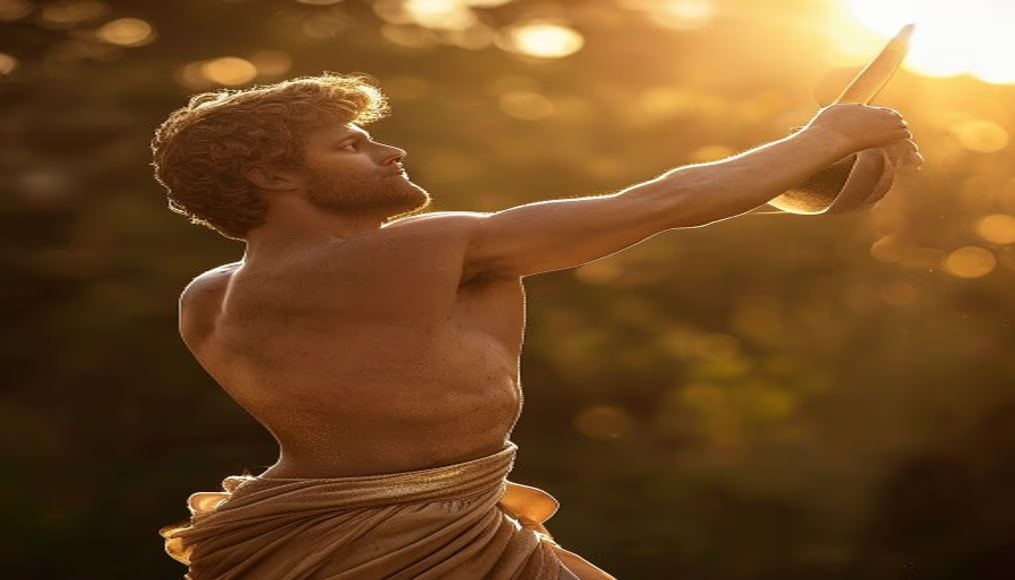
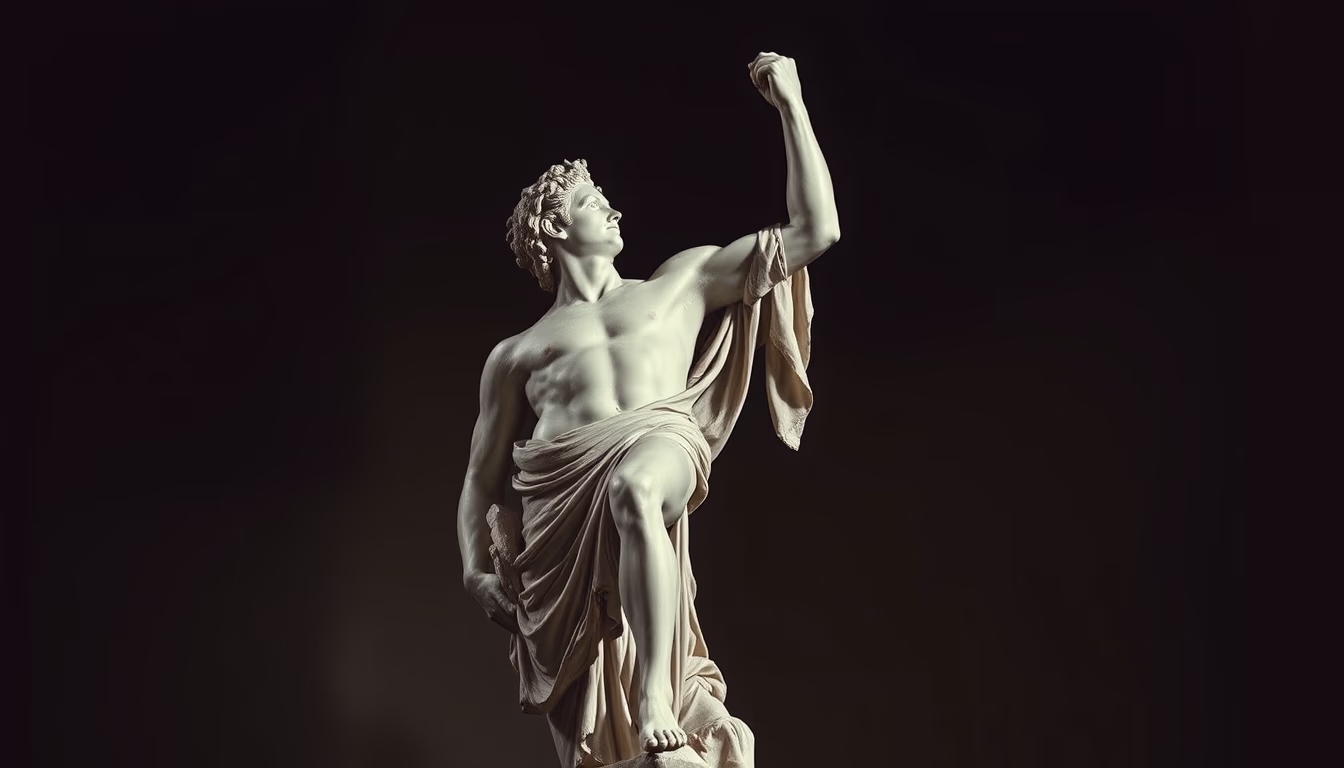
The Kouros is a marble statue from the Greek Archaic period, depicting a nude youth standing, symbolizing beauty and virtue.
About this subject
The Kouros (plural: Kouroi) is a type of statue that flourished in Ancient Greece between the 7th and 5th centuries BCE, during the Archaic period. These sculptures, usually in marble, depicted nude male youths standing with one leg slightly forward and arms hanging at their sides, often with clenched fists. The pose was inspired by Egyptian statuary, but the Greeks introduced a pursuit of naturalism and ideal proportions. Kouroi were often dedicated in sanctuaries as offerings to deities, or placed on tombs as funerary markers to honor heroes or elite youths. Famous examples include the Kouros of Anavyssos and the Kouros of Melos, which show the stylistic evolution of the period: from strict frontality and the archaic smile to a more realistic rendering of musculature and expression. The word "Kouros" means "youth" or "boy" in ancient Greek, and these statues were the male counterpart of the Korai, draped female figures. The study of Kouroi is essential for understanding the development of Greek sculpture, as they mark the transition from the geometric style to the classical, later influencing Roman and Renaissance art. Many originals have been lost or damaged, but Roman copies and archaeological fragments allow us to reconstruct their cultural significance.
Frequently Asked Questions
What is the difference between a Kouros and a Kore?
A Kouros is a nude male youth, while a Kore is a clothed female youth. Both are typical of the Greek Archaic period, but Kouroi were generally nude and Korai were depicted with garments and adornments.
Why do Kouroi have a characteristic smile?
The so-called 'archaic smile' is a stylistic convention of the Archaic period, suggesting life and vitality. It does not indicate a specific emotion but rather an ideal of beauty and youth.
Where can I see original Kouroi today?
Museums such as the National Archaeological Museum in Athens, the Louvre Museum, and the Metropolitan Museum of Art hold important examples. Many are in archaeological collections or excavations in Greece.
Direct URL
https://pub-c7d6a6ea828543ac903a74a341ccb2e1.r2.dev/imagens/kouros-greek-architectural-photography-p11.avifHow to credit
Include a visible link back to UtilizAí. Copy one of the snippets below:
<a href="https://xn--utiliza-eza.com/en/midia/imagens/kouros-greek-architectural-photography-p11">Kouros greek</a> by <a href="https://xn--utiliza-eza.com">UtilizAí</a>, licensed under <a href="https://creativecommons.org/licenses/by/4.0/">CC BY 4.0</a>.
[Kouros greek](https://xn--utiliza-eza.com/en/midia/imagens/kouros-greek-architectural-photography-p11) by [UtilizAí](https://xn--utiliza-eza.com), CC BY 4.0
License: CC-BY-4.0