Kilimanjaro tanzania snow
1344×768 · AVIF · CC BY 4.0
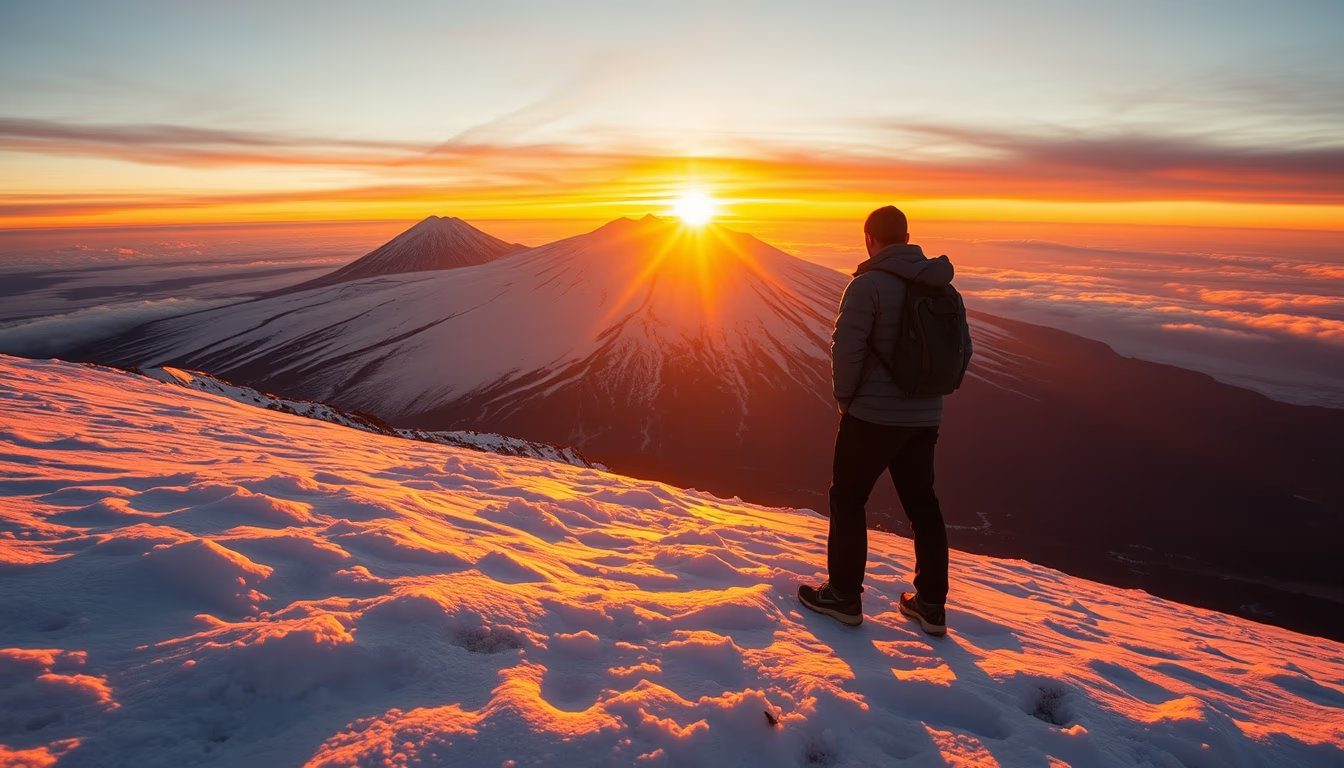
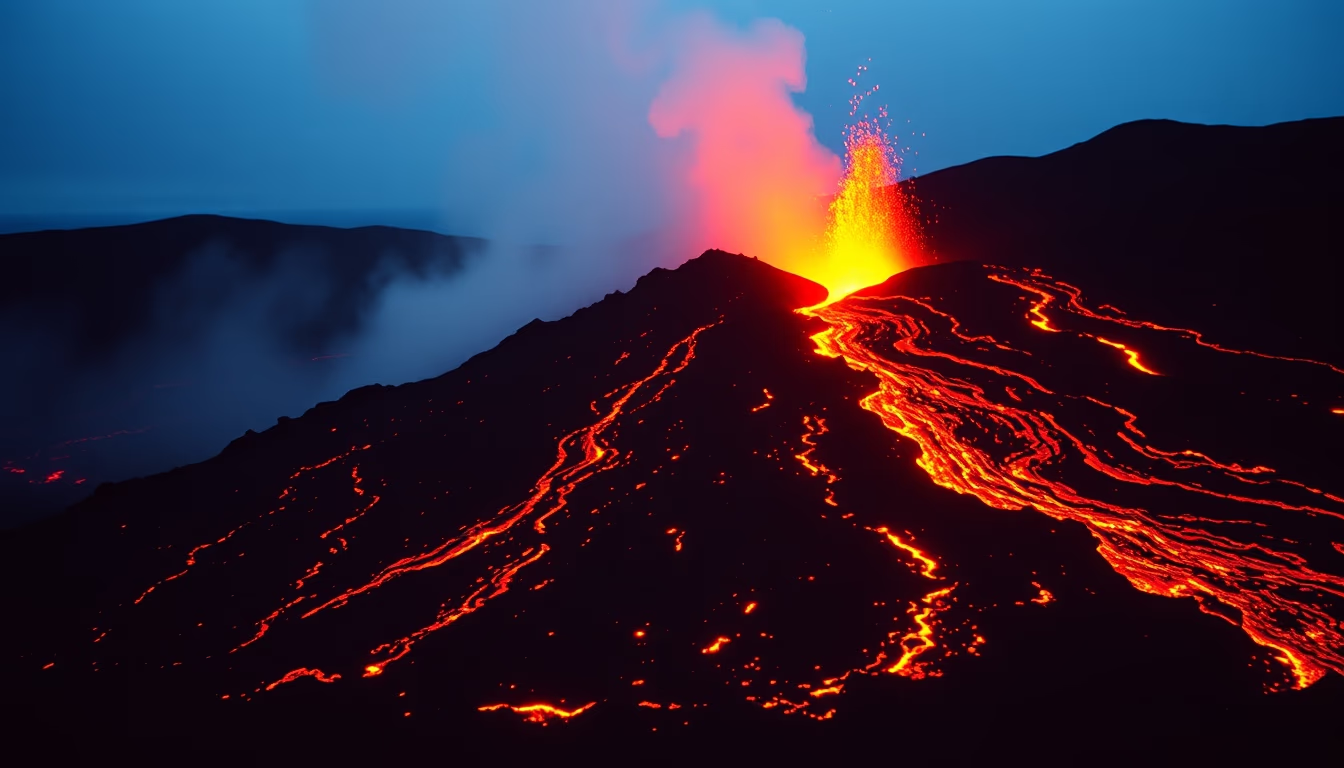
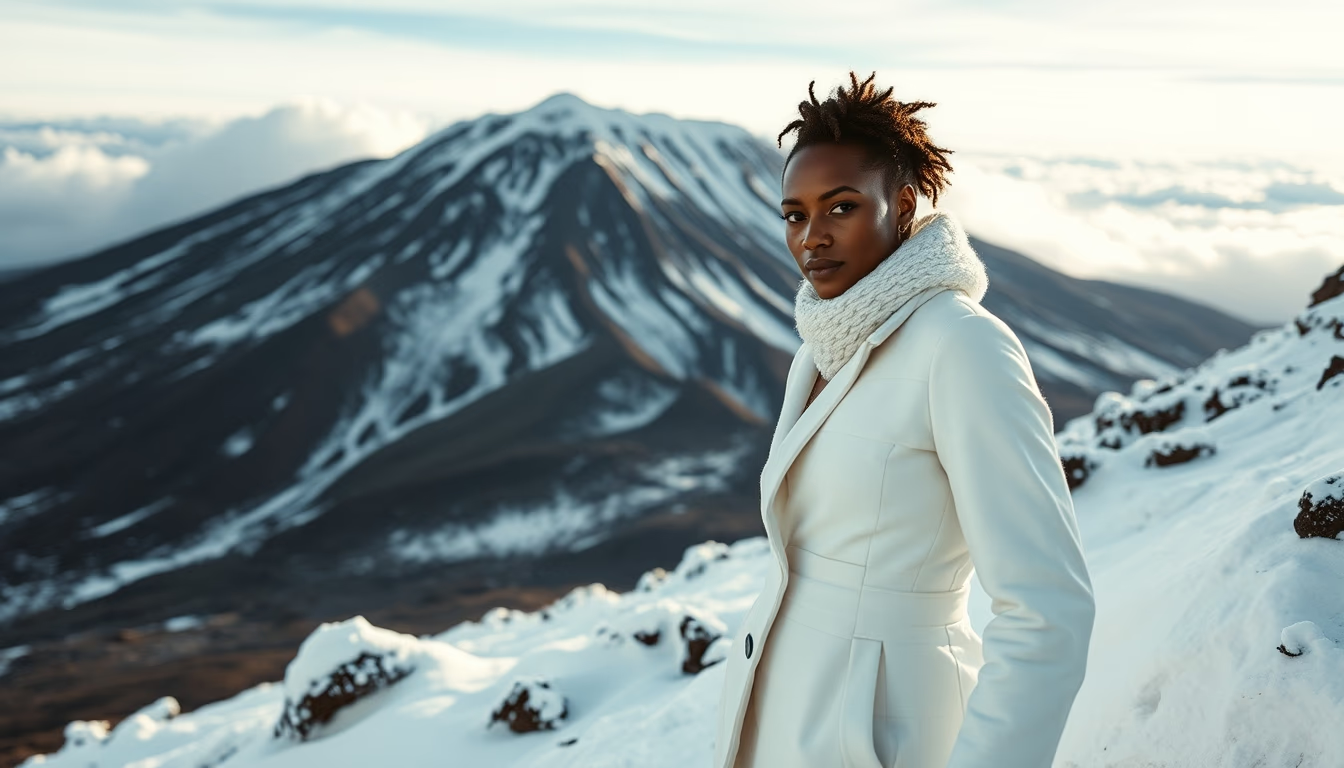
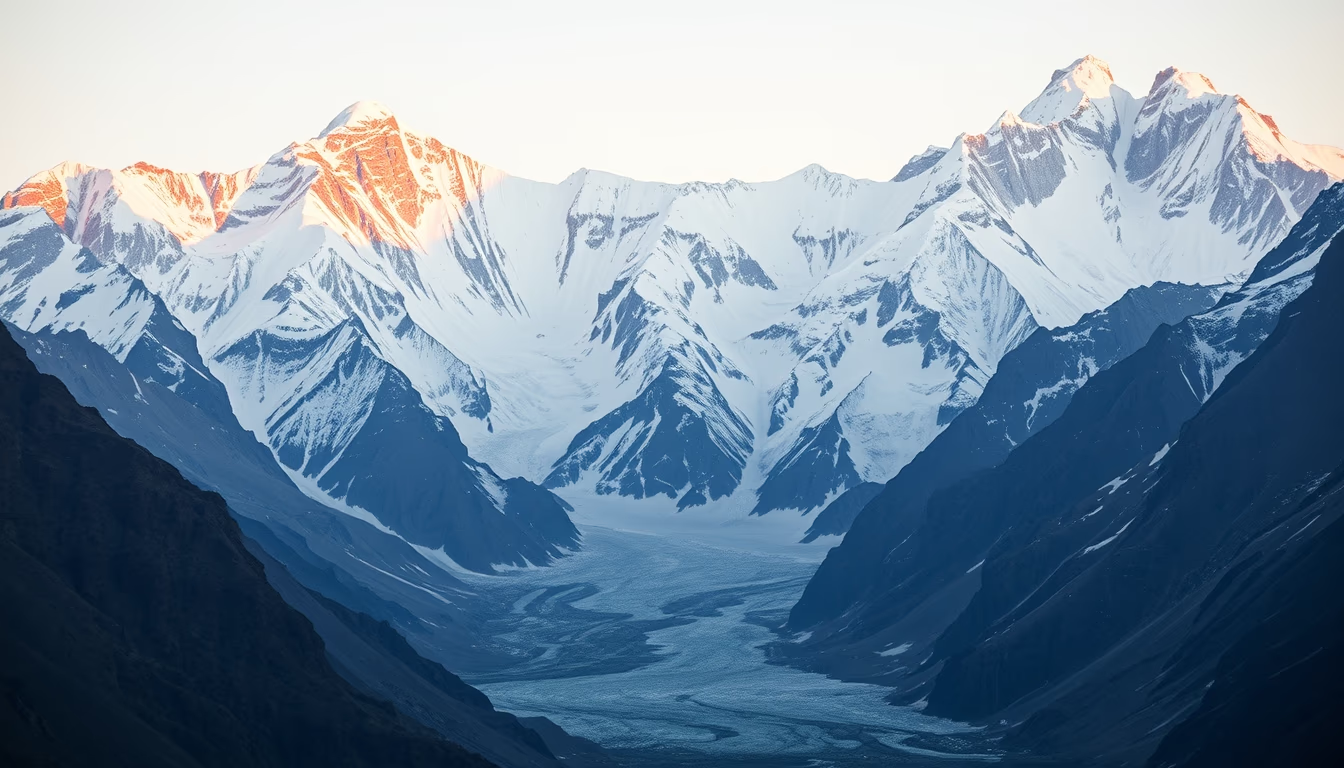
Mount Kilimanjaro in Tanzania hosts unique tropical glaciers that are rapidly retreating due to climate change, threatening the ecosystem and regional water supply.
About this subject
Mount Kilimanjaro, standing at 5,895 meters, is Africa's highest peak and one of the few places on Earth where snow and ice persist in tropical regions. Located in northeastern Tanzania near the Kenyan border, the dormant volcano consists of three volcanic cones: Kibo, Mawenzi, and Shira. Uhuru Peak on Kibo is the highest summit. The snow and glaciers of Kilimanjaro are remnants of a larger glacial epoch, but studies show that more than 80% of the ice cover has disappeared since the early 20th century. Scientists predict that the glaciers could vanish completely by 2050, driven by rising global temperatures and reduced precipitation.
Kilimanjaro's significance extends beyond geology: it is a cultural icon for the Chagga and Maasai peoples who live on its slopes. The mountain supports diverse ecosystems, from tropical rainforests at the base to alpine and glacial zones at the top. Accelerated ice melt directly affects rivers that rely on seasonal meltwater, threatening agriculture and water supply in surrounding areas. Mountaineering tourism, attracting around 50,000 visitors annually, is also impacted, as the snowy landscape is a major draw.
Interestingly, the name "Kilimanjaro" has uncertain origins: some theories suggest it comes from Swahili "Kilima Njaro," meaning "shining mountain" (referring to snow), while others point to a Chagga root meaning "that which defeats caravans." The first recorded ascent to the summit was in 1889 by climbers Hans Meyer and Ludwig Purtscheller. Since then, routes like Marangu have become popular, but climate change is transforming the experience of climbing the "Roof of Africa." The snow, once perennial, is now seasonal and increasingly scarce, making Kilimanjaro a living symbol of contemporary environmental challenges.
Frequently Asked Questions
Why does Kilimanjaro have snow if it is on the equator?
Snow persists due to high altitude: temperature drops about 6.5°C per 1,000 meters of ascent. At the summit, average temperatures are below freezing, allowing ice formation and maintenance even in a tropical region.
Are Kilimanjaro's glaciers really disappearing?
Yes. Studies show that over 80% of the ice cover has been lost since 1912, and projections indicate complete disappearance by around 2050 due to global warming.
What is the total altitude of Mount Kilimanjaro?
Uhuru Peak on the Kibo cone is 5,895 meters above sea level, making it the highest point in Africa.
Direct URL
https://pub-c7d6a6ea828543ac903a74a341ccb2e1.r2.dev/imagens/kilimanjaro-tanzania-snow-cinematic-wide-shot-p1.avifHow to credit
Include a visible link back to UtilizAí. Copy one of the snippets below:
<a href="https://xn--utiliza-eza.com/en/midia/imagens/kilimanjaro-tanzania-snow-cinematic-wide-shot-p1">Kilimanjaro tanzania snow</a> by <a href="https://xn--utiliza-eza.com">UtilizAí</a>, licensed under <a href="https://creativecommons.org/licenses/by/4.0/">CC BY 4.0</a>.
[Kilimanjaro tanzania snow](https://xn--utiliza-eza.com/en/midia/imagens/kilimanjaro-tanzania-snow-cinematic-wide-shot-p1) by [UtilizAí](https://xn--utiliza-eza.com), CC BY 4.0
License: CC-BY-4.0