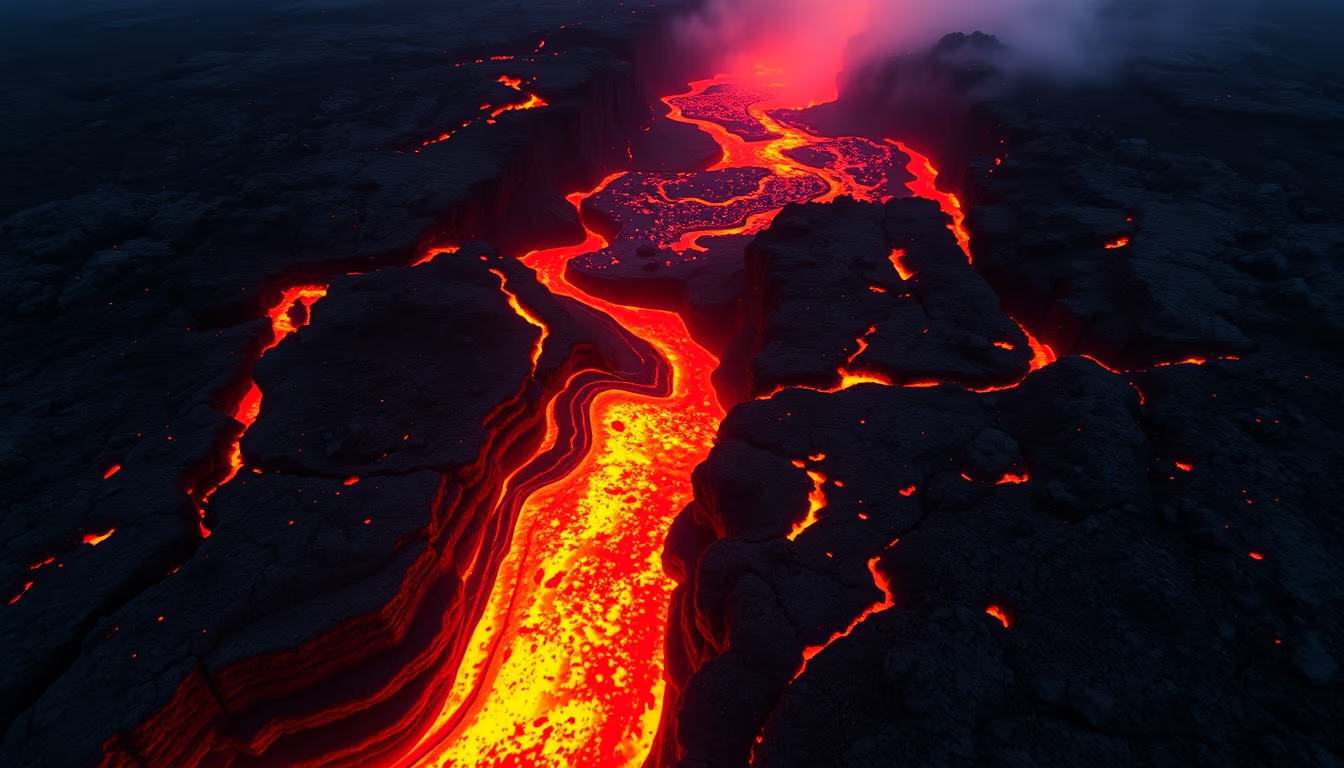
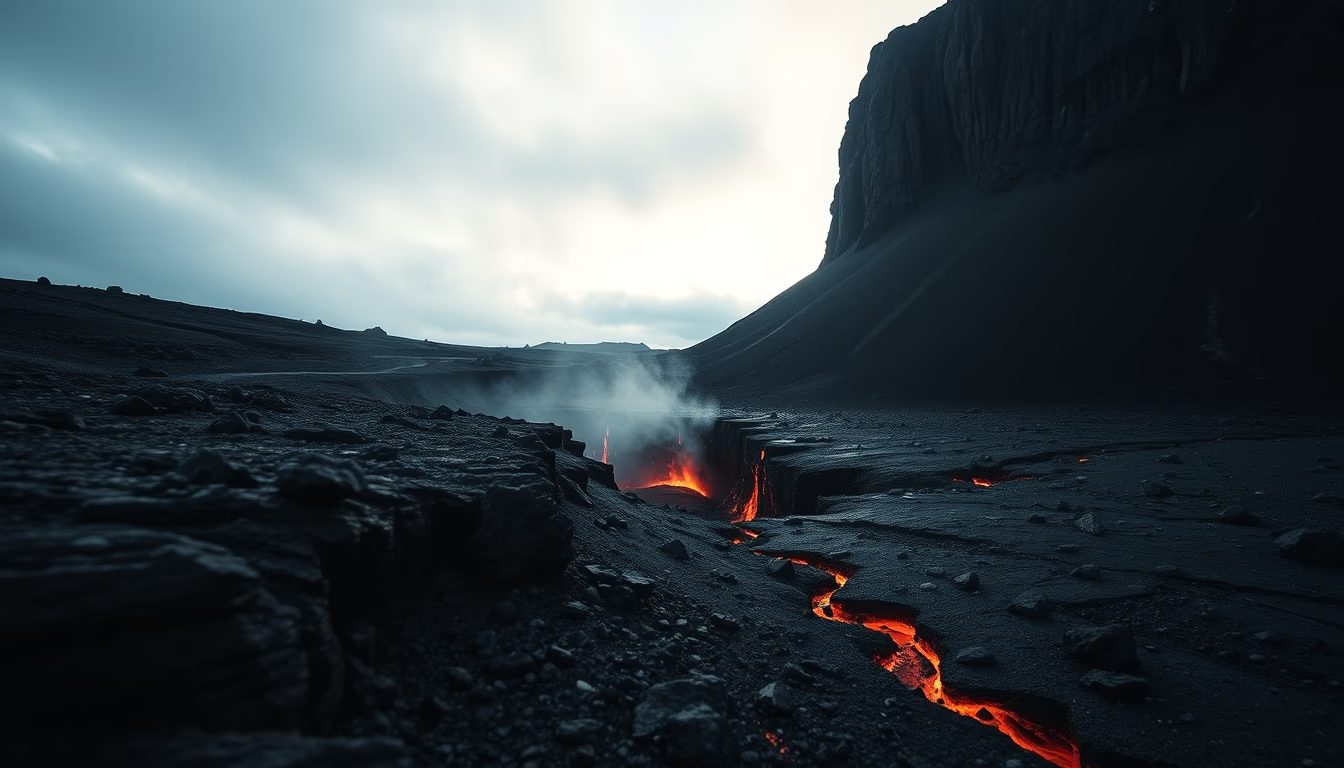
Kilauea hawaii lava flow
1344×768 · AVIF · CC BY 4.0
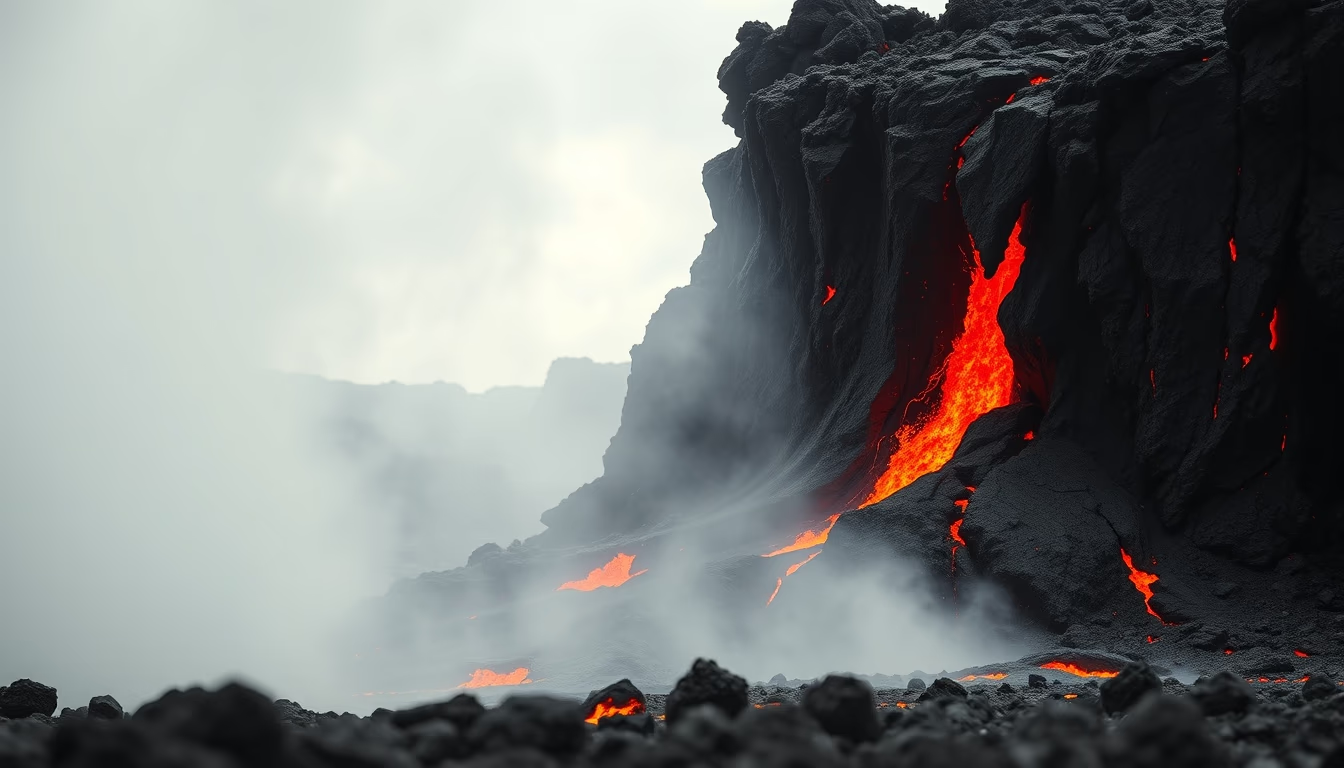
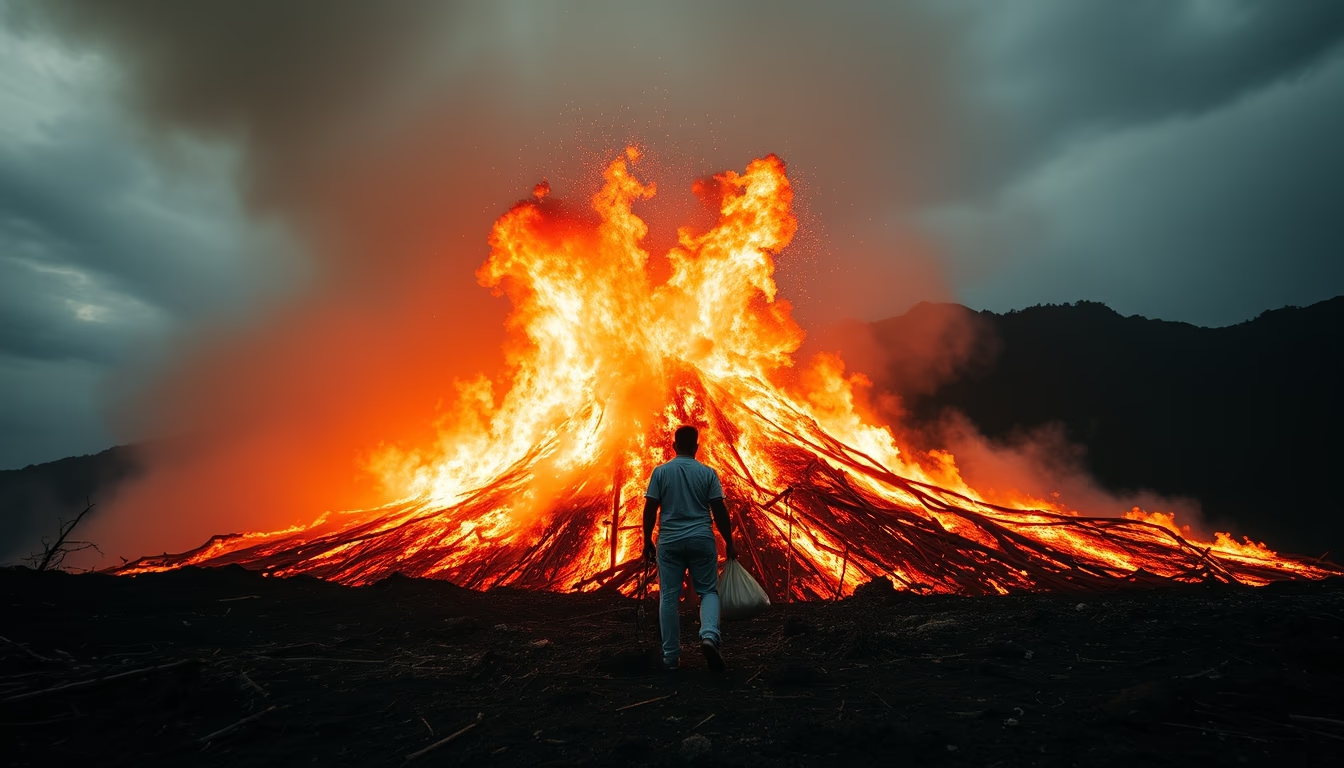
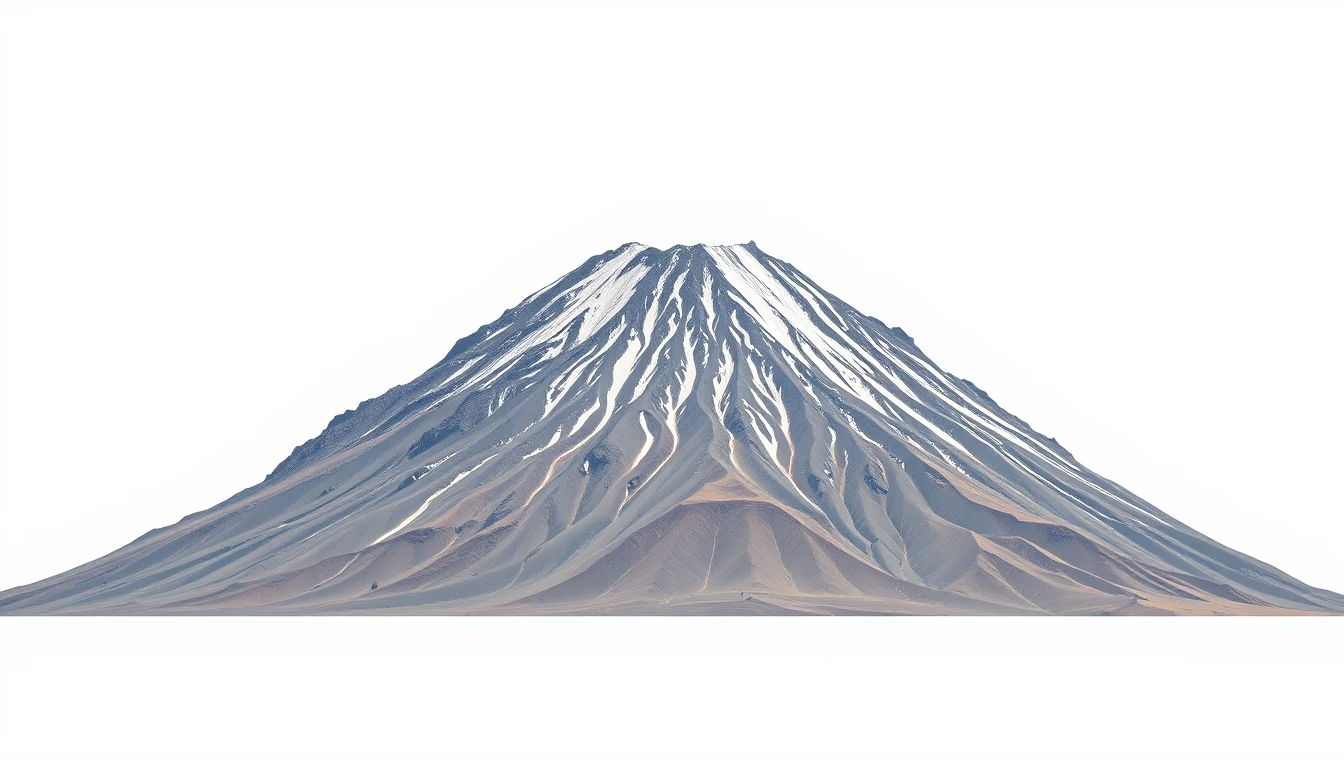
Kilauea, one of the world's most active volcanoes in Hawaii, produces basaltic lava flows that shape the landscape and attract scientists and tourists.
About this subject
Kilauea is a shield volcano located on the southeastern part of the Big Island of Hawaii. Its eruptive activity has been nearly continuous since 1983, with lava flows that often reach the ocean. Kilauea's lava is basaltic, with low viscosity, allowing it to flow long distances before solidifying. These eruptions are closely monitored by the Hawaiian Volcano Observatory (HVO), which uses seismic data, GPS, and satellite imagery to forecast flow directions and issue warnings.
Culturally, Kilauea is considered sacred in Hawaiian mythology. The fire goddess Pele is said to reside in its crater. Locals perform offerings and rituals to honor Pele, believing she controls the eruptions. The area around the volcano, including Hawaii Volcanoes National Park, is a UNESCO World Heritage site and attracts millions of visitors each year.
From a geological perspective, Kilauea is part of the Hawaiian hotspot, a mantle plume that continuously generates magma. This magma rises, feeds the volcano's magma chamber, and eventually erupts onto the surface. The most recent significant activity occurred between 2020 and 2021, with an eruption that formed a lava lake within Halemaʻumaʻu crater. Kilauea's lava flows, while hazardous, also create new land as they cool and solidify, expanding the island.
Frequently Asked Questions
Is Kilauea erupting now?
Kilauea has cycles of activity. For current status, check the Hawaiian Volcano Observatory (HVO) website, which provides daily updates on eruptive activity.
Is it safe to visit Kilauea during an eruption?
Hawaii Volcanoes National Park constantly monitors conditions and closes areas when necessary. Visitors should follow official guidelines and stay on designated trails to avoid hazards.
What is the difference between Kilauea and Mauna Loa?
Kilauea and Mauna Loa are both shield volcanoes in Hawaii. Mauna Loa is larger in volume, but Kilauea is more active, with more frequent and longer-lasting eruptions.
Direct URL
https://pub-c7d6a6ea828543ac903a74a341ccb2e1.r2.dev/imagens/kilauea-hawaii-lava-flow-minimalist-composition-fresh16.avifHow to credit
Include a visible link back to UtilizAí. Copy one of the snippets below:
<a href="https://xn--utiliza-eza.com/en/midia/imagens/kilauea-hawaii-lava-flow-minimalist-composition-fresh16">Kilauea hawaii lava flow</a> by <a href="https://xn--utiliza-eza.com">UtilizAí</a>, licensed under <a href="https://creativecommons.org/licenses/by/4.0/">CC BY 4.0</a>.
[Kilauea hawaii lava flow](https://xn--utiliza-eza.com/en/midia/imagens/kilauea-hawaii-lava-flow-minimalist-composition-fresh16) by [UtilizAí](https://xn--utiliza-eza.com), CC BY 4.0
License: CC-BY-4.0