Kayak sea ocean
1344×768 · AVIF · CC BY 4.0
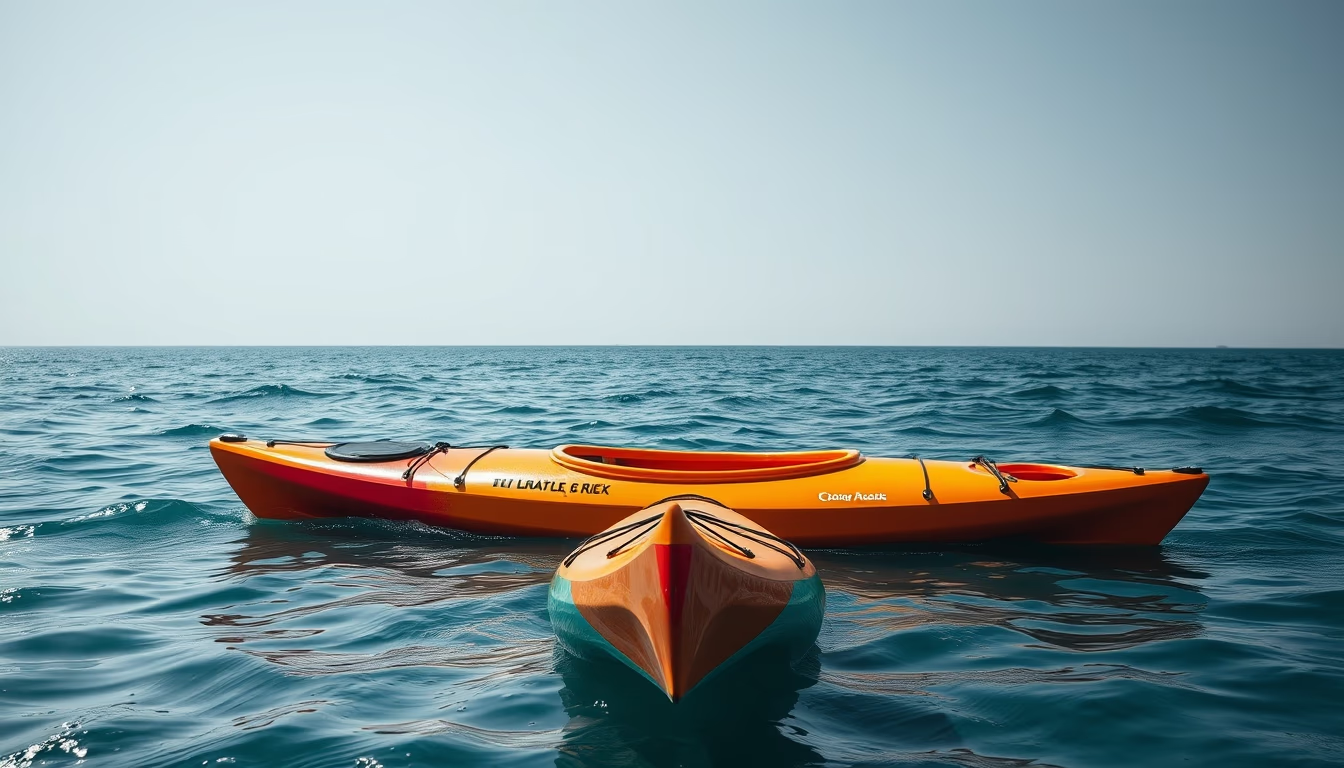
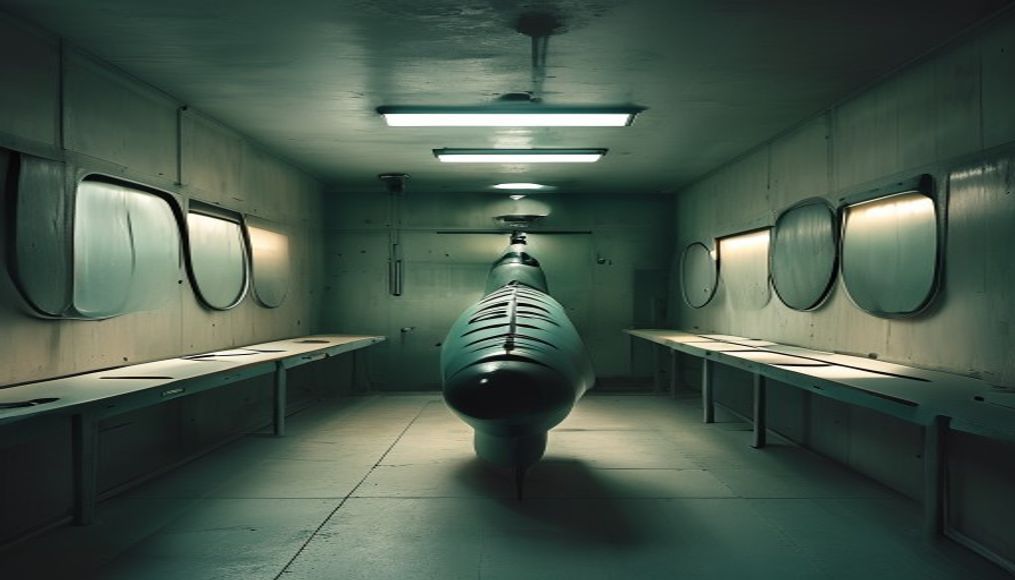
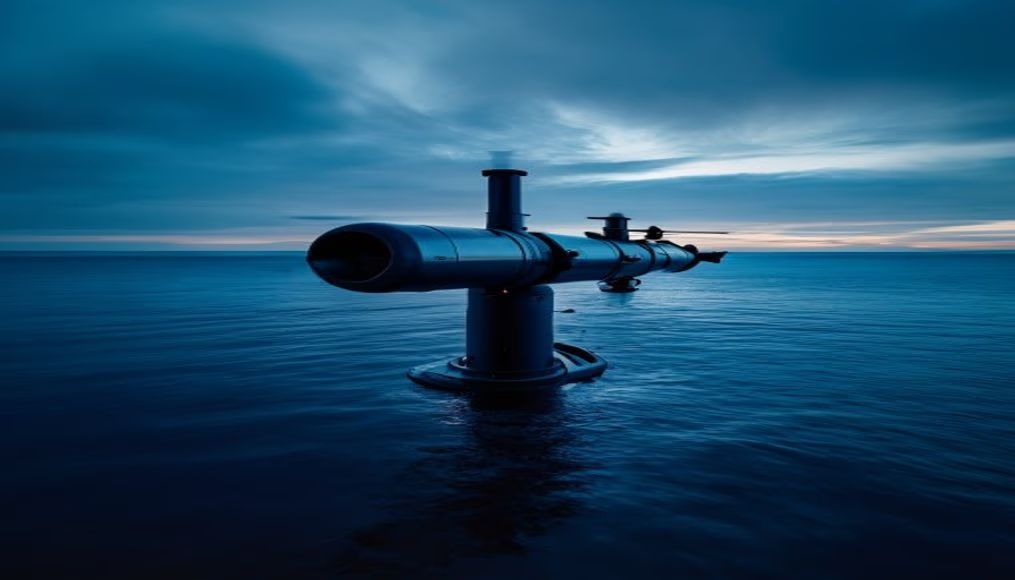
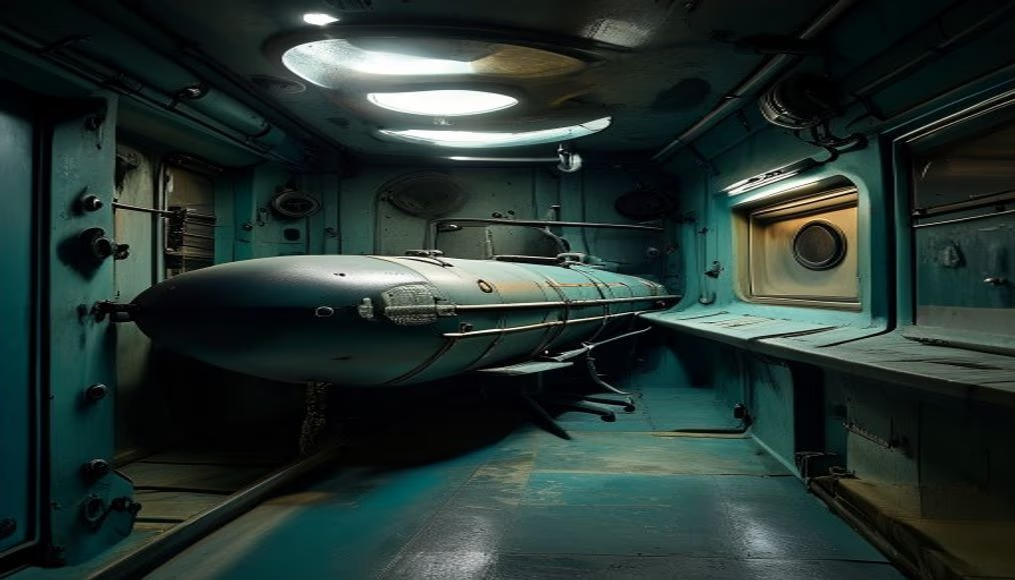
The kayak, a millennia-old vessel used by Inuit for hunting and transport, is adapted to open sea. Today, ocean kayaking demands specific techniques and gear for safety in rough waters.
About this subject
The kayak originated among Inuit, Aleut, and Yupik peoples of the Arctic, who used whalebone and animal skins to build light, agile vessels essential for hunting seals and navigating ice. Modern ocean kayaks are typically made from rotomolded polyethylene, fiberglass, or Kevlar, offering durability and low weight. Unlike canoes, kayaks have a closed deck with a cockpit where the paddler sits.
Two main types exist for sea use: sit-in and sit-on-top. Sit-in kayaks feature a spray skirt to seal out water and allow rolling after capsizing. Sit-on-top models are self-bailing and more stable, suiting beginners or divers. Ocean kayaks often include a rudder or skeg for tracking in wind and currents. Their long, narrow shape enhances speed and wave penetration, while internal bulkheads and hatches provide buoyancy and storage.
Safety in ocean kayaking requires skill and gear. Paddlers must master self-rescue techniques like the cowboy scramble and Eskimo roll, plus understand tides, currents, and weather forecasts. Essential equipment: a PFD, spare paddle, bilge pump, tow line, and VHF radio. In Brazil, the Navy regulates maritime kayaking, mandating flares and a floating anchor. Leashing the paddle and paddling in groups are recommended to prevent incidents.
Ocean kayaking offers access to rugged coastlines, islands, and mangroves. Brazilian destinations like Costa Verde (RJ), Ilha do Mel (PR), and Fernando de Noronha provide unique nature experiences. Global hotspots include Ha Long Bay (Vietnam), Norwegian fjords, and the California coast. The sport supports sustainable tourism due to its low environmental impact and role in raising marine ecosystem awareness. Practitioners should respect protected areas and wildlife such as sea turtles and seabirds.
Frequently Asked Questions
What is the difference between an ocean kayak and a river kayak?
Ocean kayaks are longer and narrower, with bulkheads and rudders, designed for open water and waves. River kayaks are shorter and wider for maneuverability in rapids.
Is it safe to kayak in the sea?
Yes, with proper gear (PFD, spare paddle, bilge pump) and knowledge of self-rescue techniques and weather forecasting. Paddling in groups and notifying shore contacts are key.
What essential equipment is needed for ocean kayaking?
A PFD, spare paddle, bilge pump, spray skirt, tow line, VHF radio, flares, and a floating anchor. A paddle leash is also recommended.
Direct URL
https://pub-c7d6a6ea828543ac903a74a341ccb2e1.r2.dev/imagens/kayak-sea-ocean-studio-still-life-p1.avifHow to credit
Include a visible link back to UtilizAí. Copy one of the snippets below:
<a href="https://xn--utiliza-eza.com/en/midia/imagens/kayak-sea-ocean-studio-still-life-p1">Kayak sea ocean</a> by <a href="https://xn--utiliza-eza.com">UtilizAí</a>, licensed under <a href="https://creativecommons.org/licenses/by/4.0/">CC BY 4.0</a>.
[Kayak sea ocean](https://xn--utiliza-eza.com/en/midia/imagens/kayak-sea-ocean-studio-still-life-p1) by [UtilizAí](https://xn--utiliza-eza.com), CC BY 4.0
License: CC-BY-4.0