Kayak sea ocean
1344×768 · AVIF · CC BY 4.0
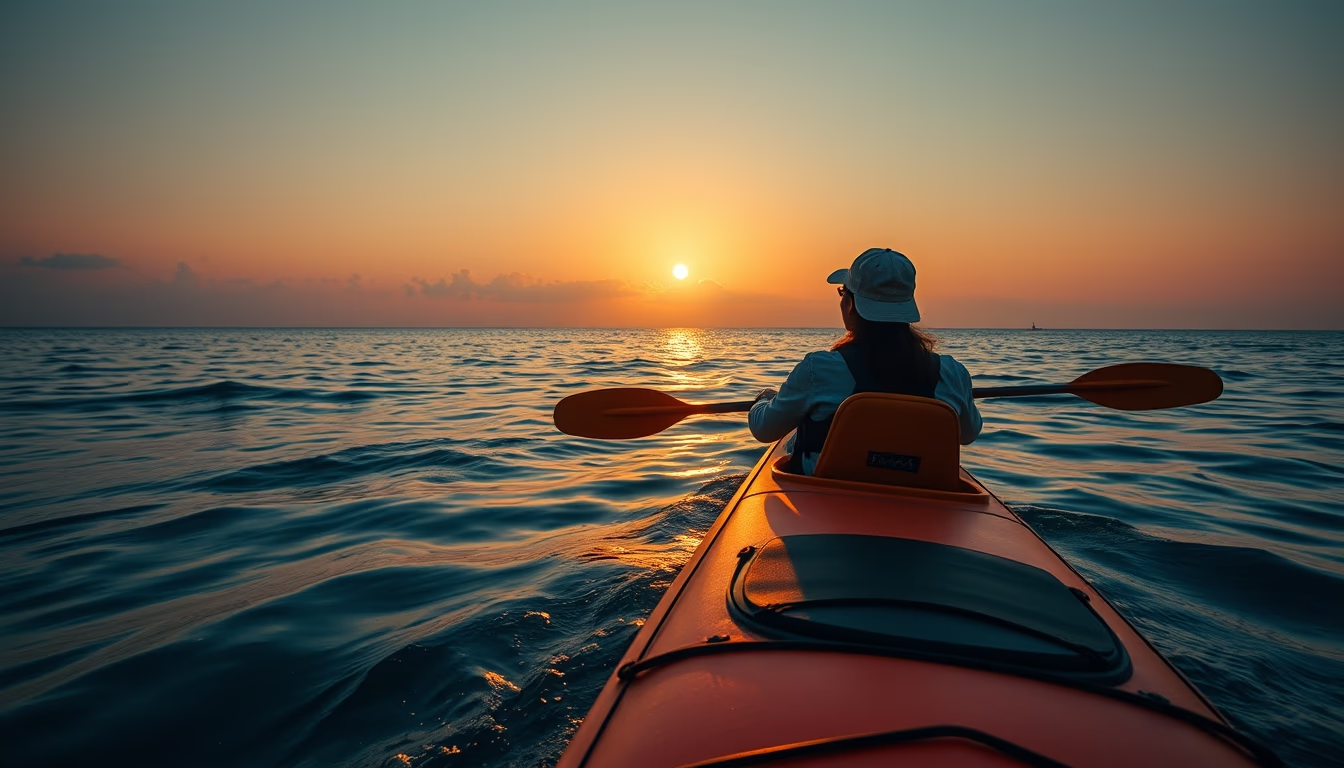
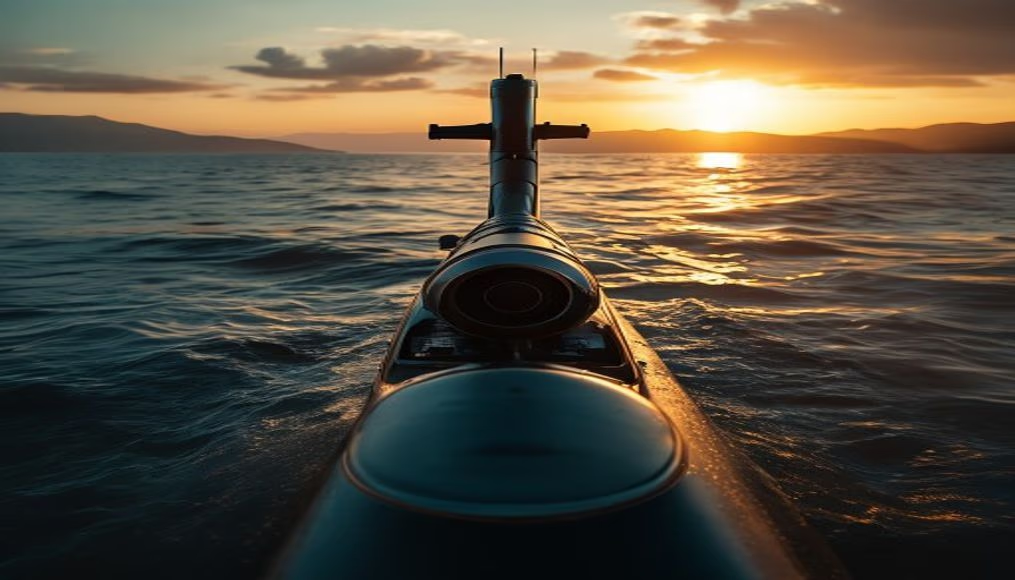
Paddling a kayak in the ocean requires skill and respect for maritime conditions, combining adventure with nature.
About this subject
Ocean kayaking, also known as sea kayaking, involves paddling specialized kayaks designed for open water conditions. Unlike recreational or whitewater kayaks, sea kayaks are longer, narrower, and feature a pronounced keel for tracking stability. They typically have watertight bulkheads and hatches for storing gear, allowing multi-day expeditions. The low center of gravity and efficient hull shape help the kayak cut through waves and maintain direction in crosswinds.
Navigation skills are crucial: understanding tidal currents, reading wave patterns, and using nautical charts or GPS. Coastal regions with rugged shorelines, such as the Pacific Northwest, Norway’s fjords, or the Greek islands, offer spectacular sea kayaking routes. In Brazil, destinations like the Costa Verde (Rio de Janeiro) or the archipelago of Fernando de Noronha attract paddlers seeking clear waters and marine wildlife, including sea turtles and dolphins.
The kayak’s Inuit origins date back thousands of years, with frames made of driftwood or whalebone and covers of seal skin. Modern materials like rotomolded polyethylene or fiberglass make them durable and affordable. A typical sea kayak is 4.5 to 7 meters long, with a beam of 50, 65 cm, and weighs between 20 and 30 kg. The paddle blades are asymmetrical and feathered to reduce wind resistance.
Safety practices include wearing a personal flotation device (PFD), carrying a paddle float for self-rescue, and dressing for cold water even in warm climates, as hypothermia is a risk. Skills like the Eskimo roll or wet exit are essential. Weather conditions above Beaufort force 3 (gentle breeze) are challenging for novices. Sea kayaking is a gateway to remote beaches, sea caves, and isolated coves, offering a unique blend of physical exertion and quiet immersion in the marine environment.
Frequently Asked Questions
What is the main difference between a sea kayak and a river kayak?
A sea kayak is longer (4.5, 7 m), has a pronounced keel for stability in open water, and includes watertight compartments for gear. River kayaks are shorter and more maneuverable for rapids. Sea kayak paddles have narrower blades to minimize wind resistance.
Is it safe for beginners to kayak in the ocean?
Yes, if conditions are calm and proper gear is used: a PFD, bilge pump, and suitable clothing (drysuit or wetsuit). Start in sheltered bays or with a guide. Avoid open water with waves over 0.5 m or strong winds.
What essential equipment is needed for a sea kayaking trip?
Mandatory items include a life jacket (Type III), spare paddle, bilge pump, signaling devices (whistle, strobe light), navigation tools (map or GPS), dry bags for valuables, wetsuit or drysuit, sunscreen, and water. For overnight trips, add a tent and stove.
Direct URL
https://pub-c7d6a6ea828543ac903a74a341ccb2e1.r2.dev/imagens/kayak-sea-ocean-cinematic-wide-shot-p7.avifHow to credit
Include a visible link back to UtilizAí. Copy one of the snippets below:
<a href="https://xn--utiliza-eza.com/en/midia/imagens/kayak-sea-ocean-cinematic-wide-shot-p7">Kayak sea ocean</a> by <a href="https://xn--utiliza-eza.com">UtilizAí</a>, licensed under <a href="https://creativecommons.org/licenses/by/4.0/">CC BY 4.0</a>.
[Kayak sea ocean](https://xn--utiliza-eza.com/en/midia/imagens/kayak-sea-ocean-cinematic-wide-shot-p7) by [UtilizAí](https://xn--utiliza-eza.com), CC BY 4.0
License: CC-BY-4.0