Japanese kanji shodo
1344×768 · AVIF · CC BY 4.0
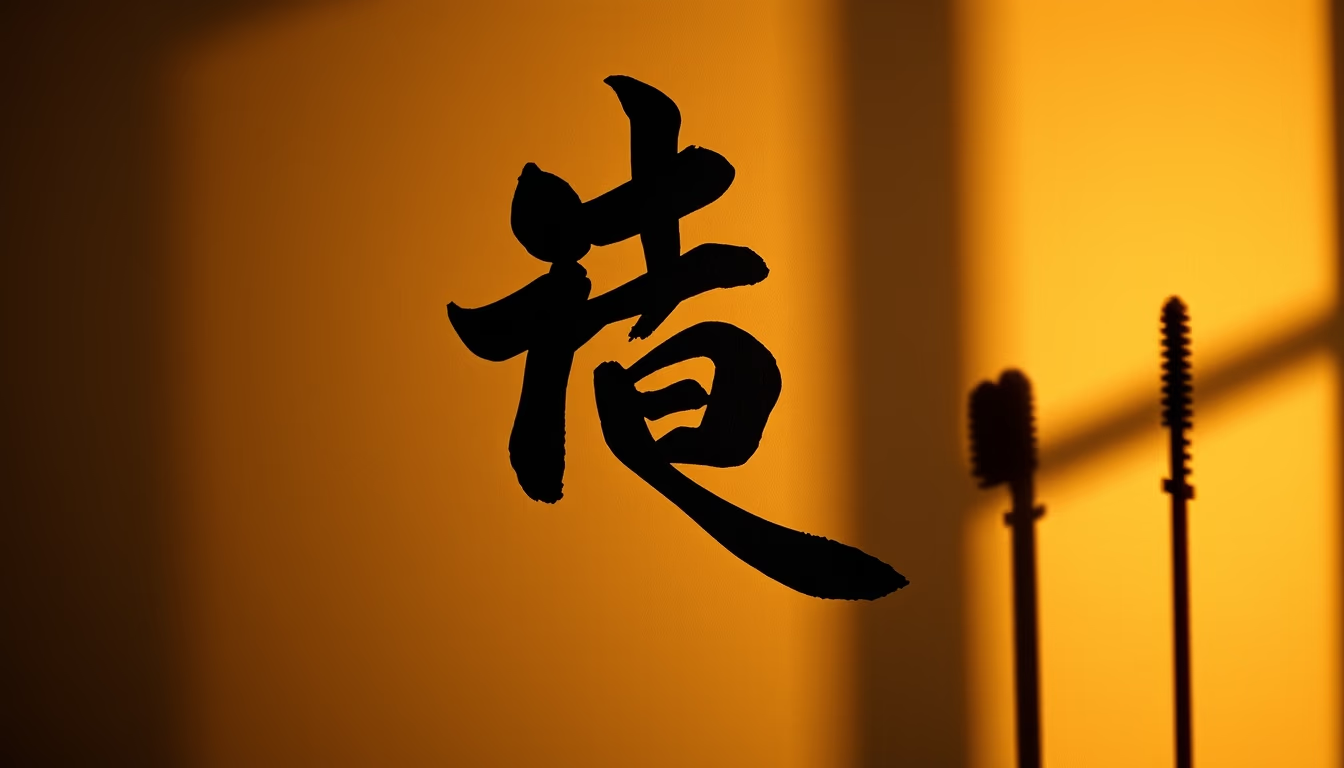
Shodo is the Japanese art of kanji calligraphy, blending ancient technique and spiritual expression.
About this subject
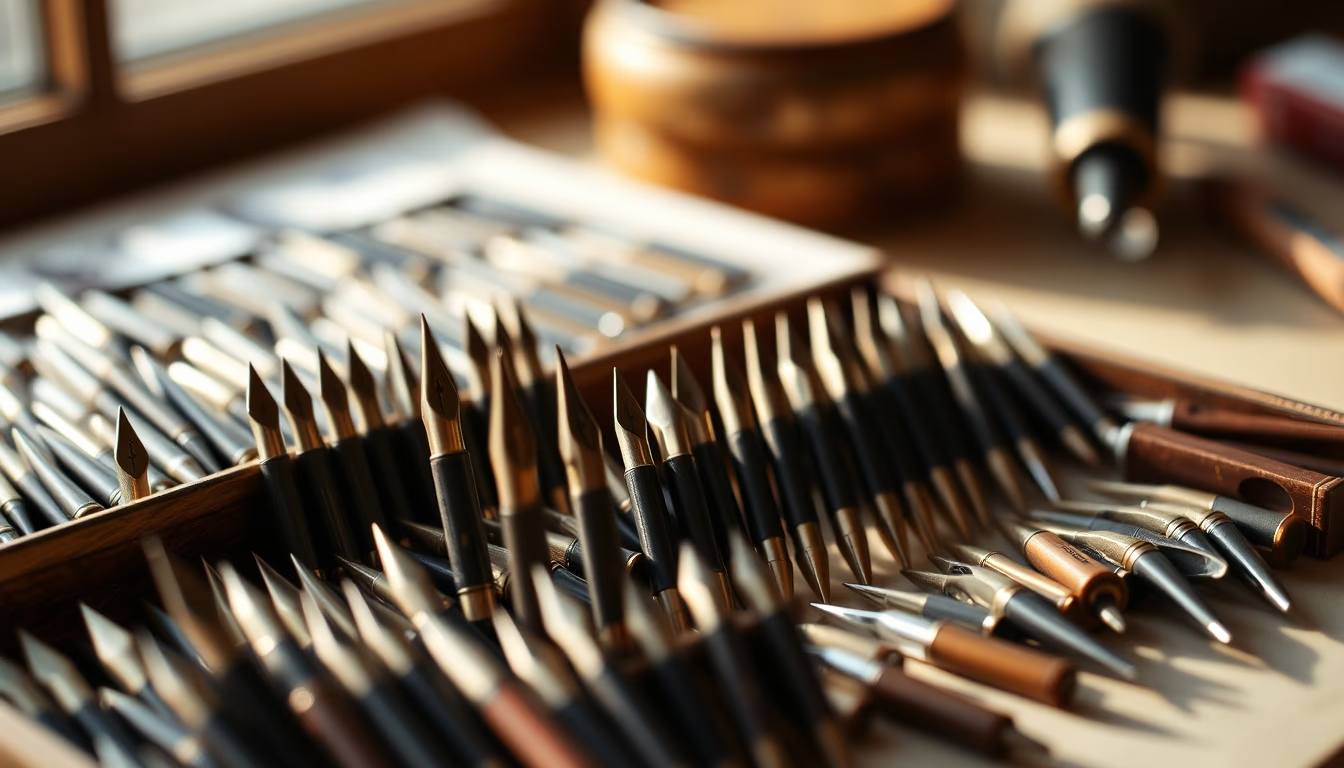
Shodo, meaning 'the way of writing', is a centuries-old Japanese art form that uses a brush, sumi ink, and washi paper to write kanji characters. It originated from Chinese calligraphy and was introduced to Japan around the 6th century, alongside Buddhism and the writing system. Each stroke is executed with precise, rhythmic movements, reflecting the artist's mental state. The practice of shodo is not merely writing but a meditative discipline that cultivates focus and inner harmony. There are three main styles: kaisho (block style, formal), gyosho (semi-cursive, more fluid), and sosho (cursive, highly expressive). Practitioners spend years perfecting their technique, learning to control brush pressure and stroke speed. Shodo is valued not only for its aesthetic beauty but also for the philosophical meaning of the characters, which often convey concepts like peace, strength, or nature. Today, shodo is practiced in Japan and worldwide, with exhibitions, competitions, and even applications in modern design. UNESCO recognized Japanese calligraphy as an Intangible Cultural Heritage, highlighting its importance to the country's cultural identity.
Frequently Asked Questions
What is the difference between shodo and Western calligraphy?
Shodo uses flexible brushes and soot-based ink, while Western calligraphy typically uses pens or quills. Shodo emphasizes spiritual expression and stroke balance, whereas Western calligraphy focuses more on legibility and ornamentation.
How long does it take to learn shodo?
Basic learning may take a few months, but mastery requires years of practice. Many practitioners dedicate their entire lives to improvement, as shodo is considered a continuous path of self-development.
What are the essential materials for practicing shodo?
Basic materials include a brush (fude), sumi ink in stick or liquid form, absorbent washi paper, a paperweight (bunchin), and an inkstone (suzuri) for grinding the stick. The quality of materials influences the final result.
Direct URL
https://pub-c7d6a6ea828543ac903a74a341ccb2e1.r2.dev/imagens/japanese-kanji-shodo-rembrandt-lighting-dramatic-shadows-fresh1.avifHow to credit
Include a visible link back to UtilizAí. Copy one of the snippets below:
<a href="https://xn--utiliza-eza.com/en/midia/imagens/japanese-kanji-shodo-rembrandt-lighting-dramatic-shadows-fresh1">Japanese kanji shodo</a> by <a href="https://xn--utiliza-eza.com">UtilizAí</a>, licensed under <a href="https://creativecommons.org/licenses/by/4.0/">CC BY 4.0</a>.
[Japanese kanji shodo](https://xn--utiliza-eza.com/en/midia/imagens/japanese-kanji-shodo-rembrandt-lighting-dramatic-shadows-fresh1) by [UtilizAí](https://xn--utiliza-eza.com), CC BY 4.0
License: CC-BY-4.0