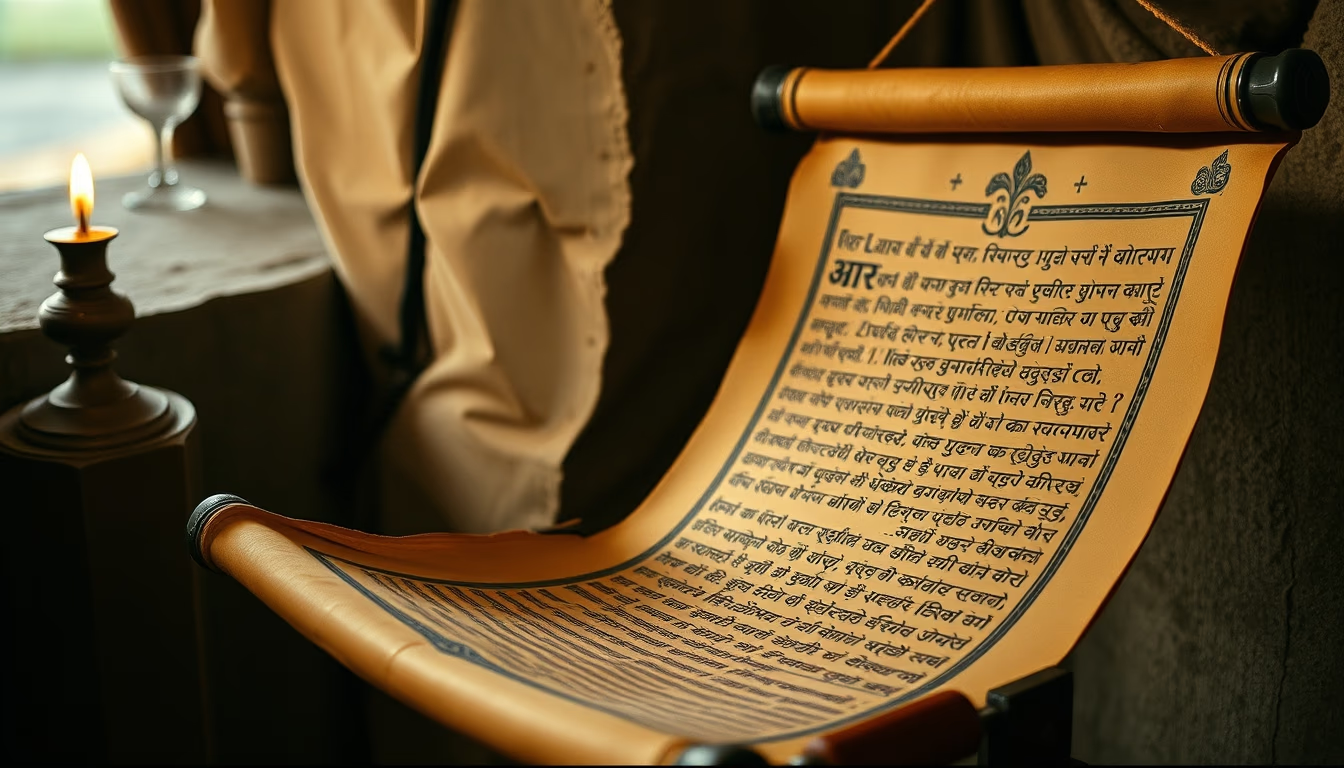
Japanese kanji shodo
1344×768 · AVIF · CC BY 4.0

Japanese shodo calligraphy is an ancient art that combines brushstrokes and sumi ink to write kanji with expressiveness and discipline.
About this subject
Shodo, or Japanese calligraphy, is an art that arrived in Japan from China around the 6th century, along with Buddhism and kanji characters. Quickly, Japanese monks and nobles adapted the technique, developing their own styles that reflect local sensibility. Shodo is not merely writing but a meditative practice requiring control of breath, posture, and concentration. Each brushstroke carries the calligrapher's intention, and the result is judged by harmony, rhythm, and energy of the strokes.
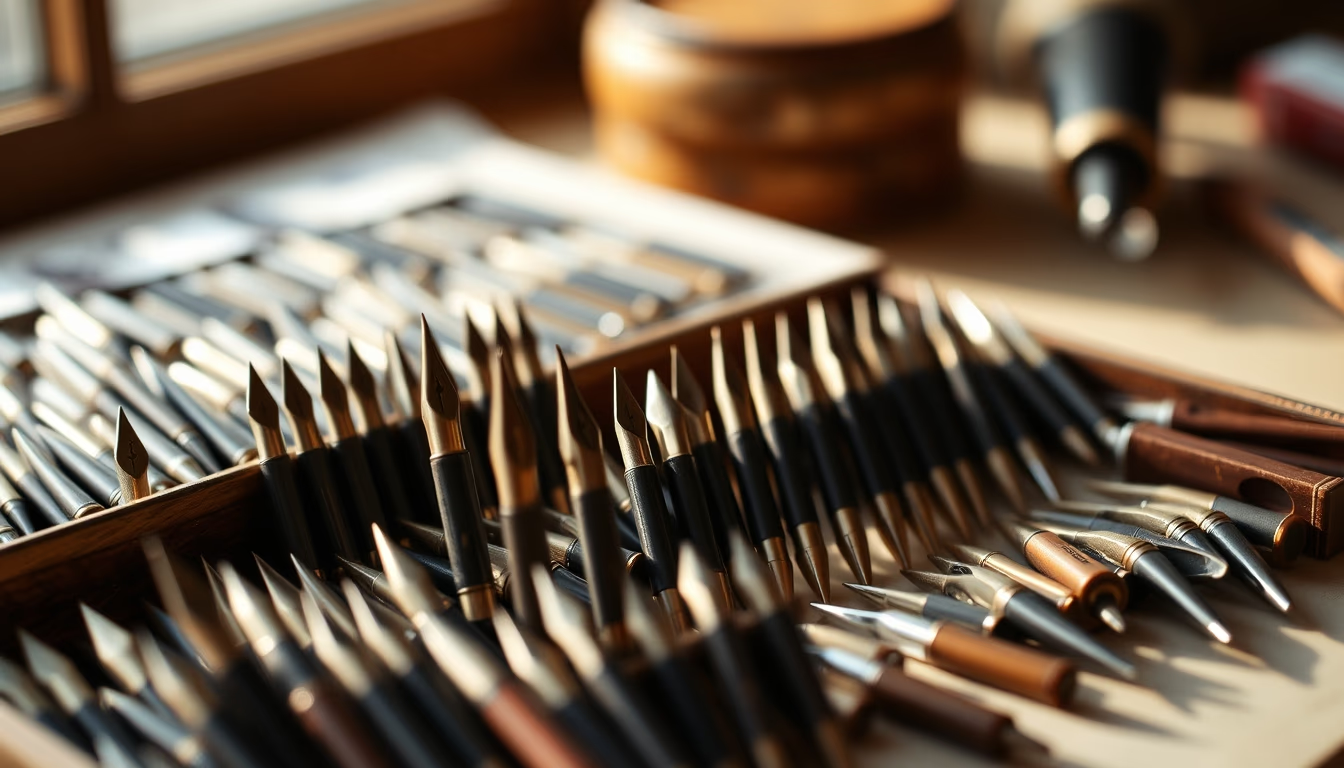
The traditional tools are known as the Four Treasures of the Study: the brush (fude), the ink stick (sumi), the inkstone (suzuri), and washi paper. Ink is made by grinding the sumi stick with water on the stone, producing liquid ink of varying shades. Washi paper, made from mulberry fibers, has the ideal texture to absorb ink without bleeding. The choice of brush is also critical: bristles from different animals (horse, goat, wolf) offer different flexibilities and responses.
There are three main styles of shodo. Kaisho (block style) is the most formal and legible, with clear, separate strokes. Gyosho (semi-cursive style) is faster and more fluid, with some connections between strokes. Sosho (cursive style) is the most abstract and expressive, where characters can be nearly illegible, prioritizing the beauty of movement. Practitioners spend years perfecting each style, often copying works of classical masters like Wang Xizhi or the monk Kūkai.
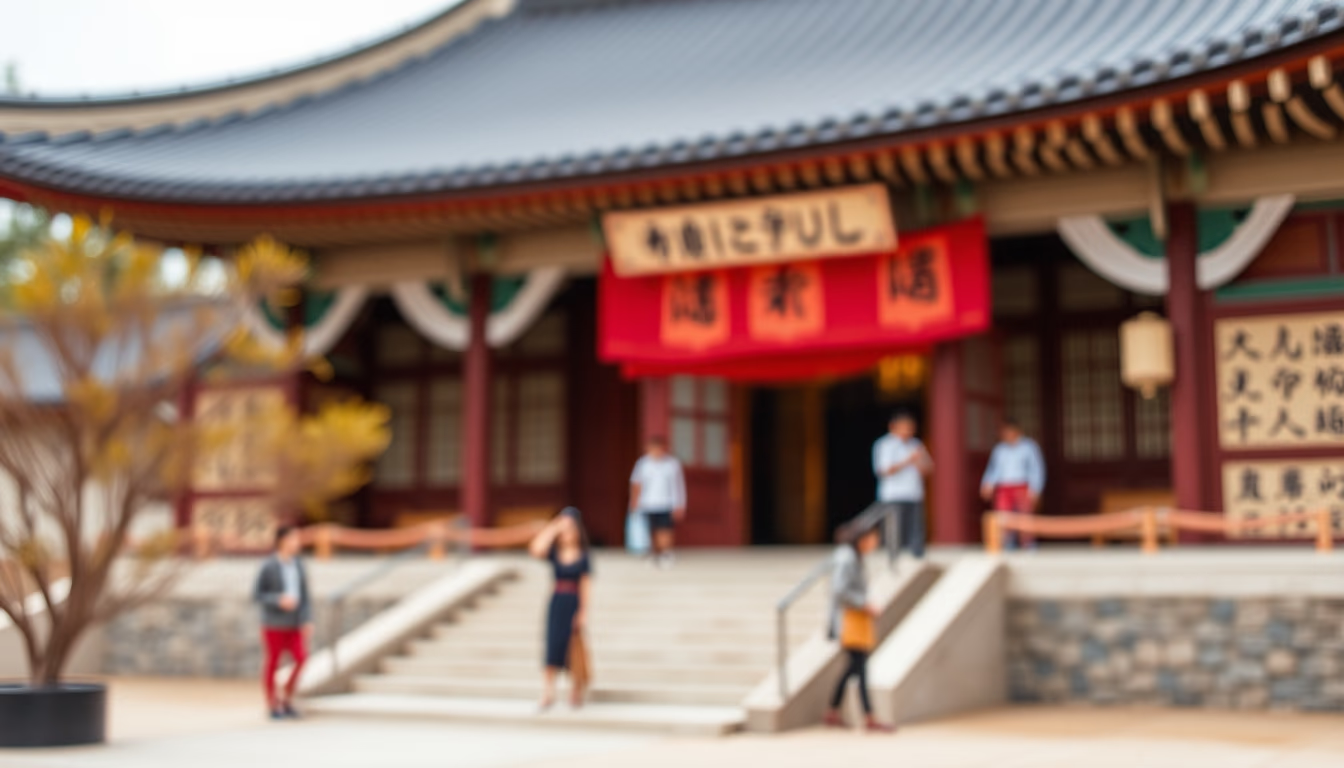
Shodo is deeply connected to Japanese aesthetics and Zen Buddhism. Many temples and monasteries offer calligraphy sessions as a form of meditation. Exhibitions and competitions of shodo are common in Japan, and the art is taught in schools as part of the curriculum. Besides kanji, hiragana and katakana are also practiced. Shodo values wabi-sabi, the beauty of imperfection, and each work is unique, as ink cannot be corrected.
Frequently Asked Questions
What is shodo?
Shodo is the Japanese art of calligraphy, using a brush and sumi ink to write kanji, hiragana, or katakana characters expressively and with discipline.
What are the main styles of shodo?
The three main styles are kaisho (block style, formal), gyosho (semi-cursive, more fluid), and sosho (cursive, abstract and expressive).
What tools are used in shodo?
The traditional tools are the brush (fude), the sumi ink stick, the inkstone (suzuri), and washi paper, known as the Four Treasures of the Study.
Direct URL
https://pub-c7d6a6ea828543ac903a74a341ccb2e1.r2.dev/imagens/japanese-kanji-shodo-lo-fi-disposable-camera-fresh15.avifHow to credit
Include a visible link back to UtilizAí. Copy one of the snippets below:
<a href="https://xn--utiliza-eza.com/en/midia/imagens/japanese-kanji-shodo-lo-fi-disposable-camera-fresh15">Japanese kanji shodo</a> by <a href="https://xn--utiliza-eza.com">UtilizAí</a>, licensed under <a href="https://creativecommons.org/licenses/by/4.0/">CC BY 4.0</a>.
[Japanese kanji shodo](https://xn--utiliza-eza.com/en/midia/imagens/japanese-kanji-shodo-lo-fi-disposable-camera-fresh15) by [UtilizAí](https://xn--utiliza-eza.com), CC BY 4.0
License: CC-BY-4.0