Japanese kanji shodo
1344×768 · AVIF · CC BY 4.0
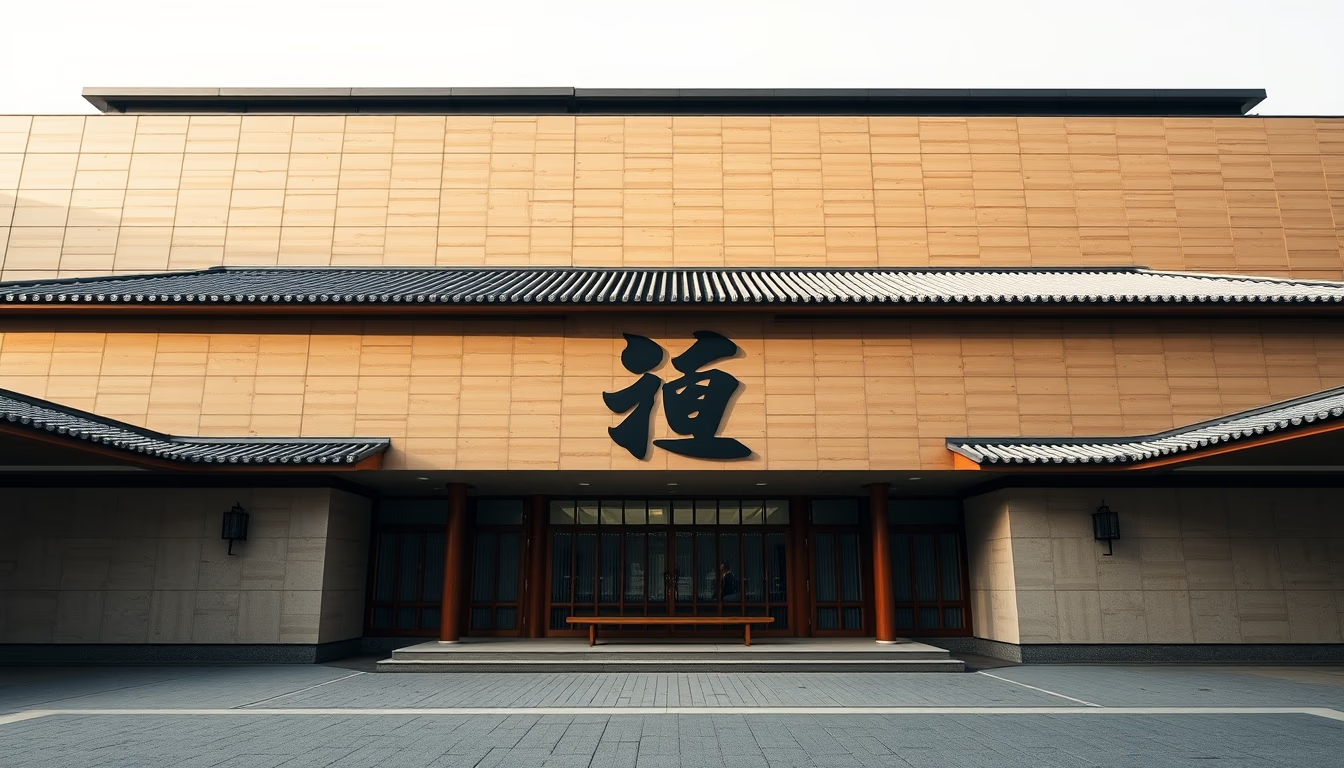
Shodo, the Japanese art of calligraphy, turns kanji characters into aesthetic and spiritual expression, practiced with brush and sumi ink.
About this subject
Shodo (書道) literally means 'way of writing'. This ancient practice arrived in Japan from China around the 6th century, along with Buddhism and Chinese characters. Initially used to reproduce sacred texts, it evolved into an art form that values movement, brush pressure, and the empty space between strokes. Each kanji character carries not only semantic meaning but also a visual composition that must flow harmoniously.
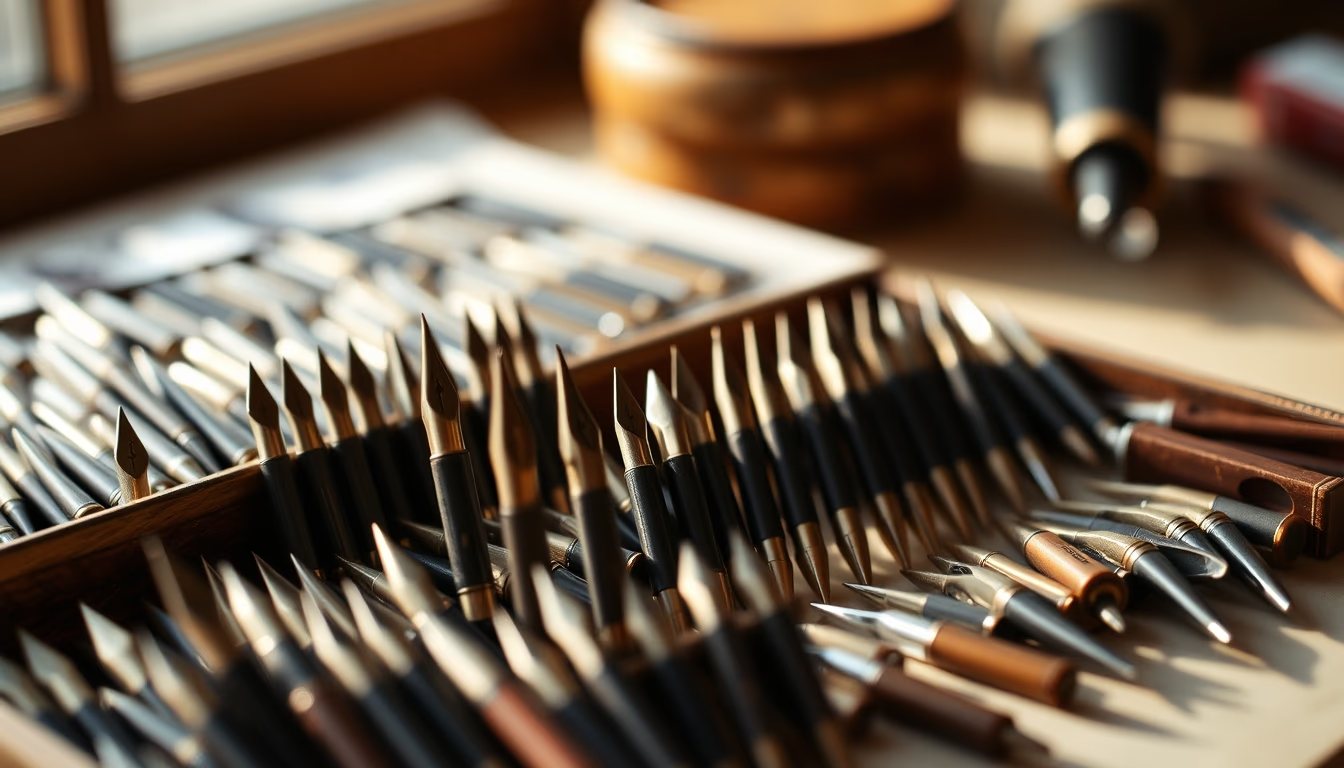
The practitioner uses a brush (fude), washi paper, an ink stone (suzuri), and a sumi ink stick. Grinding the sumi on the stone with water is already part of the meditative ritual. There are three main styles: kaisho (regular script, precise strokes), gyosho (semi-cursive, more fluid), and sosho (cursive, almost abstract). A masterpiece often seeks to capture the ki (vital energy) of the moment, making it impossible to exactly reproduce the same piece.
In contemporary Japan, shodo is taught in schools as a compulsory subject and also practiced as a hobby or spiritual path. Exhibitions and competitions gather thousands of works annually. Calligraphy has also influenced graphic design, architecture, and even pop culture, with artists creating live performances. Despite digitalization, shodo retains its value as an expression of the Japanese soul.
Frequently Asked Questions
What is the difference between shodo and Western calligraphy?
Shodo is not limited to legible writing: it emphasizes artistic expression, meditation, and the energy of the stroke. While Western calligraphy focuses on letter shapes, shodo values movement, pressure, and the balance between ink and empty space.
Do I need to know Japanese to practice shodo?
No. Many foreign practitioners learn basic strokes without understanding meaning. However, knowing kanji helps in composing characters harmoniously.
What materials are essential to start shodo?
A medium-sized brush (fude), washi paper, an ink stone (suzuri), and a sumi stick. Beginner kits are sold at art stores or online.
Direct URL
https://pub-c7d6a6ea828543ac903a74a341ccb2e1.r2.dev/imagens/japanese-kanji-shodo-architectural-photography-fresh13.avifHow to credit
Include a visible link back to UtilizAí. Copy one of the snippets below:
<a href="https://xn--utiliza-eza.com/en/midia/imagens/japanese-kanji-shodo-architectural-photography-fresh13">Japanese kanji shodo</a> by <a href="https://xn--utiliza-eza.com">UtilizAí</a>, licensed under <a href="https://creativecommons.org/licenses/by/4.0/">CC BY 4.0</a>.
[Japanese kanji shodo](https://xn--utiliza-eza.com/en/midia/imagens/japanese-kanji-shodo-architectural-photography-fresh13) by [UtilizAí](https://xn--utiliza-eza.com), CC BY 4.0
License: CC-BY-4.0