Incubator lab petri
1344×768 · AVIF · CC BY 4.0
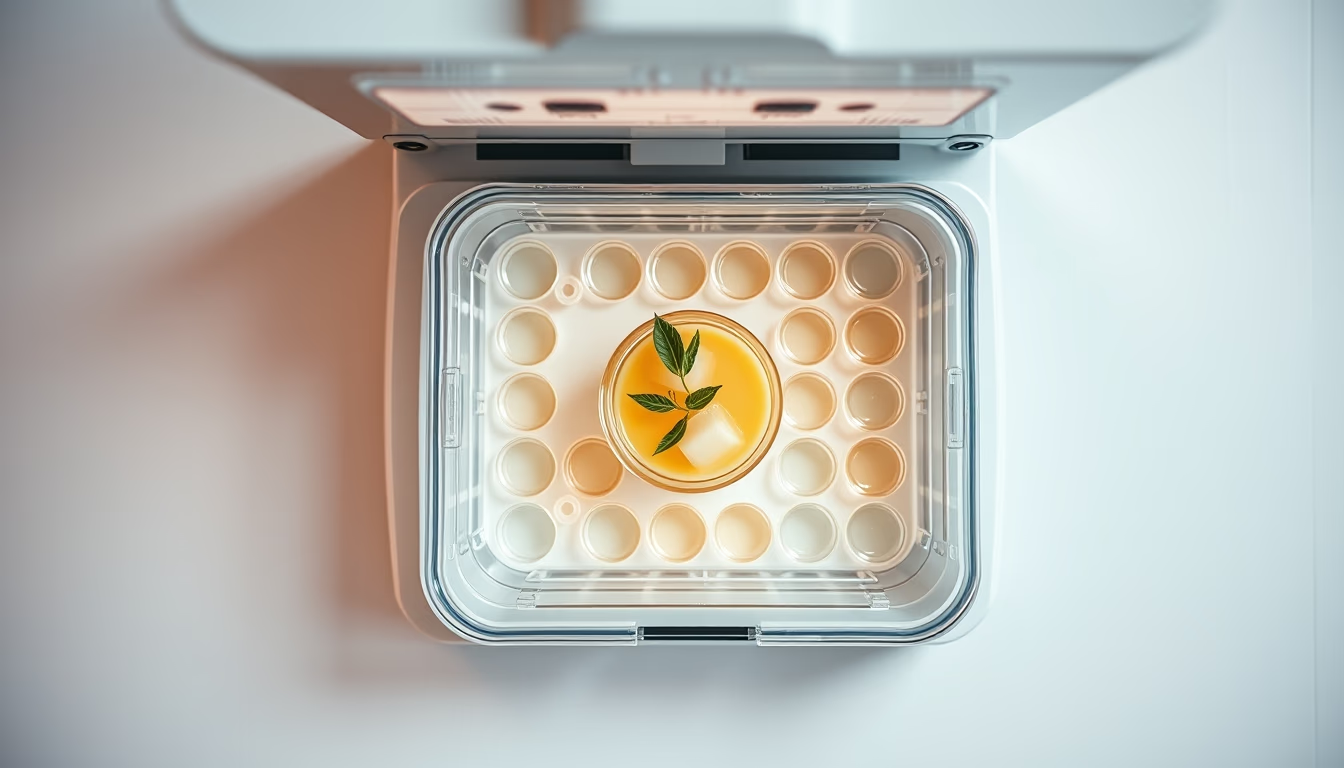
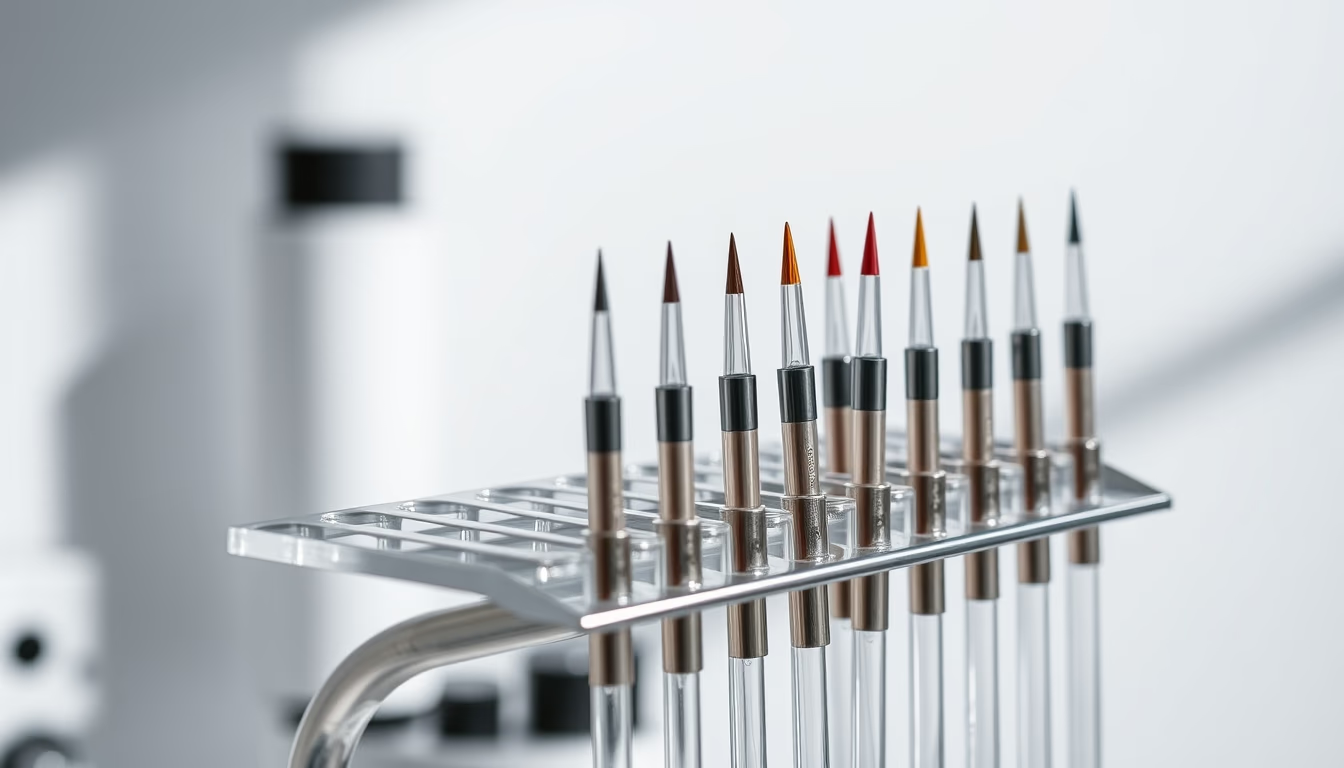
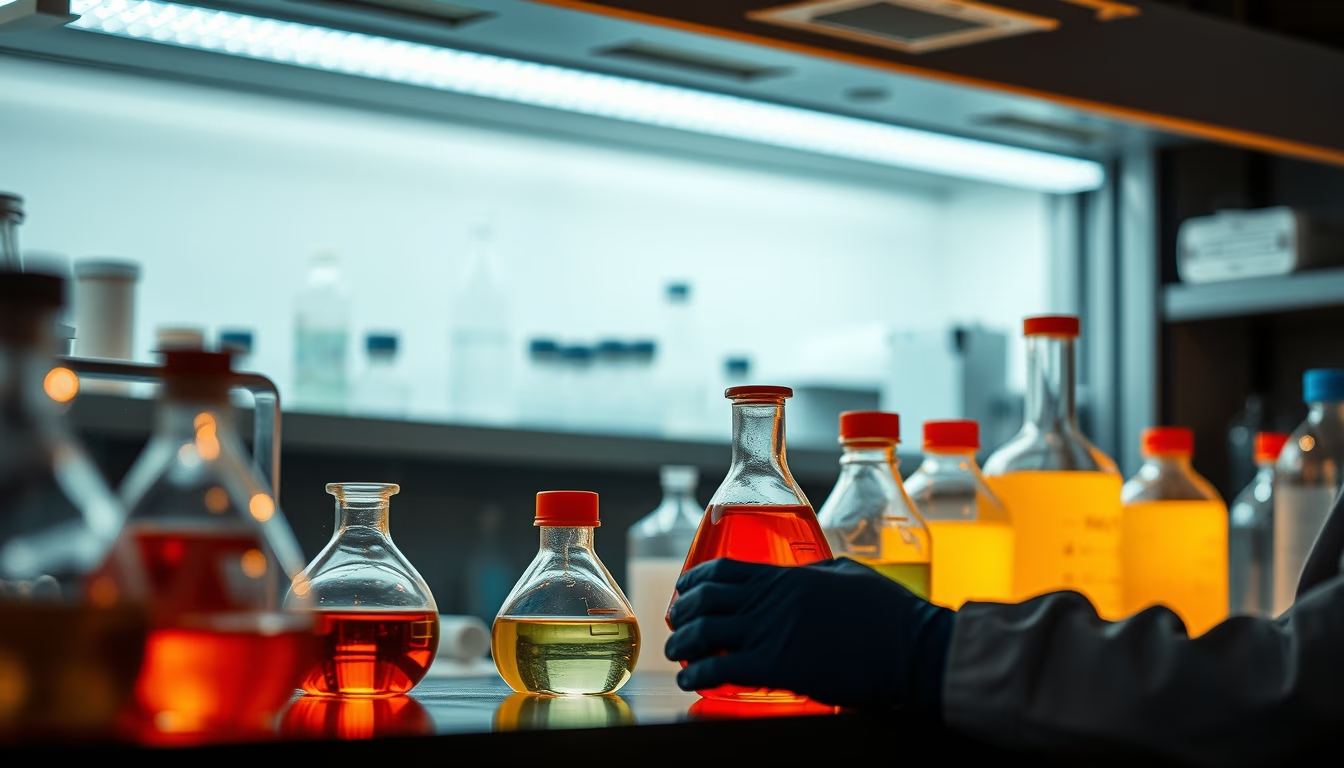
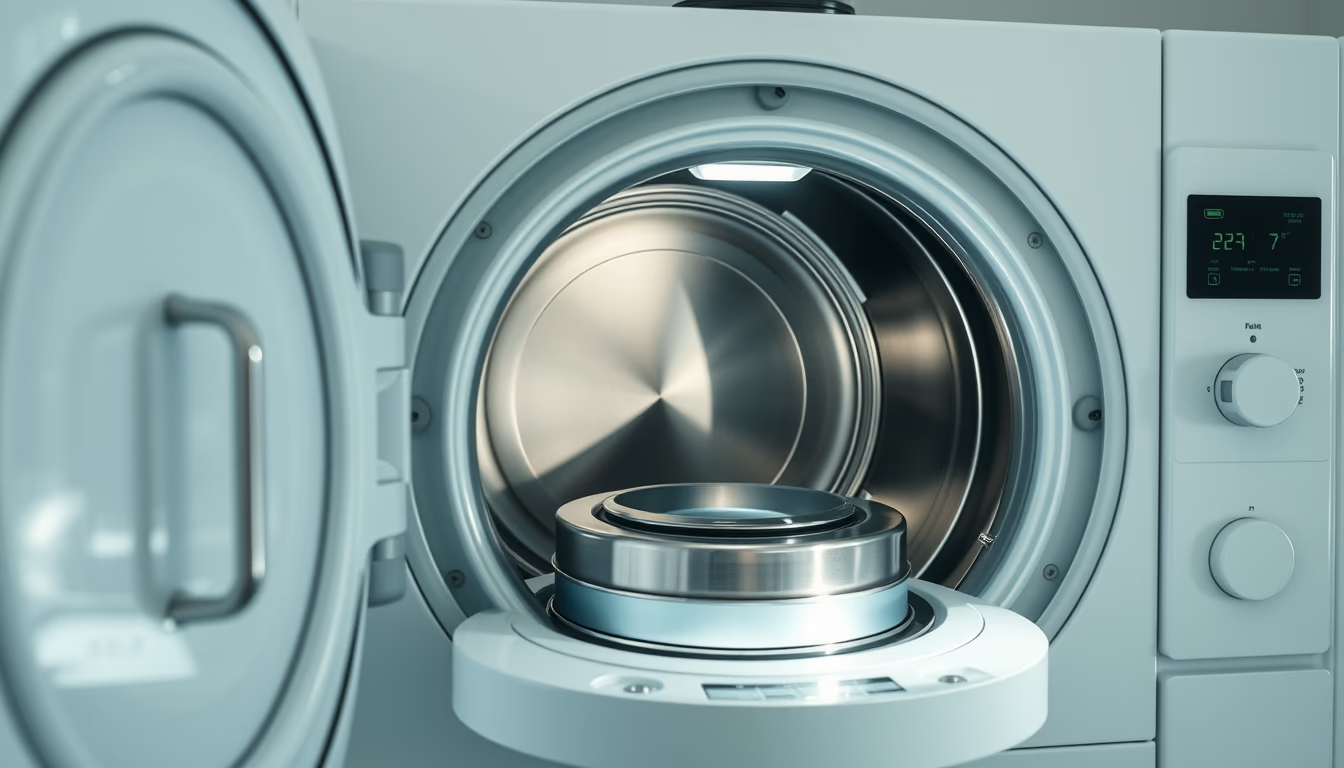
Laboratory incubator for microbial cultivation, maintaining controlled temperature and CO₂ for colony growth on Petri dishes.
About this subject
A laboratory incubator is an essential piece of equipment in microbiology and cell biology, designed to create optimal environmental conditions for the growth of microbial or cellular cultures. Typically operating at temperatures between 30°C and 40°C, models also control carbon dioxide (CO₂) concentrations from 5% to 10%, critical for mammalian cell cultures. The Petri dish, invented by German bacteriologist Julius Richard Petri in 1887, is the standard container for solid-surface cultivation, containing solidified agar with nutrients.
The basic principle involves inoculating microorganisms onto the agar surface and subsequent incubation in a sterile, humid environment. Modern incubators feature precise controls for temperature, humidity, and gases, plus UV decontamination systems to prevent cross-contamination. Common applications include pathogen isolation, antibiotic sensitivity testing, vaccine production, and genetic engineering research.
Interestingly, early incubators were rudimentary, such as Louis Pasteur's “moist chamber” using a kerosene heater. Today, CO₂ incubators are precision instruments with alarms and continuous logging, essential in Biosafety Level 2 laboratories. The choice of incubator type depends on the organism: aerobic bacteria grow in simple ovens, while animal cells require CO₂ and high humidity.
Globally, standardized incubation methods ensure reproducibility across laboratories, with the World Health Organization (WHO) and the Clinical and Laboratory Standards Institute (CLSI) providing reference protocols. Modern Petri dishes range from 35 mm to 150 mm in diameter, with disposable and reusable versions, all autoclavable.
Frequently Asked Questions
What is the ideal temperature for a bacterial incubator?
Most human pathogenic bacteria grow well at 37°C, but some require lower or higher temperatures. Adjustable incubators from 20°C to 50°C cover most applications.
Why do some incubators require CO₂?
CO₂ maintains the pH of the culture medium buffered (using bicarbonate) and is essential for the metabolism of mammalian cells. Typical concentrations are 5% to 10%.
How long does it take to grow a culture in a Petri dish?
It varies by microorganism: bacteria like E. coli produce visible colonies in 12-24 hours, while fungi may take days. Standard incubation is 24 to 48 hours.
Direct URL
https://pub-c7d6a6ea828543ac903a74a341ccb2e1.r2.dev/imagens/incubator-lab-petri-isometric-flat-lay-fresh10.avifHow to credit
Include a visible link back to UtilizAí. Copy one of the snippets below:
<a href="https://xn--utiliza-eza.com/en/midia/imagens/incubator-lab-petri-isometric-flat-lay-fresh10">Incubator lab petri</a> by <a href="https://xn--utiliza-eza.com">UtilizAí</a>, licensed under <a href="https://creativecommons.org/licenses/by/4.0/">CC BY 4.0</a>.
[Incubator lab petri](https://xn--utiliza-eza.com/en/midia/imagens/incubator-lab-petri-isometric-flat-lay-fresh10) by [UtilizAí](https://xn--utiliza-eza.com), CC BY 4.0
License: CC-BY-4.0