Incubator lab petri
1344×768 · AVIF · CC BY 4.0
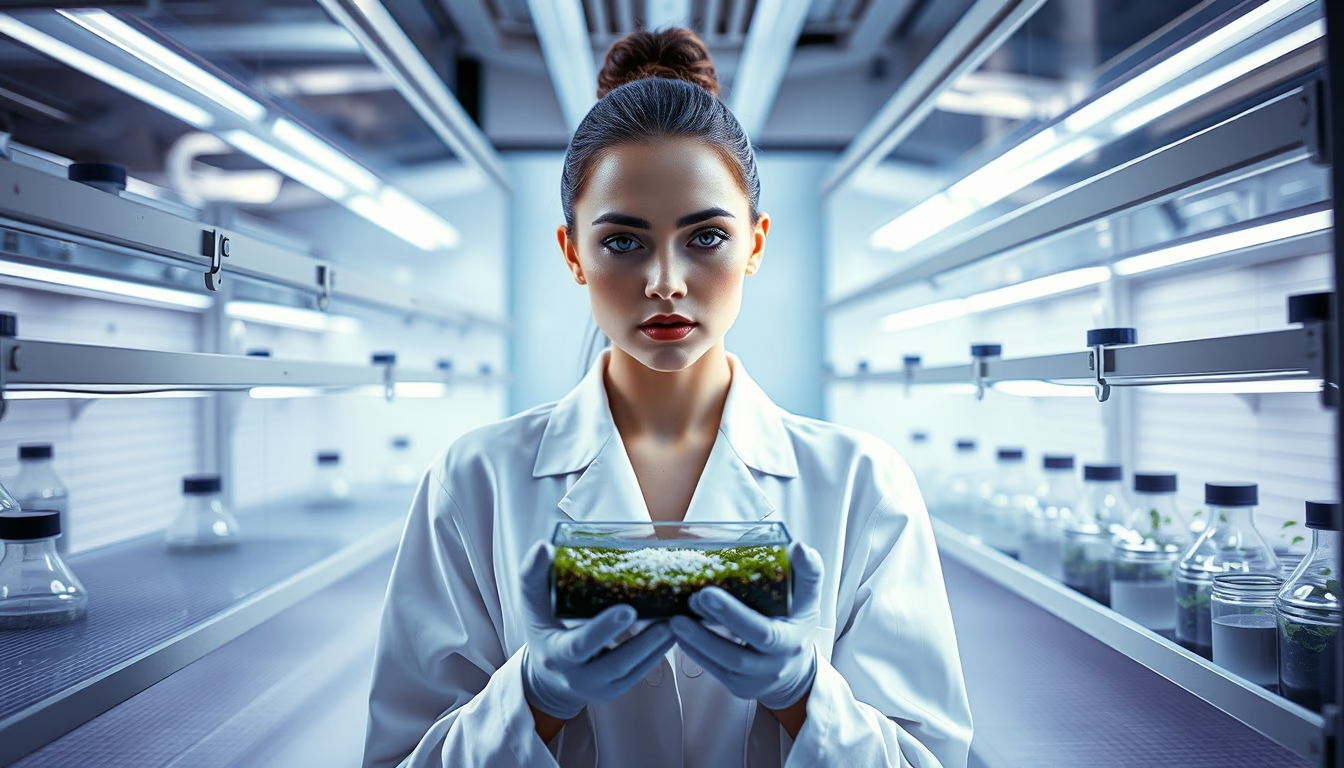
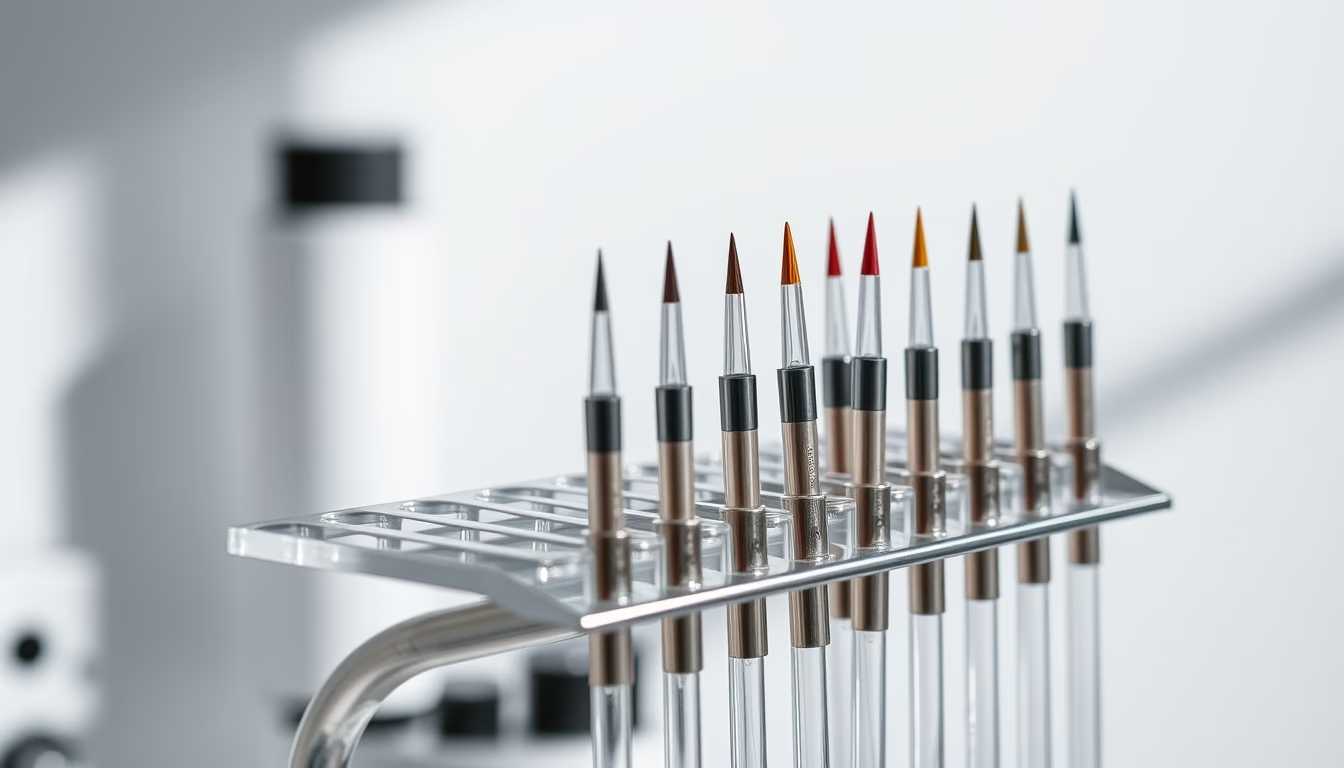
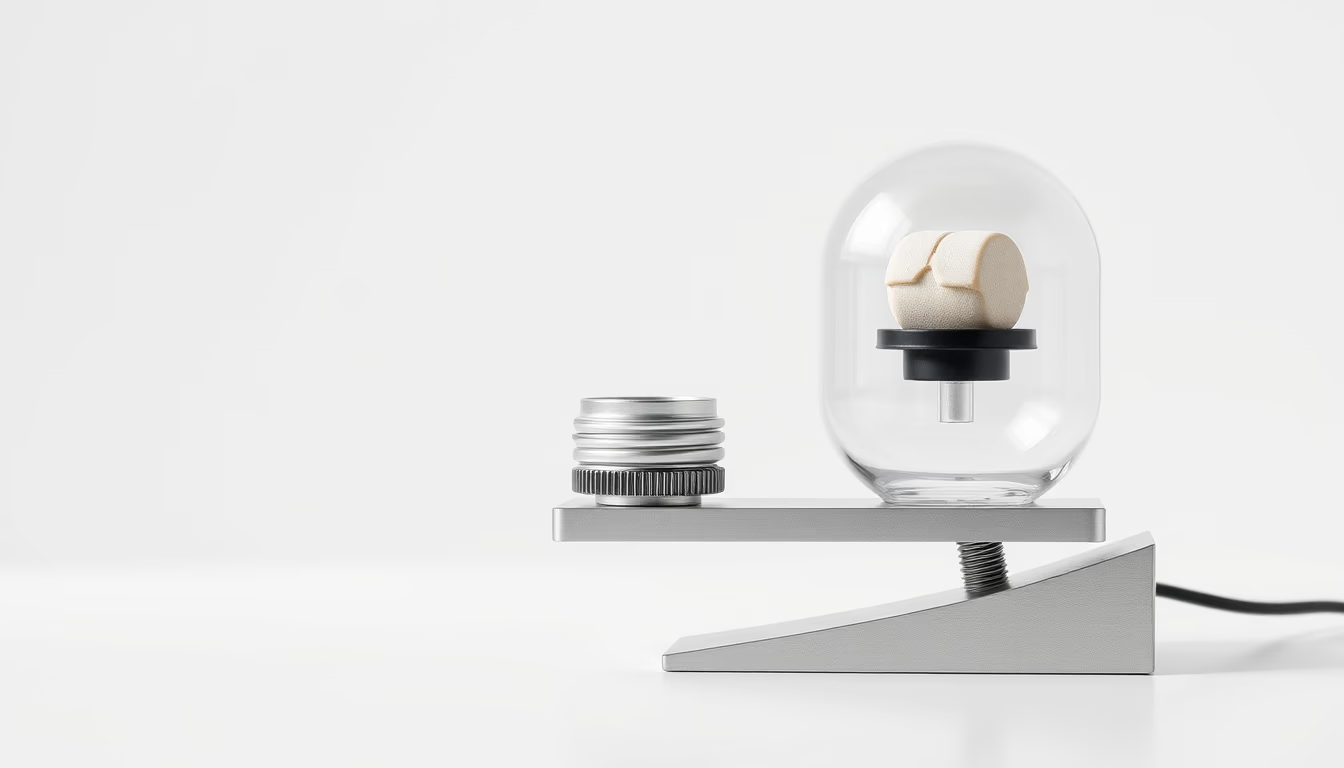
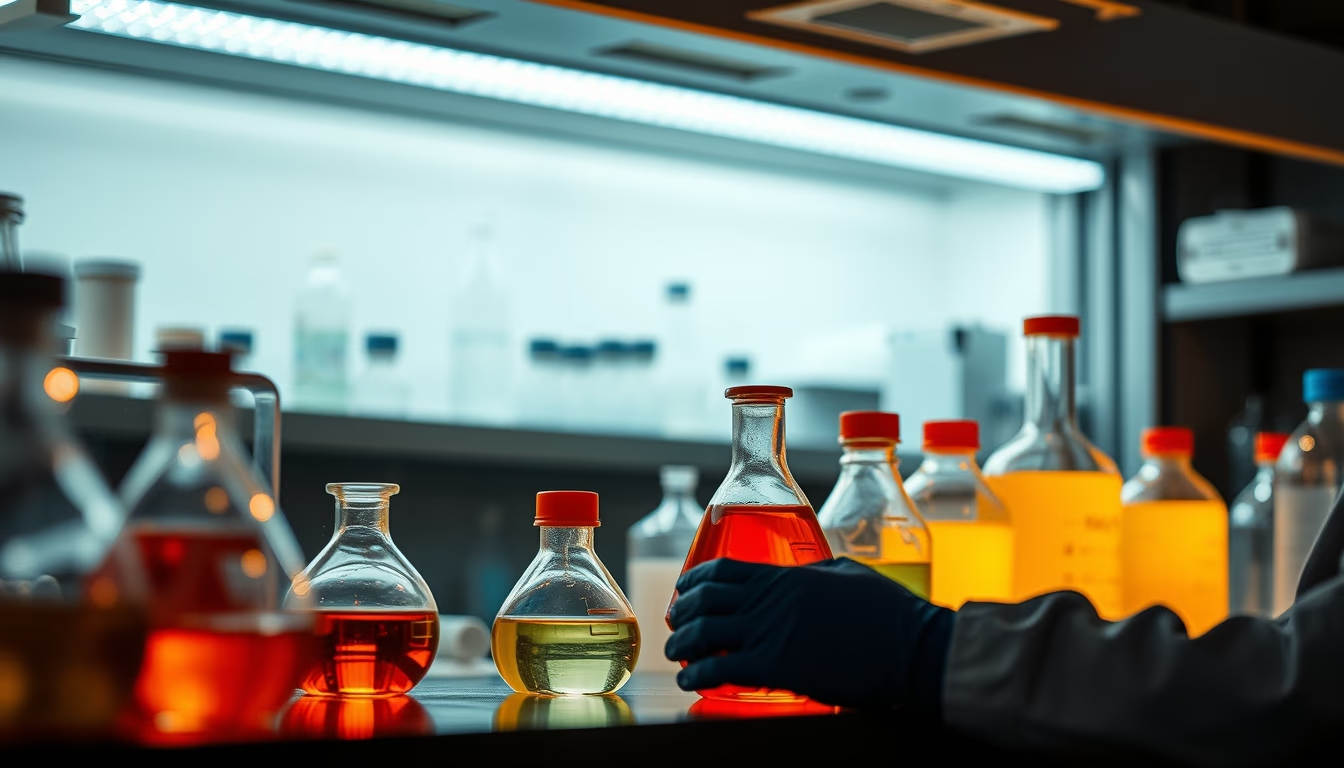
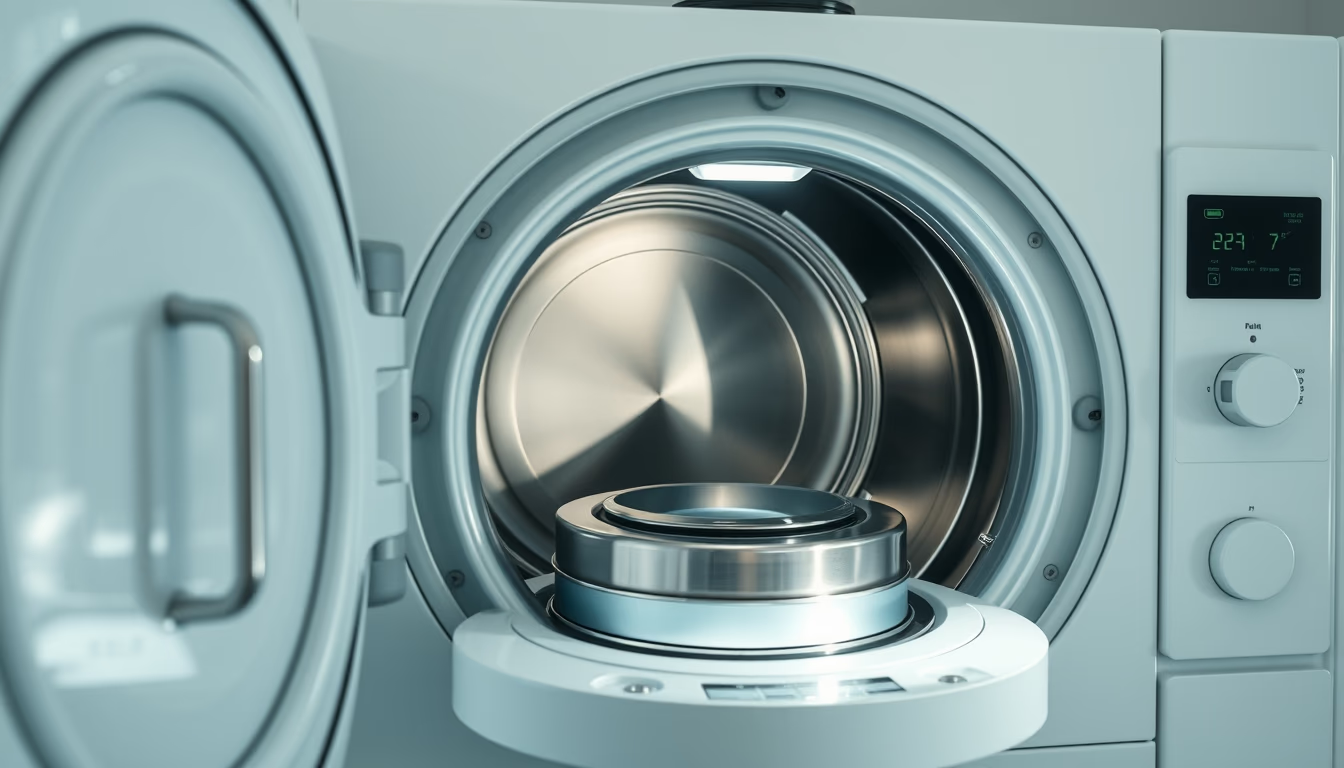
Laboratory incubators maintain optimal temperature and humidity for growing microorganisms in petri dishes, essential in microbiology.
About this subject
Laboratory incubators are essential equipment in microbiology, creating a controlled environment for the growth of bacterial, fungal, or cell cultures. They typically operate in the range of 20°C to 40°C, with 37°C being the most common temperature for pathogenic bacteria, mimicking the human body. Precise control of temperature, humidity, and in some models CO2, ensures reproducibility essential for scientific experiments.
The Petri dish, invented by German bacteriologist Julius Richard Petri in 1887, is the standard container for cultivation. Consisting of two glass or plastic dishes, it allows microorganisms to grow on solid media like agar without external contamination. The incubator-Petri dish combination revolutionized medicine, enabling isolation of pathogens such as the tuberculosis bacillus by Robert Koch.
Modern incubators may include orbital shaking for liquid cultures, CO2 sensors for cell cultures, and even remote control interfaces. Maintaining sterility and periodic calibration are crucial for reliable results. In hospitals, they are used for diagnosing infections, while in basic research they study everything from antibiotic resistance to enzyme production.
Frequently Asked Questions
How does a laboratory incubator work?
A laboratory incubator maintains controlled temperature, humidity, and sometimes CO2 levels to promote microorganism growth. It heats the internal air and uses sensors to keep conditions stable, typically between 20°C and 40°C.
What is the ideal temperature for bacterial culture?
For most human pathogenic bacteria, the ideal temperature is 37°C, equivalent to body temperature. However, some bacteria grow better at 25°C or 30°C, depending on the species.
What are Petri dishes and how are they used?
Petri dishes are shallow, round containers, usually made of glass or plastic, used to grow microorganisms on solid media (agar). The medium is poured into the dish, solidifies, then biological samples are inoculated and incubated to observe growth.
Direct URL
https://pub-c7d6a6ea828543ac903a74a341ccb2e1.r2.dev/imagens/incubator-lab-petri-high-fashion-editorial-fresh4.avifHow to credit
Include a visible link back to UtilizAí. Copy one of the snippets below:
<a href="https://xn--utiliza-eza.com/en/midia/imagens/incubator-lab-petri-high-fashion-editorial-fresh4">Incubator lab petri</a> by <a href="https://xn--utiliza-eza.com">UtilizAí</a>, licensed under <a href="https://creativecommons.org/licenses/by/4.0/">CC BY 4.0</a>.
[Incubator lab petri](https://xn--utiliza-eza.com/en/midia/imagens/incubator-lab-petri-high-fashion-editorial-fresh4) by [UtilizAí](https://xn--utiliza-eza.com), CC BY 4.0
License: CC-BY-4.0