Incubator lab petri
1344×768 · AVIF · CC BY 4.0

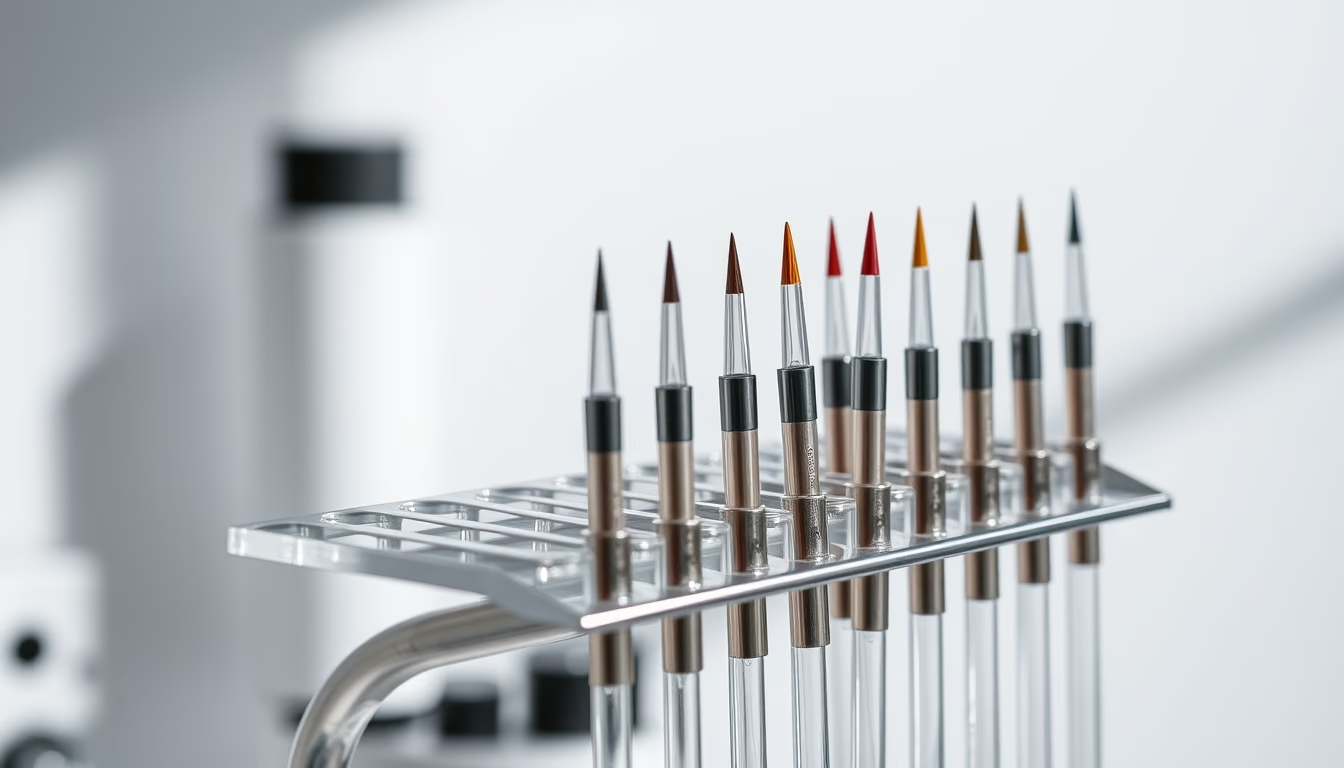
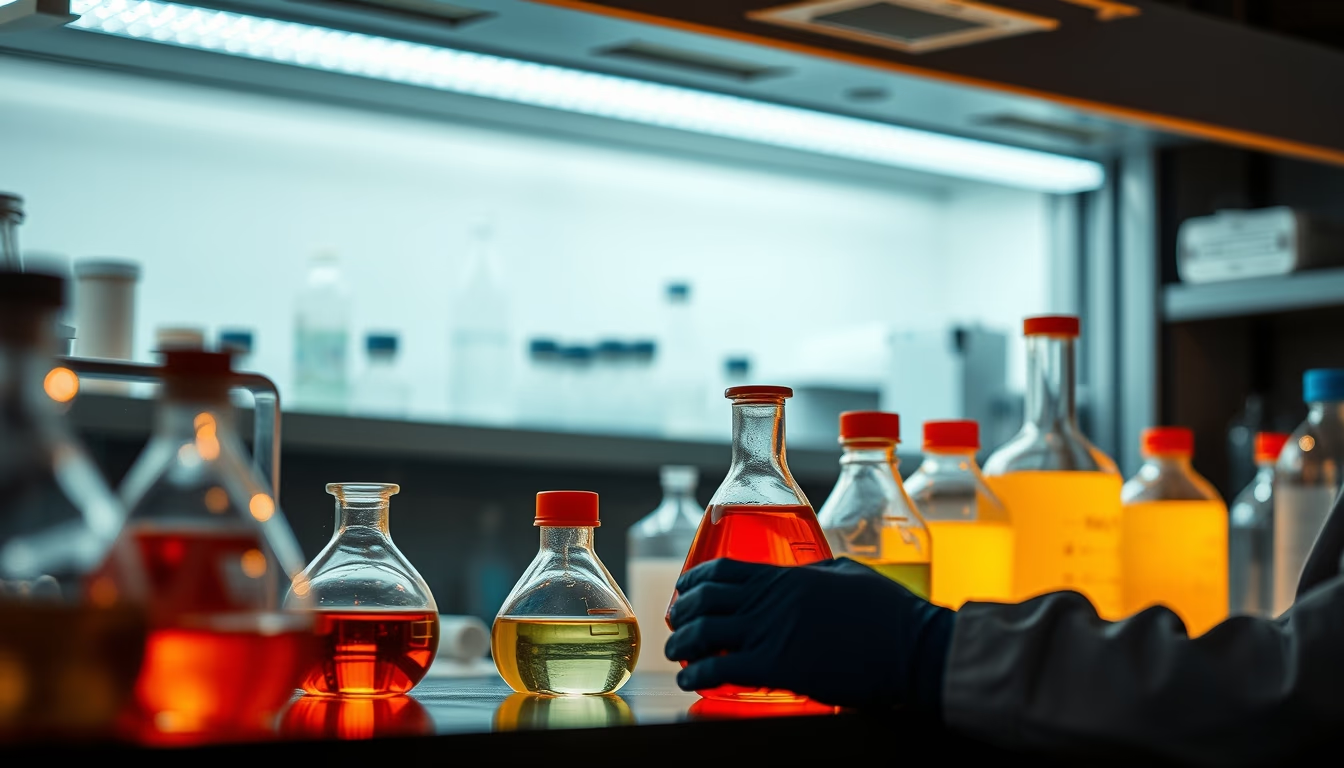
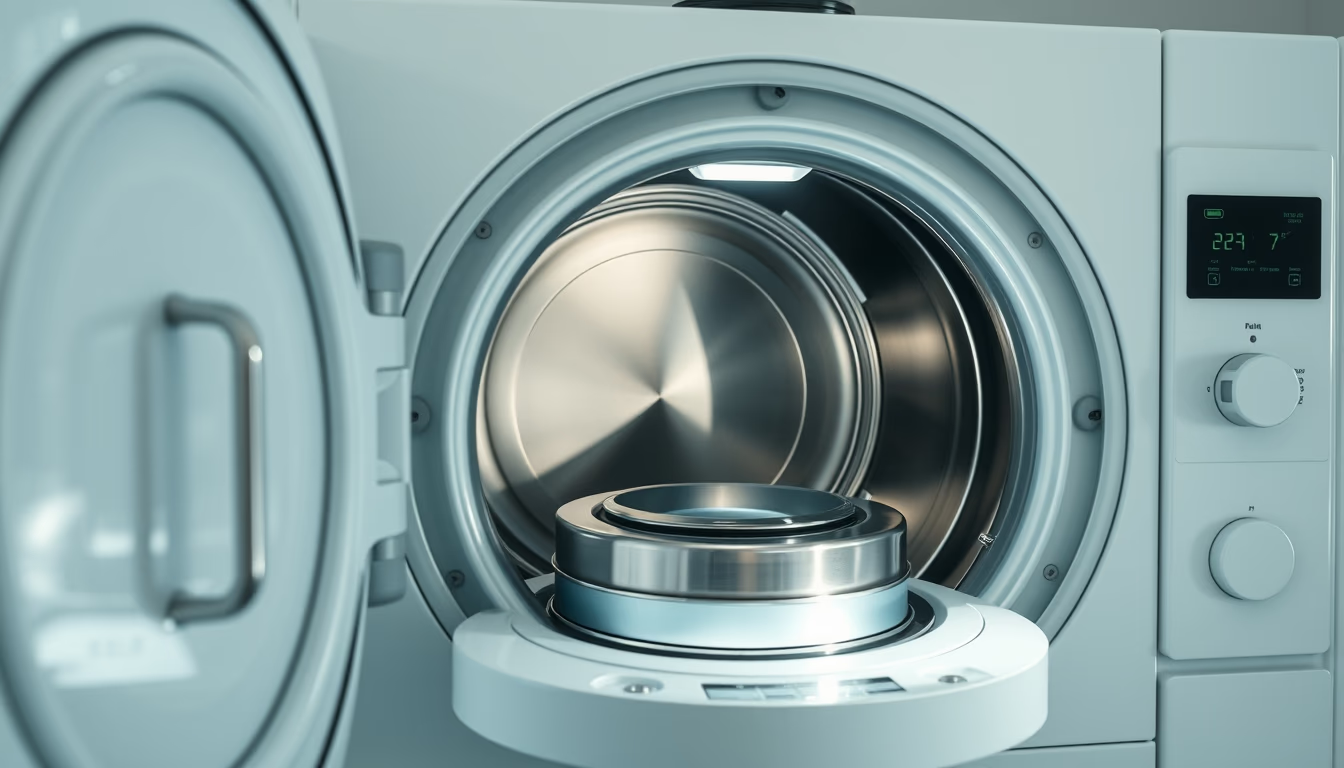
Laboratory incubators maintain optimal conditions for cell and microorganism culture, with precise temperature and humidity control.
About this subject
Laboratory incubators are essential devices for culturing cells, tissues, and microorganisms. Used in biomedical research, microbiology, and biotechnology, they provide a controlled environment with precise temperature, humidity, and, in some models, CO2 and O2 levels. Typical temperature for human cell culture is 37°C, while bacteria may require temperatures between 25°C and 45°C, depending on species.
Different types exist: gravity convection (natural), forced air circulation (fan-assisted), and CO2 incubators, which maintain stable pH via CO2 injection. Advanced models include low-oxygen incubators for hypoxia studies or stem cell culture. Relative humidity is kept between 90% and 95% to prevent evaporation of culture media.
Periodic calibration and validation are critical to ensure parameter accuracy. Modern incubators feature digital sensors, alarms, and data logging systems. Regular cleaning with specific disinfectants prevents cross-contamination between experiments. In Brazil, ANVISA regulates incubator use in clinical and research labs.
Interesting fact: the first incubator was built in the 19th century by Louis Pasteur. Today, models capable of holding dozens of Petri dishes are common in universities and hospitals. Preventive maintenance, including filter replacement and door sealing checks, ensures equipment longevity and experimental reproducibility.
Frequently Asked Questions
What is the ideal temperature for a laboratory incubator?
The ideal temperature depends on the organism: 37°C for human cells, 30, 37°C for mesophilic bacteria, and 25, 30°C for yeasts. Incubators allow fine adjustment with ±0.1°C precision.
How to prevent contamination in an incubator?
Regularly use disinfectants like 70% alcohol or hydrogen peroxide solutions. Minimize door openings and use covered Petri dishes. Models with HEPA filters reduce particle entry.
What is a CO2 incubator and what is it used for?
CO2 incubators maintain 5, 10% carbon dioxide, typically at 37°C and high humidity, for culturing cells that require stable pH (via bicarbonate buffer). They are common in cell and tissue culture.
Direct URL
https://pub-c7d6a6ea828543ac903a74a341ccb2e1.r2.dev/imagens/incubator-lab-petri-cinematic-wide-shot-fresh15.avifHow to credit
Include a visible link back to UtilizAí. Copy one of the snippets below:
<a href="https://xn--utiliza-eza.com/en/midia/imagens/incubator-lab-petri-cinematic-wide-shot-fresh15">Incubator lab petri</a> by <a href="https://xn--utiliza-eza.com">UtilizAí</a>, licensed under <a href="https://creativecommons.org/licenses/by/4.0/">CC BY 4.0</a>.
[Incubator lab petri](https://xn--utiliza-eza.com/en/midia/imagens/incubator-lab-petri-cinematic-wide-shot-fresh15) by [UtilizAí](https://xn--utiliza-eza.com), CC BY 4.0
License: CC-BY-4.0