Incubator lab petri
1344×768 · AVIF · CC BY 4.0
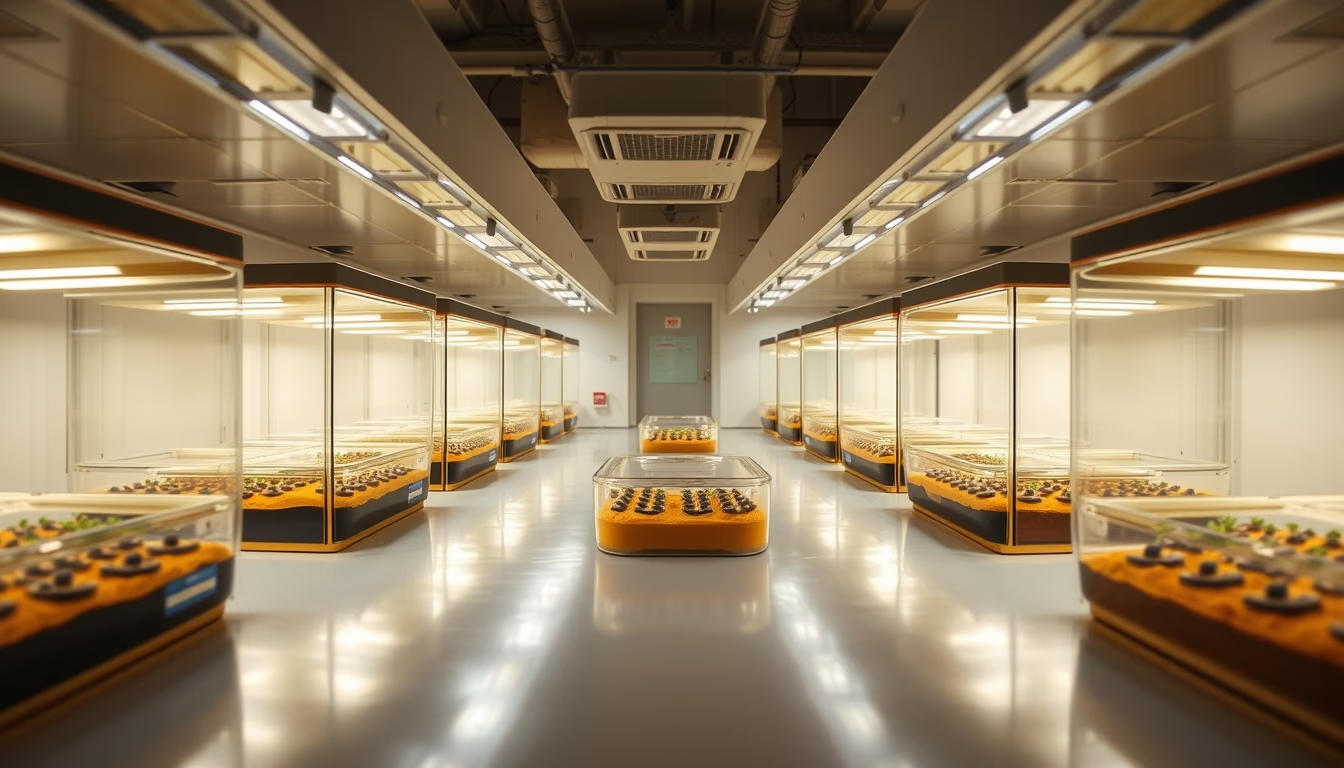
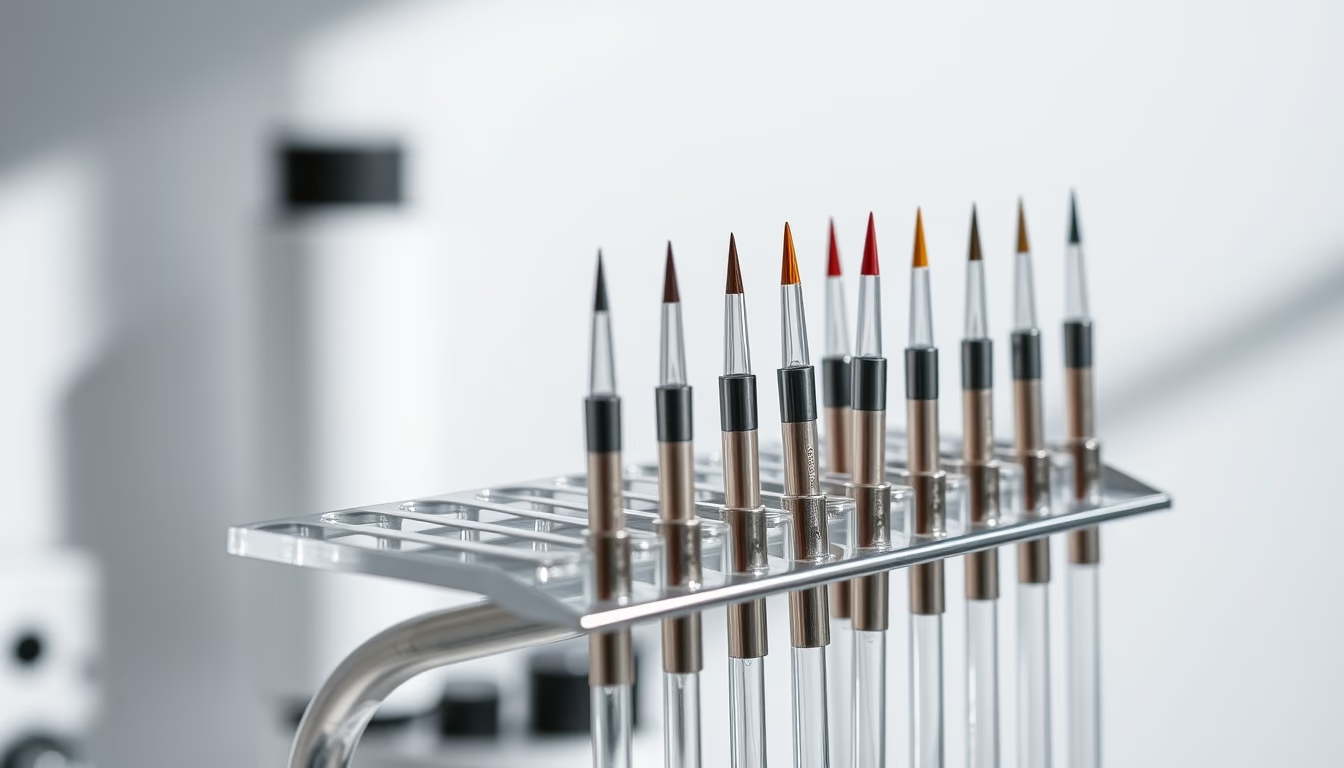
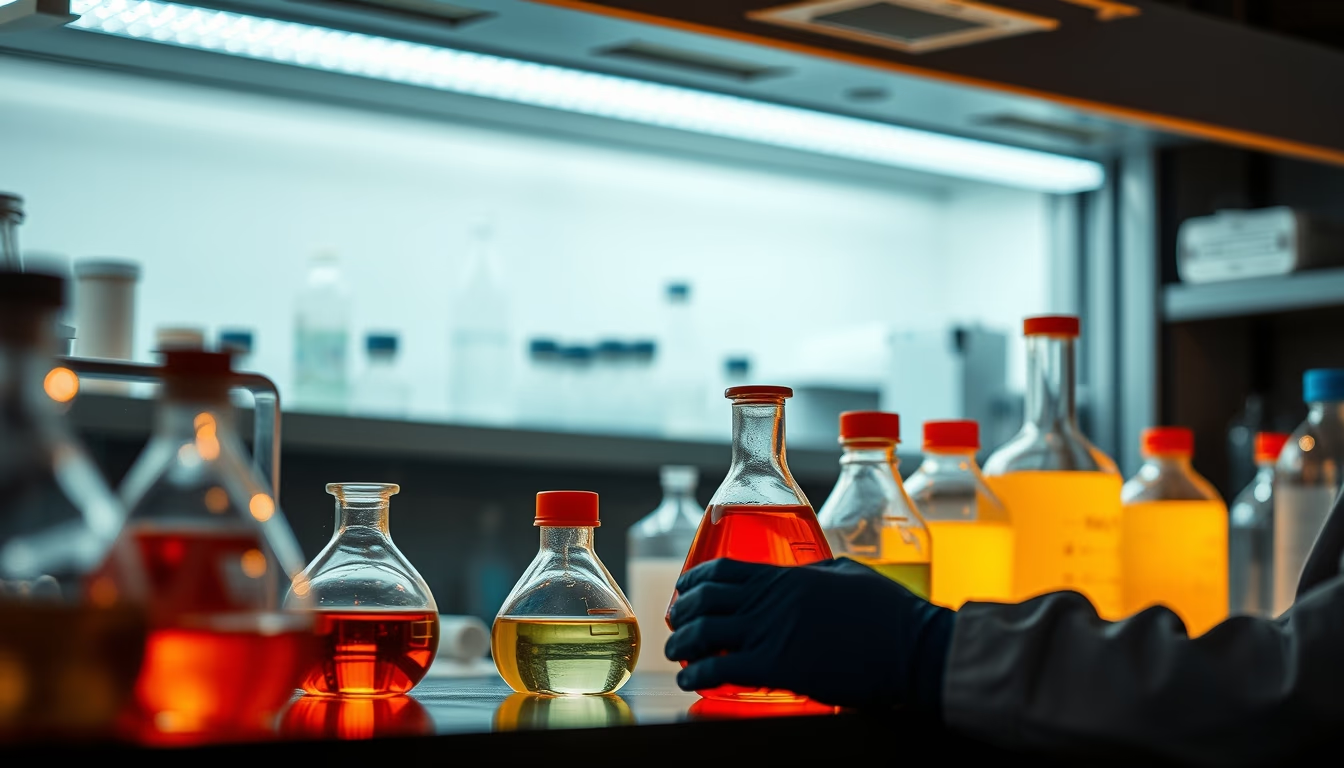
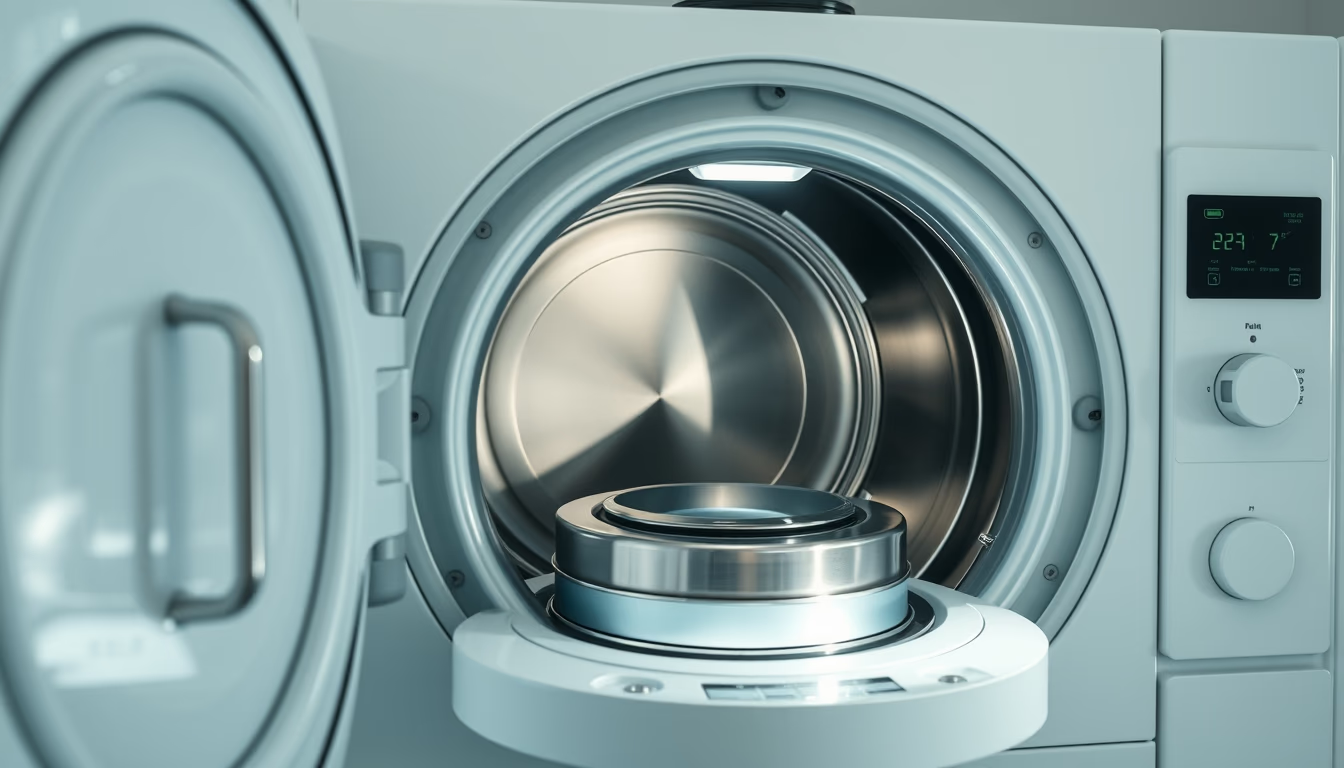
Laboratory incubators and Petri dishes are essential tools for culturing microorganisms and cells under controlled temperature and humidity conditions.
About this subject
The laboratory incubator is an essential device in microbiology, cell biology, and medicine. Its primary purpose is to maintain a stable environment of temperature, humidity, and, in some models, CO2 concentration to support the growth of microbial or cell cultures. Conventional incubators typically operate between 30°C and 40°C, but specialized versions can reach higher temperatures for applications such as seed germination or enzyme assays.
The Petri dish, invented in the late 19th century by German bacteriologist Julius Richard Petri while working with Robert Koch, is a shallow glass or plastic container with a lid. It is filled with a solid culture medium, such as agar, which supplies nutrients for microbial growth. The combination of incubator and Petri dish revolutionized biological research by allowing the isolation of pure colonies and the study of microbial characteristics.
In clinical laboratories, these tools are vital for diagnostics, such as isolating pathogenic bacteria from patient samples. In biotechnology, they are used for cloning, antibiotic production, and genetic engineering. Standardization of incubation conditions is critical for scientific reproducibility.
Interestingly, traditional Petri dishes were made of glass, but disposable plastic versions now dominate the market. Modern incubators can include shaking mechanisms, gas control, and digital data logging interfaces, meeting the demands of complex research such as stem cell culture or microbiome studies.
Frequently Asked Questions
What is the standard temperature of a laboratory incubator?
The standard incubation temperature for bacterial cultures is usually 37°C, but it can vary depending on the microorganism, commonly between 30°C and 40°C.
Who invented the Petri dish and when?
The Petri dish was invented by German bacteriologist Julius Richard Petri in 1887 while working in Robert Koch's laboratory.
What is the purpose of a Petri dish in a laboratory?
A Petri dish is used to culture microorganisms on a solid culture medium, allowing colony isolation and microbiological testing.
Direct URL
https://pub-c7d6a6ea828543ac903a74a341ccb2e1.r2.dev/imagens/incubator-lab-petri-architectural-photography-fresh5.avifHow to credit
Include a visible link back to UtilizAí. Copy one of the snippets below:
<a href="https://xn--utiliza-eza.com/en/midia/imagens/incubator-lab-petri-architectural-photography-fresh5">Incubator lab petri</a> by <a href="https://xn--utiliza-eza.com">UtilizAí</a>, licensed under <a href="https://creativecommons.org/licenses/by/4.0/">CC BY 4.0</a>.
[Incubator lab petri](https://xn--utiliza-eza.com/en/midia/imagens/incubator-lab-petri-architectural-photography-fresh5) by [UtilizAí](https://xn--utiliza-eza.com), CC BY 4.0
License: CC-BY-4.0