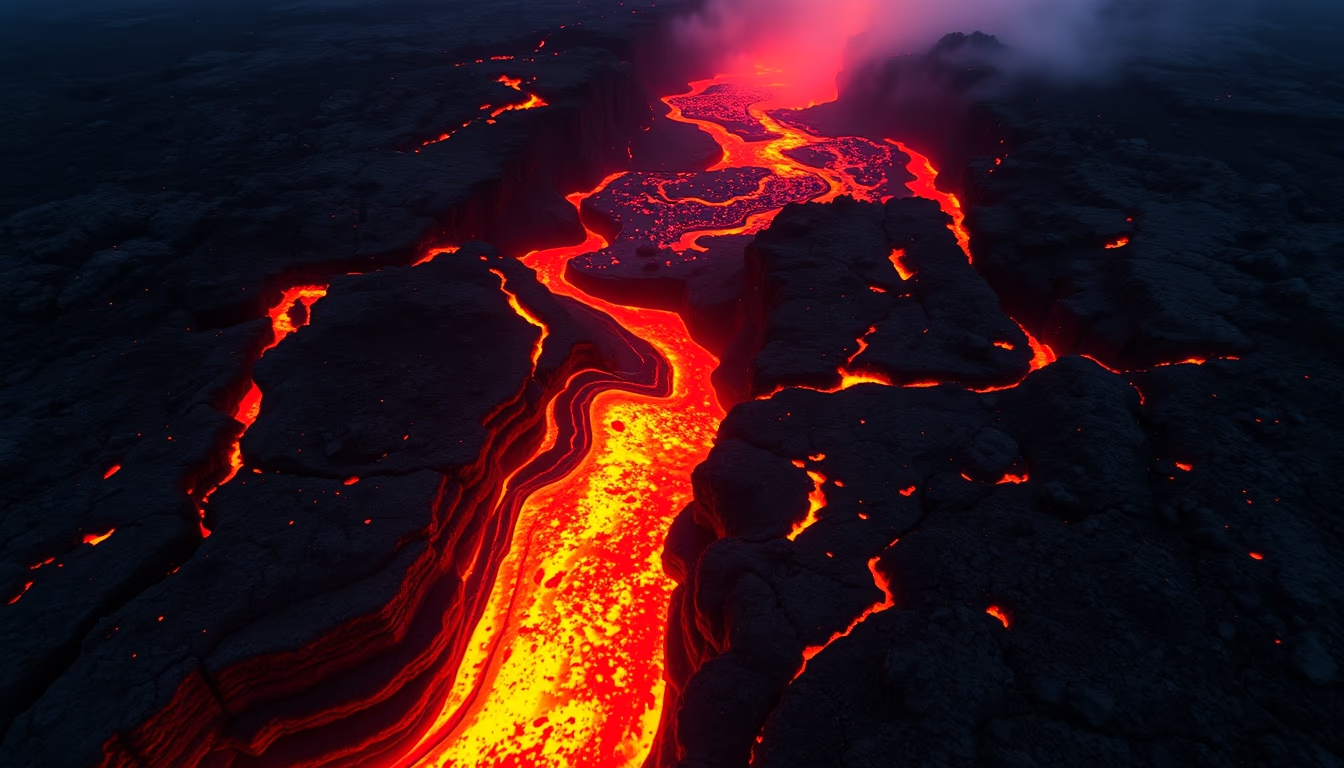
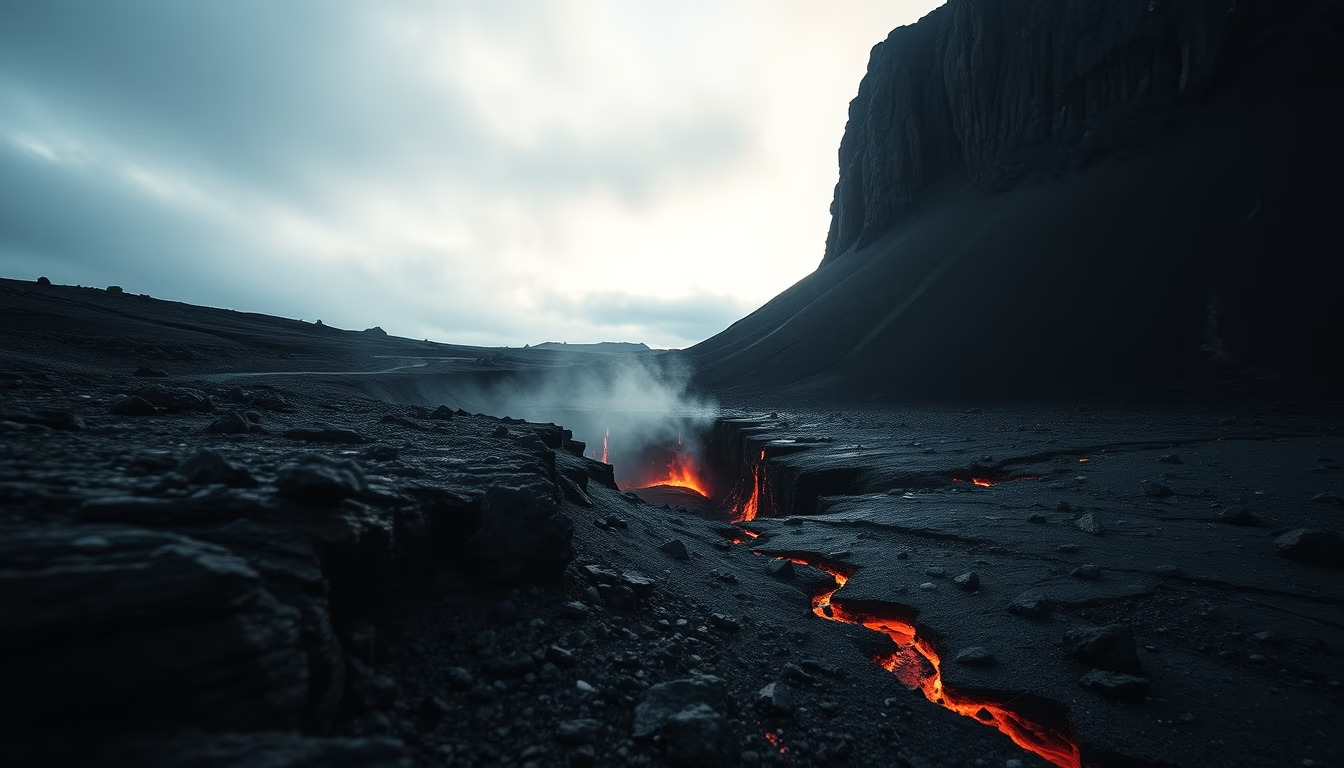
Iceland fissure eruption
1344×768 · AVIF · CC BY 4.0
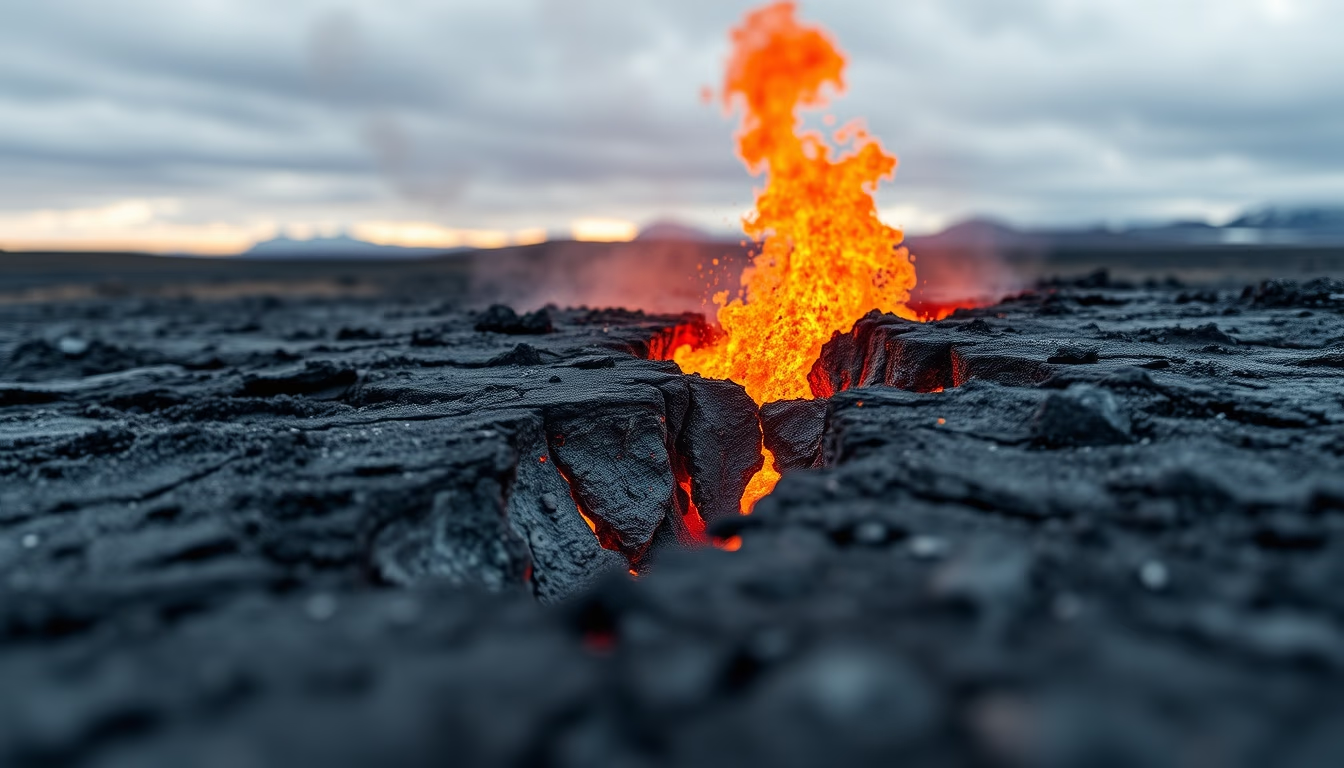
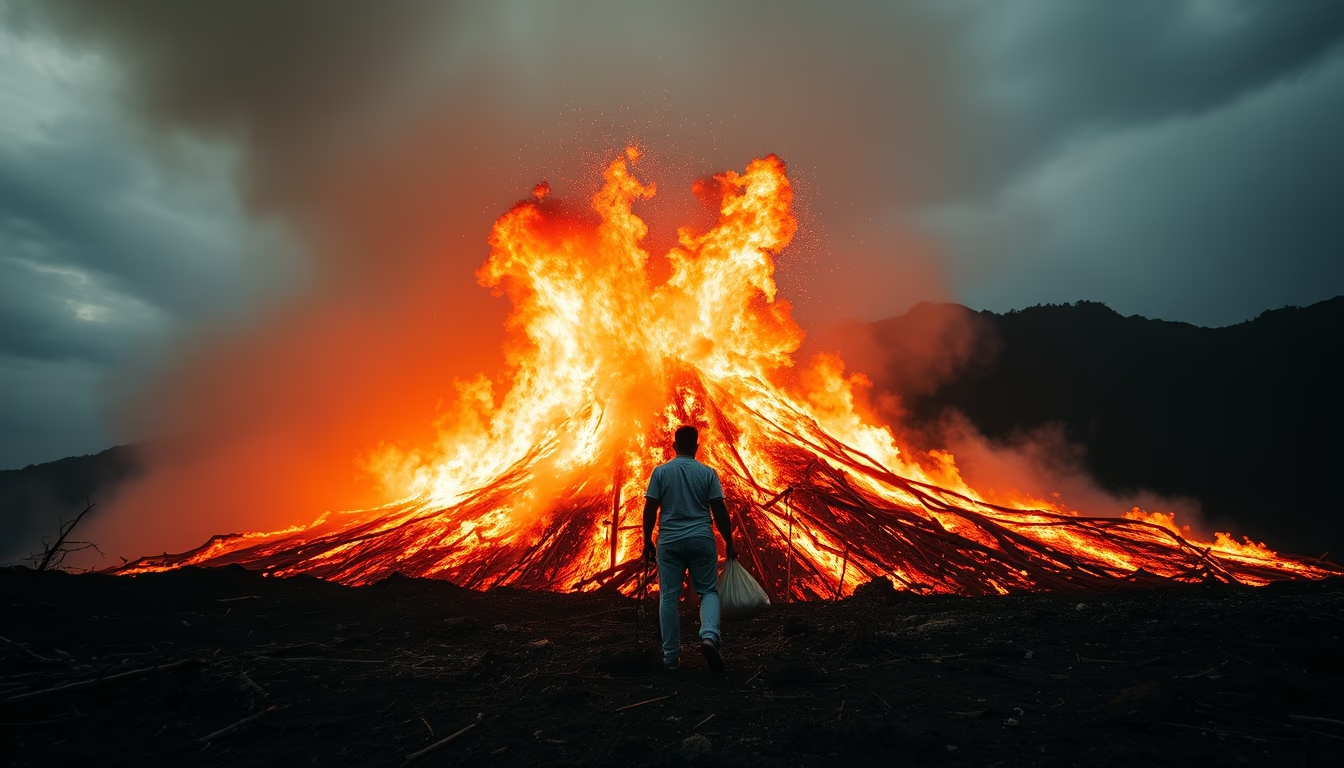
Fissure eruptions in Iceland, such as the 2021 Fagradalsfjall event, occur along fractures in the Earth's crust, releasing lava in spectacular displays that shape the country's volcanic landscape.
About this subject
Iceland is one of the most active places on Earth for fissure eruptions, which occur when magma rises through linear fractures in the crust. Unlike traditional conical volcanoes, these eruptions produce long rows of vents that spout lava, forming vast basalt fields. The most recent and notable example is the Fagradalsfjall volcanic system on the Reykjanes Peninsula, which began erupting in March 2021 after more than 800 years of inactivity in the region. The eruption attracted thousands of visitors, who could watch 1,000°C lava flows advance across the tundra from a safe distance.
Historically, fissure eruptions have been responsible for some of the largest lava flows in the world. The 1783 Laki eruption released about 14 km³ of lava over eight months, causing a devastating famine that killed 20% of Iceland's population and altered the global climate with sulfur clouds that reached Europe and Asia. The Eldgjá eruption, around 939 AD, produced roughly 18 km³ of lava, making it the largest volcanic eruption in Iceland's history by volume. These events formed enormous lava fields, such as the Eldgjá area, now popular tourist and scientific destinations.
Iceland's geology is explained by its position atop the Mid-Atlantic Ridge and a hotspot. This combination causes magma to be generated at great depth and rise through fractures that open periodically. Scientists constantly monitor the Reykjanes region, as cycles of seismic activity and ground deformation since 2021 indicate that new eruptions may occur in the coming years. Fissure eruptions are generally less explosive than central volcanic eruptions, but can last for weeks or months, providing mesmerizing natural spectacles and valuable data for studying mantle dynamics.
Frequently Asked Questions
What causes a fissure eruption in Iceland?
Fissure eruptions in Iceland are caused by the separation of the North American and Eurasian tectonic plates along the Mid-Atlantic Ridge, combined with hotspot activity. Magma rises through opened fractures in the crust, creating rows of volcanic vents.
What was the most famous fissure eruption in Iceland?
The 1783 Laki eruption is the most famous due to its devastating impact. It released vast amounts of lava and toxic gases, causing famine and death in Iceland and affecting the global climate. More recently, the 2021 Fagradalsfjall eruption gained worldwide attention.
Is it safe to visit a fissure eruption in Iceland?
Yes, with proper precautions. Icelandic authorities constantly monitor the areas and open safe trails. Visitors must wear appropriate gear, respect barriers, and follow instructions from rangers and meteorologists.
Direct URL
https://pub-c7d6a6ea828543ac903a74a341ccb2e1.r2.dev/imagens/iceland-fissure-eruption-tilt-shift-miniature-fresh10.avifHow to credit
Include a visible link back to UtilizAí. Copy one of the snippets below:
<a href="https://xn--utiliza-eza.com/en/midia/imagens/iceland-fissure-eruption-tilt-shift-miniature-fresh10">Iceland fissure eruption</a> by <a href="https://xn--utiliza-eza.com">UtilizAí</a>, licensed under <a href="https://creativecommons.org/licenses/by/4.0/">CC BY 4.0</a>.
[Iceland fissure eruption](https://xn--utiliza-eza.com/en/midia/imagens/iceland-fissure-eruption-tilt-shift-miniature-fresh10) by [UtilizAí](https://xn--utiliza-eza.com), CC BY 4.0
License: CC-BY-4.0