Iceland fissure eruption
1344×768 · AVIF · CC BY 4.0
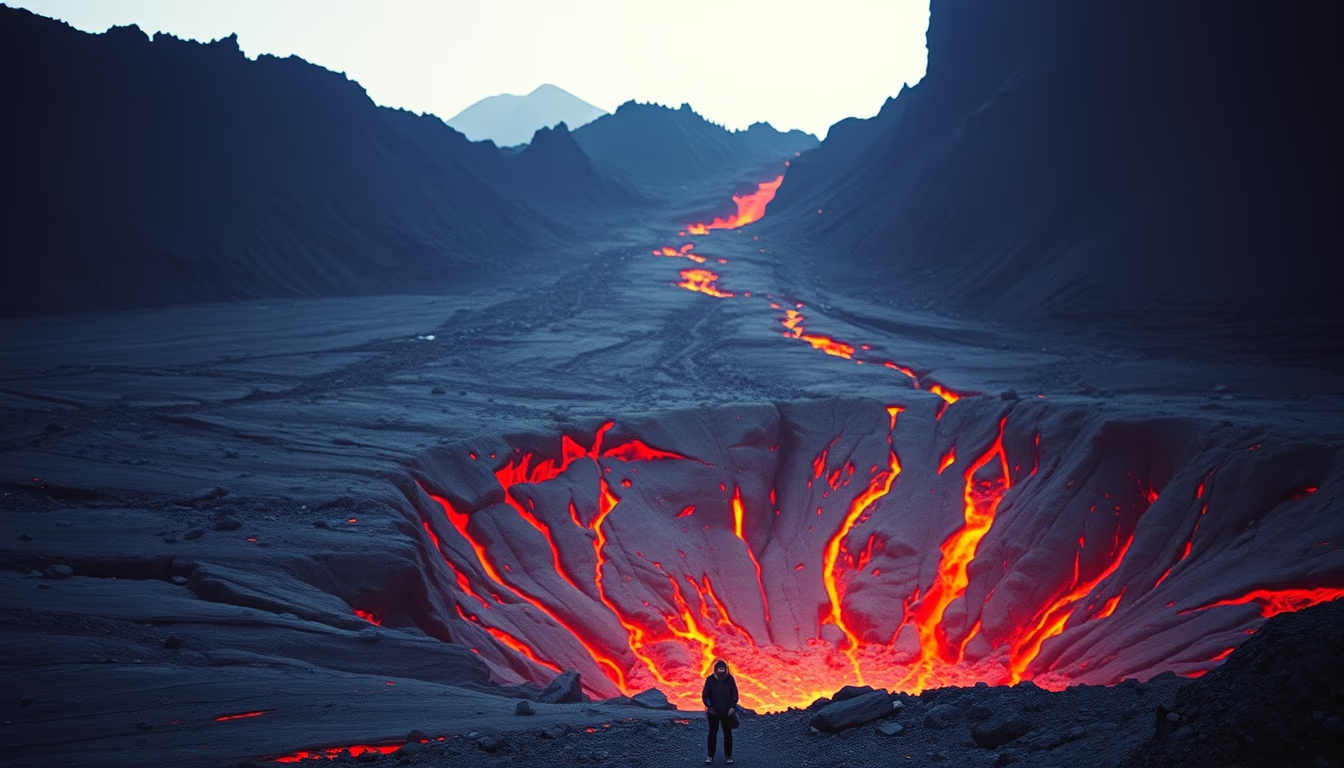
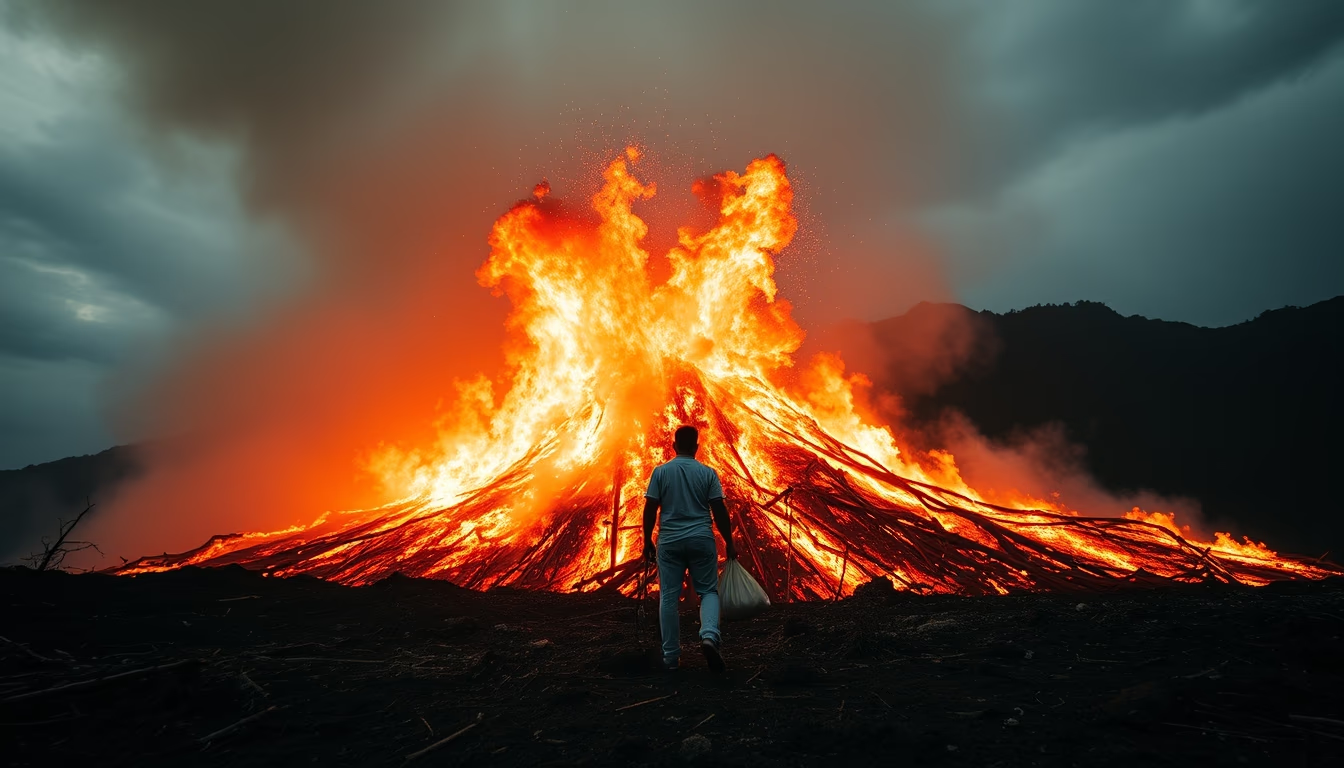
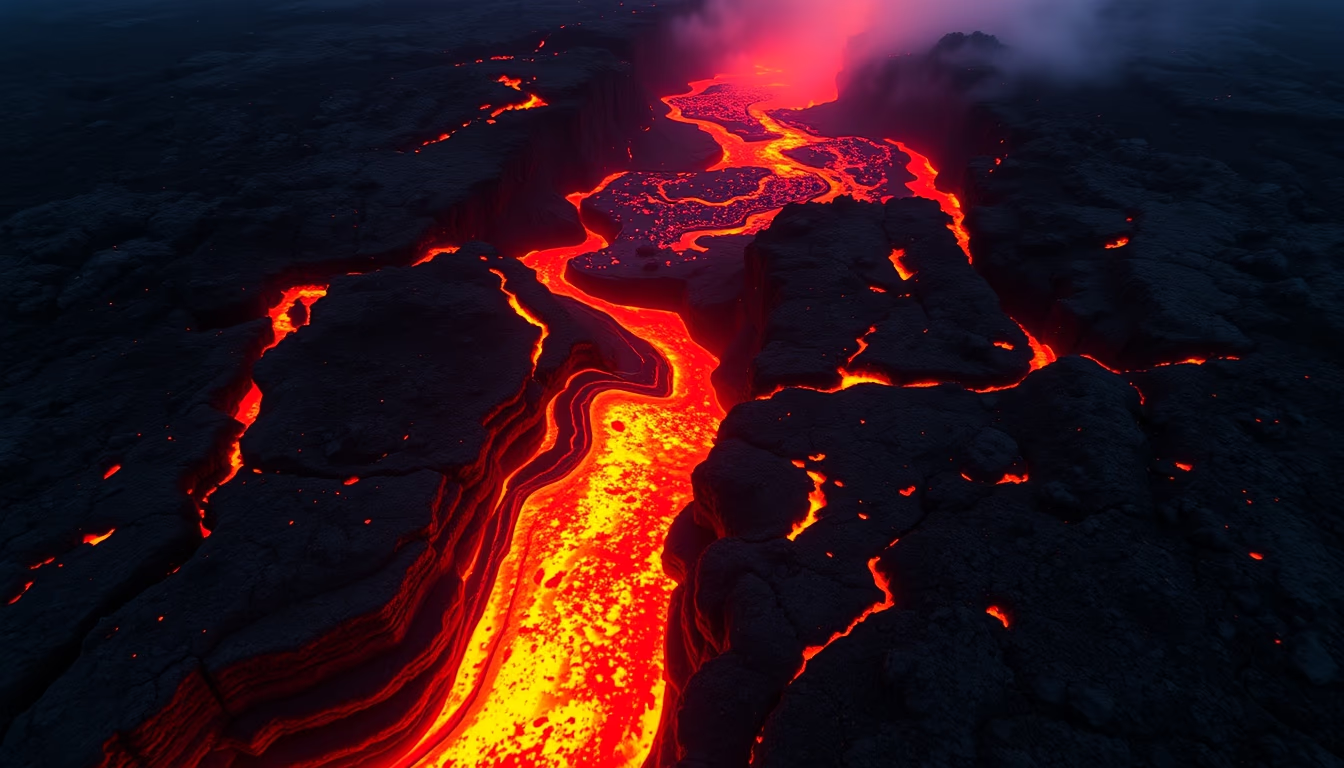
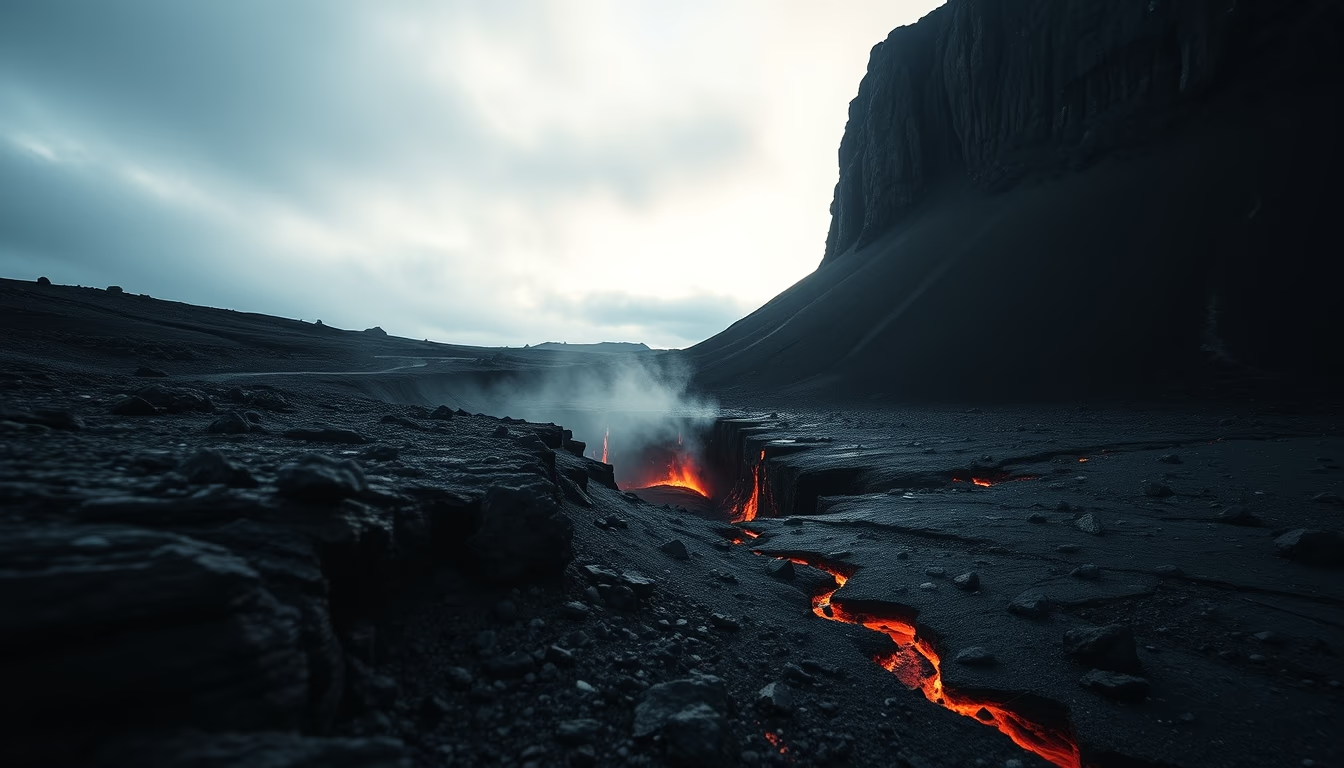
Fissure eruption in Iceland, a geological phenomenon typical of basaltic volcanism along the Mid-Atlantic Ridge, with lava flows shaping Iceland's landscape.
About this subject
A fissure eruption occurs when basaltic magma rises through linear fractures in the Earth's crust, forming long rows of volcanic vents. In Iceland, this type of eruption is common due to its location on the Mid-Atlantic Ridge, where the North American and Eurasian tectonic plates are pulling apart. Recent examples include eruptions on the Reykjanes peninsula, such as Fagradalsfjall in 2021 and Litli-Hrútur in 2023, which ended an 800-year dormancy period. These events attracted thousands of visitors and scientists eager to witness the creation of new crust.
The scientific importance of Icelandic fissure eruptions lies in studying magmatism and plate tectonics in real time. Iceland is one of the few places where the Mid-Atlantic Ridge rises above sea level, providing direct access to the processes that form the ocean floor. The fluid basaltic lava flows build vast lava fields that can cover tens of square kilometers, such as the Eldhraun lava field formed by the Laki eruption in 1783. That historical eruption was the largest lava flow in the last 500 years and released gases that caused global cooling and famine in Europe.
From a cultural perspective, eruptions shape Iceland's identity, associated with powerful natural forces. Volcano tourism has grown exponentially, with tours that take visitors to safe areas to observe glowing lava. Although Iceland is well-prepared for volcanic monitoring, fissure eruptions can release sulfur dioxide and other gases, requiring public health warnings. Interestingly, the Eyjafjallajökull eruption in 2010, though not a fissure eruption, taught the world about the impact of ash on aviation.
Compared to explosive eruptions, fissure eruptions are predominantly effusive, with liquid lava that travels long distances. Duration can range from days to months. Magma rises through fissures that can extend for several kilometers, forming rows of cones and lava flows. In Iceland, fissure eruptions are monitored by the Icelandic Meteorological Office, which uses seismographs, GPS, and satellite imagery to forecast activity and ensure public safety.
Frequently Asked Questions
What causes a fissure eruption in Iceland?
The separation of the North American and Eurasian tectonic plates beneath Iceland allows basaltic magma to rise through linear fractures, forming fissure eruptions.
What was the last major fissure eruption in Iceland?
The Litli-Hrútur eruption in July 2023 on the Reykjanes peninsula, preceded by the Fagradalsfjall eruption in 2021.
Are fissure eruptions dangerous for inhabitants?
They are generally effusive, with slow-moving lava posing little risk to communities, but they can release volcanic gases and affect air quality.
Direct URL
https://pub-c7d6a6ea828543ac903a74a341ccb2e1.r2.dev/imagens/iceland-fissure-eruption-lo-fi-disposable-camera-fresh5.avifHow to credit
Include a visible link back to UtilizAí. Copy one of the snippets below:
<a href="https://xn--utiliza-eza.com/en/midia/imagens/iceland-fissure-eruption-lo-fi-disposable-camera-fresh5">Iceland fissure eruption</a> by <a href="https://xn--utiliza-eza.com">UtilizAí</a>, licensed under <a href="https://creativecommons.org/licenses/by/4.0/">CC BY 4.0</a>.
[Iceland fissure eruption](https://xn--utiliza-eza.com/en/midia/imagens/iceland-fissure-eruption-lo-fi-disposable-camera-fresh5) by [UtilizAí](https://xn--utiliza-eza.com), CC BY 4.0
License: CC-BY-4.0