Iceland fissure eruption
1344×768 · AVIF · CC BY 4.0
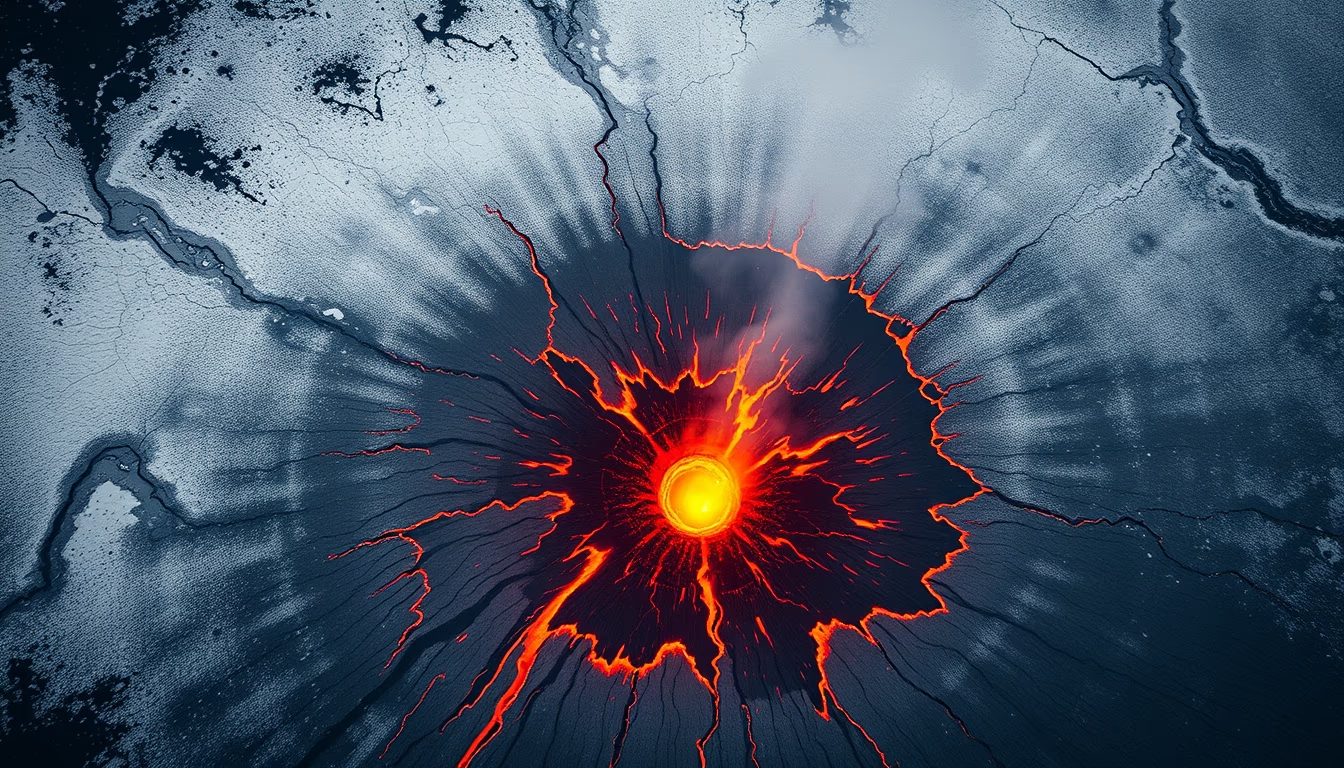
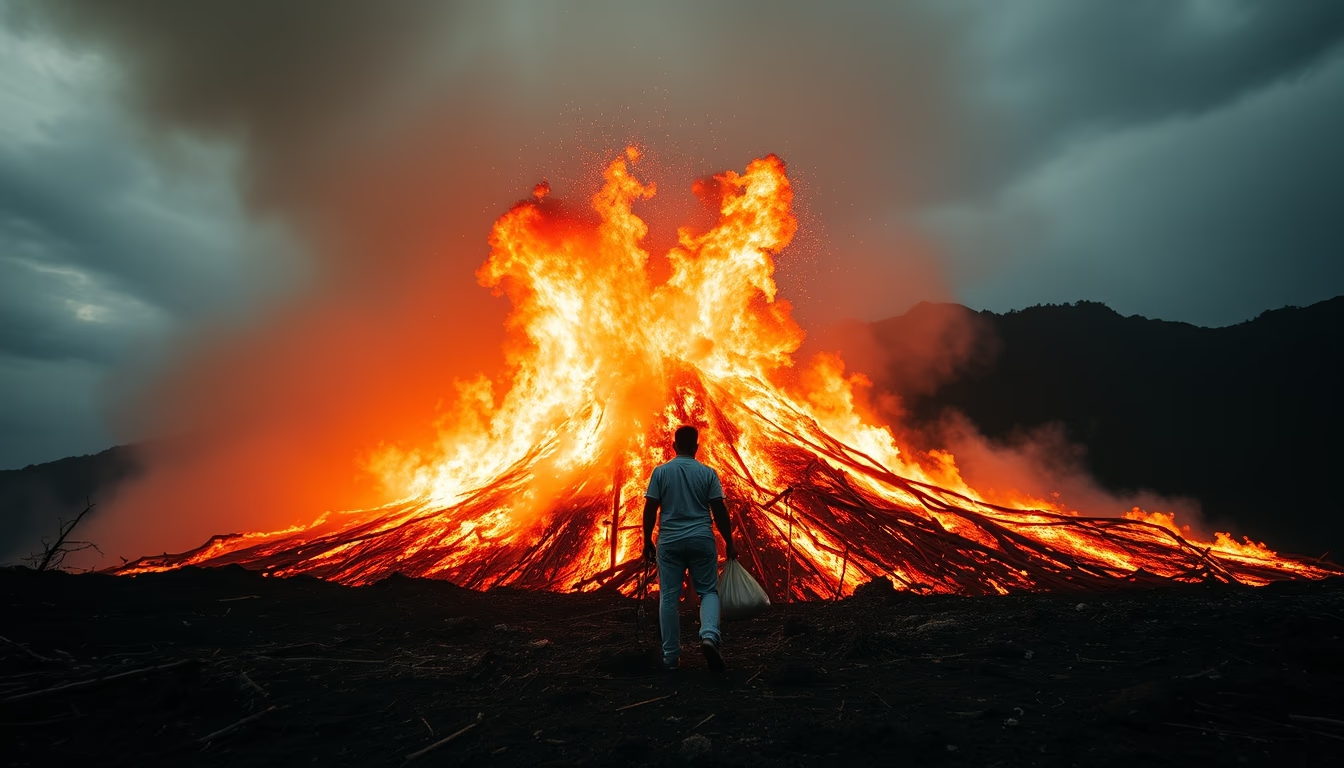
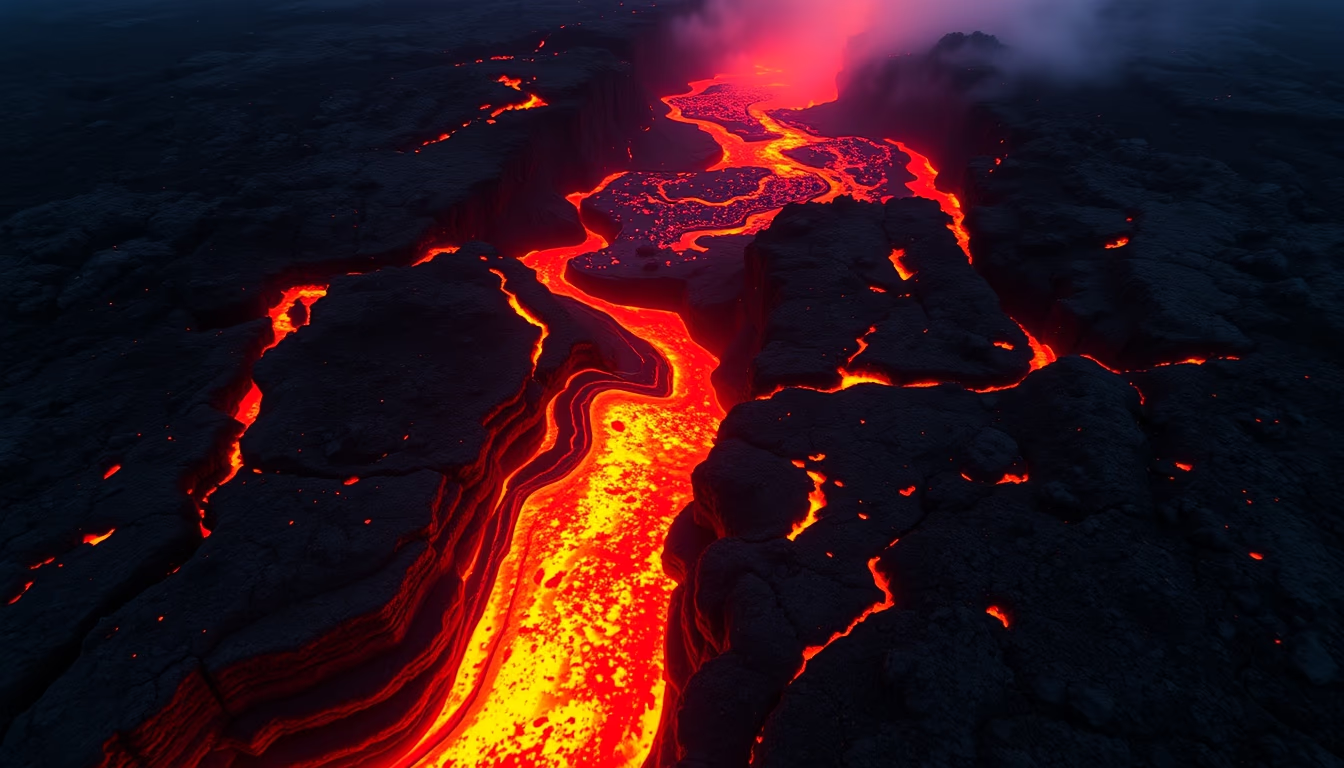
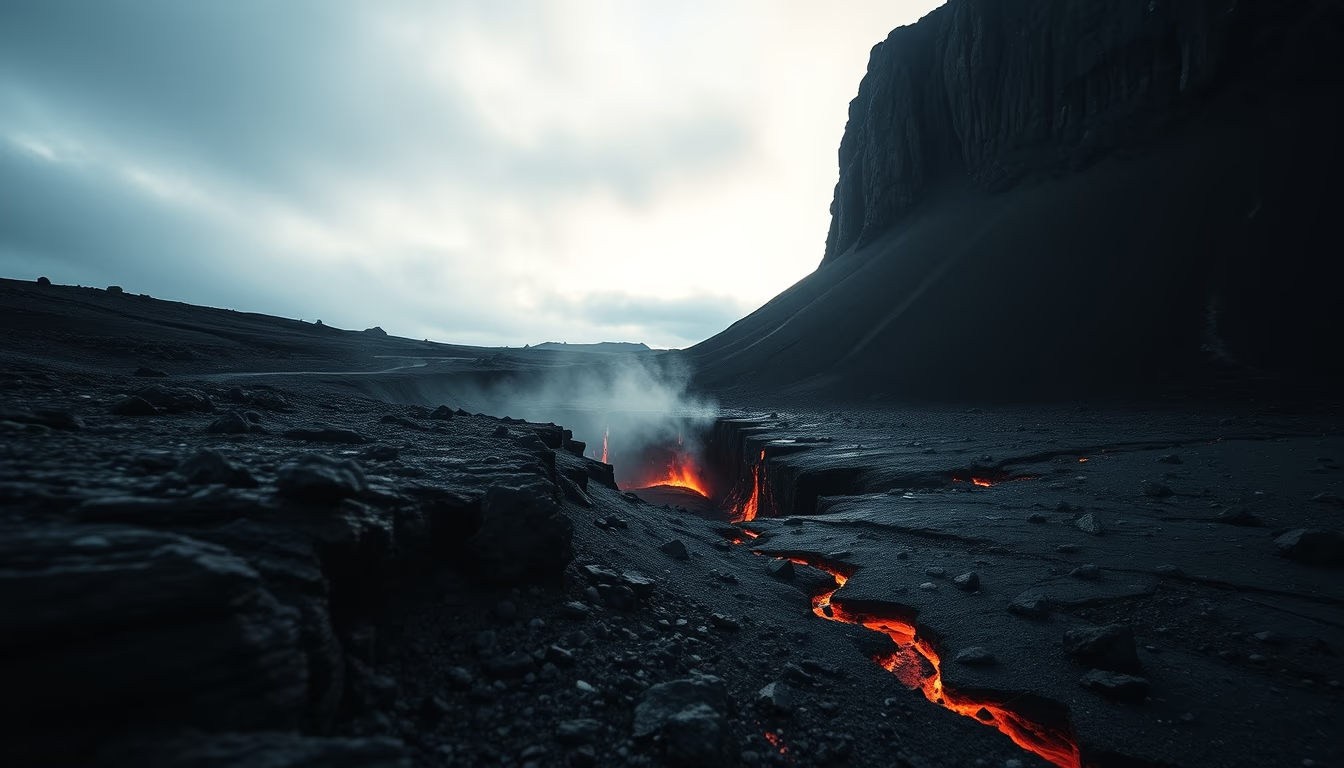
Fissure eruptions in Iceland are volcanic events occurring along long cracks in the Earth's crust, often associated with rift volcanism.
About this subject
Fissure eruptions in Iceland, typical of rift volcanism, occur when magma emerges through long cracks (fissures) in the crust rather than from a single volcanic cone. This phenomenon is common in tectonic plate divergence zones, such as the Mid-Atlantic Ridge, which crosses Iceland. Notable examples include the 1783 Laki eruption, which lasted eight months and released vast amounts of lava and toxic gases, causing climate change and famine in Europe. More recently, the 2014-2015 Holuhraun eruption produced the largest basaltic lava flow in Iceland since Laki, with a lava field covering over 85 km².
Iceland hosts one of the most active volcanic environments on Earth due to its location over a diverging tectonic plate and a hotspot. Fissure eruptions can form vast lava plateaus, such as the Eldhraun field, now covered in moss and featuring unique landscapes. Seismic activity and ground deformation are constantly monitored by the Icelandic Met Office to predict events. Fissure eruptions are typically effusive, with fluid lava, unlike violent explosions, but they can release hazardous gases, especially sulfur dioxide.
Culturally, these eruptions have shaped Iceland's geology and history. The Eyjafjallajökull volcano, though not fissural, produced an ash cloud that disrupted European air travel in 2010. Fissure eruptions also inspire Norse myths and are the subject of global scientific studies. The resulting landscape, with black lava fields and moss, attracts tourists and researchers interested in active geological processes.
Frequently Asked Questions
What causes a fissure eruption in Iceland?
Fissure eruptions occur when magma rises through long cracks in the Earth's crust, primarily due to the divergence of tectonic plates along the Mid-Atlantic Ridge, which passes through Iceland.
What was the most famous fissure eruption in Iceland?
The 1783 Laki eruption is the most famous for its global impacts: it released vast amounts of lava and sulfur dioxide, causing climate cooling and famine in Europe.
Are fissure eruptions in Iceland dangerous to humans?
Yes, mainly due to the emission of toxic gases like sulfur dioxide, which can cause respiratory issues. The lava flows are usually non-explosive but can destroy infrastructure and grazing land.
Direct URL
https://pub-c7d6a6ea828543ac903a74a341ccb2e1.r2.dev/imagens/iceland-fissure-eruption-isometric-flat-lay-fresh8.avifHow to credit
Include a visible link back to UtilizAí. Copy one of the snippets below:
<a href="https://xn--utiliza-eza.com/en/midia/imagens/iceland-fissure-eruption-isometric-flat-lay-fresh8">Iceland fissure eruption</a> by <a href="https://xn--utiliza-eza.com">UtilizAí</a>, licensed under <a href="https://creativecommons.org/licenses/by/4.0/">CC BY 4.0</a>.
[Iceland fissure eruption](https://xn--utiliza-eza.com/en/midia/imagens/iceland-fissure-eruption-isometric-flat-lay-fresh8) by [UtilizAí](https://xn--utiliza-eza.com), CC BY 4.0
License: CC-BY-4.0