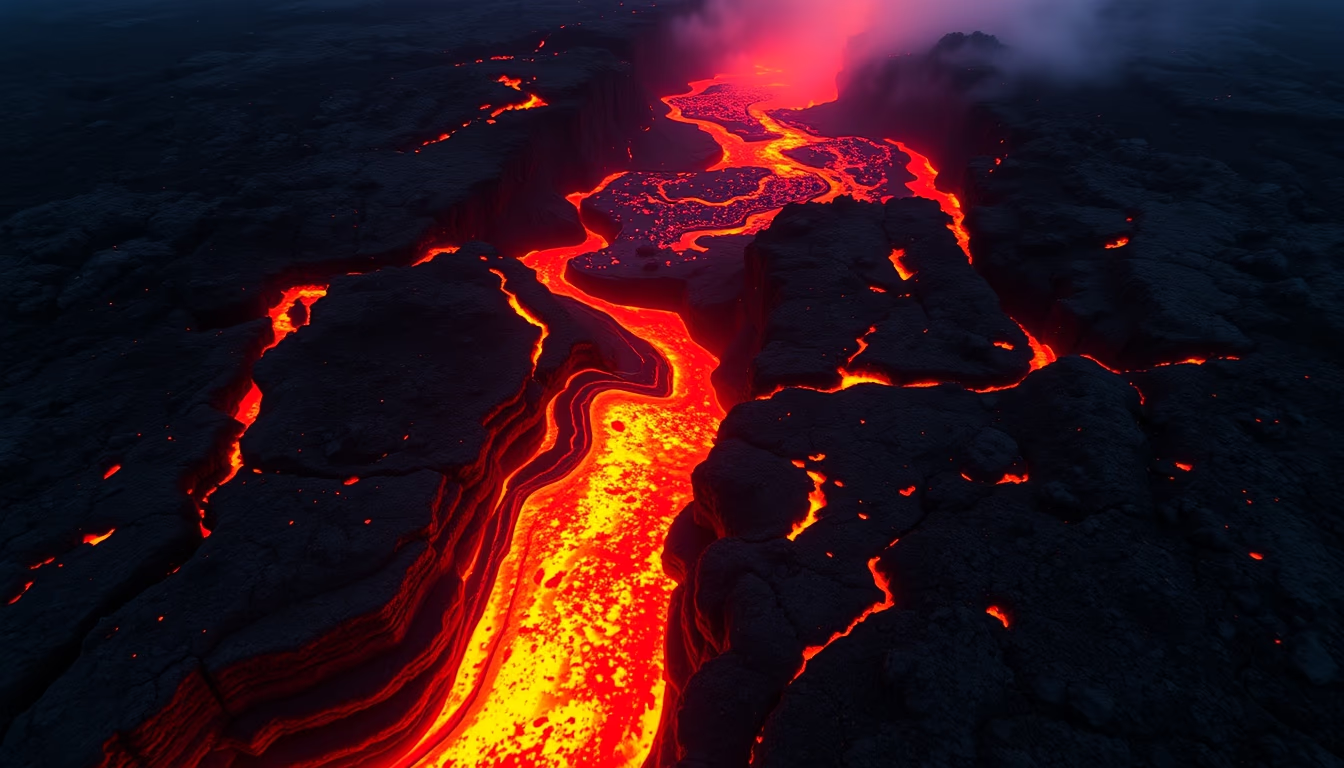
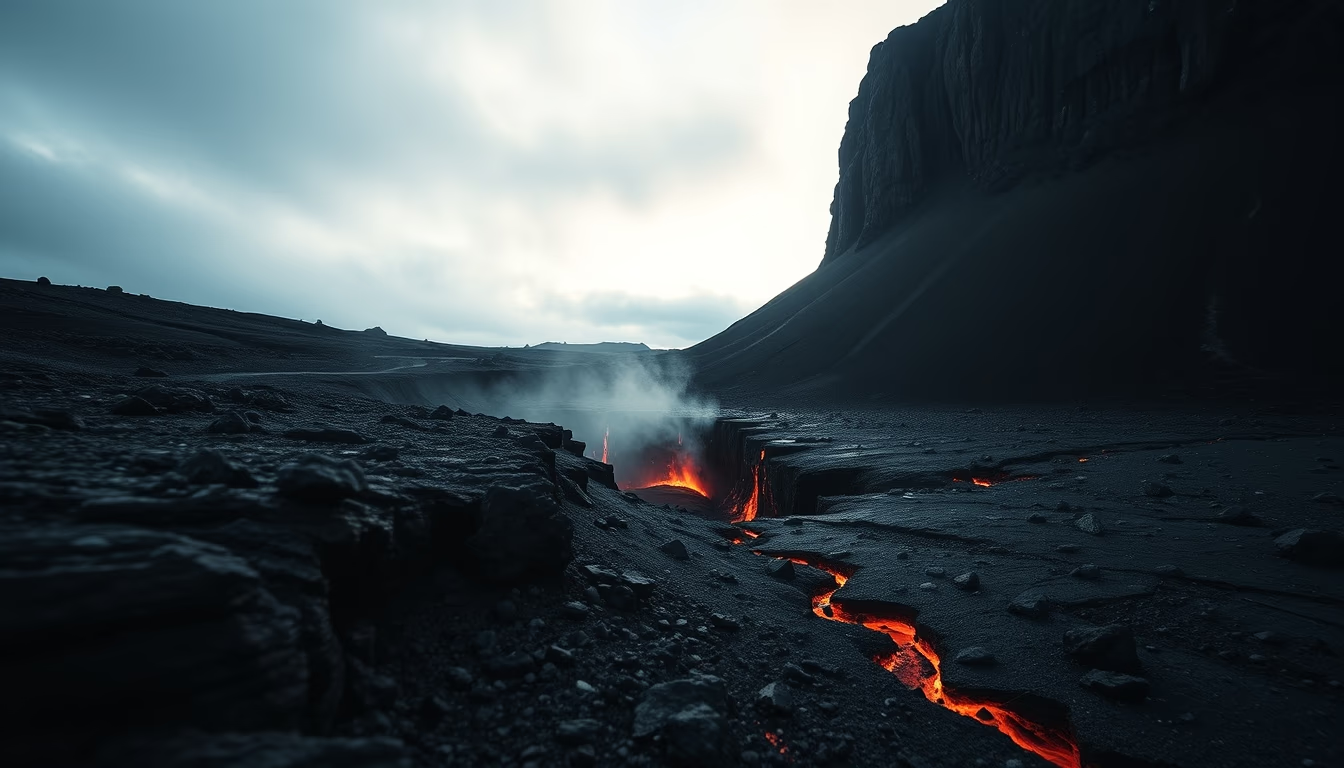
Iceland fissure eruption
1344×768 · AVIF · CC BY 4.0
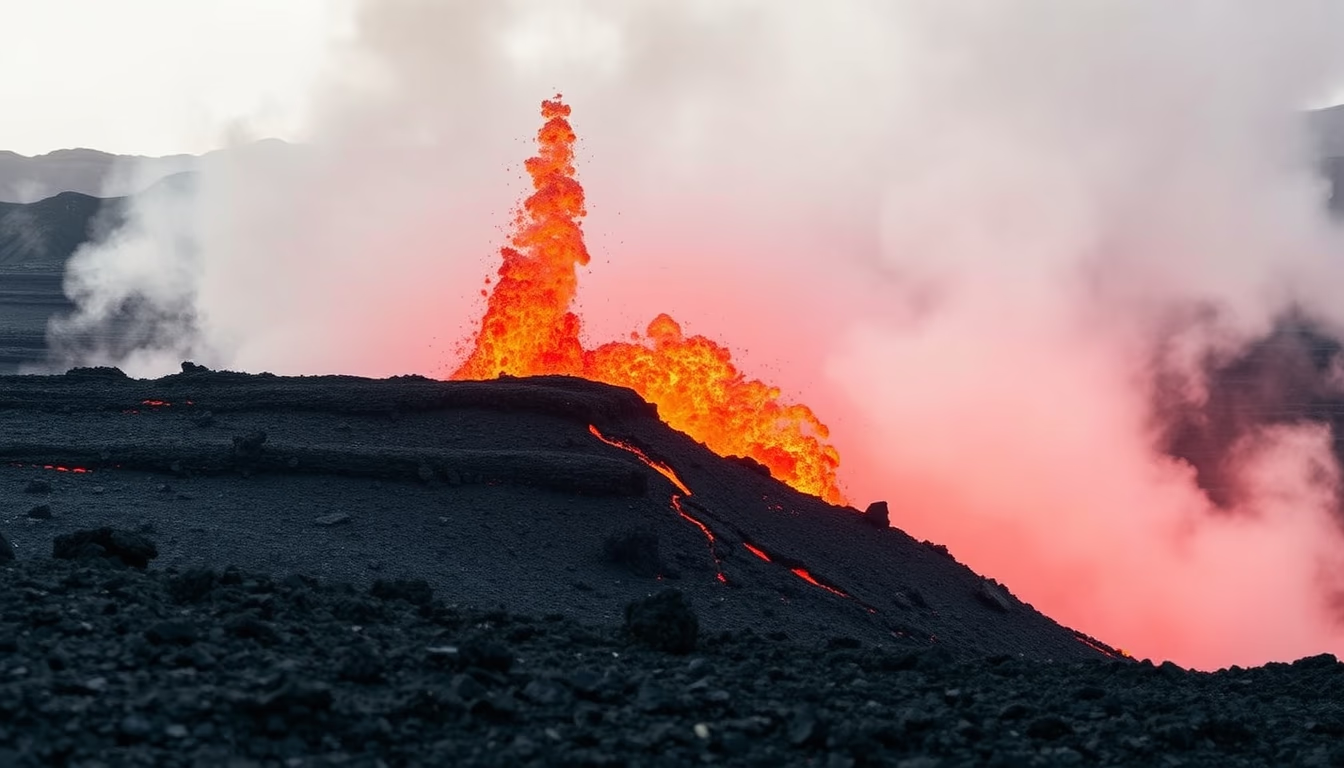
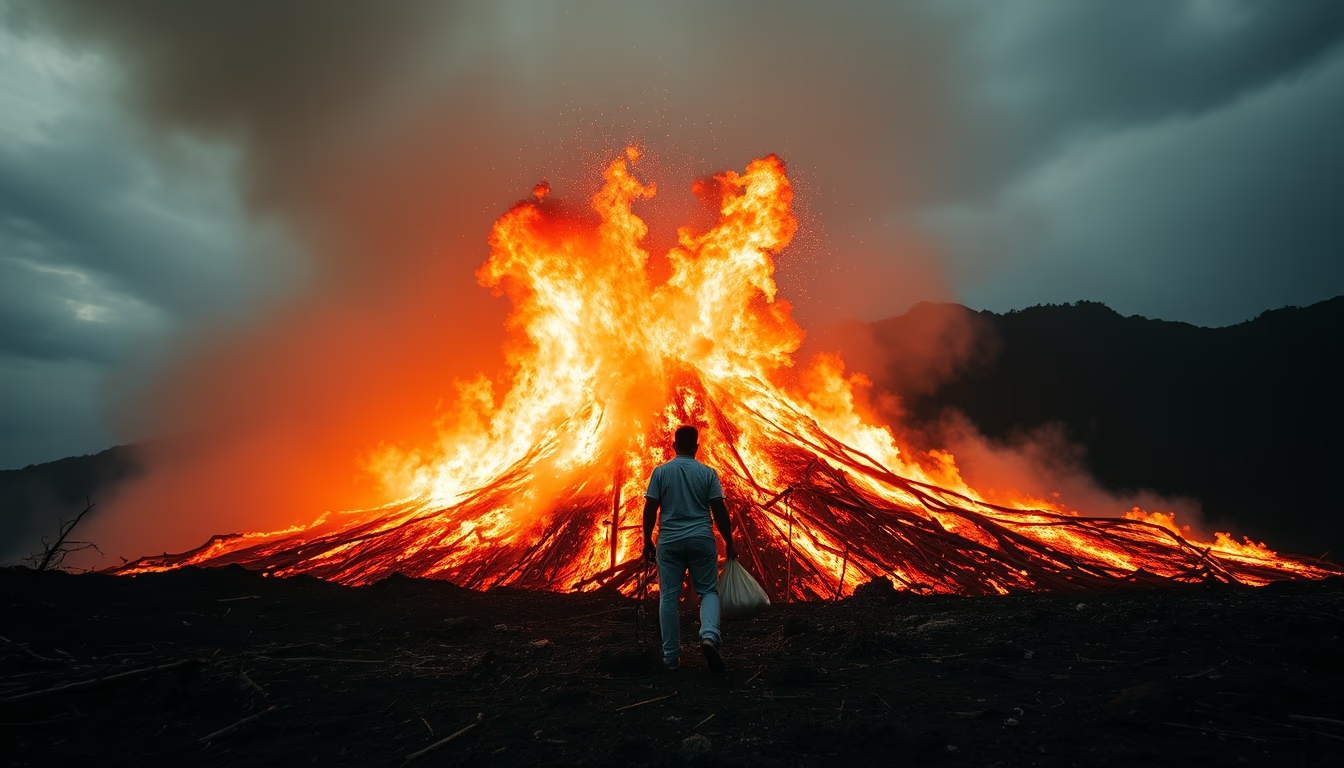
Iceland fissure eruption, a geological phenomenon that shapes Iceland's volcanic landscape with basaltic lava and extensive cracks.
About this subject
Fissure eruptions occur when magma rises through long, narrow fractures in the Earth's crust, producing curtains of lava along kilometers. In Iceland, these eruptions are common due to its location on the Mid-Atlantic Ridge, where the North American and Eurasian tectonic plates diverge. The fluid basalt forms vast lava fields, such as those from the 1783 Laki eruption, which released toxic gases and caused climatic changes in Europe.
The most notable recent fissure eruption began in March 2021 in the Geldingadalir valley near Mount Fagradalsfjall, after weeks of seismic activity. This eruption produced lava fountains and rivers that attracted thousands of visitors despite risks. Fissures generally align with the ridge direction and can extend tens of kilometers, as in the Eldgjá eruption in the 10th century, the largest fissure eruption in Icelandic history.
The mechanism involves accumulation of magma in shallow reservoirs, fracturing the overlying rock until reaching the surface. The basaltic composition allows lava to flow quickly, forming extensive sheets. Iceland has active volcanic systems such as Bárðarbunga and Krafla, which have produced fissures. Monitoring by seismographs and satellite imagery helps predict these events, though unpredictability remains a challenge for civil protection.
Beyond local impact, Icelandic fissure eruptions influence global volcanology research. Emissions of gases like sulfur dioxide can affect aviation and climate. Studies of ancient lava flows help understand planetary geological history. The resulting landscape, with scoria cones and lava fields, becomes a natural laboratory for scientists and a unique tourist destination.
Frequently Asked Questions
What is a fissure eruption?
It is a type of volcanic eruption where magma emerges through long cracks in the crust, forming lava curtains along several kilometers.
Why are fissure eruptions common in Iceland?
Because Iceland lies on the Mid-Atlantic Ridge, where tectonic plates diverge, creating fractures that facilitate magma ascent.
What was the largest fissure eruption in Iceland?
The Eldgjá eruption in the 10th century is considered the largest, producing enormous lava volumes and affecting climate.
Direct URL
https://pub-c7d6a6ea828543ac903a74a341ccb2e1.r2.dev/imagens/iceland-fissure-eruption-documentary-photography-fresh12.avifHow to credit
Include a visible link back to UtilizAí. Copy one of the snippets below:
<a href="https://xn--utiliza-eza.com/en/midia/imagens/iceland-fissure-eruption-documentary-photography-fresh12">Iceland fissure eruption</a> by <a href="https://xn--utiliza-eza.com">UtilizAí</a>, licensed under <a href="https://creativecommons.org/licenses/by/4.0/">CC BY 4.0</a>.
[Iceland fissure eruption](https://xn--utiliza-eza.com/en/midia/imagens/iceland-fissure-eruption-documentary-photography-fresh12) by [UtilizAí](https://xn--utiliza-eza.com), CC BY 4.0
License: CC-BY-4.0