Iceland fissure eruption
1344×768 · AVIF · CC BY 4.0
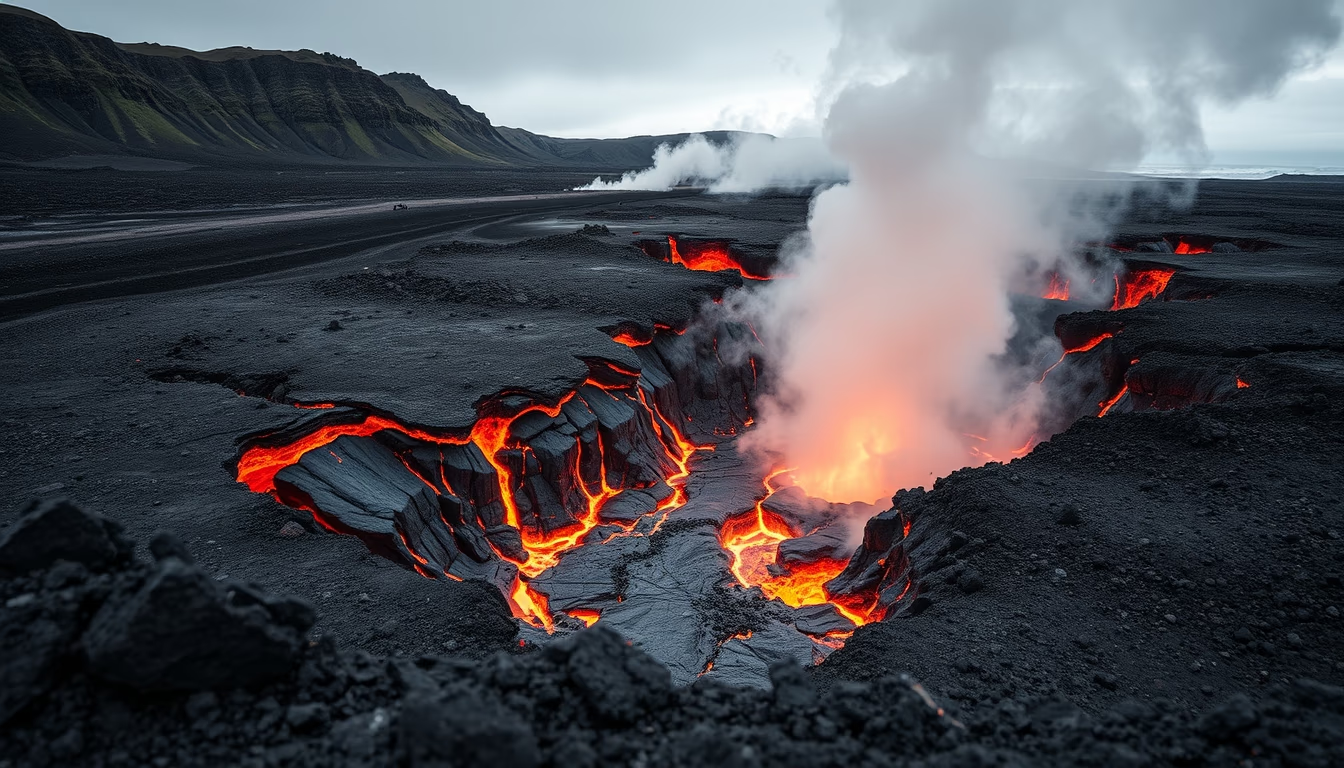
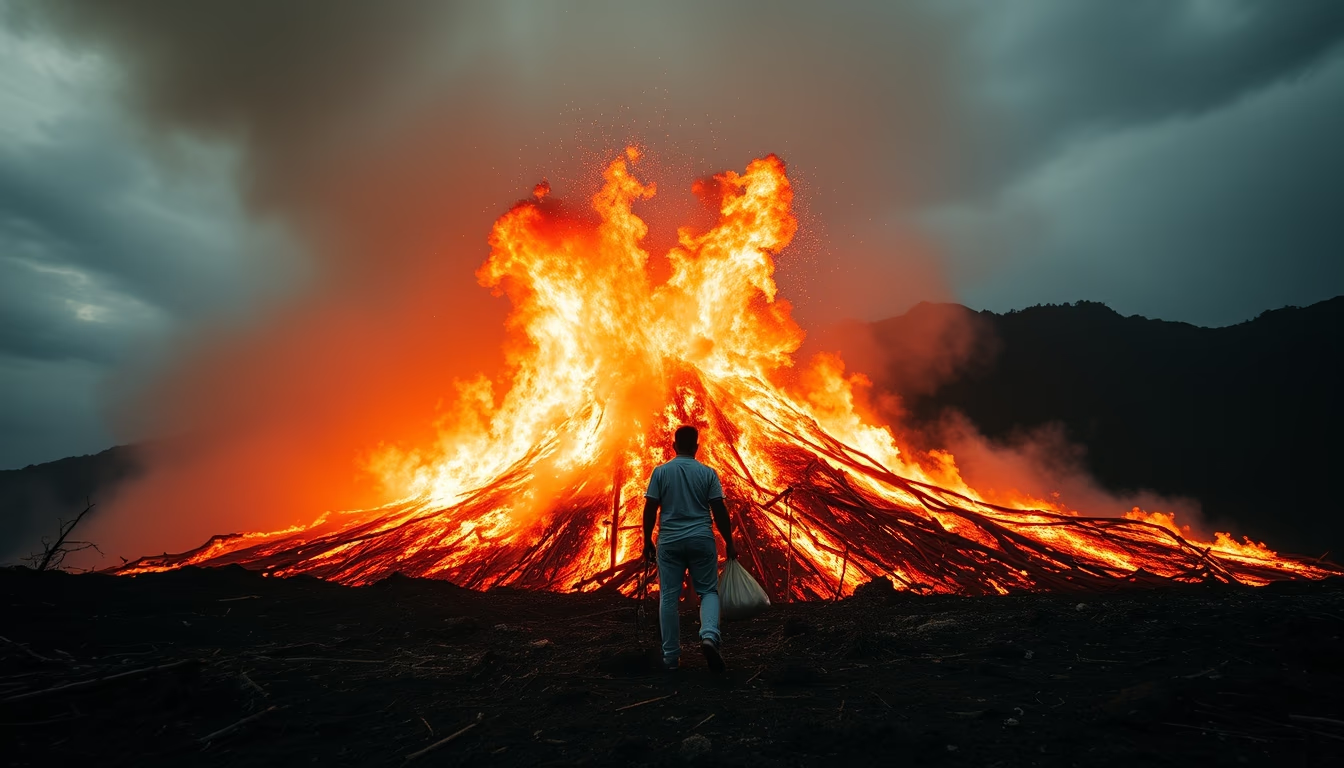
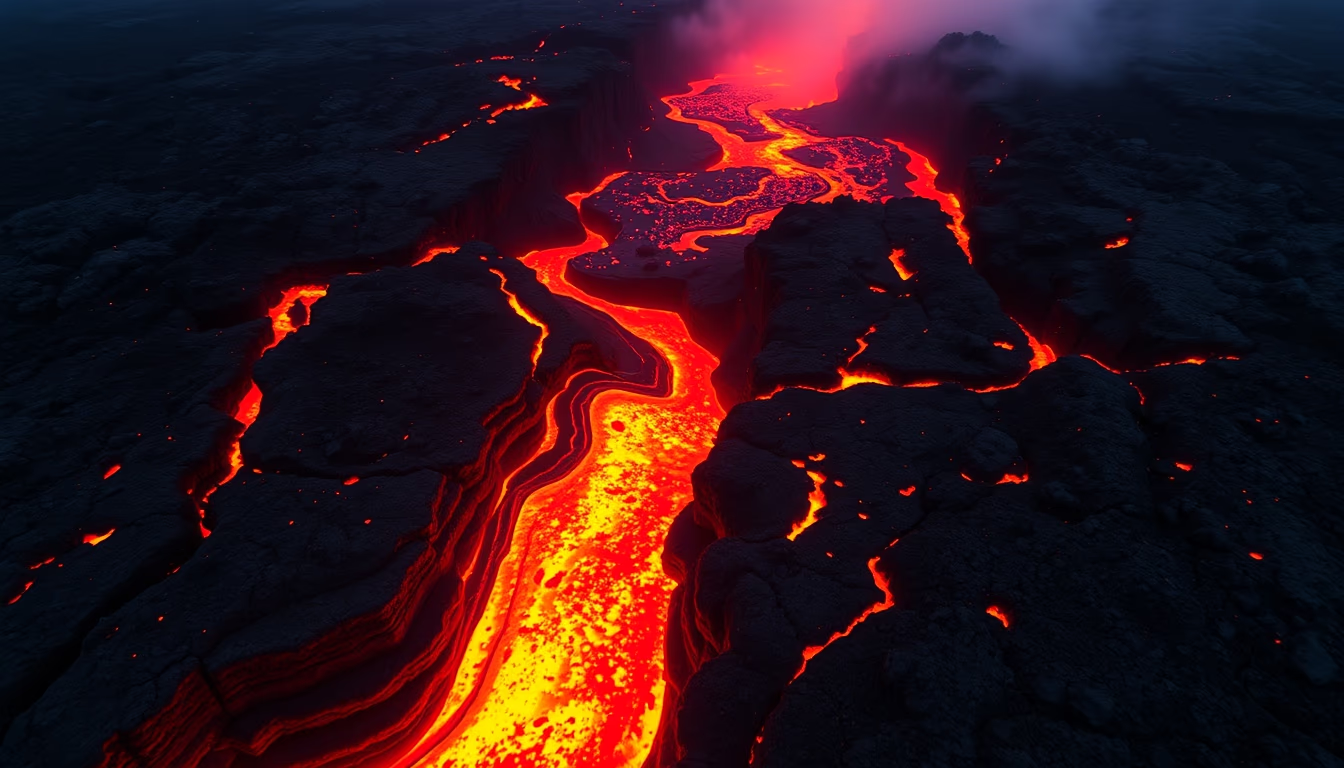
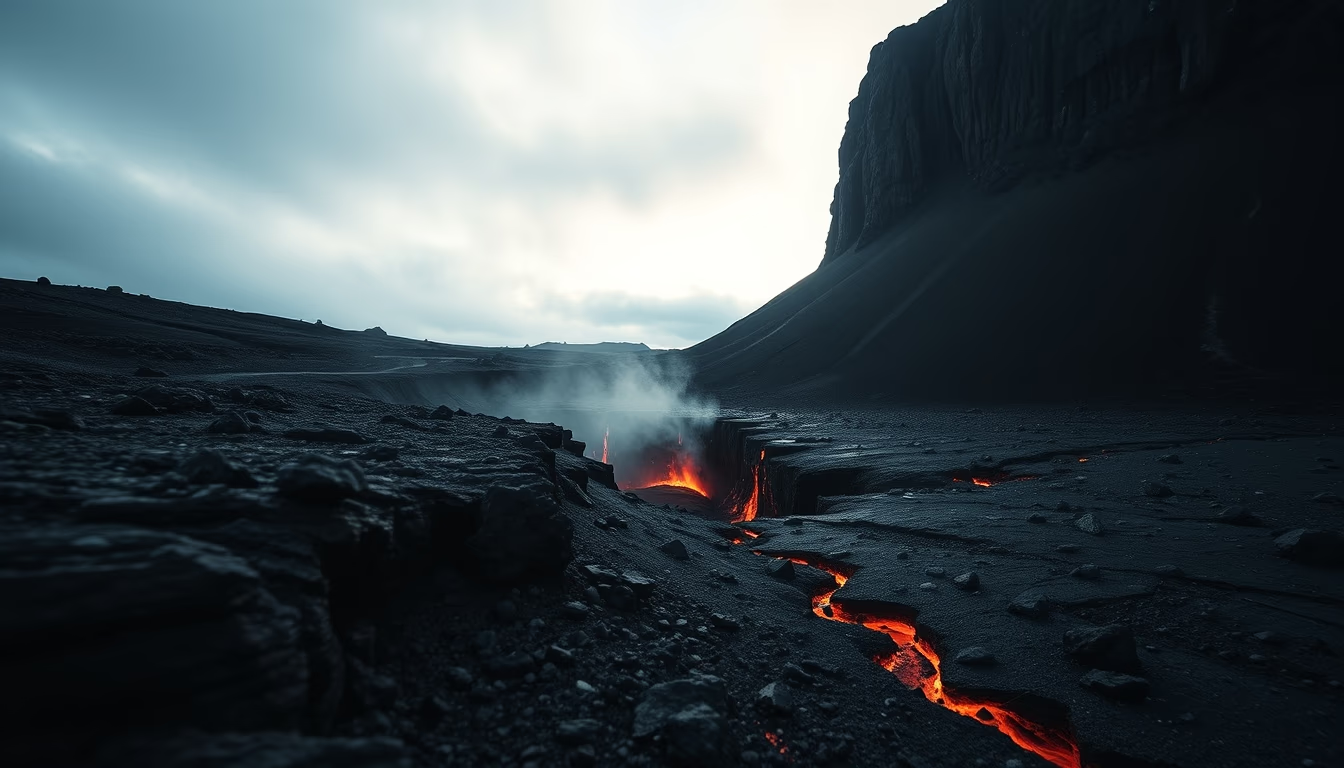
Iceland fissure eruption, a common geological phenomenon in the Reykjanes volcanic region, featuring basaltic lava and landscape impacts.
About this subject
Fissure eruptions in Iceland occur when magma rises through linear fractures in the Earth's crust, forming rows of craters and rivers of basaltic lava. The Reykjanes Peninsula in southwestern Iceland is particularly active because it sits atop the Mid-Atlantic Ridge, where the Eurasian and North American tectonic plates are pulling apart. This geological process builds tension that is periodically released in events like the Fagradalsfjall eruption, which began in 2021 after nearly 800 years of quiet on the peninsula.
The lava from fissure eruptions is typically very fluid, allowing it to spread over large areas and form vast lava fields, such as Eldhraun, the largest in the world, originating from an 18th-century eruption. These events attract scientists and tourists, offering a rare opportunity to witness the formation of new crust. Iceland has about 30 active volcanic systems, and fissure eruptions account for much of its activity, with impacts ranging from volcanic gas emissions to landscape transformation.
The most recent eruption on the Reykjanes Peninsula in 2023 occurred near Litli-Hrútur and was preceded by intense seismicity. During these events, the ground can open into cracks hundreds of meters long, expelling lava at temperatures exceeding 1000 degrees Celsius. Authorities constantly monitor activity to ensure safety, especially in areas like Grindavík, where proximity to critical infrastructure requires evacuation plans. Despite the risks, fissure eruptions are spectacular natural phenomena that reveal the dynamic power of Earth's interior.
Frequently Asked Questions
What causes a fissure eruption?
Fissure eruptions are caused by magma rising through linear fractures in the crust, typically in regions of tectonic divergence, such as the Mid-Atlantic Ridge in Iceland.
What are the dangers of a fissure eruption?
The main hazards include lava flows, emission of toxic gases like sulfur dioxide, and possible contamination of water sources. Safe distances are maintained by local authorities.
Can I visit a fissure eruption in Iceland?
Yes, many eruptions are accessible to the public, such as the Fagradalsfjall eruption, with marked trails. It is essential to follow official guidelines and use proper gear.
Direct URL
https://pub-c7d6a6ea828543ac903a74a341ccb2e1.r2.dev/imagens/iceland-fissure-eruption-documentary-nature-style-fresh1.avifHow to credit
Include a visible link back to UtilizAí. Copy one of the snippets below:
<a href="https://xn--utiliza-eza.com/en/midia/imagens/iceland-fissure-eruption-documentary-nature-style-fresh1">Iceland fissure eruption</a> by <a href="https://xn--utiliza-eza.com">UtilizAí</a>, licensed under <a href="https://creativecommons.org/licenses/by/4.0/">CC BY 4.0</a>.
[Iceland fissure eruption](https://xn--utiliza-eza.com/en/midia/imagens/iceland-fissure-eruption-documentary-nature-style-fresh1) by [UtilizAí](https://xn--utiliza-eza.com), CC BY 4.0
License: CC-BY-4.0