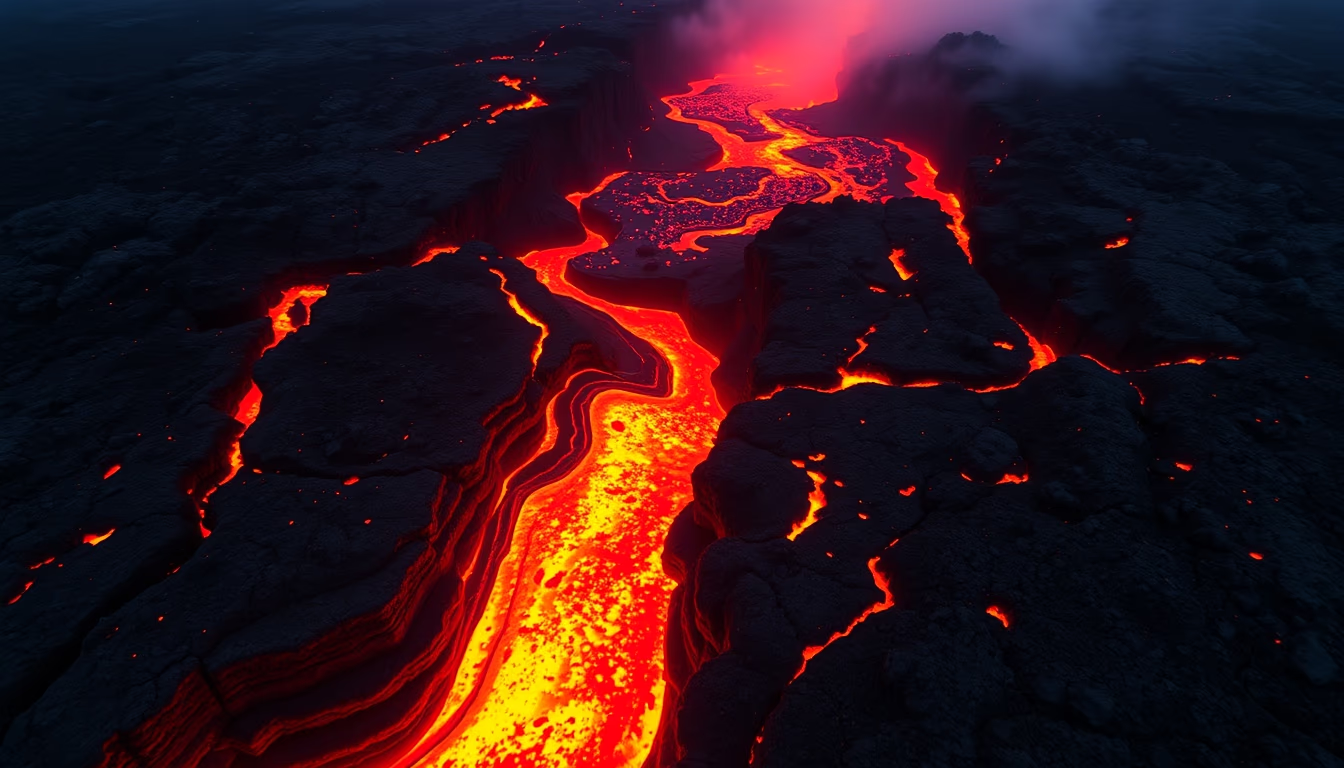
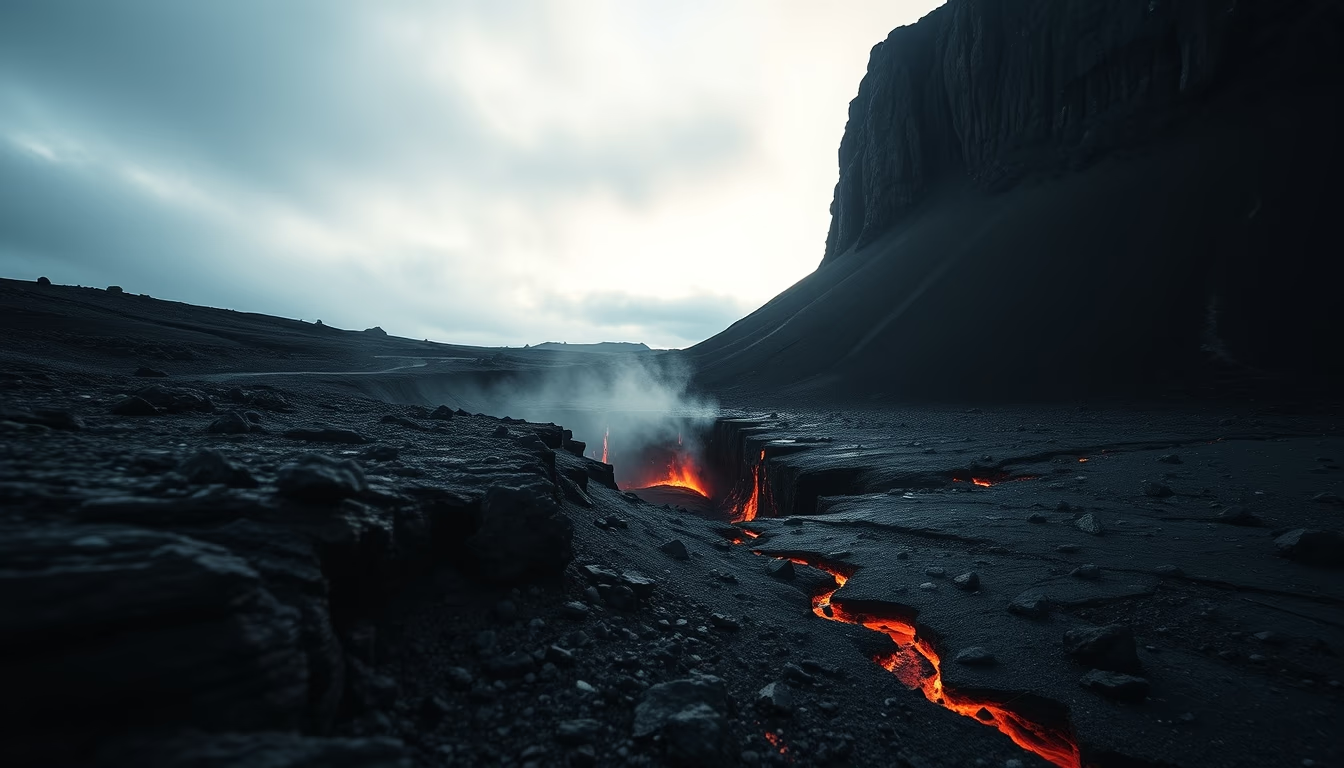
Iceland fissure eruption
1344×768 · AVIF · CC BY 4.0
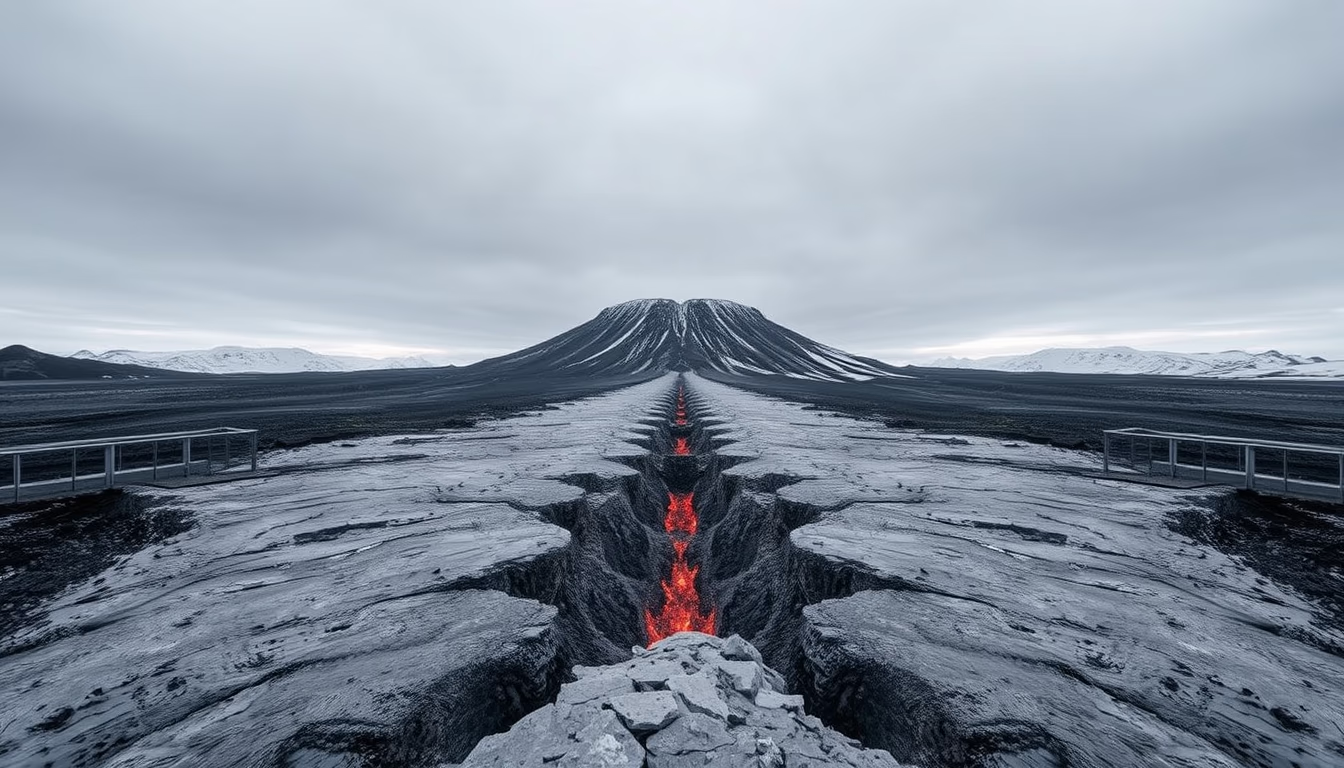
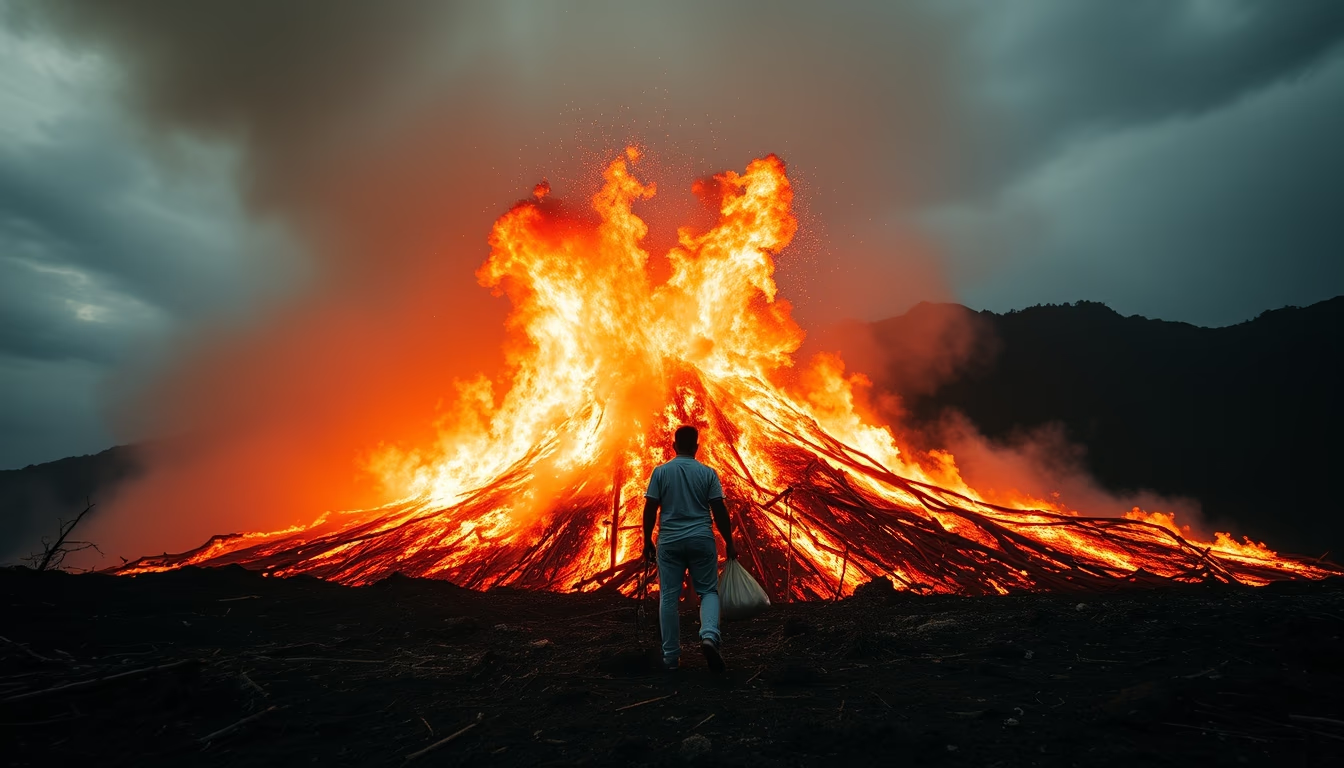
Fissure eruptions in Iceland are spectacular geological events occurring along volcanic rifts, such as those on the Reykjanes peninsula, shaping Iceland's landscape.
About this subject
A fissure eruption, also known as a curtain-of-fire eruption, occurs when magma rises through a linear fracture in the Earth's crust, producing long lines of lava fountains and flows. This type of eruption is common in rift zones, such as Iceland, which sits atop the Mid-Atlantic Ridge where the Eurasian and North American tectonic plates are pulling apart. This unique geological setting makes Iceland one of the most volcanically active regions on Earth, especially for fissure eruptions.
The Reykjanes peninsula in southwestern Iceland has been the site of several recent fissure eruptions, including those at Fagradalsfjall from 2021 to 2023 and at Litli-Hrútur in 2023 and 2024. These eruptions attracted thousands of visitors and scientists, offering a rare spectacle of lava flowing from cracks that can extend for several kilometers. The low-viscosity basaltic lava allows it to spread over large areas, creating vast lava fields that reshape the landscape.
Historically, the most famous Icelandic fissure eruption was the Laki eruption of 1783-1784, which lasted eight months and released enormous quantities of lava and toxic gases. This event caused a humanitarian catastrophe, killing about 20% of Iceland's population due to famine and disease, and also affected global climate. Earlier, the Eldgjá eruption around 934 AD was one of the largest fissure eruptions in history, with a 30 km long fissure. These events underscore the transformative power and risks of fissure volcanism in Iceland.
Fissure eruptions not only shape the local geology but are also crucial for studying volcanic processes and understanding mantle dynamics. Scientists closely monitor these eruptions using seismic and GPS instruments, allowing them to predict new events and issue warnings. For visitors, witnessing a fissure eruption is an unforgettable experience that combines natural beauty with real-time science, offering a window into the Earth's inner workings.
Frequently Asked Questions
What is a fissure eruption?
It is a type of volcanic eruption where magma emerges through a linear fracture or crack in the Earth's crust, producing curtains of fire and lava fountains along the fissure.
Why does Iceland have so many fissure eruptions?
Iceland lies on the Mid-Atlantic Ridge, where tectonic plates are diverging, creating a rift environment with many fractures. Additionally, a hotspot beneath the island amplifies volcanic activity.
What was the largest fissure eruption in Iceland's history?
The Eldgjá eruption around 934 AD is considered the largest, with a 30 km long fissure. The Laki eruption of 1783-1784 was also massive and caused devastating impacts.
Direct URL
https://pub-c7d6a6ea828543ac903a74a341ccb2e1.r2.dev/imagens/iceland-fissure-eruption-architectural-photography-fresh3.avifHow to credit
Include a visible link back to UtilizAí. Copy one of the snippets below:
<a href="https://xn--utiliza-eza.com/en/midia/imagens/iceland-fissure-eruption-architectural-photography-fresh3">Iceland fissure eruption</a> by <a href="https://xn--utiliza-eza.com">UtilizAí</a>, licensed under <a href="https://creativecommons.org/licenses/by/4.0/">CC BY 4.0</a>.
[Iceland fissure eruption](https://xn--utiliza-eza.com/en/midia/imagens/iceland-fissure-eruption-architectural-photography-fresh3) by [UtilizAí](https://xn--utiliza-eza.com), CC BY 4.0
License: CC-BY-4.0