Ice axe alpine
1344×768 · AVIF · CC BY 4.0
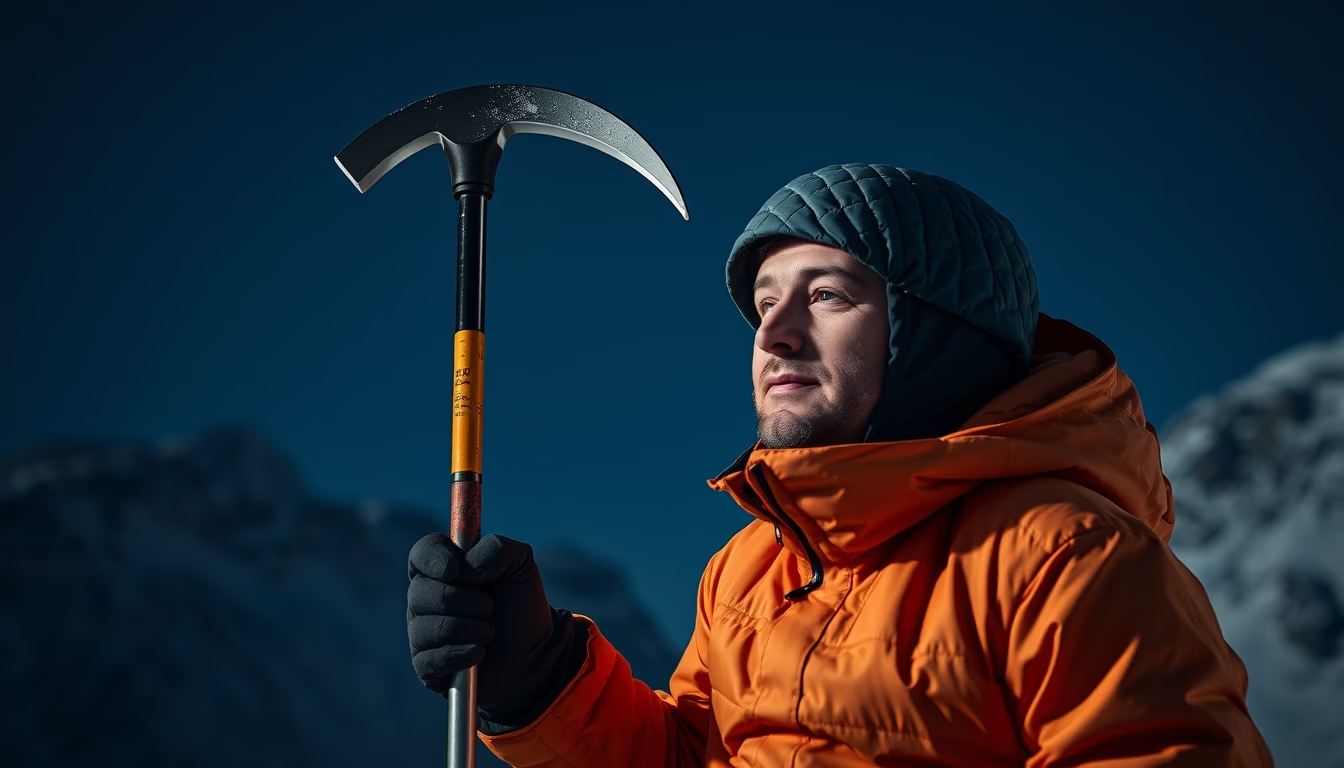
The alpine ice axe is an essential tool in mountaineering, used for safety and progression on snow and ice terrain.
About this subject
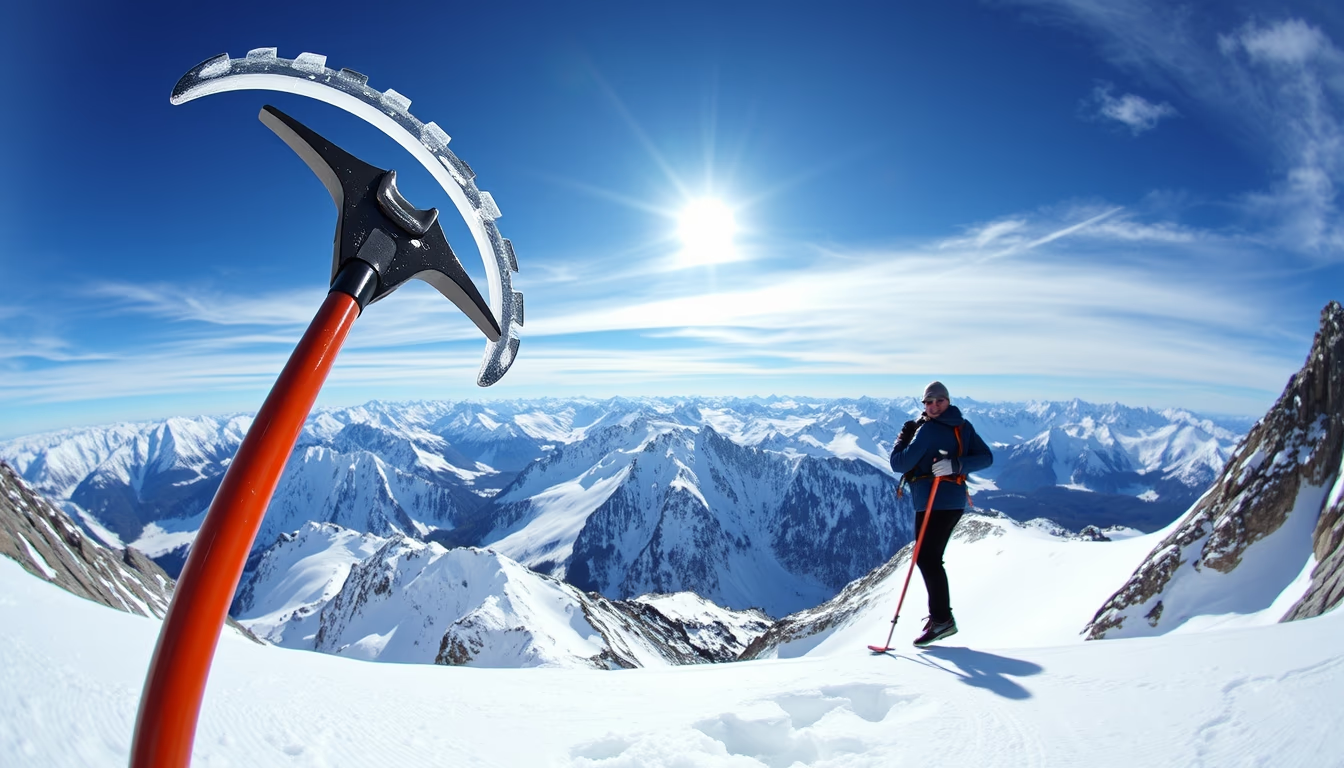
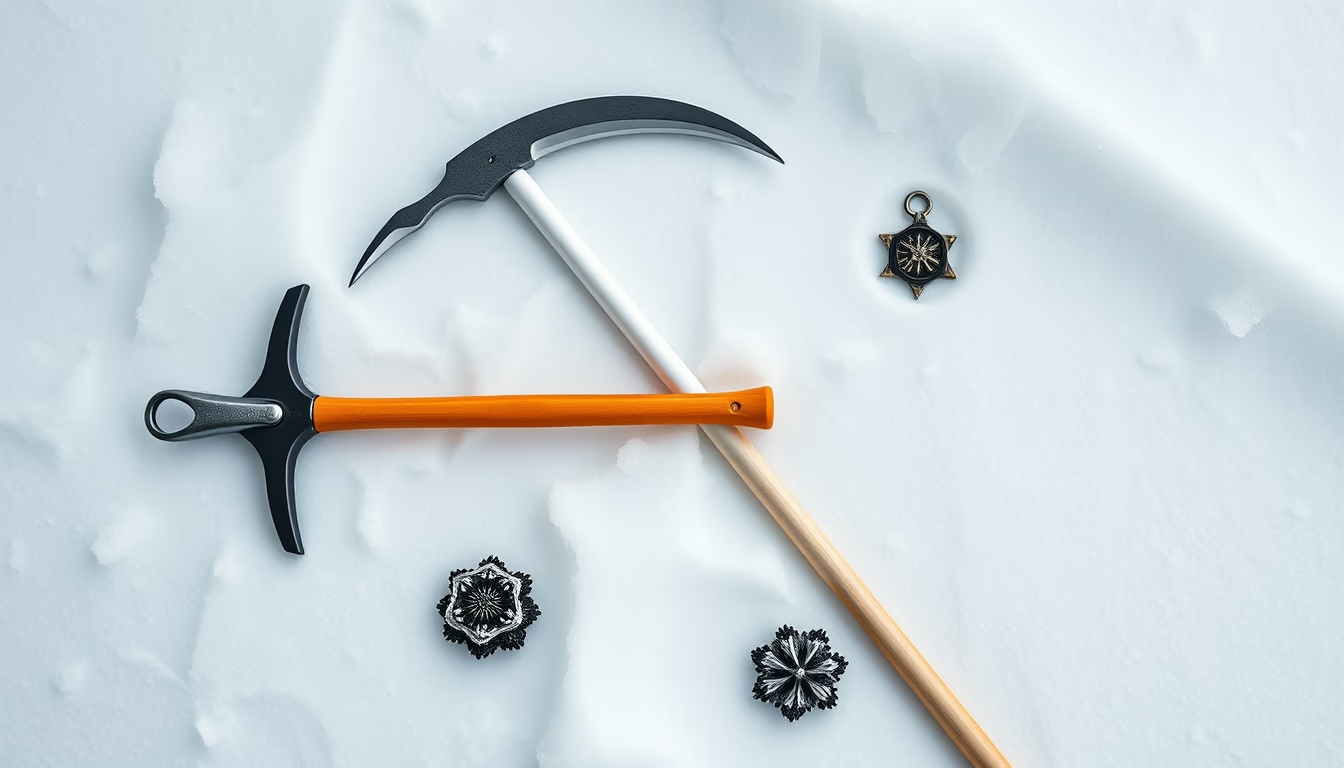
The alpine ice axe is one of the most iconic pieces of mountaineering equipment. Its primary function is to provide balance, anchoring, and self-arrest on snow or ice slopes. The design consists of a metal head (pick and adze) attached to a shaft, typically made of steel, aluminum, or carbon fiber. Classic models feature a straight shaft with a gentle curve, while technical versions (used for ice climbing) have a short, curved shaft with more aggressive teeth.
Historically, the modern ice axe evolved from walking sticks used by 19th-century pioneers like Edward Whymper and John Muir. Standardization came with the curved 'ice axe' invented by Oscar Eckenstein in the early 20th century. Today, materials such as titanium and hardened steel alloys increase durability, while ergonomic rubber grips improve comfort.
In Brazil, the use of alpine ice axes is limited to regions with snow or ice, such as the mountains of Rio de Janeiro (e.g., Pico das Agulhas Negras) or artificial ice climbing walls found in specialized gyms. Proper technique includes the 'self-arrest' maneuver, which saves lives during falls on snowy slopes. The ice axe also serves as an anchor for setting up tents or securing ropes.
A fun fact: the record for most ice axes used in a single expedition was on the 1953 ascent of Mount Everest, where Hillary and Tenzing's team carried multiple axes for different terrain types. Material advances have reduced weight from 1.5 kg to under 300 grams in ultra-light competition models.
Frequently Asked Questions
What is the difference between a classic alpine ice axe and a technical one?
The classic has a straight shaft and is used for snow hiking; the technical has a short, curved shaft with more aggressive teeth for vertical ice climbing.
How to choose the ideal ice axe length?
Length should be such that when holding it by the head, the tip touches the ground. For general mountaineering, between 60 and 80 cm; for technical climbing, under 50 cm.
Can an ice axe be used as an anchor?
Yes, by driving it deep into snow or ice at an angle, it can serve as a temporary anchor, but it does not replace specific gear like ice screws.
Direct URL
https://pub-c7d6a6ea828543ac903a74a341ccb2e1.r2.dev/imagens/ice-axe-alpine-studio-editorial-portrait-fresh3.avifHow to credit
Include a visible link back to UtilizAí. Copy one of the snippets below:
<a href="https://xn--utiliza-eza.com/en/midia/imagens/ice-axe-alpine-studio-editorial-portrait-fresh3">Ice axe alpine</a> by <a href="https://xn--utiliza-eza.com">UtilizAí</a>, licensed under <a href="https://creativecommons.org/licenses/by/4.0/">CC BY 4.0</a>.
[Ice axe alpine](https://xn--utiliza-eza.com/en/midia/imagens/ice-axe-alpine-studio-editorial-portrait-fresh3) by [UtilizAí](https://xn--utiliza-eza.com), CC BY 4.0
License: CC-BY-4.0