Ice axe alpine
1344×768 · AVIF · CC BY 4.0
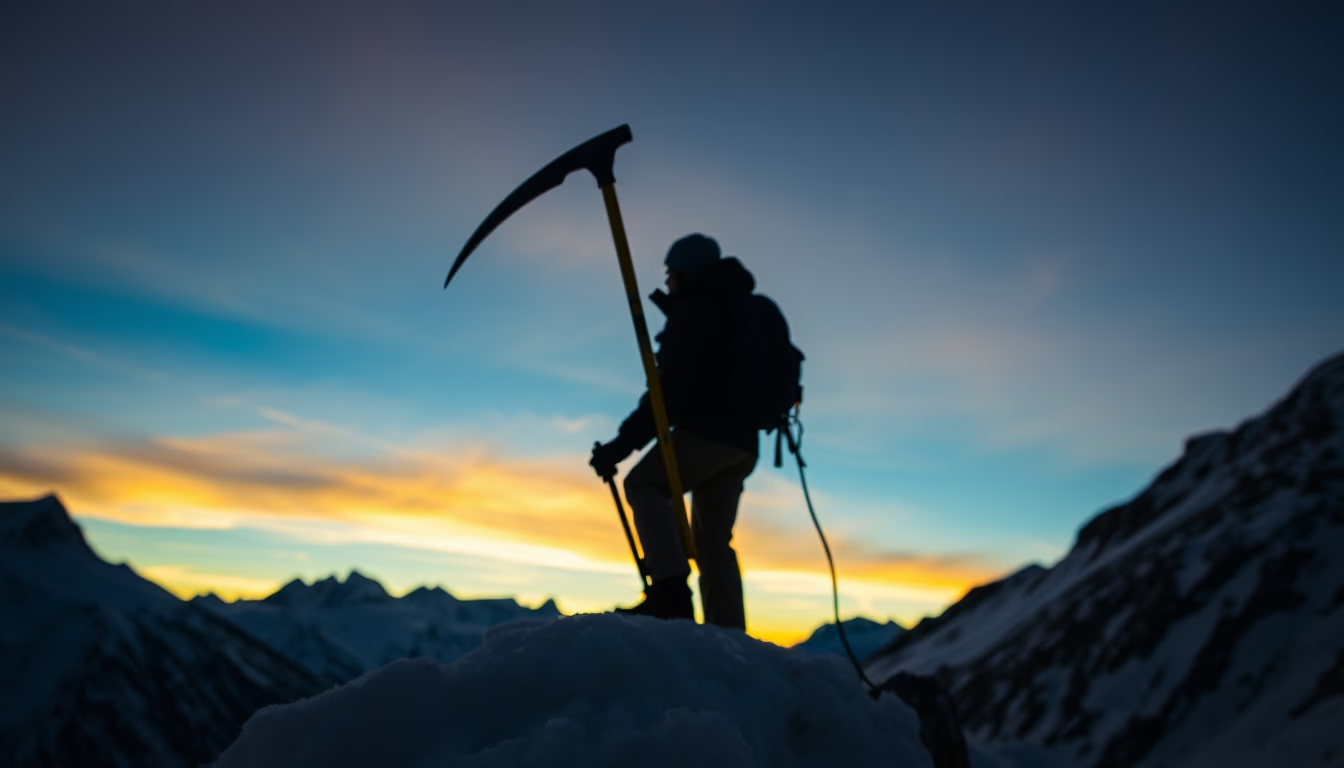
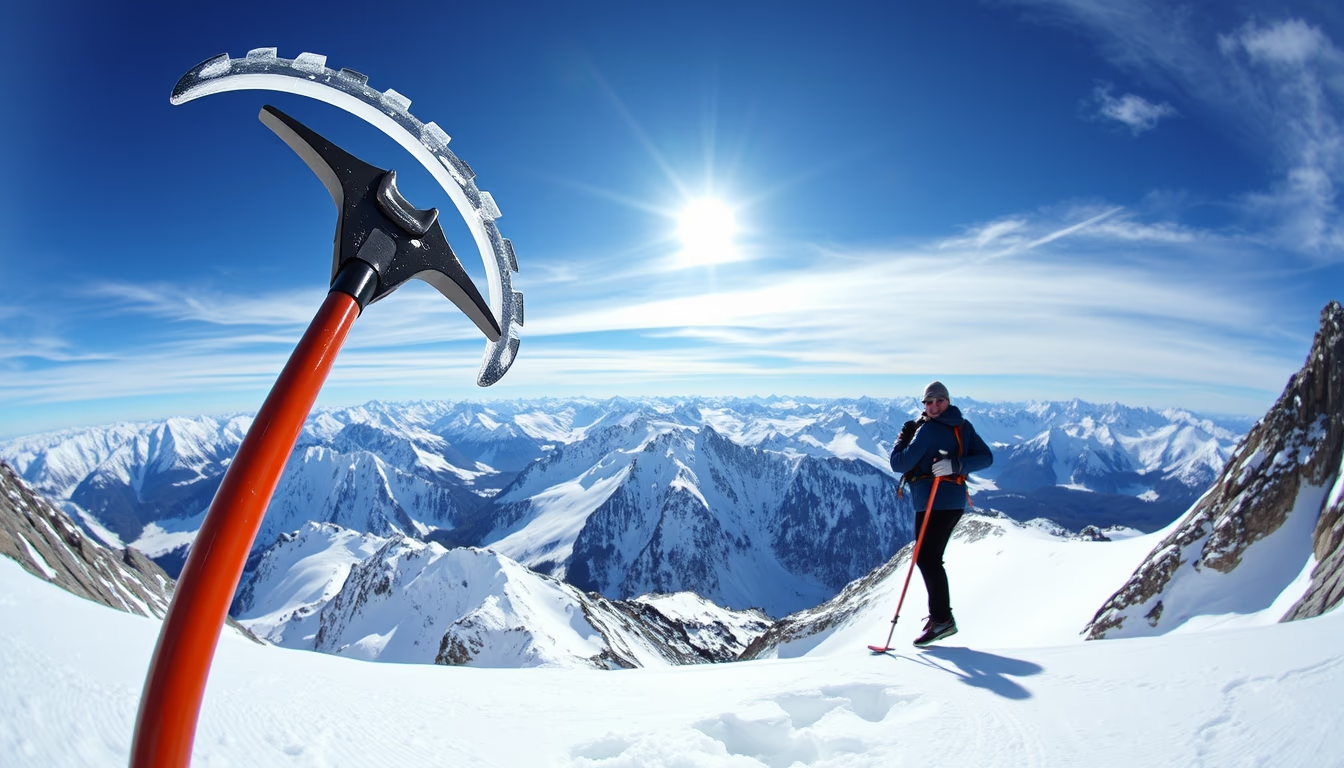
The alpine ice axe is an essential tool for mountaineers on glacial and mixed terrain, combining support and safety functions.
About this subject
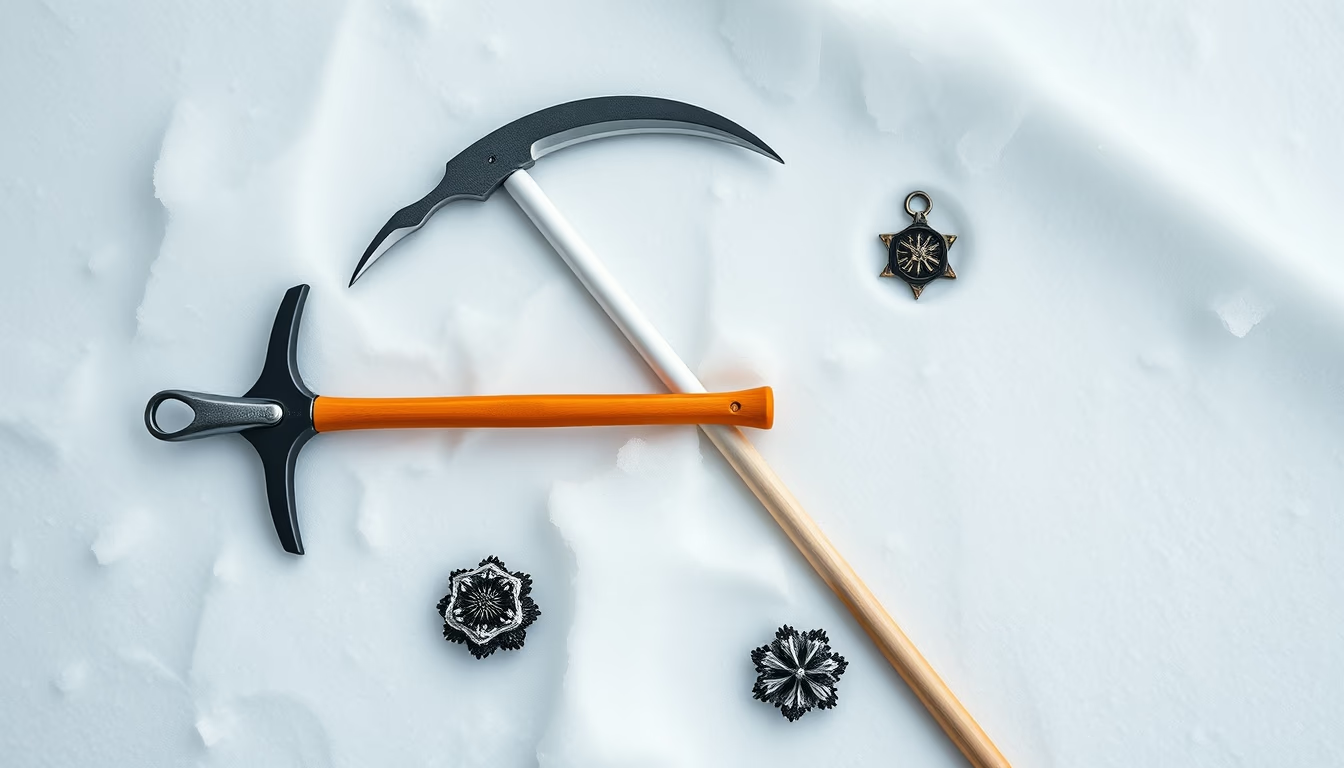
The ice axe, also known as a piolet, is a fundamental piece of equipment in alpine mountaineering. Its structure consists of three main parts: the head, which includes the blade and pick; the shaft, usually made of metal or fiber; and the spike at the lower end. The blade is used to cut steps in ice, while the pick serves for anchoring on firm terrain. The shaft provides support during walking and the spike aids stability in soft snow.
On glacial terrain, the ice axe plays a crucial role in self-arrest, allowing the climber to stop a fall by driving the pick into the ice. It is also used as an anchor for fixed ropes or as support on steep ascents. Different types exist: basic models are lighter and suitable for snow hiking, while technical ones have curved blades and sturdier shafts for vertical ice.
Historically, the ice axe evolved from adapted walking sticks with metal tips. In the 19th century, climbers like Edward Whymper popularized shorter, more functional versions. Today, materials range from stainless steel for the head to aluminum or carbon fiber for the shaft, reducing weight without compromising strength. The ideal length is typically measured between the climber's hand and the ground, varying from 60 to 90 centimeters.
Notably, some regions require mandatory use of ice axes on glacier crossings, such as the Swiss Alps. There are also ice axe climbing competitions where athletes demonstrate advanced techniques on artificial ice walls.
Frequently Asked Questions
What is the difference between a piolet and an ice axe?
They are the same tool. 'Piolet' is the French term commonly used in mountaineering literature, while 'ice axe' is the English name. Both refer to the alpine climbing tool.
How do I choose the right ice axe length?
The ideal length is when you hold the head and the spike touches the ground. For most people, 60 to 75 cm works for general mountaineering, while 90 cm suits gentle snow slopes.
What are basic ice axe techniques?
Essential techniques include self-arrest (rolling onto the axe to stop a fall), ice axe step (using it as support while ascending), and anchoring (placing the axe as a security point). Practical training is vital.
Direct URL
https://pub-c7d6a6ea828543ac903a74a341ccb2e1.r2.dev/imagens/ice-axe-alpine-long-exposure-fresh16.avifHow to credit
Include a visible link back to UtilizAí. Copy one of the snippets below:
<a href="https://xn--utiliza-eza.com/en/midia/imagens/ice-axe-alpine-long-exposure-fresh16">Ice axe alpine</a> by <a href="https://xn--utiliza-eza.com">UtilizAí</a>, licensed under <a href="https://creativecommons.org/licenses/by/4.0/">CC BY 4.0</a>.
[Ice axe alpine](https://xn--utiliza-eza.com/en/midia/imagens/ice-axe-alpine-long-exposure-fresh16) by [UtilizAí](https://xn--utiliza-eza.com), CC BY 4.0
License: CC-BY-4.0