Ice axe alpine
1344×768 · AVIF · CC BY 4.0
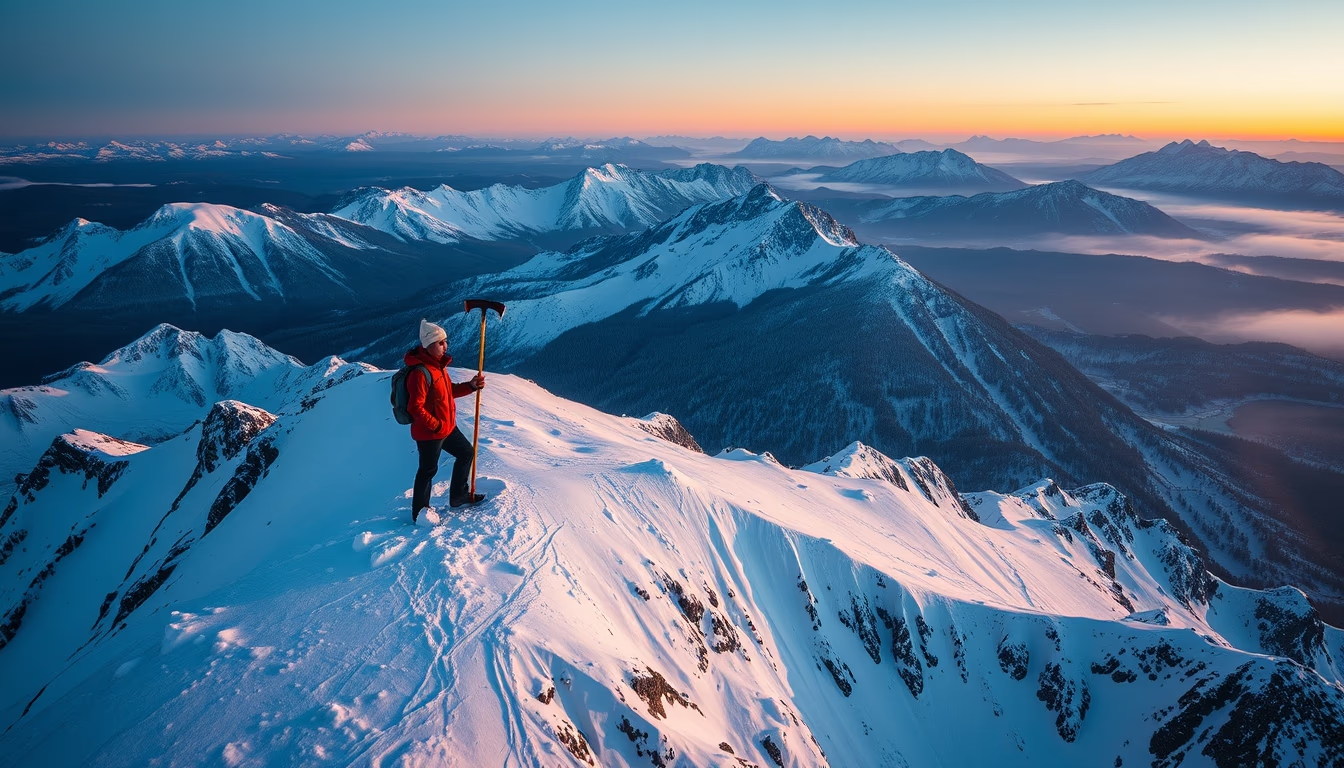
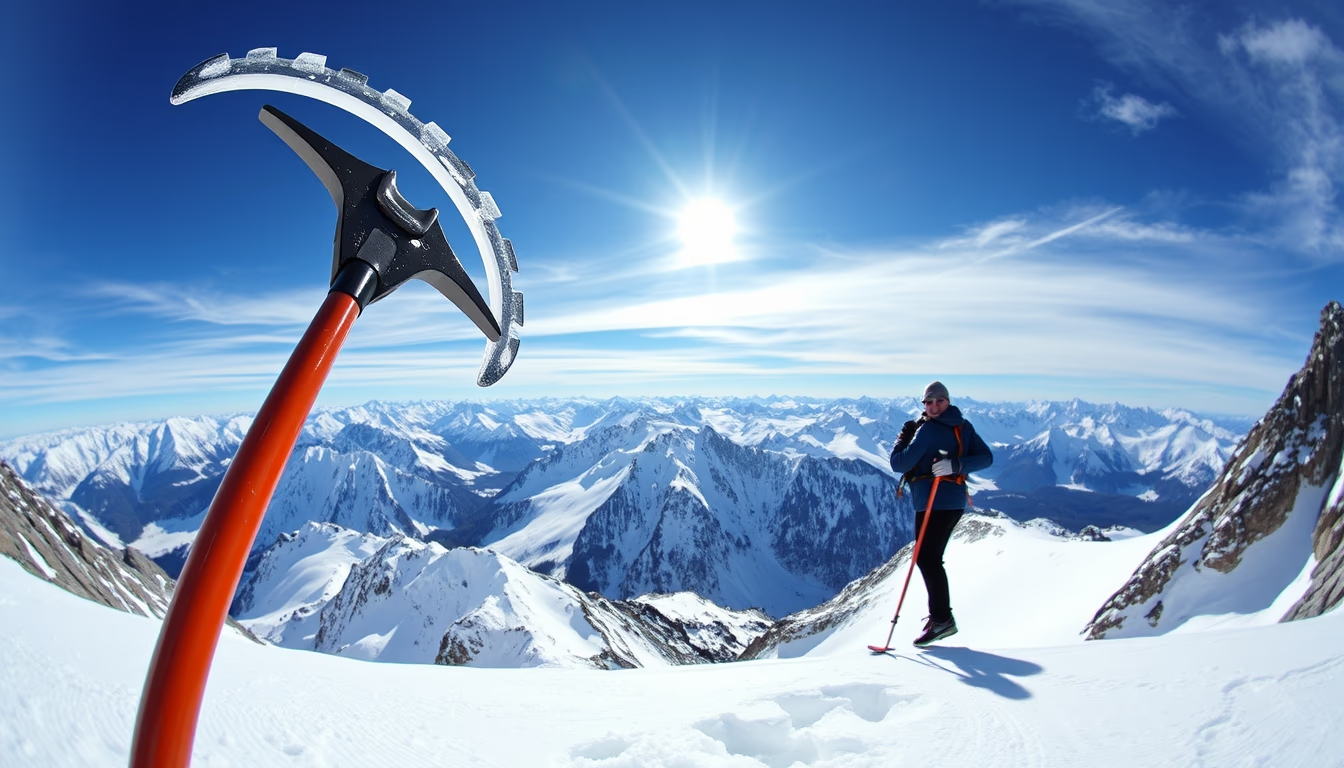
Alpine ice axe: essential tool for mountaineering on ice and snow, used in technical climbs and glacier crossings.
About this subject
The alpine ice axe is one of the most emblematic and indispensable tools in mountaineering, especially in icy and snowy environments. Its origin dates back to the 19th century, when European climbers began exploring the Alps and needed a tool that combined walking support, self-arrest capability, and the ability to cut steps in ice. Since then, the design has evolved: modern models are made of stainless steel or aluminum alloys, with ergonomic handles of aluminum or carbon fiber, and feature a head with a curved or straight pick depending on the application.
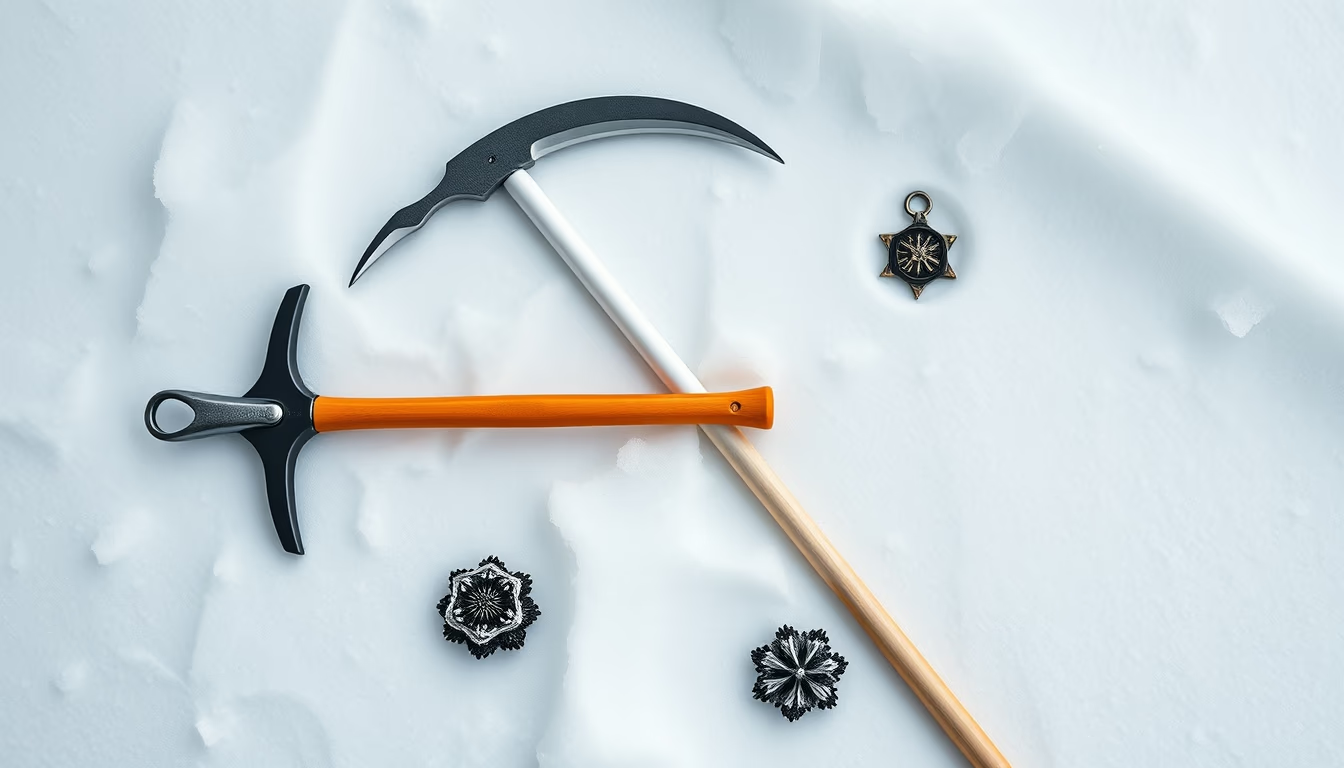
In technical alpinism, the ice axe serves multiple functions. The pick (metal part) is used to stab into firm ice or consolidated snow, providing security points for the climber. The adze (side blade) allows digging steps or removing loose snow. The spike (base of the shaft) helps in piercing snow for setting up camps or as a support during descents. On glacier traverses, the ice axe is used together with ropes and crampons to ensure team safety.
Interesting fact: the length of the ice axe varies by use. Walking axes have long shafts (70-80 cm) and are used on less steep terrain. Technical axes are shorter (50-60 cm) and allow climbing movements on vertical ice. The balance between weight, strength, and grip is crucial; very light axes may not penetrate hard ice well, while very heavy ones exhaust the user.
Manufacturing alpine ice axes requires strict quality standards, as failure can be fatal. Brands like Petzl, Black Diamond, and Grivel develop models certified by the UIAA (International Climbing and Mountaineering Federation). In Brazil, use is restricted to high-altitude expeditions, such as in the Andes, or at ski resorts in Chile and Argentina. Maintenance includes regularly sharpening the pick and inspecting for cracks in the shaft or metal head.
Frequently Asked Questions
What is the difference between a walking axe and a technical ice axe?
A walking axe has a longer shaft (70-80 cm) and a straight pick, ideal for gentle terrain and self-arrest. A technical axe has a shorter shaft (50-60 cm) and a curved pick, designed for vertical ice climbing and technical traverses.
How do I choose the right length for an alpine ice axe?
The length should allow the pick to reach the ice or snow without straining your posture. Generally, the axe should be between your knee and hip when held by the shaft. For general use, 60-70 cm is recommended.
Does an alpine ice axe require special maintenance?
Yes, the pick should be sharpened periodically with an appropriate file. The shaft and metal head must be inspected for cracks or corrosion. Store in a dry place and avoid impacts that could damage the structure.
Direct URL
https://pub-c7d6a6ea828543ac903a74a341ccb2e1.r2.dev/imagens/ice-axe-alpine-aerial-drone-shot-fresh4.avifHow to credit
Include a visible link back to UtilizAí. Copy one of the snippets below:
<a href="https://xn--utiliza-eza.com/en/midia/imagens/ice-axe-alpine-aerial-drone-shot-fresh4">Ice axe alpine</a> by <a href="https://xn--utiliza-eza.com">UtilizAí</a>, licensed under <a href="https://creativecommons.org/licenses/by/4.0/">CC BY 4.0</a>.
[Ice axe alpine](https://xn--utiliza-eza.com/en/midia/imagens/ice-axe-alpine-aerial-drone-shot-fresh4) by [UtilizAí](https://xn--utiliza-eza.com), CC BY 4.0
License: CC-BY-4.0