Honey jar artisan label
1344×768 · AVIF · CC BY 4.0
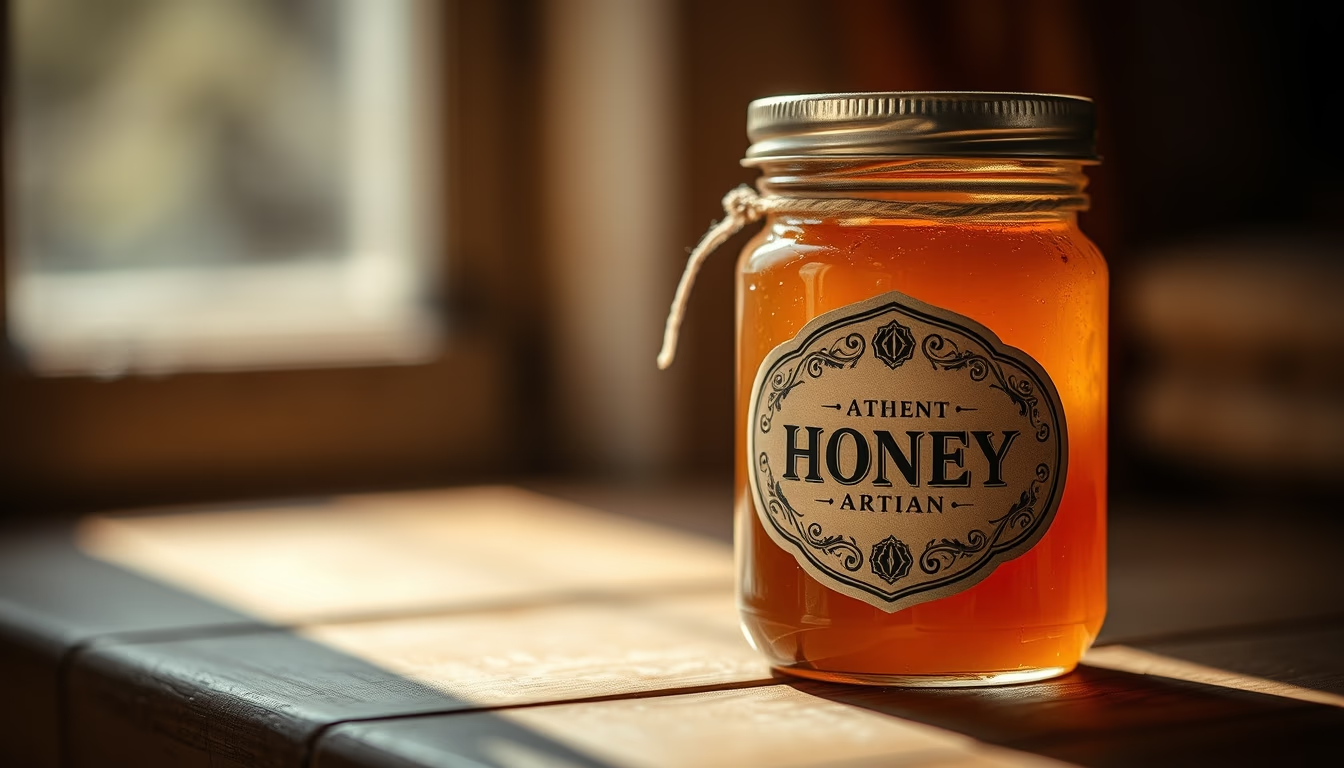
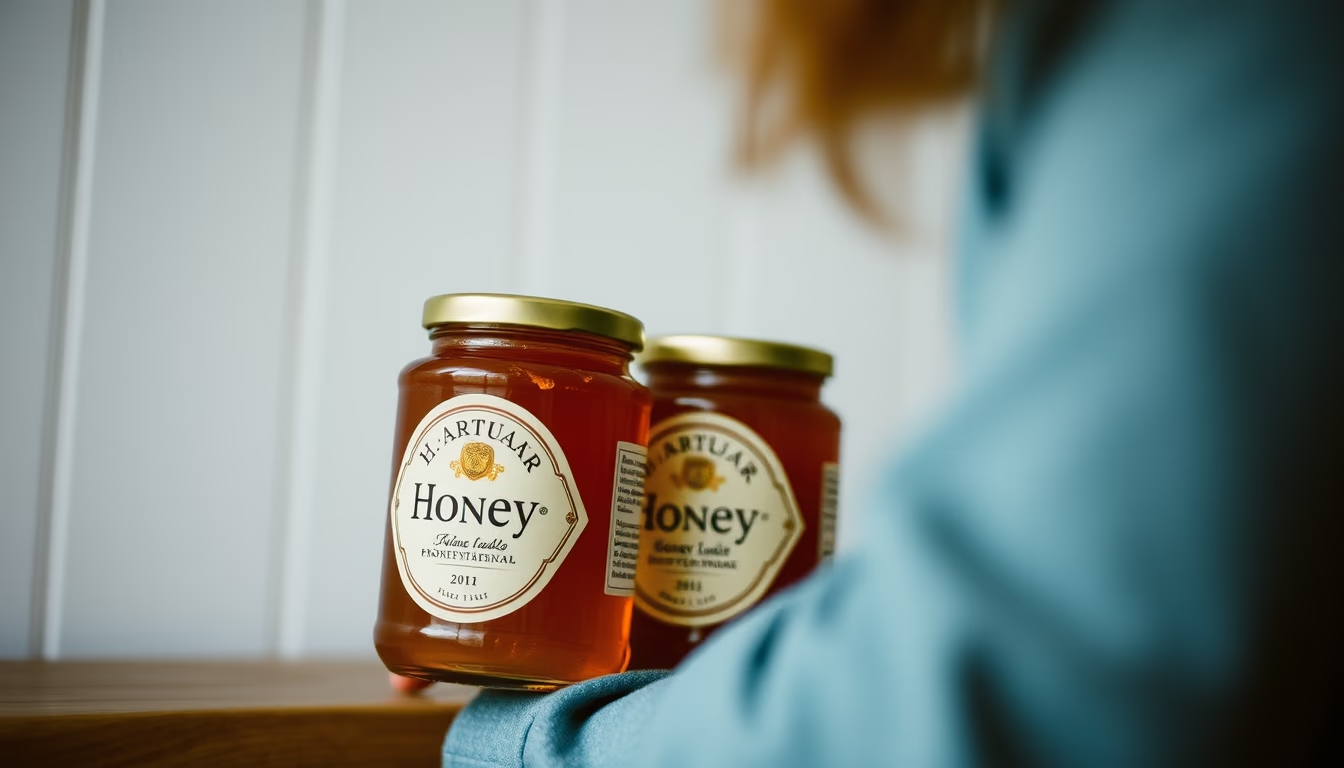
Artisan honey jar label highlights visual identity and local beekeeping tradition.
About this subject
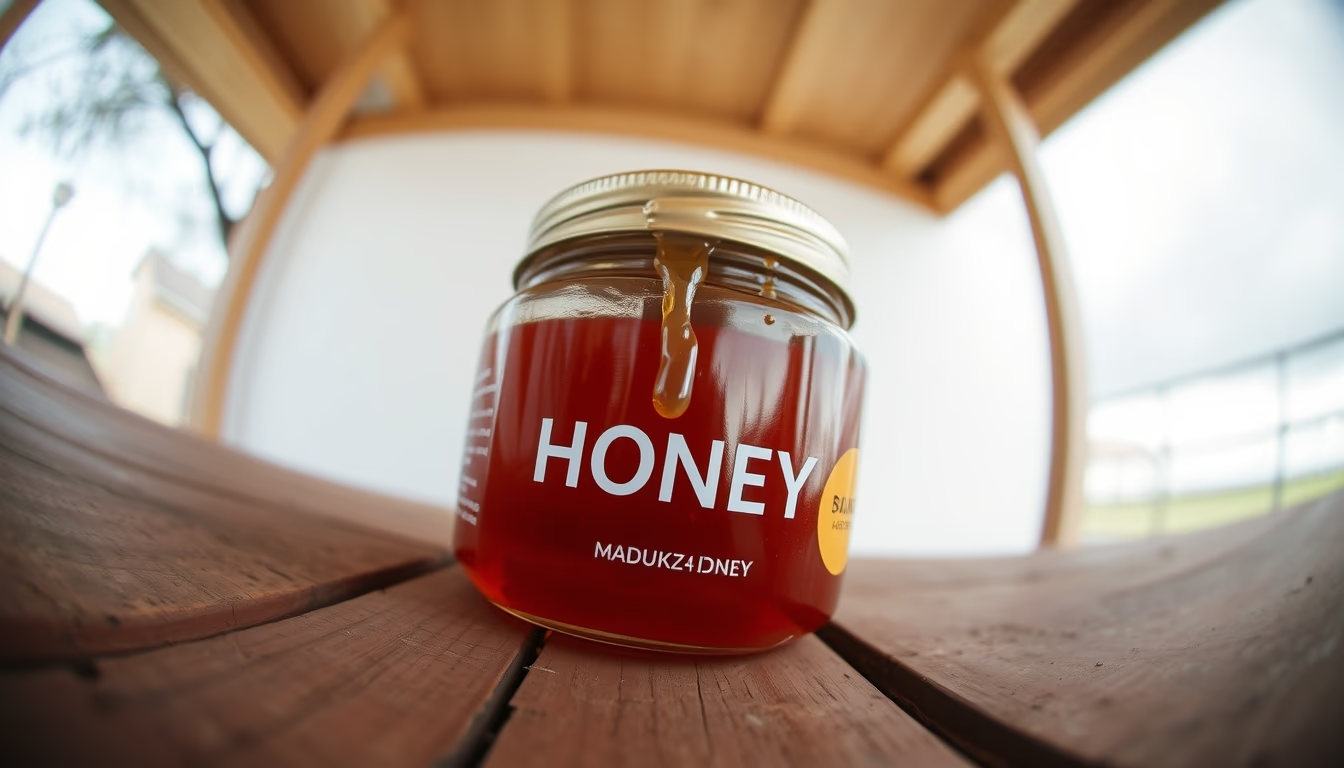
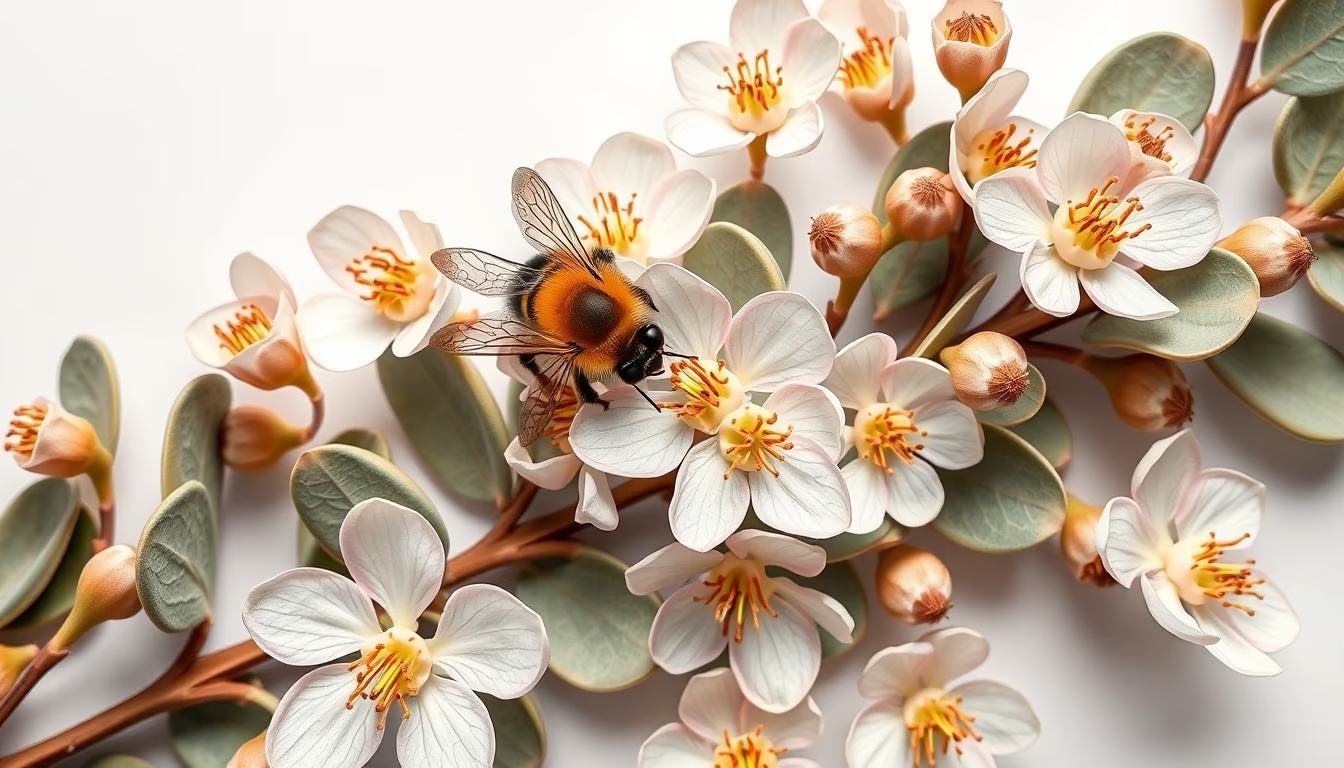
Artisan honey jar labels are far more than simple packaging. They represent the producer's identity, the honey's origin, and product quality. Many beekeepers invest in unique designs that tell the story of their hives, using graphic elements such as bees, flowers, and natural colors. This visual care is essential to attract consumers seeking authenticity and transparency in the artisan food market.
Globally, honey production exceeds 1.8 million tons annually, with China, Turkey, and the United States as top producers, while Brazil leads in Latin America with over 50,000 tons in 2023. Artisan labels often include details about floral source (eucalyptus, orange blossom, wildflower) and region, distinguishing premium monofloral and organic honeys from bulk commodity products. In the United States, the National Honey Board reports growing interest in local and raw honey, driving demand for distinctive labeling.
The art of labels also connects with the slow food movement and culinary culture. Unlike generic industrial labels, artisan ones emphasize local aesthetics, often printed on recycled or textured paper. Certification seals for organic farming and geographic indication (like IGP from certain French or Italian regions) add value and trust. Some labels even feature hand-drawn illustrations of native bees, such as the stingless jataí in Brazil.
Creating an artisan label involves selecting typography, paper stock, and printing techniques. Many beekeepers collaborate with local designers, resulting in collectible pieces. Beyond information, these labels narrate stories of sustainable beekeeping and biodiversity. Consumer preference for transparent packaging has boosted the market for honey jars with clear labels that highlight purity, color, and crystallized texture.
Frequently Asked Questions
What distinguishes an artisan label from an industrial one?
An artisan label is personalized, with unique design and details that tell the story of the producer and honey origin. Industrial labels are standardized, generic, and cost-focused.
What information is essential on a honey label?
Essential information includes honey origin (floral source and region), harvest date, net weight, producer details, and any organic or quality certification seals.
How can you identify honey quality from the label?
Check the origin, certification seals, and transparency about production methods. Artisan labels often state whether the honey is raw, filtered, or pasteurized.
Direct URL
https://pub-c7d6a6ea828543ac903a74a341ccb2e1.r2.dev/imagens/honey-jar-artisan-label-fine-art-photography-fresh12.avifHow to credit
Include a visible link back to UtilizAí. Copy one of the snippets below:
<a href="https://xn--utiliza-eza.com/en/midia/imagens/honey-jar-artisan-label-fine-art-photography-fresh12">Honey jar artisan label</a> by <a href="https://xn--utiliza-eza.com">UtilizAí</a>, licensed under <a href="https://creativecommons.org/licenses/by/4.0/">CC BY 4.0</a>.
[Honey jar artisan label](https://xn--utiliza-eza.com/en/midia/imagens/honey-jar-artisan-label-fine-art-photography-fresh12) by [UtilizAí](https://xn--utiliza-eza.com), CC BY 4.0
License: CC-BY-4.0