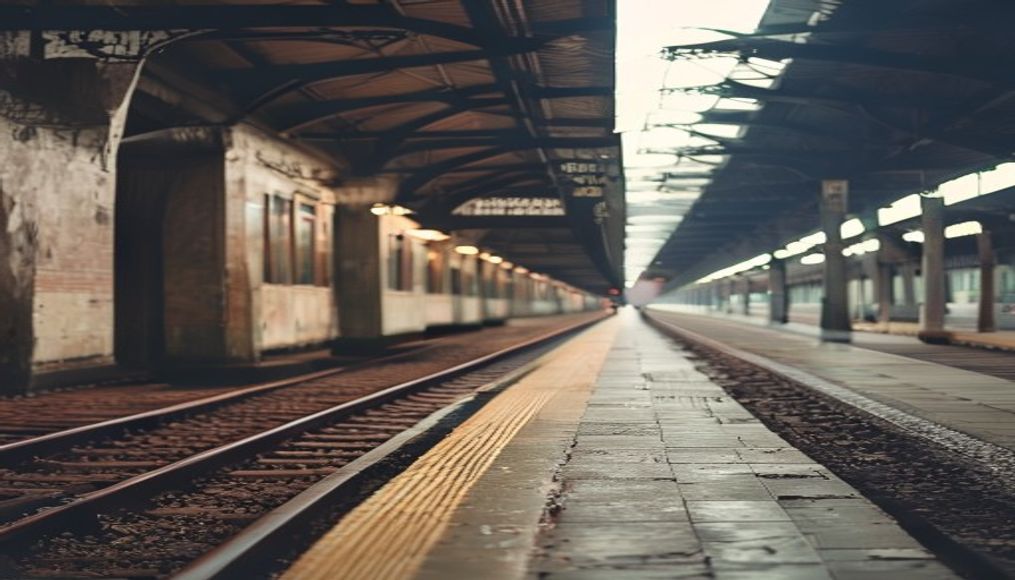
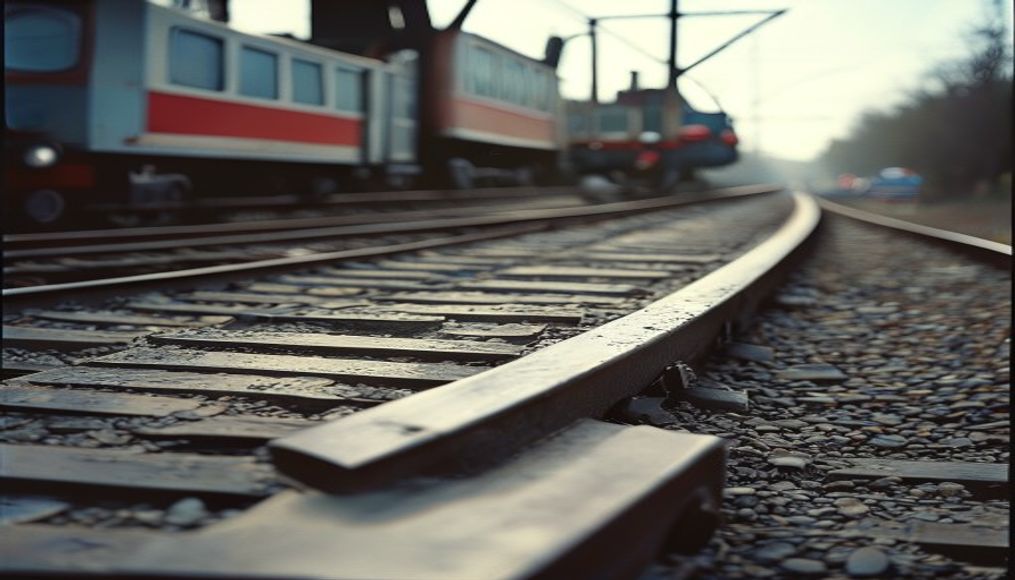
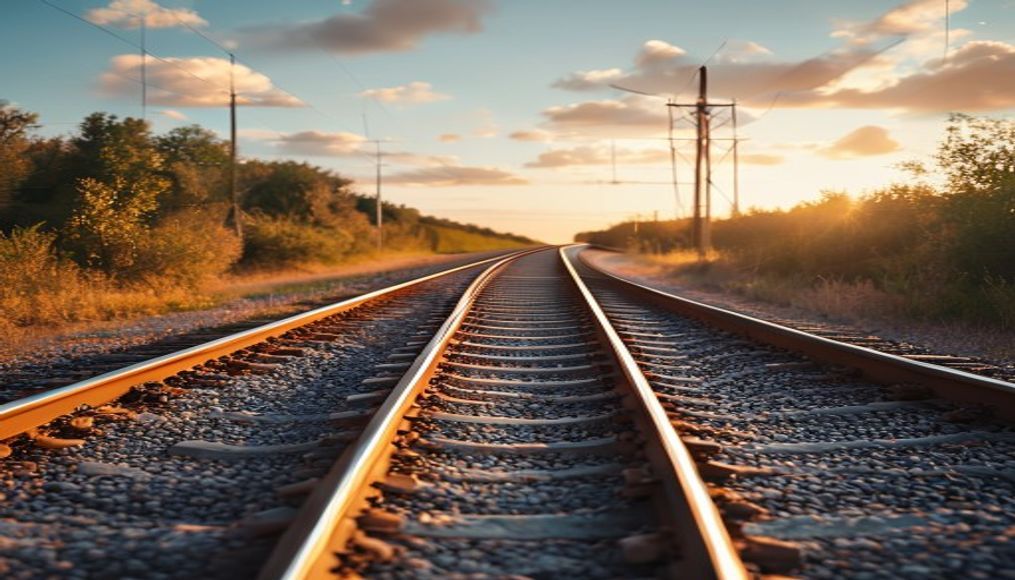
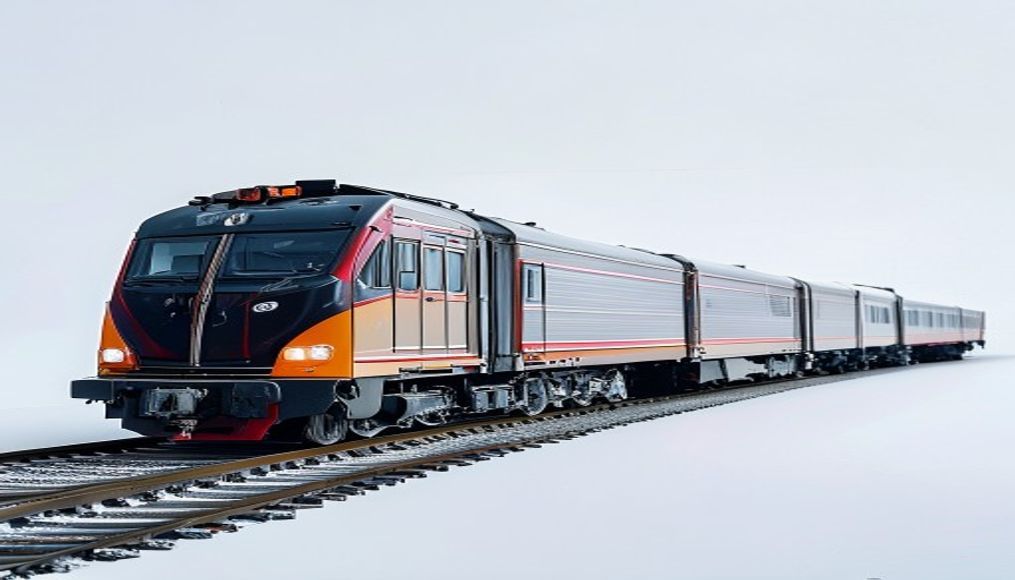
High speed train japan
1344×768 · AVIF · CC BY 4.0
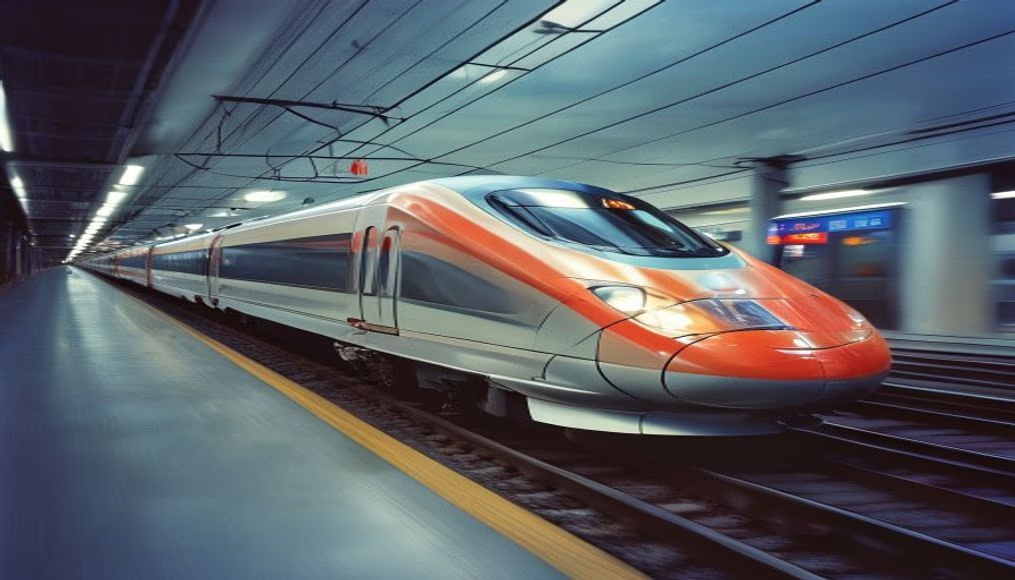
The Shinkansen, Japan's bullet train, revolutionized rail transport since 1964, reaching speeds over 300 km/h with exemplary punctuality and safety.
About this subject
The Shinkansen, globally known as the bullet train, is a high-speed rail system operated by Japan Railways (JR) that connects Japan's major cities. Inaugurated on October 1, 1964, in time for the Tokyo Olympics, the Shinkansen pioneered high-speed rail, initially reaching 210 km/h on the Tokaido line. Today, maximum operational speeds reach 320 km/h on newer lines like the Hokuriku Shinkansen.
The system is renowned for its punctuality: the average annual delay is less than one minute, including natural events and unforeseen circumstances. Safety is another hallmark, with zero passenger fatalities from operational accidents since its inception. The Shinkansen uses dedicated standard-gauge tracks (1,435 mm), different from the narrow gauge of conventional Japanese railways. Technology includes automatic signaling, centralized traffic control, and seismic mitigation devices that trigger emergency brakes within seconds.
Culturally, the Shinkansen has become a symbol of Japanese modernity and efficiency, appearing in films, series, and popular imagination. High-speed rail has transformed domestic tourism, allowing Tokyo and Osaka, 515 km apart, to be connected in just 2.5 hours. Moreover, the Shinkansen's operational model has influenced high-speed systems in several countries, including Taiwan, France, and China. A fun fact: the nose shape of the N700 series train, inspired by the kingfisher's beak, reduces noise when entering tunnels.
Frequently Asked Questions
What is the maximum speed of the Shinkansen?
The maximum operational speed varies by line, with a commercial record of 320 km/h on the Hokuriku Shinkansen. The speed test record is 603 km/h achieved in 2015 with the experimental maglev train.
Has the Shinkansen ever been involved in a fatal accident?
No. Since its inauguration in 1964, the Shinkansen has had zero passenger fatalities from operational accidents. It is considered one of the safest rail systems in the world.
How does the Shinkansen handle earthquakes?
The system is equipped with a seismic alert system that detects primary waves (P-waves) and automatically triggers emergency brakes within seconds. Additionally, tracks and structures are designed to withstand tremors.
Direct URL
https://pub-c7d6a6ea828543ac903a74a341ccb2e1.r2.dev/imagens/high-speed-train-japan-studio-editorial-portrait-p3.avifHow to credit
Include a visible link back to UtilizAí. Copy one of the snippets below:
<a href="https://xn--utiliza-eza.com/en/midia/imagens/high-speed-train-japan-studio-editorial-portrait-p3">High speed train japan</a> by <a href="https://xn--utiliza-eza.com">UtilizAí</a>, licensed under <a href="https://creativecommons.org/licenses/by/4.0/">CC BY 4.0</a>.
[High speed train japan](https://xn--utiliza-eza.com/en/midia/imagens/high-speed-train-japan-studio-editorial-portrait-p3) by [UtilizAí](https://xn--utiliza-eza.com), CC BY 4.0
License: CC-BY-4.0