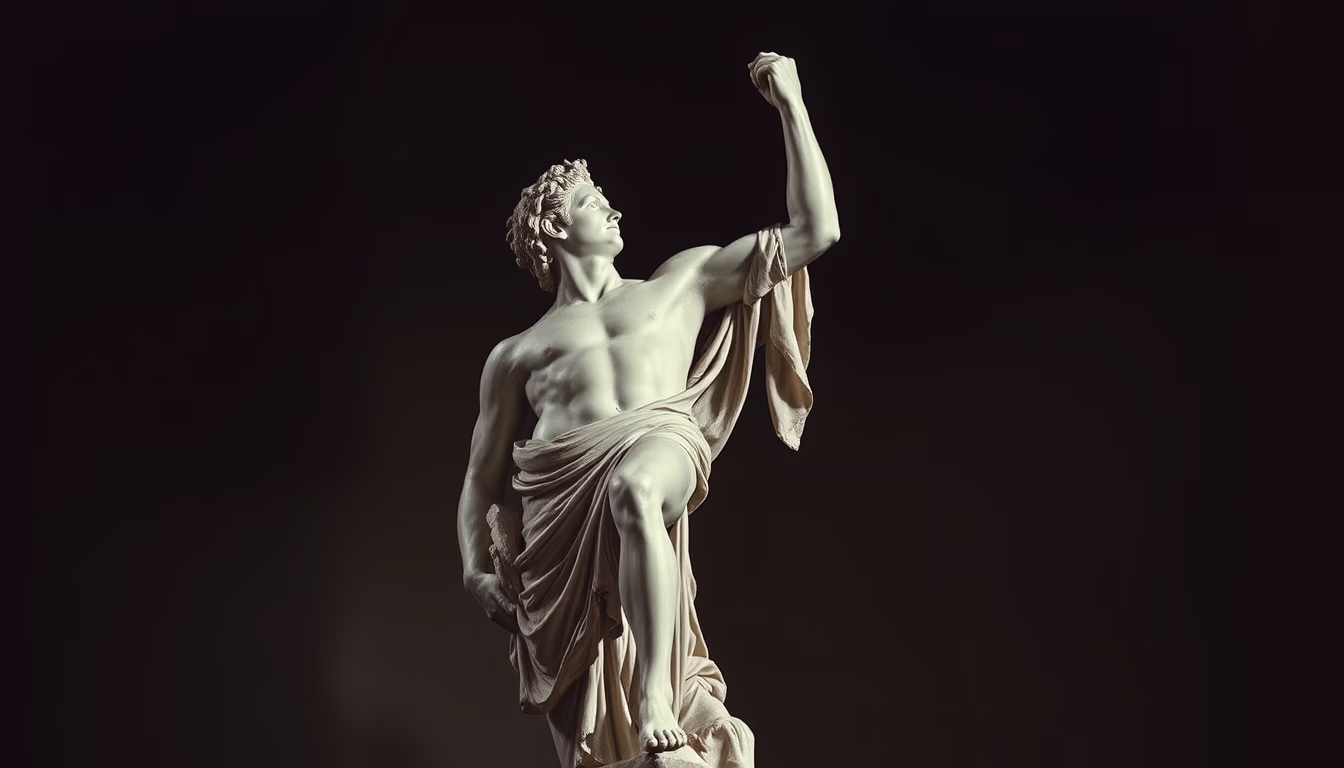
Henry moore abstract
1344×768 · AVIF · CC BY 4.0
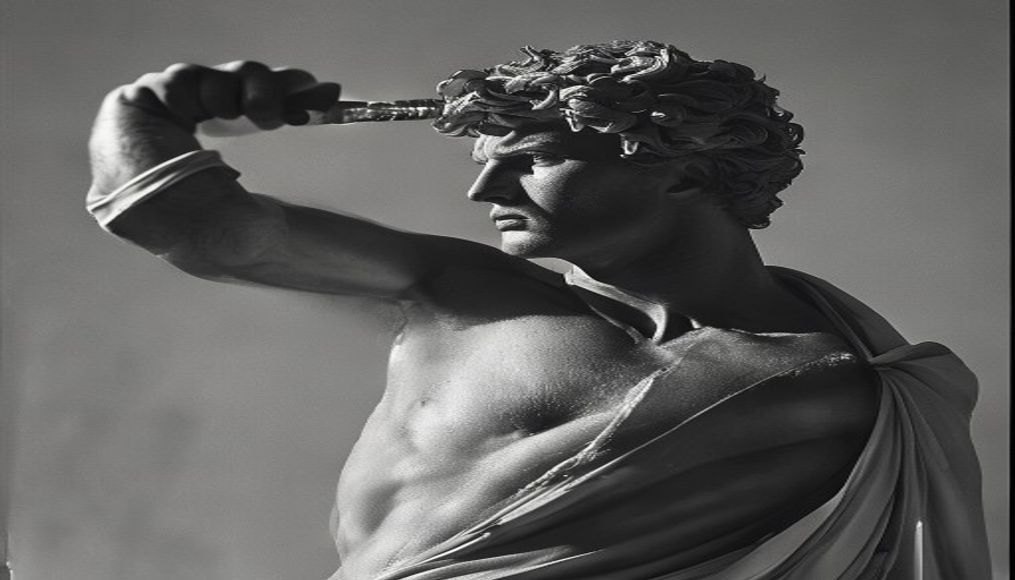
Henry Moore, British sculptor, revolutionized modern art with his abstract organic forms inspired by nature and the human figure.
About this subject
Henry Moore (1898-1986) was one of the most influential sculptors of the 20th century, known for his abstract works that blend biomorphic forms with the human figure. Born in Castleford, England, Moore studied at the Leeds School of Art and the Royal College of Art, where he was influenced by Surrealism and primitive art, especially Mesoamerican and African sculptures. His innovative approach included creating hollow and perforated forms, as in 'Reclining Figure' (1938), which became an icon of modernism.
Moore's style is marked by reclining figures, often female, with smooth curves and holes that integrate the surrounding space into the sculpture. He believed emptiness was as important as mass, creating a dialogue between the piece and its environment. Works such as 'King and Queen' (1952) and 'Large Reclining Figure' (1984) exemplify his quest for universality, merging human anatomy with natural landscapes. His preferred technique was direct carving in stone or wood, but he also worked in bronze.
Moore had a profound influence on public sculpture and global abstract art. His works are held in museums such as Tate Britain, the Museum of Modern Art in New York, and the Henry Moore Foundation in Perry Green. Interestingly, he also designed pieces for open spaces, integrating art and nature, such as at the UNESCO campus in Paris. Brazil has some of his sculptures, for instance at MASP in São Paulo, evidencing his international reach. Moore died in 1986, but his legacy lives on in the way modern sculpture interacts with the public and space.
Frequently Asked Questions
What are Henry Moore's most famous works?
Henry Moore's most famous works include 'Reclining Figure' (1938), 'King and Queen' (1952), 'Large Reclining Figure' (1984), and 'Nuclear Energy' (1967), the latter located at the site of the first controlled nuclear reaction in Chicago.
What defines Henry Moore's abstract sculpture?
Henry Moore's abstract sculpture is defined by organic forms, reclining figures, perforations, and the use of negative space. He combined human anatomy with natural forms, creating monumental pieces that interact with their surroundings.
Where can Henry Moore's sculptures be seen in the world?
Henry Moore's sculptures can be seen at the Tate Britain in London, the Museum of Modern Art in New York, the Henry Moore Foundation in Perry Green, and the UNESCO campus in Paris, among many other museums and public spaces globally.
Direct URL
https://pub-c7d6a6ea828543ac903a74a341ccb2e1.r2.dev/imagens/henry-moore-abstract-fine-art-photography-p3.avifHow to credit
Include a visible link back to UtilizAí. Copy one of the snippets below:
<a href="https://xn--utiliza-eza.com/en/midia/imagens/henry-moore-abstract-fine-art-photography-p3">Henry moore abstract</a> by <a href="https://xn--utiliza-eza.com">UtilizAí</a>, licensed under <a href="https://creativecommons.org/licenses/by/4.0/">CC BY 4.0</a>.
[Henry moore abstract](https://xn--utiliza-eza.com/en/midia/imagens/henry-moore-abstract-fine-art-photography-p3) by [UtilizAí](https://xn--utiliza-eza.com), CC BY 4.0
License: CC-BY-4.0