Hebrew calligraphy torah
1344×768 · AVIF · CC BY 4.0
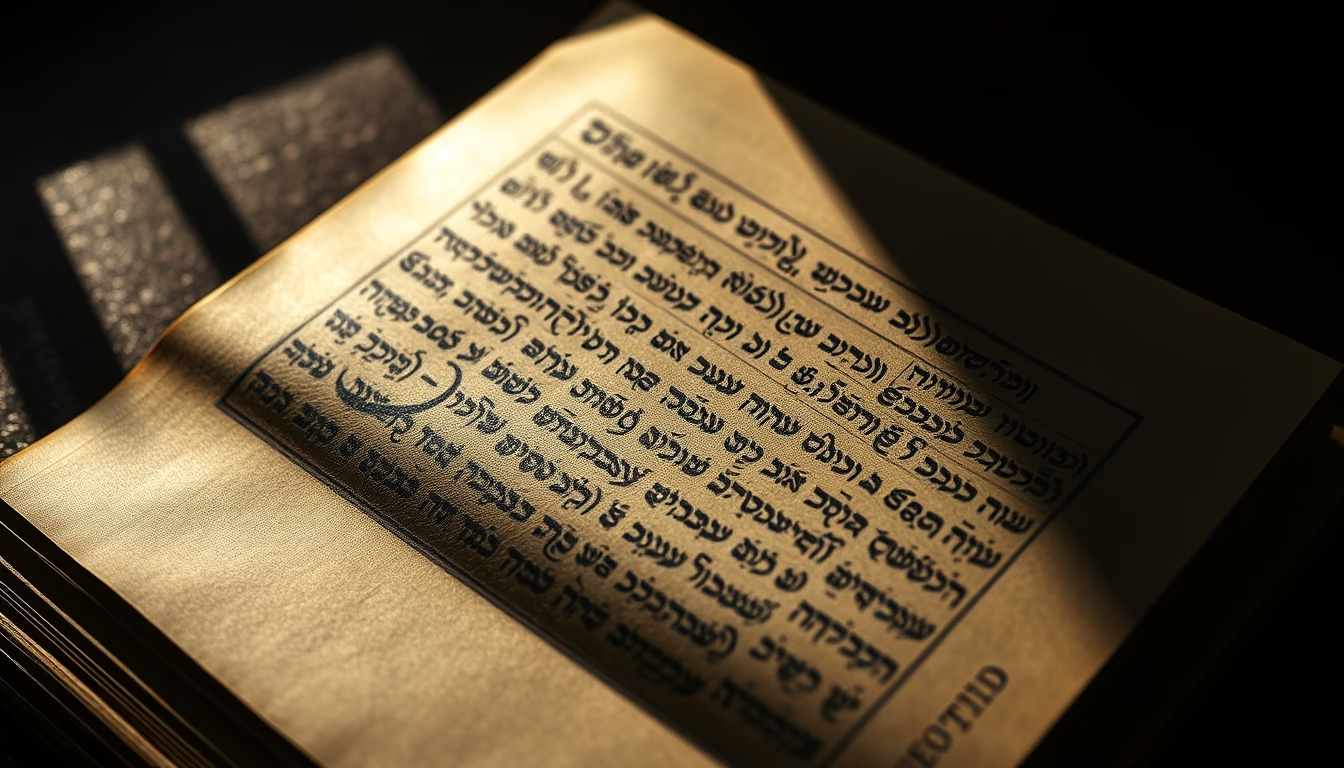
Hebrew calligraphy of Torah scrolls is an ancient art combining technical precision and deep religious significance.
About this subject
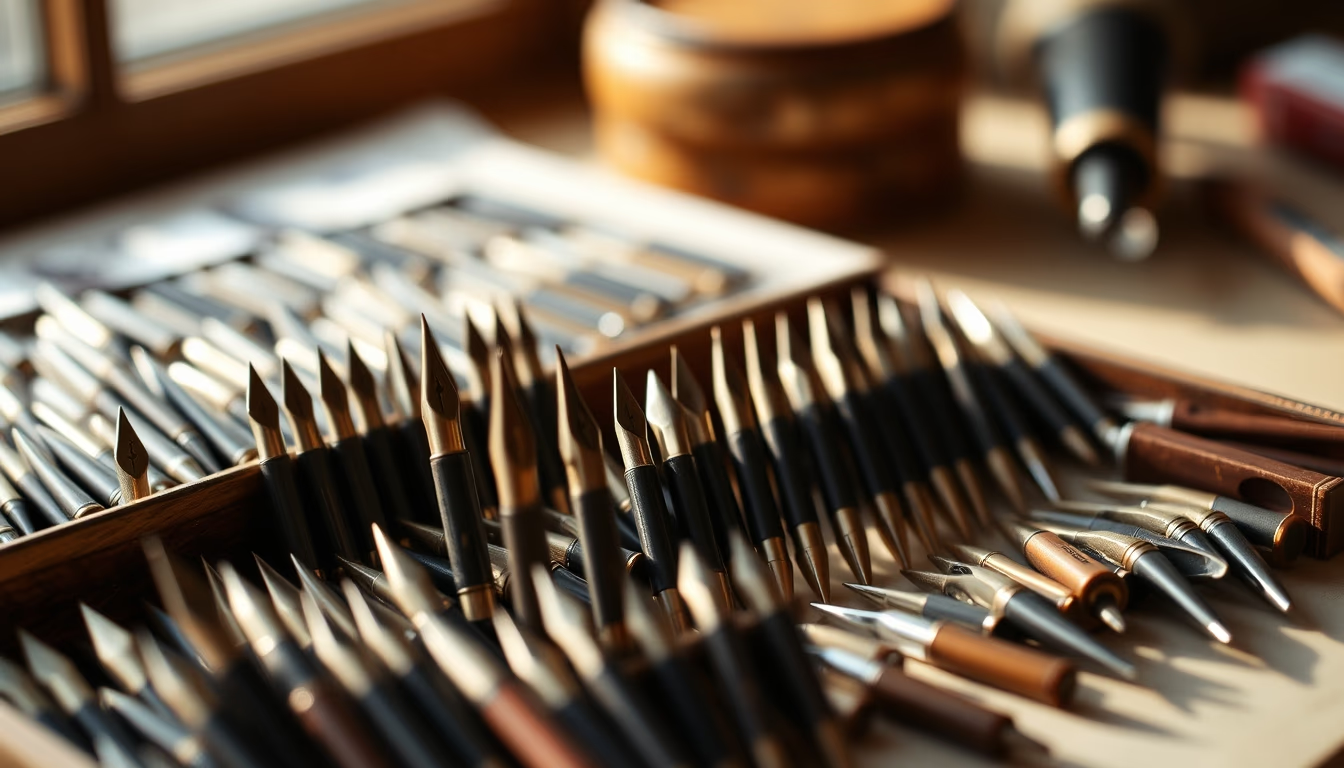
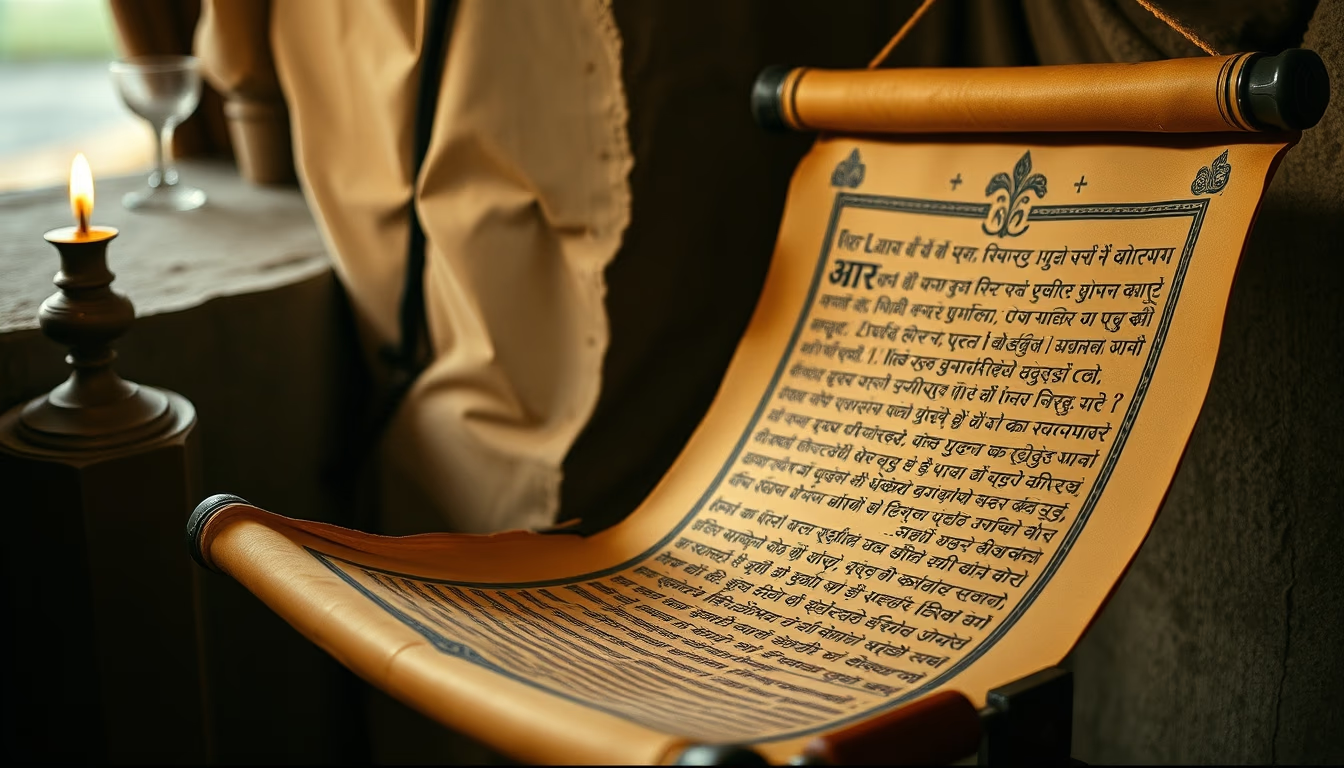
Hebrew calligraphy used in the Torah is an ancient tradition dating back to the giving of the Law at Mount Sinai. Torah scrolls are handwritten by specialized scribes called soferim, who use a quill pen and black ink on kosher leather parchment. Each letter must be traced with absolute precision, following strict rules from the Halakha (Jewish law). The art of Hebrew calligraphy is considered a sacred form of expression, where aesthetic beauty merges with religious accuracy. A single mistake in a letter can invalidate the entire scroll, requiring the sofer to have years of training and deep textual knowledge.
Historically, Hebrew calligraphy developed into different schools over the centuries, such as Ashkenazi (Central and Eastern Europe) and Sephardic (Iberian Peninsula and Middle East). Each school has subtle variations in letter shapes and the presence of ornaments called tagin (crowns). The standard style for the Torah is Ktav Ashuri, also known as Assyrian script, characterized by square letters and straight lines. The oldest preserved manuscripts include the Dead Sea scrolls, dating back over two thousand years, demonstrating the continuity of this practice.
The cultural importance of Hebrew calligraphy extends beyond Torah scrolls. It appears in mezuzot (small parchments affixed to doorposts), tefillin (phylacteries used in prayers), and contemporary artworks. Interestingly, the tagin adorning some letters have mystical interpretations in Kabbalah, attributing hidden meanings to each stroke. In modern photography, the use of dramatic lighting inspired by Rembrandt highlights the texture of the parchment and the relief of the letters, evoking the sacredness of the text and the atmosphere of a candlelit study.
Today, Hebrew calligraphy is experiencing a revival, with courses and artists blending ancient techniques with modern design. The making of a Torah scroll can take months or even years, and its completion is celebrated with a community ceremony. Preserving this art is preserving Jewish tradition itself.
Frequently Asked Questions
What is a sofer?
A sofer is a Jewish scribe trained to write Torah scrolls, tefillin, and mezuzot, following strict religious laws. The work requires years of study and practice to ensure the precision of every letter.
Why is Hebrew calligraphy considered sacred?
Because the Torah is the word of God, and each letter must be perfect to avoid altering the meaning. The writing process is an act of devotion, where the sofer recites blessings and maintains ritual purity.
What is the difference between Ashkenazi and Sephardic styles?
Differences include the shape of some letters and the ornamentation (tagin). The Ashkenazi style tends to have thicker and more rounded letters, while the Sephardic is thinner and more angular. Both follow the same halachic rules.
Direct URL
https://pub-c7d6a6ea828543ac903a74a341ccb2e1.r2.dev/imagens/hebrew-calligraphy-torah-rembrandt-lighting-dramatic-shadows-fresh0.avifHow to credit
Include a visible link back to UtilizAí. Copy one of the snippets below:
<a href="https://xn--utiliza-eza.com/en/midia/imagens/hebrew-calligraphy-torah-rembrandt-lighting-dramatic-shadows-fresh0">Hebrew calligraphy torah</a> by <a href="https://xn--utiliza-eza.com">UtilizAí</a>, licensed under <a href="https://creativecommons.org/licenses/by/4.0/">CC BY 4.0</a>.
[Hebrew calligraphy torah](https://xn--utiliza-eza.com/en/midia/imagens/hebrew-calligraphy-torah-rembrandt-lighting-dramatic-shadows-fresh0) by [UtilizAí](https://xn--utiliza-eza.com), CC BY 4.0
License: CC-BY-4.0