Hawk training glove
1344×768 · AVIF · CC BY 4.0
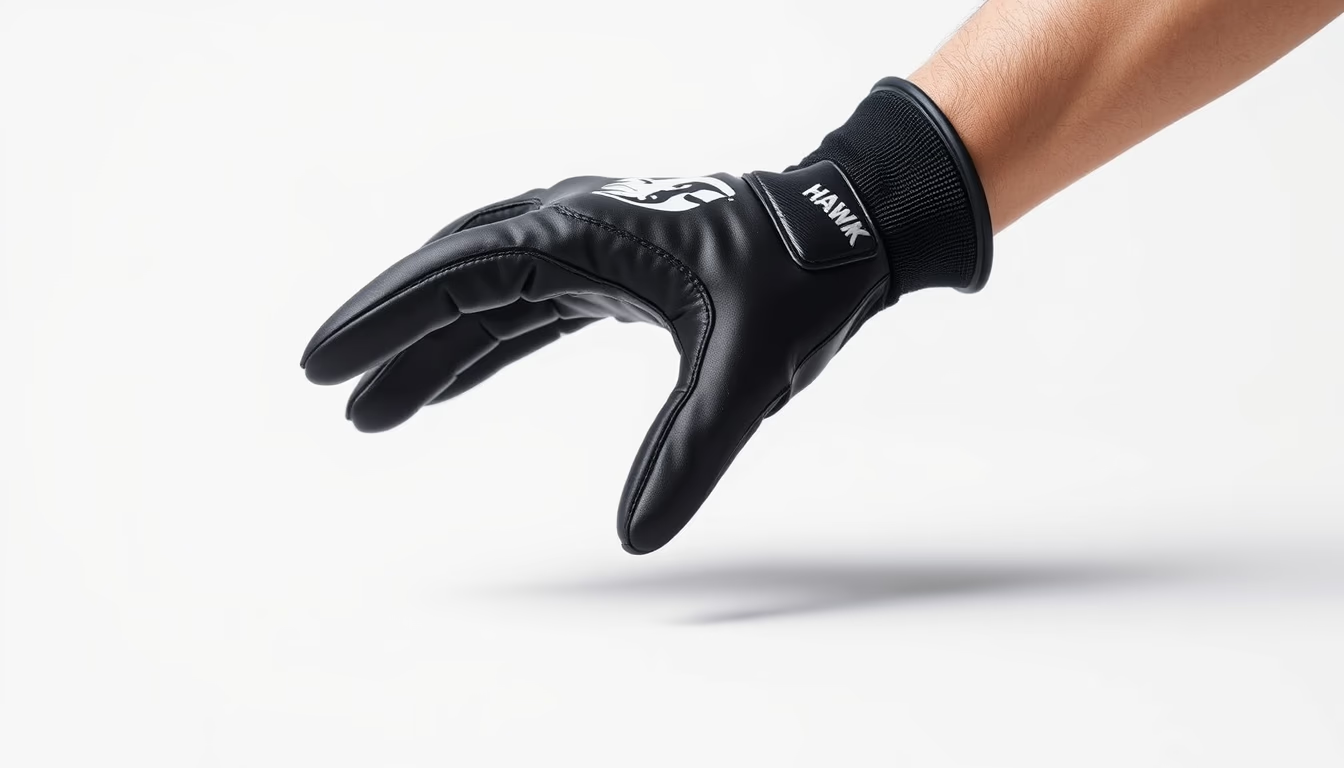
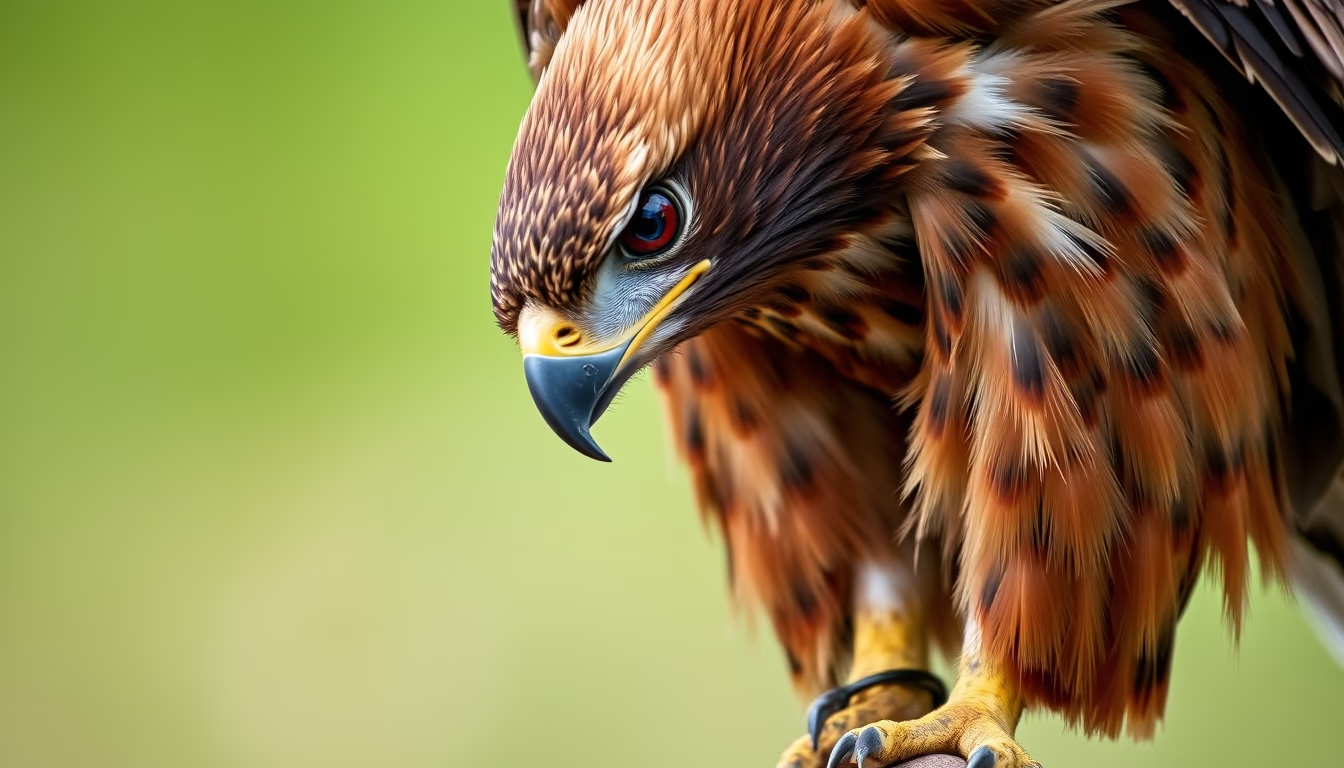
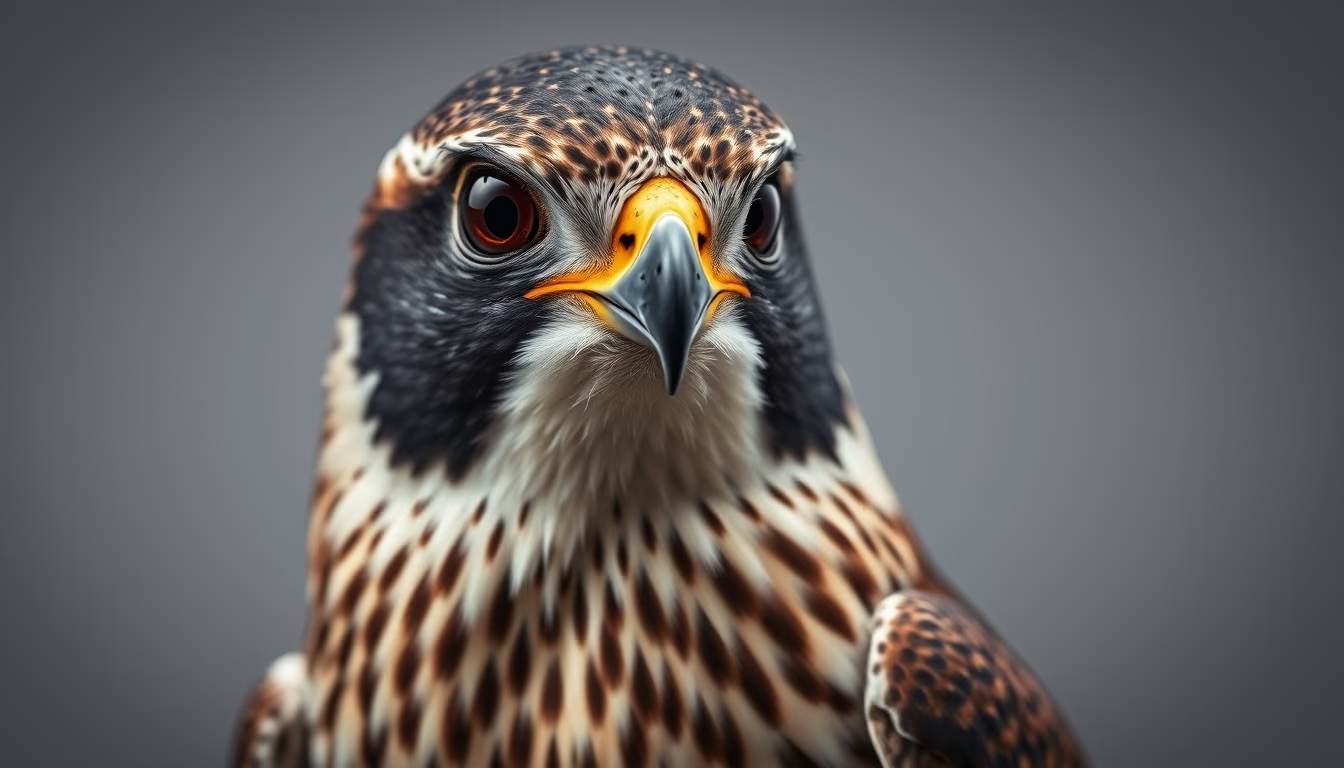
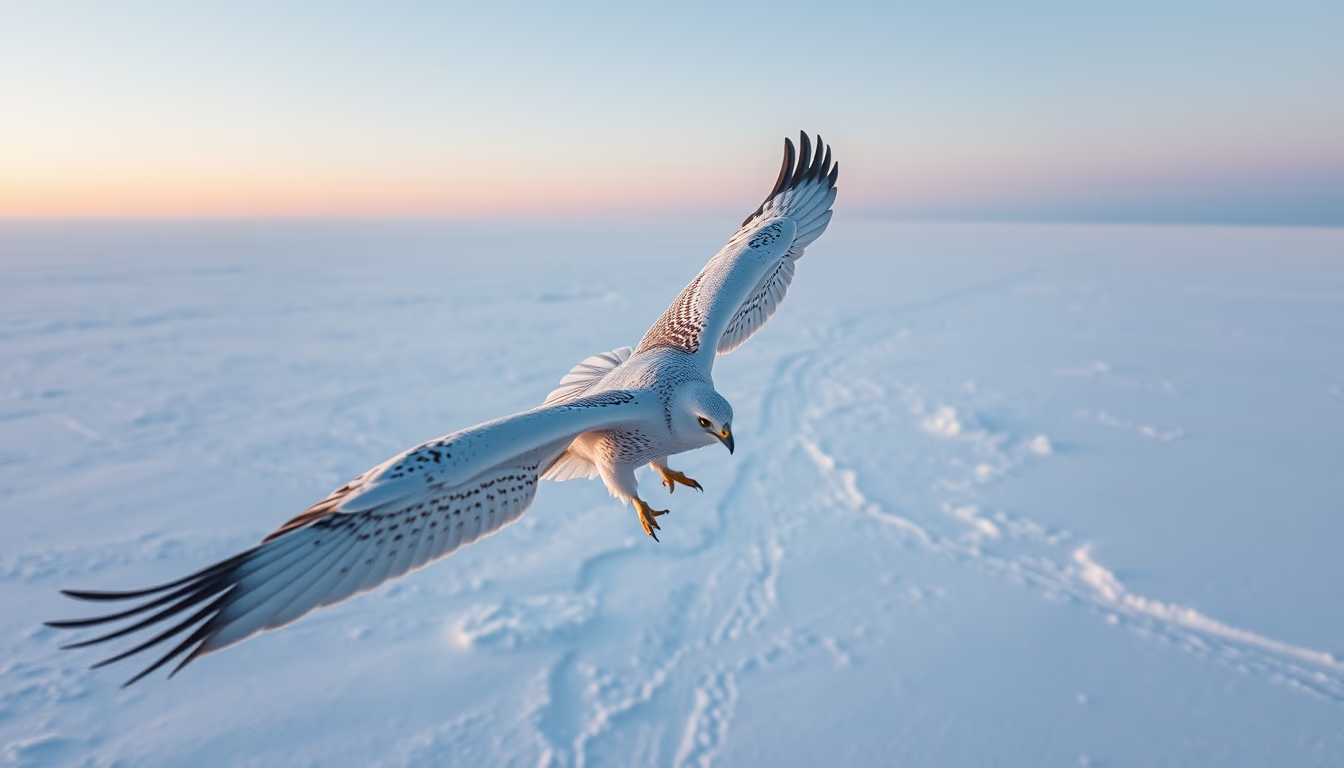
The hawk training glove is an essential piece of equipment in falconry, made of durable leather to protect the falconer from the sharp talons of birds of prey.
About this subject
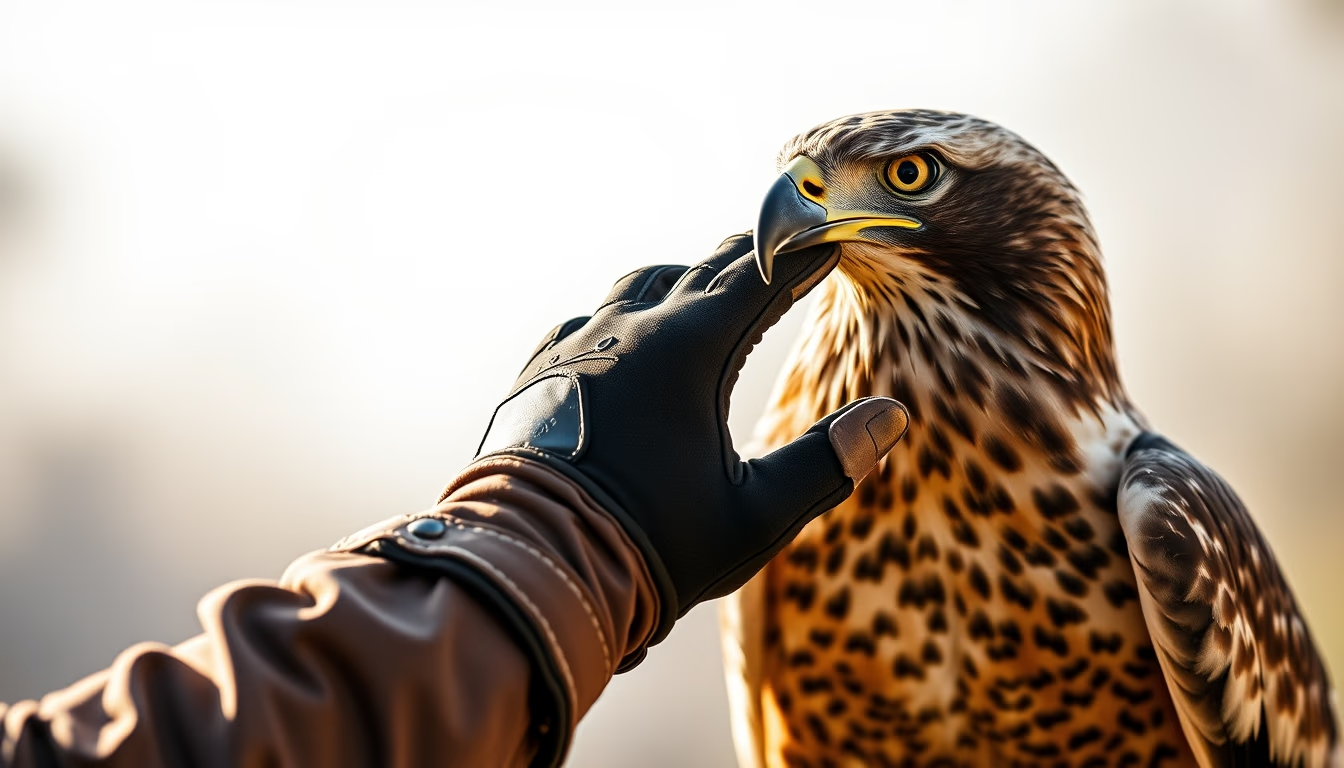
The hawk training glove, also known as a falconry glove, is an indispensable item for any falconer. Typically made from cow or goat leather, its primary function is to protect the falconer's arm and hand from the powerful, sharp talons of birds of prey. The design includes an extension covering the forearm up to near the elbow, ensuring safety during handling and training. The leather thickness ranges from 3 to 5 mm, with double or triple stitching for added strength.
The history of the falconry glove dates back to the origins of falconry, a practice that emerged in Central Asia over 4,000 years ago. As falconry spread across Europe and the Middle East, gloves evolved from simple leather wraps into specialized equipment tailored to different bird species. During the Middle Ages, the glove was a status symbol among nobility, often adorned with embroidery or fringes. Today, falconry is recognized as a UNESCO Intangible Cultural Heritage, and the glove remains a central tool in the practice.
In addition to protection, the glove serves as a perch for the bird. The falconer offers the glove's fist for the bird to land on, creating a direct connection between human and animal. Proper maintenance includes cleaning with mild soap and applying leather oil periodically to preserve flexibility and durability. Gloves for different birds vary in length and thickness: for smaller falcons, lighter and shorter gloves; for eagles, thicker and longer gloves with extra reinforcement in the talon area.
Frequently Asked Questions
What is the best material for a hawk training glove?
The best material is cow or goat leather, vegetable-tanned, with a thickness between 3 and 5 mm for adequate protection. The leather should be both durable and flexible for comfort and longevity.
How do I choose the correct size for a training glove?
The glove should fit snugly but not too tight, allowing free movement of the fingers. It must cover the entire forearm up to the elbow to prevent the bird from gripping loose leather.
Can a falconry glove be used for other birds of prey?
Yes, but the size and thickness vary by species. For eagles, thicker and longer gloves are needed; for smaller falcons, lighter and shorter gloves. Always match the glove to the bird's size for safety.
Direct URL
https://pub-c7d6a6ea828543ac903a74a341ccb2e1.r2.dev/imagens/hawk-training-glove-commercial-product-photography-fresh6.avifHow to credit
Include a visible link back to UtilizAí. Copy one of the snippets below:
<a href="https://xn--utiliza-eza.com/en/midia/imagens/hawk-training-glove-commercial-product-photography-fresh6">Hawk training glove</a> by <a href="https://xn--utiliza-eza.com">UtilizAí</a>, licensed under <a href="https://creativecommons.org/licenses/by/4.0/">CC BY 4.0</a>.
[Hawk training glove](https://xn--utiliza-eza.com/en/midia/imagens/hawk-training-glove-commercial-product-photography-fresh6) by [UtilizAí](https://xn--utiliza-eza.com), CC BY 4.0
License: CC-BY-4.0