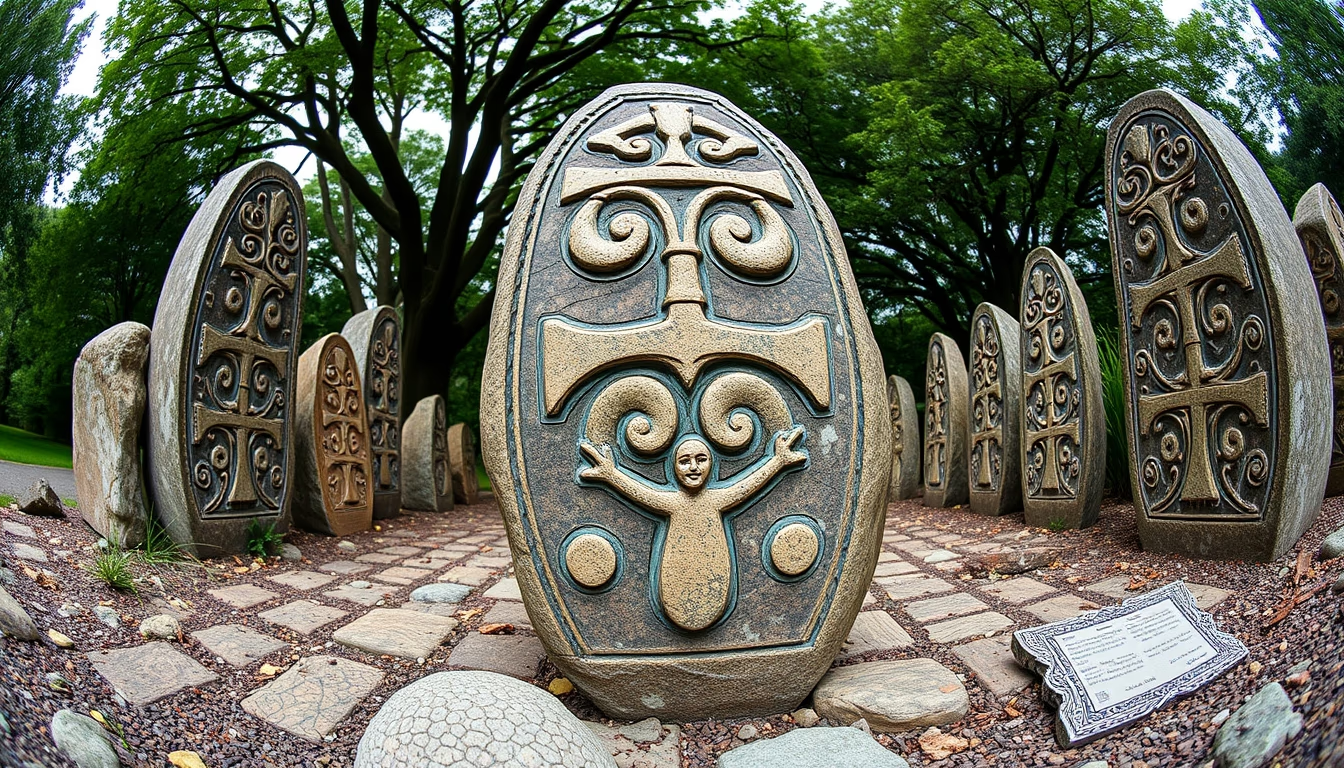
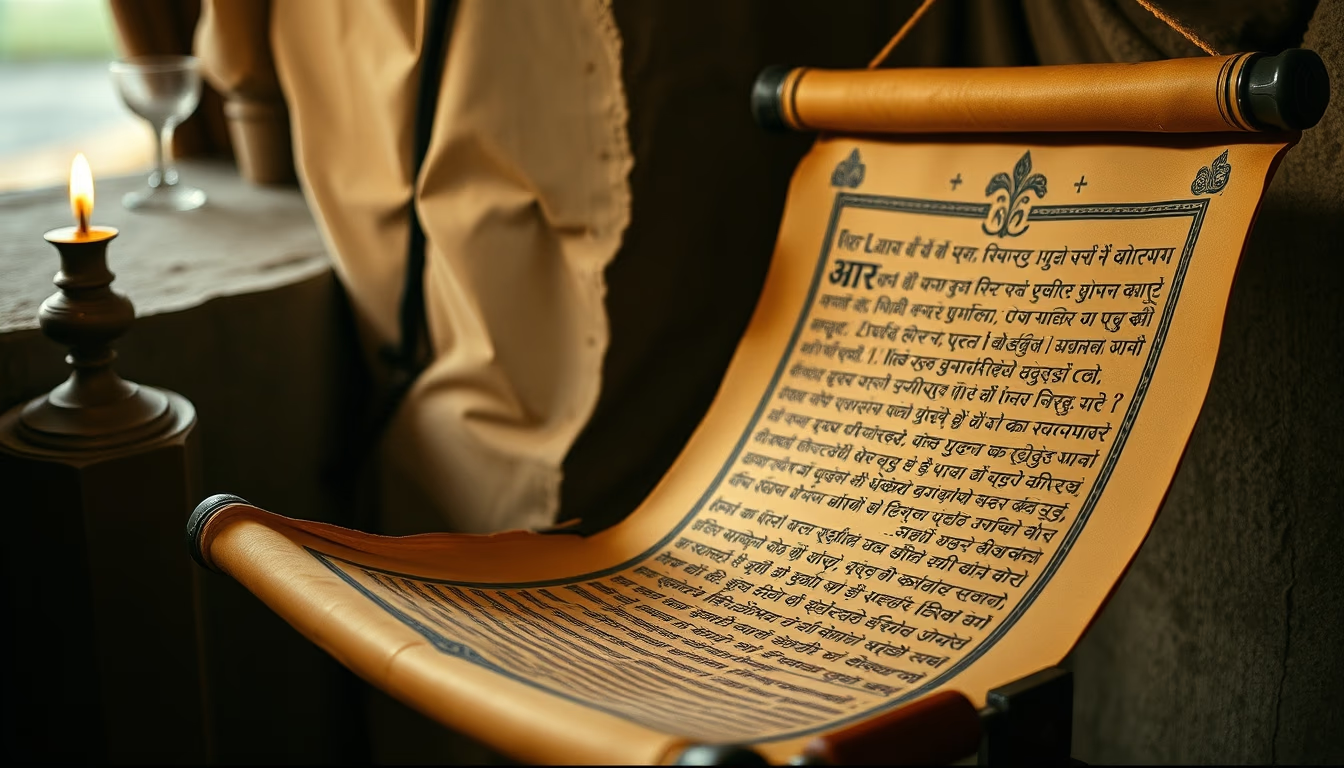
Hangul korean ancient
1344×768 · AVIF · CC BY 4.0
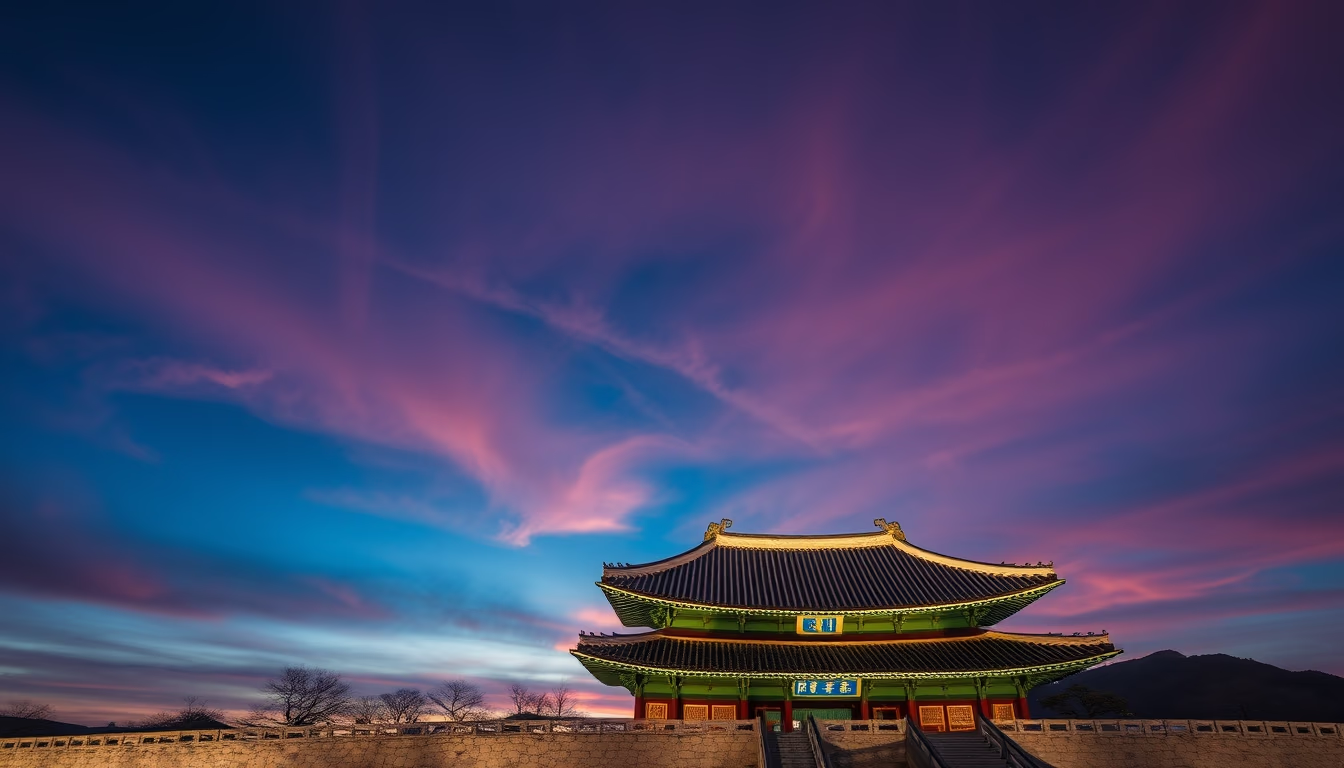
Hangul is the Korean alphabet, created in the 15th century by King Sejong the Great to promote popular literacy.
About this subject
Hangul, also known as Hangeul, is the native writing system of both South and North Korea. It was promulgated in 1446 by King Sejong the Great of the Joseon dynasty, aiming to provide a writing system accessible to all social classes, especially peasants and women who struggled to learn the dominant Chinese characters (hanja). The alphabet consists of 24 basic letters (14 consonants and 10 vowels) that can be combined into syllabic blocks. Its creation is considered a landmark in Korean linguistic and cultural history, celebrated annually on Hangul Day (October 9 in South Korea, January 15 in North Korea). Unlike many alphabets, Hangul was scientifically designed: the shape of consonants mimics the speech organs (tongue, lips, throat) when producing them, while vowels represent the principles of heaven, earth, and humans. This logical and efficient design led Hangul to be declared a UNESCO World Documentary Heritage in 1997 and inspired other writing systems, such as the Cree syllabary. Today, Hangul is used by about 80 million people and is a symbol of Korean national identity.
Frequently Asked Questions
What is Hangul?
Hangul is the official alphabet of the Korean language, consisting of 24 letters that represent sounds systematically. It was created in the 15th century to promote literacy.
Who created Hangul and why?
King Sejong the Great created Hangul in 1446 so that all Koreans, regardless of social class, could easily learn to read and write, replacing the complex Chinese characters.
Is Hangul only used in Korea?
Yes, Hangul is the standard writing system in South and North Korea, but it is also used by Korean communities worldwide. Additionally, it has influenced other writing systems.
Direct URL
https://pub-c7d6a6ea828543ac903a74a341ccb2e1.r2.dev/imagens/hangul-korean-ancient-long-exposure-fresh15.avifHow to credit
Include a visible link back to UtilizAí. Copy one of the snippets below:
<a href="https://xn--utiliza-eza.com/en/midia/imagens/hangul-korean-ancient-long-exposure-fresh15">Hangul korean ancient</a> by <a href="https://xn--utiliza-eza.com">UtilizAí</a>, licensed under <a href="https://creativecommons.org/licenses/by/4.0/">CC BY 4.0</a>.
[Hangul korean ancient](https://xn--utiliza-eza.com/en/midia/imagens/hangul-korean-ancient-long-exposure-fresh15) by [UtilizAí](https://xn--utiliza-eza.com), CC BY 4.0
License: CC-BY-4.0