Hangul korean ancient
1344×768 · AVIF · CC BY 4.0

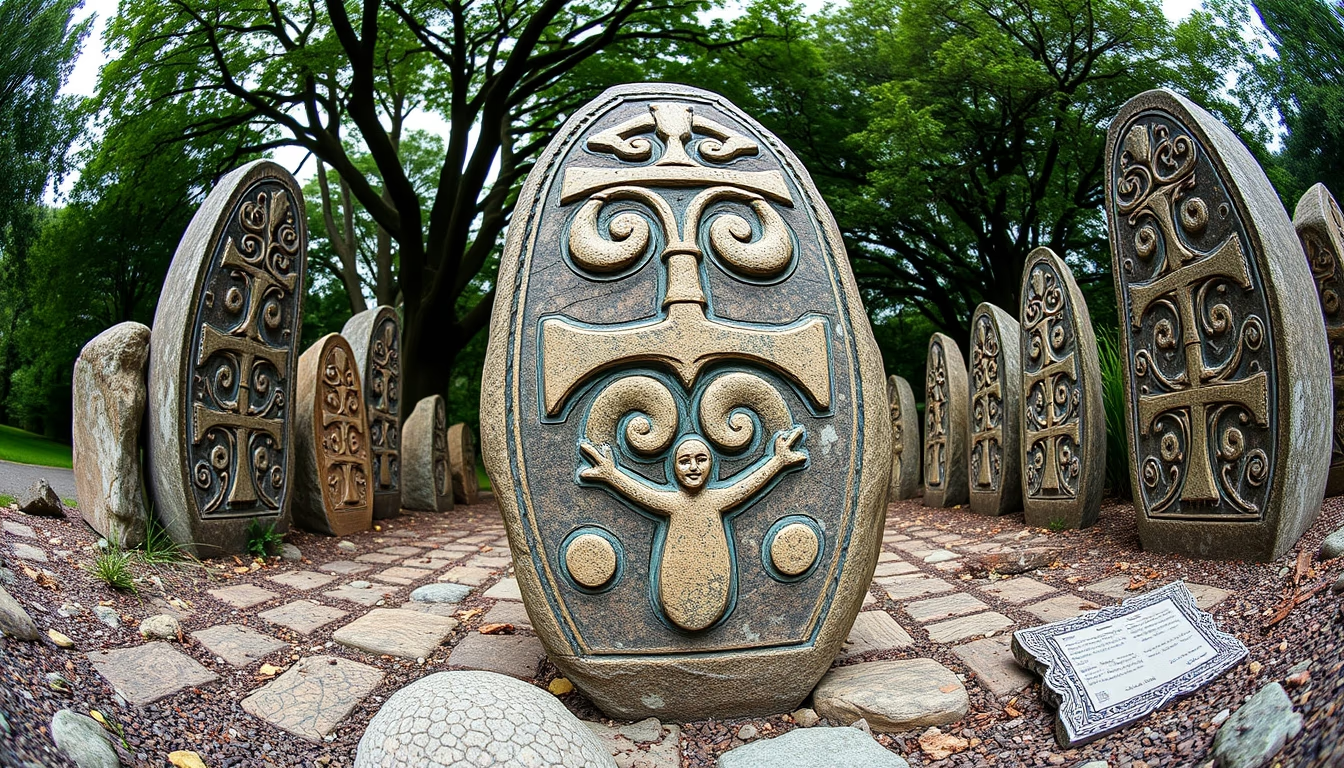
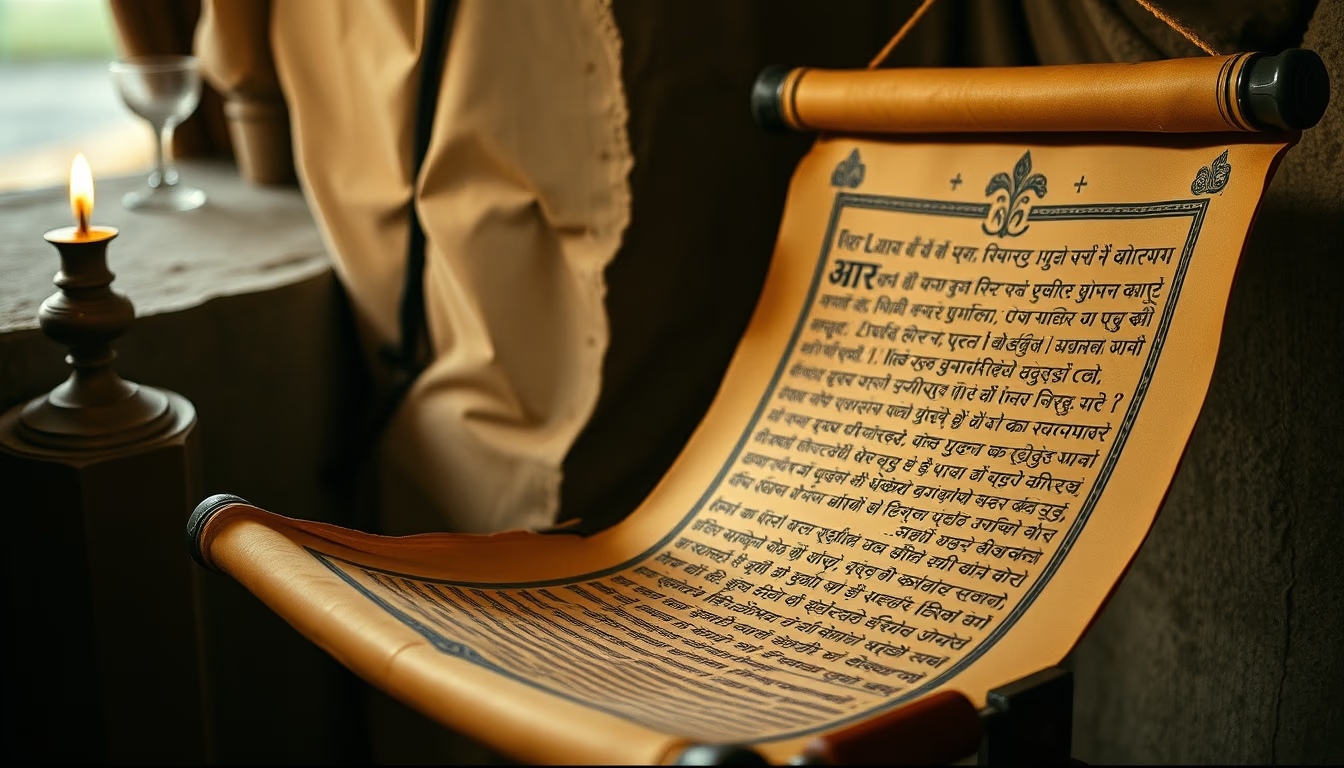
Hangul, the Korean alphabet created in the 15th century, is one of the most scientific writing systems in the world, combining linguistic design and calligraphic tradition.
About this subject
Hangul is the native alphabet of Korea, created in 1443 by King Sejong the Great and promulgated in 1446 through the document Hunminjeongeum. Unlike other alphabets, Hangul was deliberately designed to be easy to learn and phonetically accurate. Each letter represents a speech sound, and its graphic shape mimics the position of the vocal organs (tongue, lips, throat) when pronouncing it. Consonants are drawn to reflect the mouth's shape: for instance, the letter 'ㄱ' (g/k) depicts the root of the tongue blocking the throat.
The original alphabet had 28 letters, but today 24 are used (14 consonants and 10 vowels), plus combinations to form syllables. Vowels are based on three elements: heaven (a dot), earth (a horizontal line), and human (a vertical line). This geometric structure makes Hangul highly systematic and easy to learn, often cited as an example of rational linguistic design. It is the only alphabet in the world with detailed historical records of its creation, including phonetic and philosophical principles.
Korean calligraphy (seoye) practices Hangul with brushes and ink, valuing the harmony and rhythm of lines. Unlike Chinese calligraphy, which uses complex characters, Hangul calligraphy emphasizes the simplicity and clarity of letters. Styles include 'gungsuh' (palace) and 'minjo' (popular), each with its proportions and fluidity. Korean calligraphy is considered a form of meditation and personal expression, practiced in ceremonies and exhibitions.
Today, Hangul is used in both South and North Korea, fostering national identity. Hangul Day (October 9 in South Korea, January 15 in North Korea) celebrates its creation. UNESCO included the Hunminjeongeum document in the Memory of the World Register. The combination of accessibility and cultural depth makes Hangul one of the most admired writing systems globally.
Frequently Asked Questions
What is Hangul?
Hangul is the native alphabet of Korea, created in the 15th century by King Sejong the Great. It consists of 24 letters (14 consonants and 10 vowels) and is known for its scientific design and ease of learning.
Who invented Hangul and why?
Hangul was invented by King Sejong the Great in 1443 to increase literacy among the Korean people, who struggled to learn Chinese characters. The alphabet was designed to be simple and accessible to everyone.
Why is Hangul considered a scientific writing system?
Hangul is scientific because its letters are modeled after the position of the vocal organs when producing sounds. Consonants mimic the shape of the mouth, tongue, and throat, while vowels combine symbols for heaven, earth, and humans, reflecting phonetic and philosophical principles.
Direct URL
https://pub-c7d6a6ea828543ac903a74a341ccb2e1.r2.dev/imagens/hangul-korean-ancient-fine-art-photography-fresh6.avifHow to credit
Include a visible link back to UtilizAí. Copy one of the snippets below:
<a href="https://xn--utiliza-eza.com/en/midia/imagens/hangul-korean-ancient-fine-art-photography-fresh6">Hangul korean ancient</a> by <a href="https://xn--utiliza-eza.com">UtilizAí</a>, licensed under <a href="https://creativecommons.org/licenses/by/4.0/">CC BY 4.0</a>.
[Hangul korean ancient](https://xn--utiliza-eza.com/en/midia/imagens/hangul-korean-ancient-fine-art-photography-fresh6) by [UtilizAí](https://xn--utiliza-eza.com), CC BY 4.0
License: CC-BY-4.0