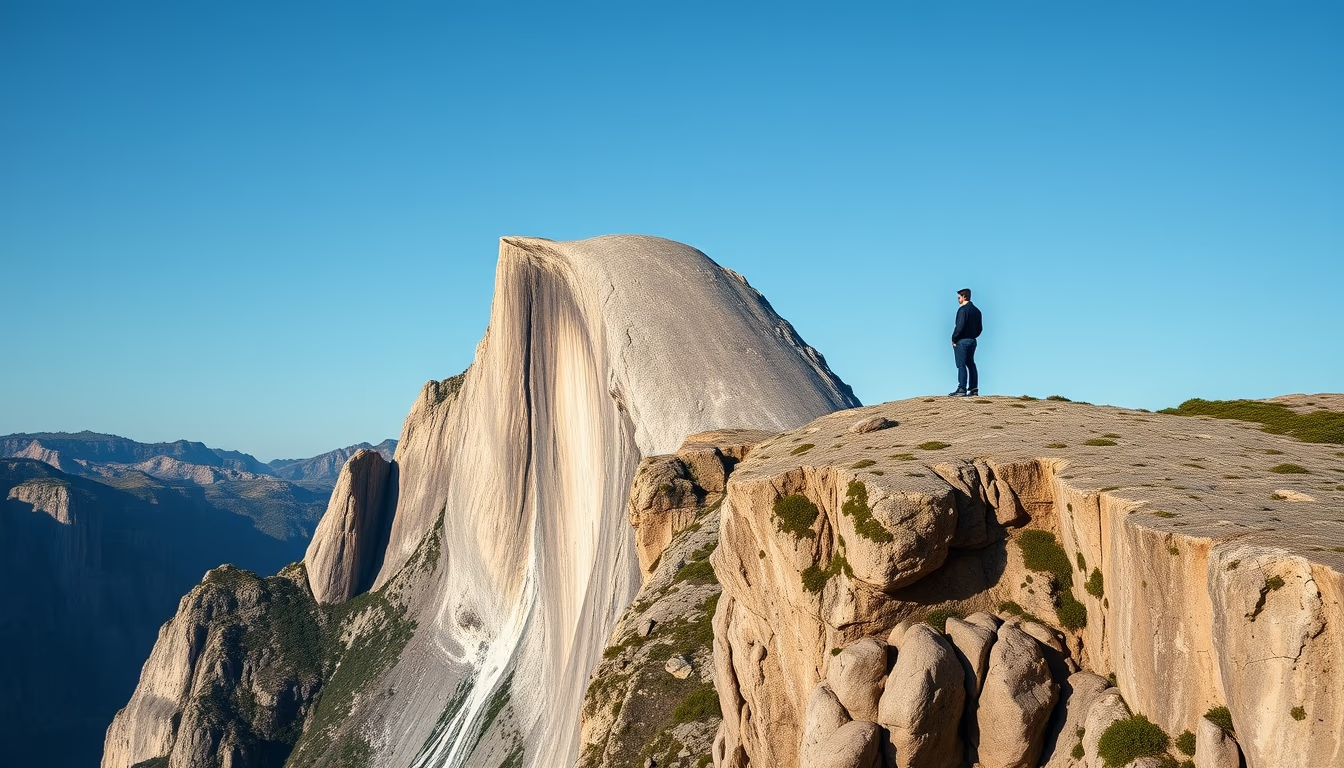
Half dome yosemite
1344×768 · AVIF · CC BY 4.0
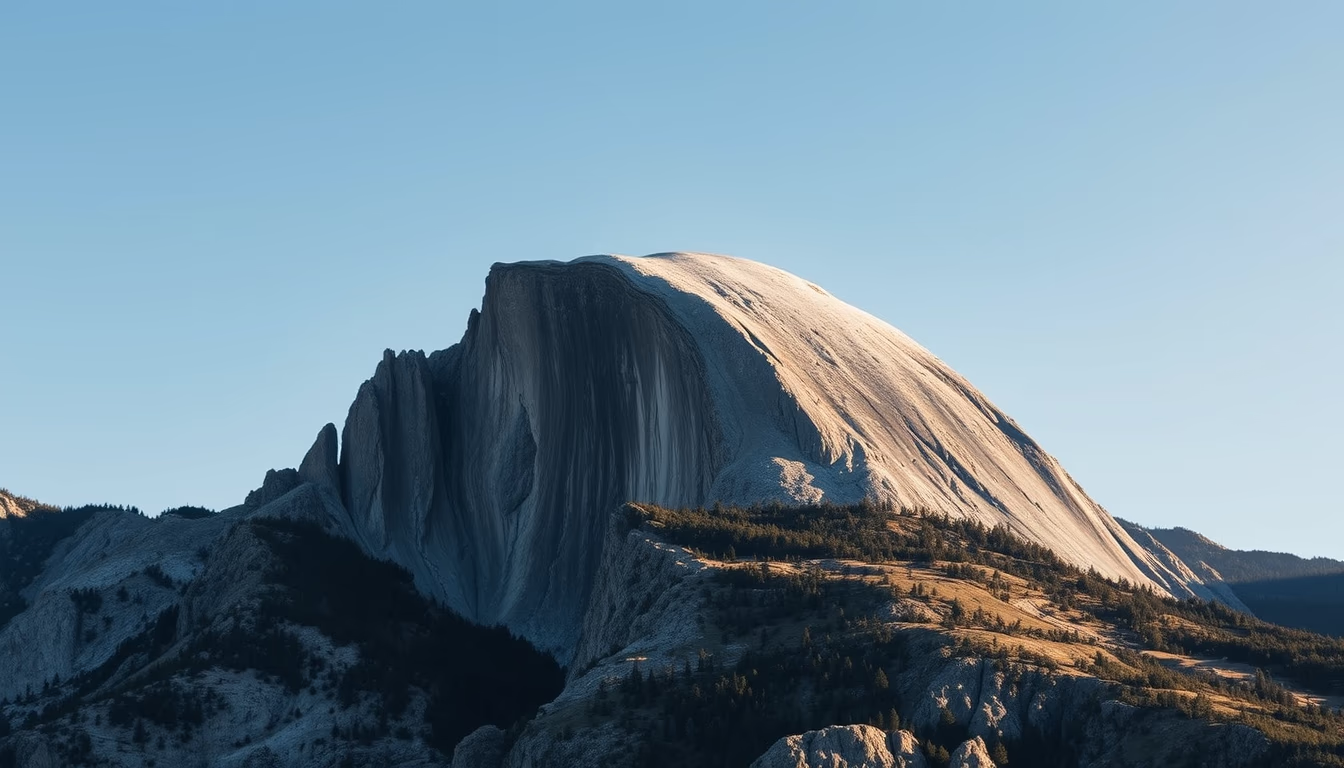
Half Dome, the iconic granite monolith in Yosemite National Park, rises 1,444 meters above Yosemite Valley, shaped by glaciation and erosion over millions of years.
About this subject
Half Dome is one of the most iconic geological formations in North America, located in Yosemite National Park, California. Composed of granite from the Sierra Nevada batholith, its formation began about 100 million years ago with the intrusion of magma that solidified slowly beneath the Earth's crust. Subsequent glacial and fluvial erosion sculpted the valley, leaving the resistant rock core exposed. The name 'Half Dome' derives from its appearance: a dome cut in half, with a 600-meter vertical face, resulting from pressure-release joints that caused huge slabs of granite to peel away.
The first recorded ascent of Half Dome took place in 1875, when mountaineer George Anderson installed safety cables on the route that is now the main trail. In 1919, the National Park officially installed the cables, allowing thousands of visitors to make the steep climb. Today, the climb is regulated: a permit is required to use the cables, which are removed in winter. Besides the cable route, Half Dome offers challenges for experienced climbers on routes such as the Regular Northwest Face (grade 5.12).
Culturally, Half Dome has become a universal symbol of environmental conservation and landscape photography. Ansel Adams immortalized the formation in his black-and-white images, which helped advance the movement to preserve natural areas. The park attracts about 4 million visitors annually, many of whom consider the hike to the top of Half Dome a rite of passage. The formation also appears in films, logos, and even on the reverse of the California state quarter.
Ecologically, the region around Half Dome harbors varied ecosystems, from giant sequoia forests to alpine meadows. The altitude and extreme exposure create unique microclimates, with flora adapted to strong winds and cold temperatures. Park management implements strict measures to minimize human impact, including daily visitor limits and a shuttle bus system to reduce vehicle traffic in the valley.
Frequently Asked Questions
How was Half Dome formed?
Half Dome is composed of granite that solidified about 100 million years ago from magma beneath the Earth's crust. Glacial and fluvial erosion over millions of years sculpted Yosemite Valley, leaving this massive structure exposed. Vertical fractures (exfoliation joints) caused slabs to spall off, creating the steep face.
Can you climb Half Dome without a permit?
No. Using the cable route requires a permit from Yosemite National Park, obtained through a lottery system. Outside the cable route, technical climbers can ascend other routes, but they still need permits for camping and access.
What is the best time to visit Half Dome?
The ideal period is from late May to October when the cables are installed (subject to snow). Summer offers moderate temperatures but heavy crowds. Spring brings roaring waterfalls, and autumn has vibrant colors, but cables may be removed after peak season.
Direct URL
https://pub-c7d6a6ea828543ac903a74a341ccb2e1.r2.dev/imagens/half-dome-yosemite-documentary-photography-p7.avifHow to credit
Include a visible link back to UtilizAí. Copy one of the snippets below:
<a href="https://xn--utiliza-eza.com/en/midia/imagens/half-dome-yosemite-documentary-photography-p7">Half dome yosemite</a> by <a href="https://xn--utiliza-eza.com">UtilizAí</a>, licensed under <a href="https://creativecommons.org/licenses/by/4.0/">CC BY 4.0</a>.
[Half dome yosemite](https://xn--utiliza-eza.com/en/midia/imagens/half-dome-yosemite-documentary-photography-p7) by [UtilizAí](https://xn--utiliza-eza.com), CC BY 4.0
License: CC-BY-4.0