Gyrfalcon white snow
1344×768 · AVIF · CC BY 4.0
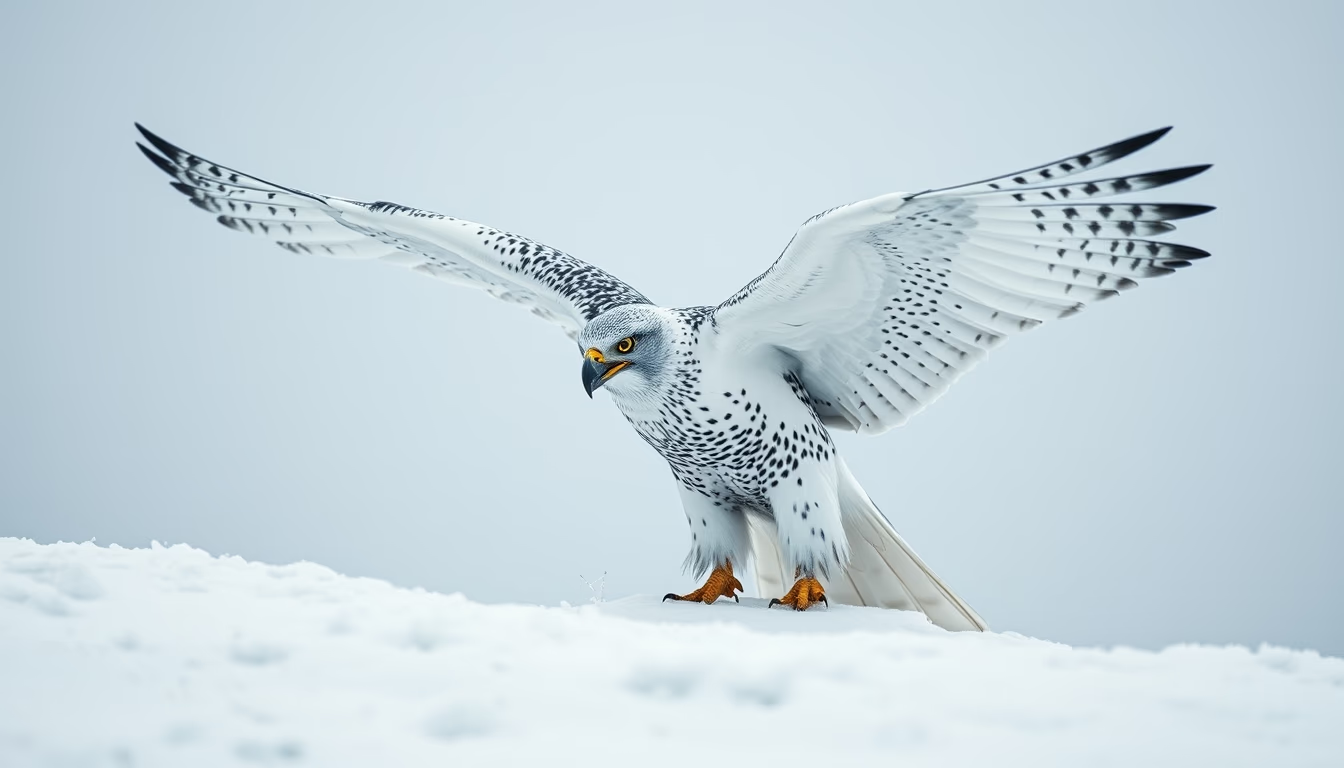
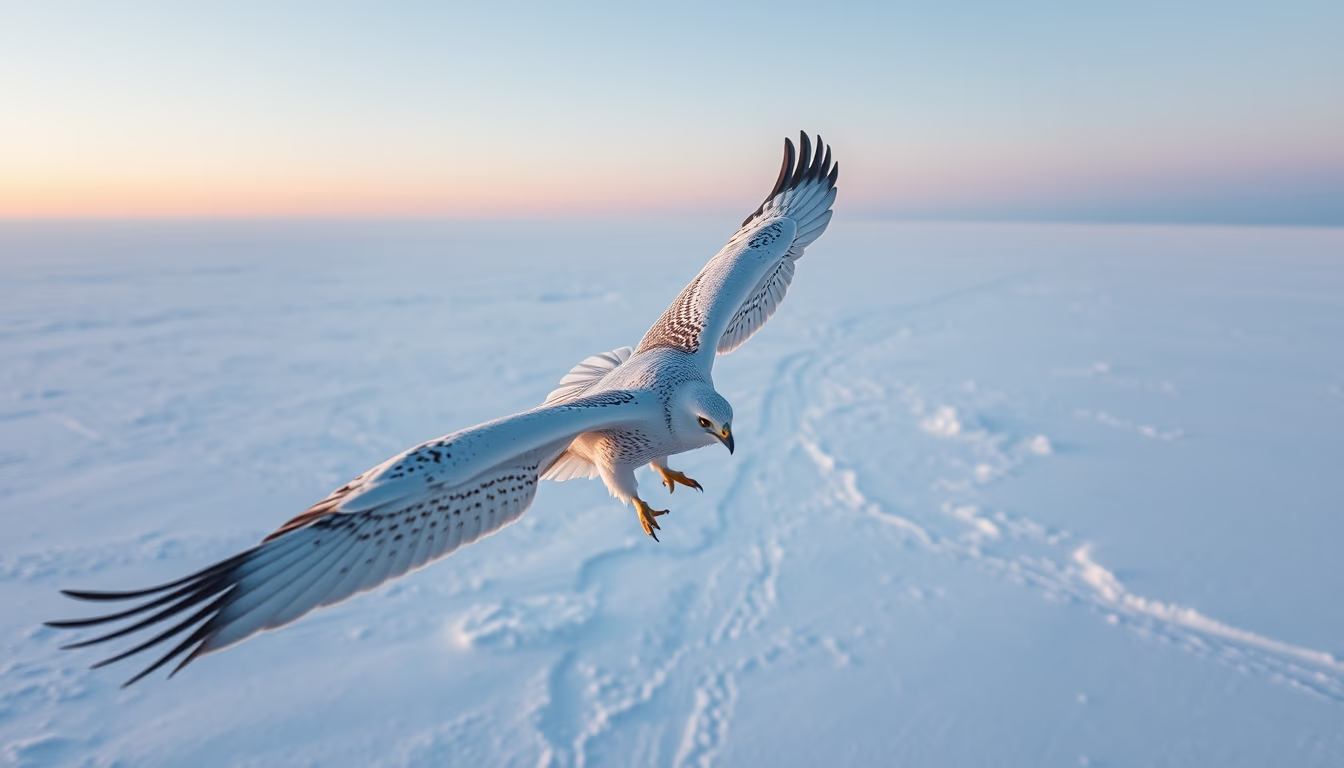
The gyrfalcon, the largest falcon worldwide, hunts in Arctic landscapes with white plumage that camouflages in snow.
About this subject
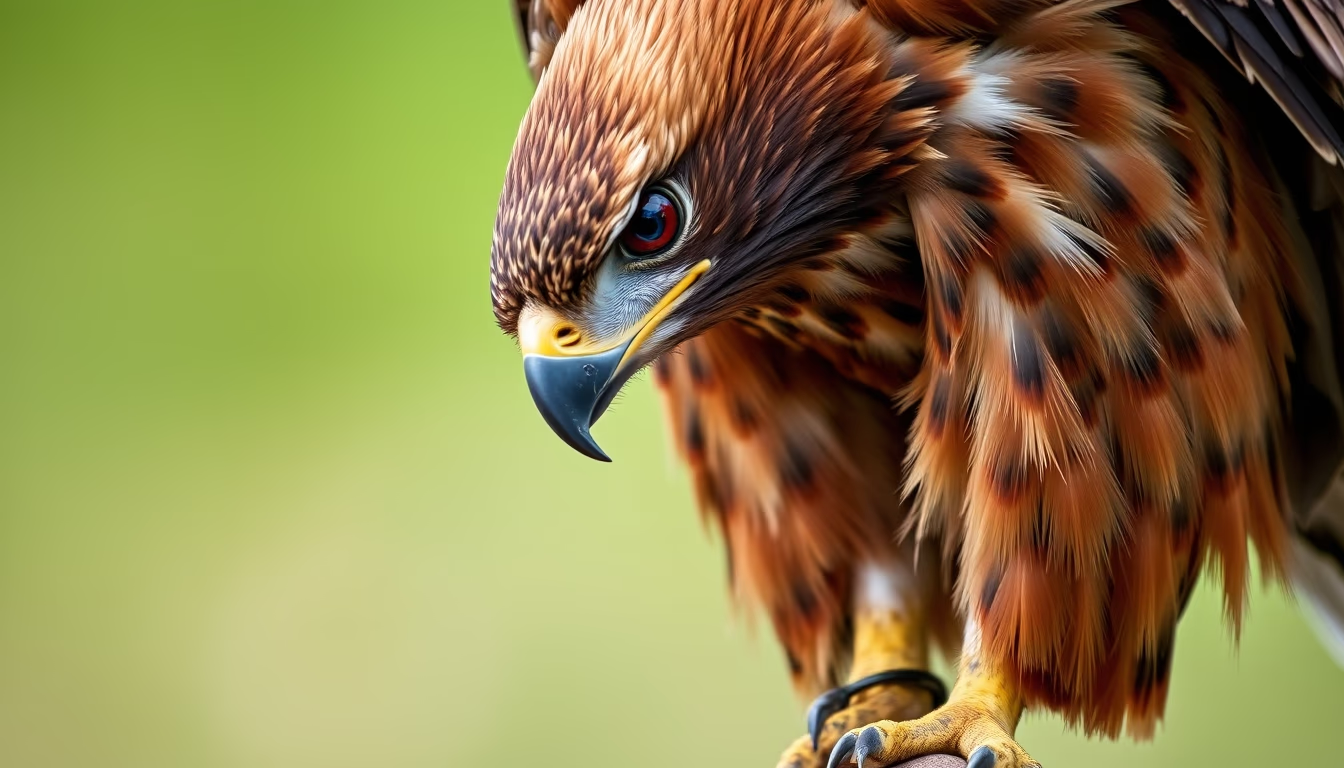
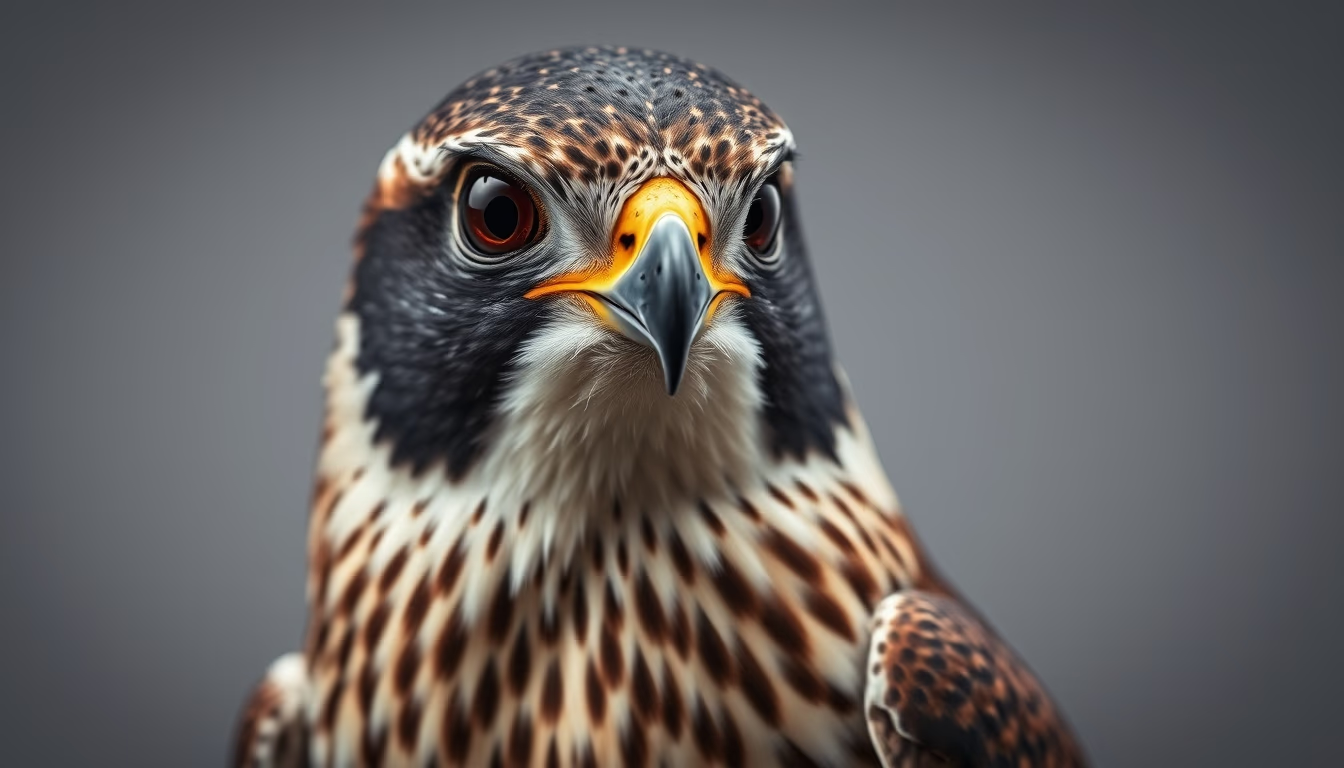
The gyrfalcon (Falco rusticolus) is the largest falcon species on Earth, measuring up to 65 cm in length with a wingspan of 210 cm. Its plumage ranges from pure white to dark gray, but the white morph is particularly adapted to snowy Arctic tundra environments, where it inhabits Greenland, Iceland, Scandinavia, Russia, and northern Canada. This bird of prey is an apex predator, feeding mainly on ptarmigans and other birds, as well as small mammals. During attack, it reaches speeds over 130 km/h in a stoop, using its talons to strike the prey in mid-air.
In falconry, the gyrfalcon has historically been one of the most coveted birds. In the Middle Ages, it was reserved for kings and emperors: in Europe, only monarchs could own a white specimen, symbolizing power and status. Vikings already used them for hunting, and Hanseatic League traders traded gyrfalcons as luxury items. Today, the species is protected by international treaties (CITES), but it is still bred in captivity for falconry, with specimens sometimes worth tens of thousands of dollars.
A notable curiosity is that gyrfalcons do not build their own nests: they use abandoned eagle or crow nests, or simply lay eggs on cliffs. Egg-laying occurs in May, with 3 to 4 eggs incubated for 35 days. Chicks learn to hunt after about 50 days. Although classified as "Least Concern" by the IUCN, the species faces threats from climate change, which reduces its tundra habitat and affects the availability of prey like ptarmigan.
Frequently Asked Questions
What is the difference between a gyrfalcon and a peregrine falcon?
The gyrfalcon is larger and more robust than the peregrine, with generally paler plumage. While peregrines are known for extreme diving speed (over 300 km/h), gyrfalcons are better adapted to cold, with broader wings, more gliding flight, and greater strength for hunting in Arctic environments.
Why is the gyrfalcon so valued in falconry?
Because of its imposing size, strength, and beauty, especially the white variety historically associated with royalty. It is also cold-hardy, capable of hunting large prey, and its rarity in the wild increases its prestige among falconers.
Where does the gyrfalcon live?
It inhabits Arctic and subarctic regions of the Northern Hemisphere: Greenland, Iceland, northern Scandinavia, Russia, Alaska, and Canada. It prefers open tundra, rocky coasts, and mountains, avoiding dense forests.
Direct URL
https://pub-c7d6a6ea828543ac903a74a341ccb2e1.r2.dev/imagens/gyrfalcon-white-snow-high-fashion-editorial-fresh5.avifHow to credit
Include a visible link back to UtilizAí. Copy one of the snippets below:
<a href="https://xn--utiliza-eza.com/en/midia/imagens/gyrfalcon-white-snow-high-fashion-editorial-fresh5">Gyrfalcon white snow</a> by <a href="https://xn--utiliza-eza.com">UtilizAí</a>, licensed under <a href="https://creativecommons.org/licenses/by/4.0/">CC BY 4.0</a>.
[Gyrfalcon white snow](https://xn--utiliza-eza.com/en/midia/imagens/gyrfalcon-white-snow-high-fashion-editorial-fresh5) by [UtilizAí](https://xn--utiliza-eza.com), CC BY 4.0
License: CC-BY-4.0