Granite mountain massive
1344×768 · AVIF · CC BY 4.0
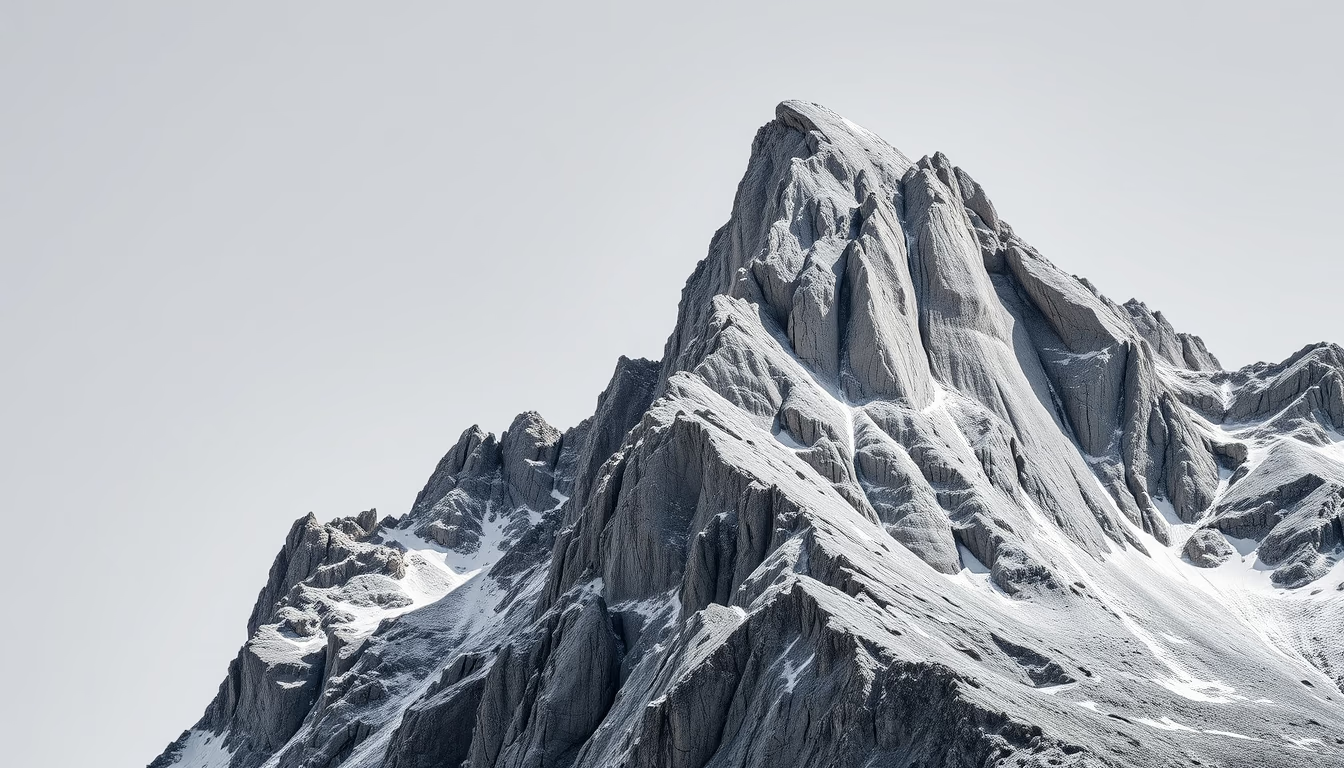
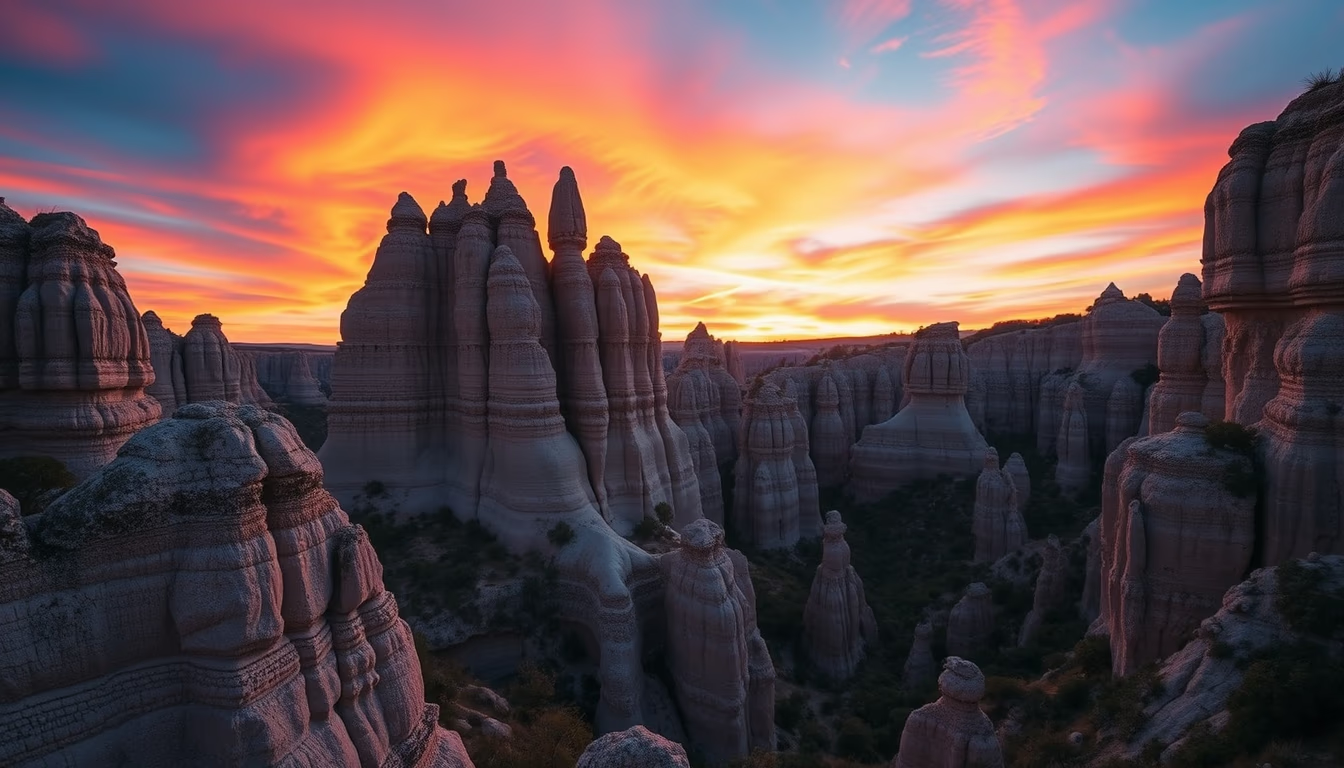
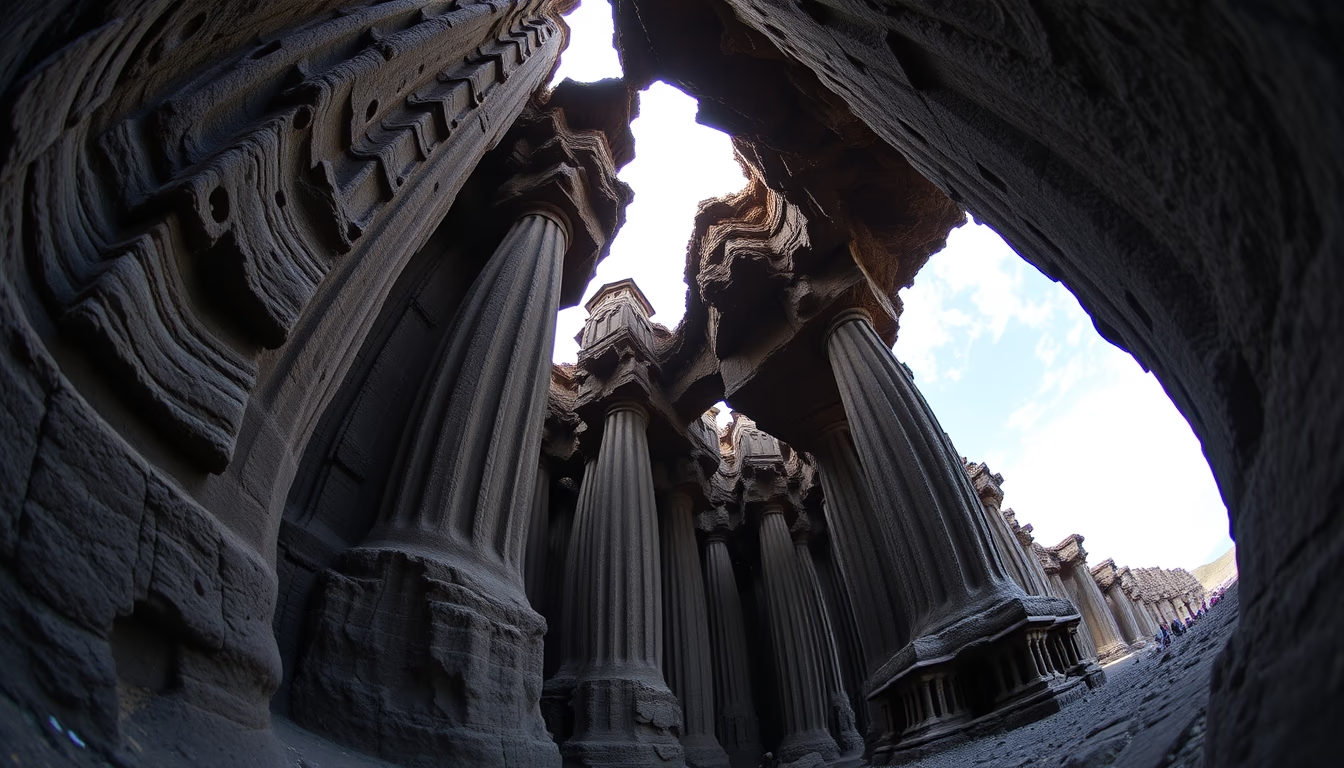
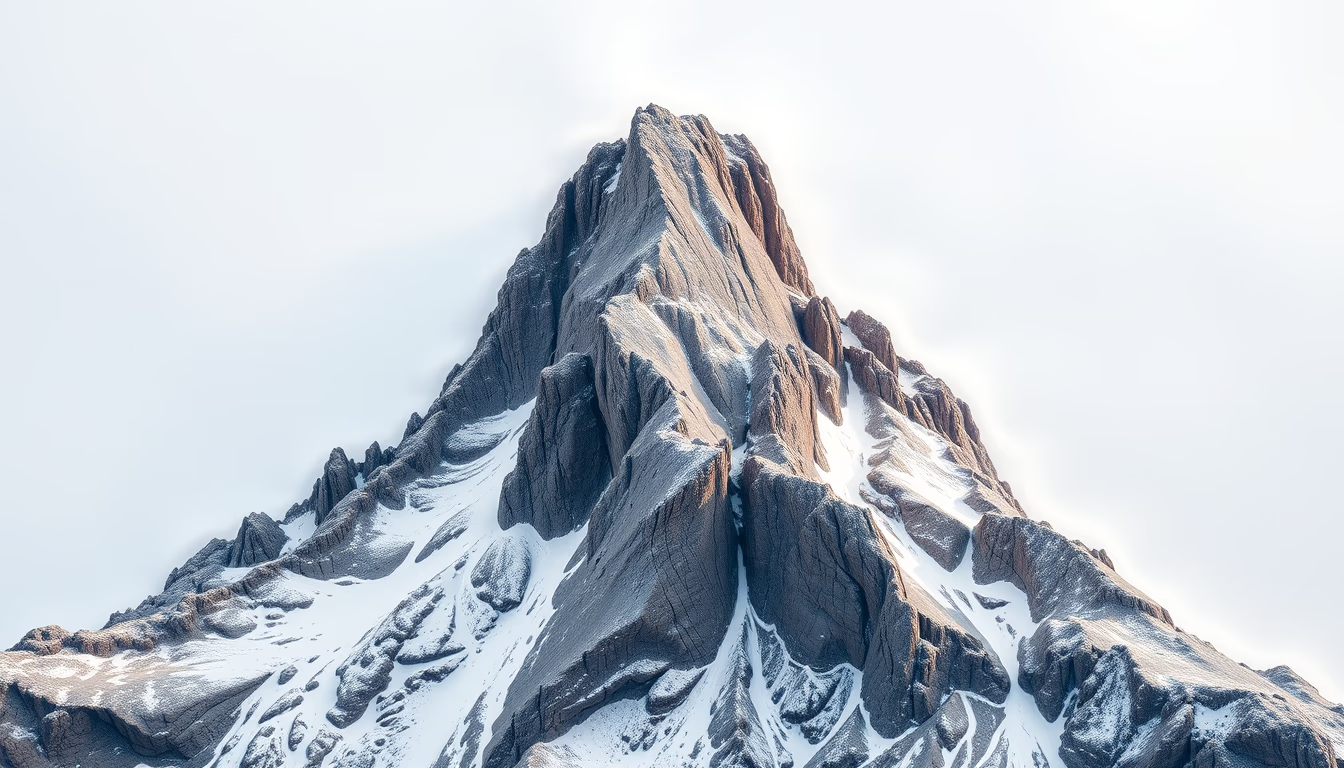
Granite mountains are imposing geological formations, carved by millions of years of erosion and tectonic activity, such as the famous Sugarloaf Mountain in Rio de Janeiro.
About this subject
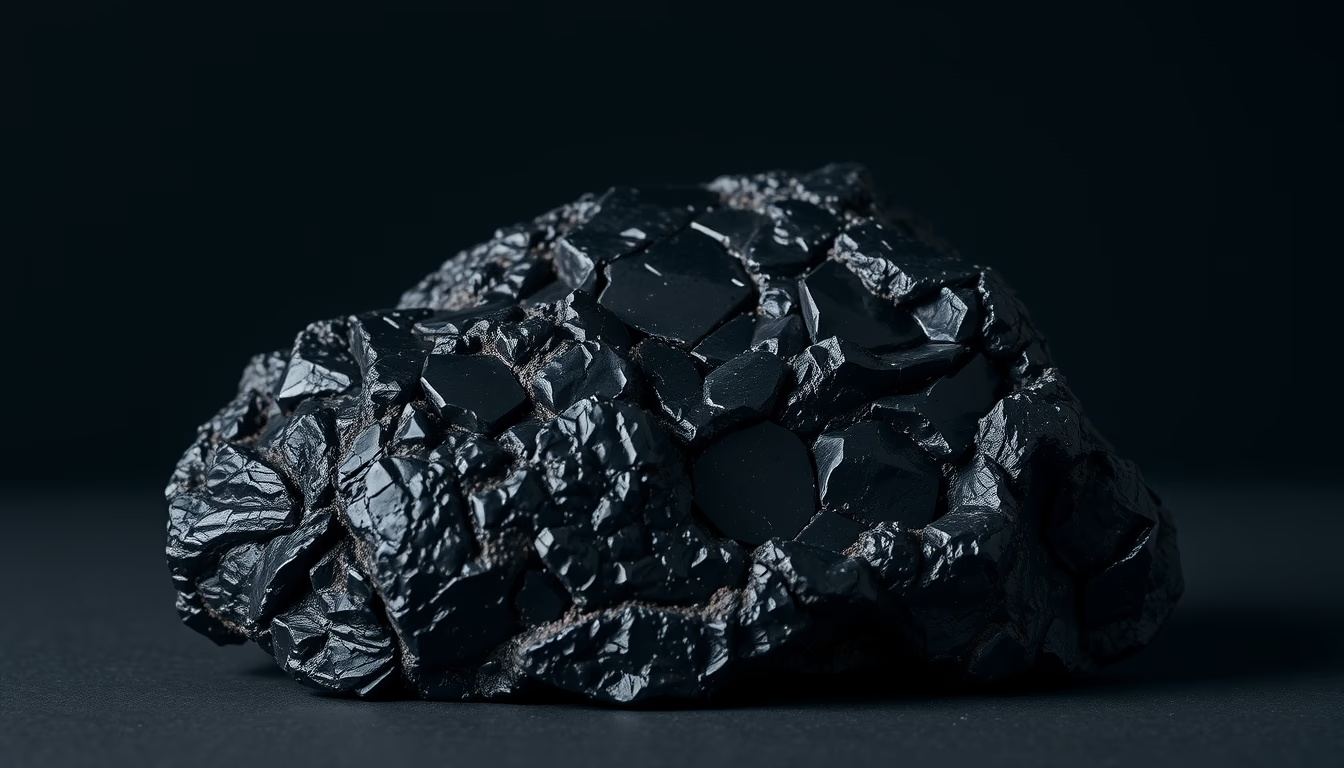
Granite is an igneous plutonic rock, formed by the slow cooling of magma deep underground. When overlying layers of soil and rock are eroded over eons, exposed granite can give rise to massive mountains and rounded domes. These structures are known for their durability and beauty, common in ancient orogenic belts such as the Serra do Mar in Brazil and the Sierra Nevada in the United States.
In Brazil, Sugarloaf Mountain and Corcovado are classic examples of granite mountains. Sugarloaf, standing 396 meters tall, is a granite monolith that dominates the Rio de Janeiro skyline. Corcovado, also granite, hosts the Christ the Redeemer statue. Internationally, Half Dome in Yosemite National Park (USA) is an iconic granite dome with a relative height of 1,444 meters, sculpted by glaciers.
The formation of granite mountains involves complex tectonic processes. Granitic magma intrudes into the Earth's crust and, upon cooling, forms large rock bodies called batholiths. Differential erosion exposes these more resistant rocks, creating peaks and cliffs. Granite quarrying for construction is a significant industry, especially in states like Espírito Santo and Bahia in Brazil, producing ornamental granites exported worldwide.
Interestingly, the word 'granite' comes from Latin 'granum', due to the rock's granular texture. The hardness of granite makes its mountains ideal for climbing, tourism, and geological markers. Radiometric dating of zircon crystals in Brazilian granites has revealed ages up to 3.4 billion years, highlighting the antiquity of these formations.
Frequently Asked Questions
How are granite mountains formed?
They form from the slow cooling of granitic magma deep underground, creating large rock bodies. Erosion of overlying layers exposes the granite, sculpting mountains and domes over millions of years.
What is the largest granite mountain in the world?
The Mount Kinabalu Granite Massif in Malaysia is one of the largest, at 4,095 meters elevation. Another example is Mount Rushmore, where presidential faces are carved into granite.
Why is granite so durable?
Granite is mainly composed of quartz, feldspar, and mica, which are hard and resistant minerals. Its interlocking crystalline structure gives it high compressive strength and low porosity, making it ideal for construction and monuments.
Direct URL
https://pub-c7d6a6ea828543ac903a74a341ccb2e1.r2.dev/imagens/granite-mountain-massive-studio-still-life-fresh16.avifHow to credit
Include a visible link back to UtilizAí. Copy one of the snippets below:
<a href="https://xn--utiliza-eza.com/en/midia/imagens/granite-mountain-massive-studio-still-life-fresh16">Granite mountain massive</a> by <a href="https://xn--utiliza-eza.com">UtilizAí</a>, licensed under <a href="https://creativecommons.org/licenses/by/4.0/">CC BY 4.0</a>.
[Granite mountain massive](https://xn--utiliza-eza.com/en/midia/imagens/granite-mountain-massive-studio-still-life-fresh16) by [UtilizAí](https://xn--utiliza-eza.com), CC BY 4.0
License: CC-BY-4.0