Granite mountain massive
1344×768 · AVIF · CC BY 4.0
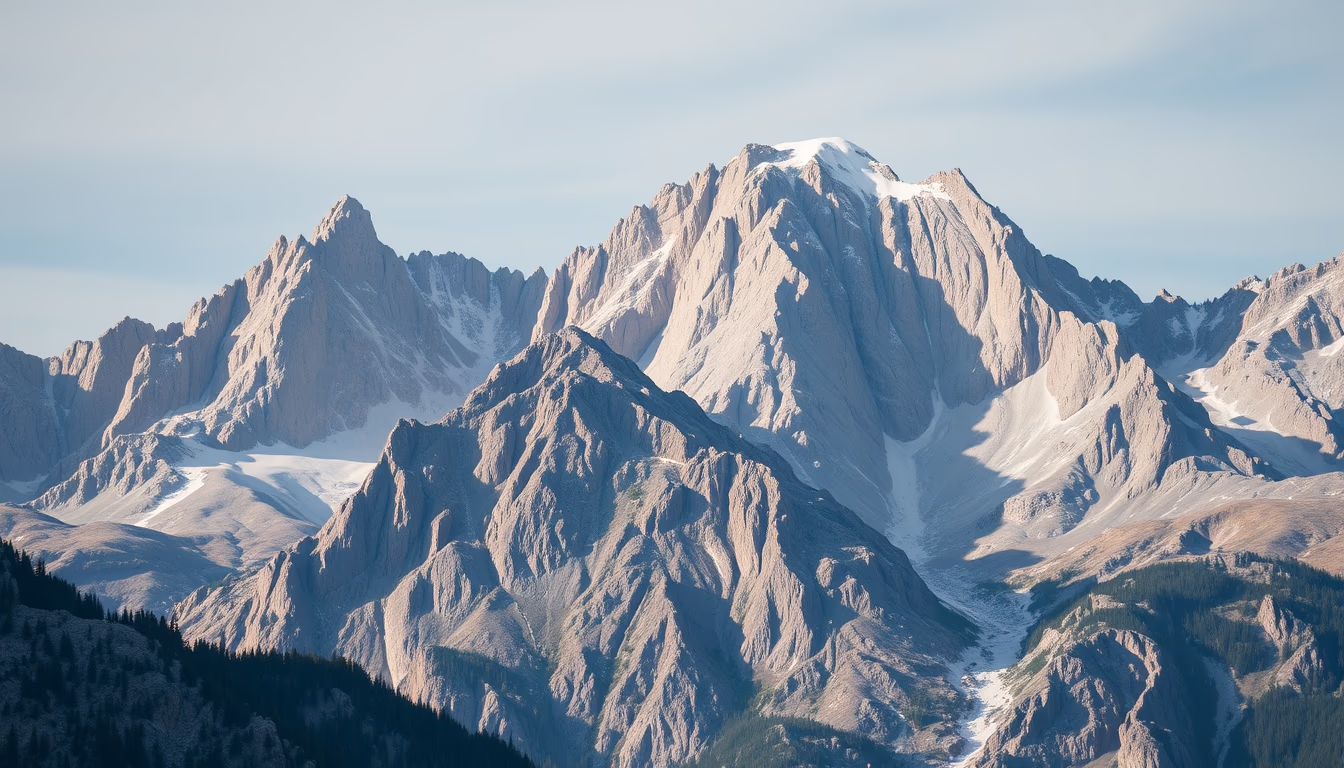
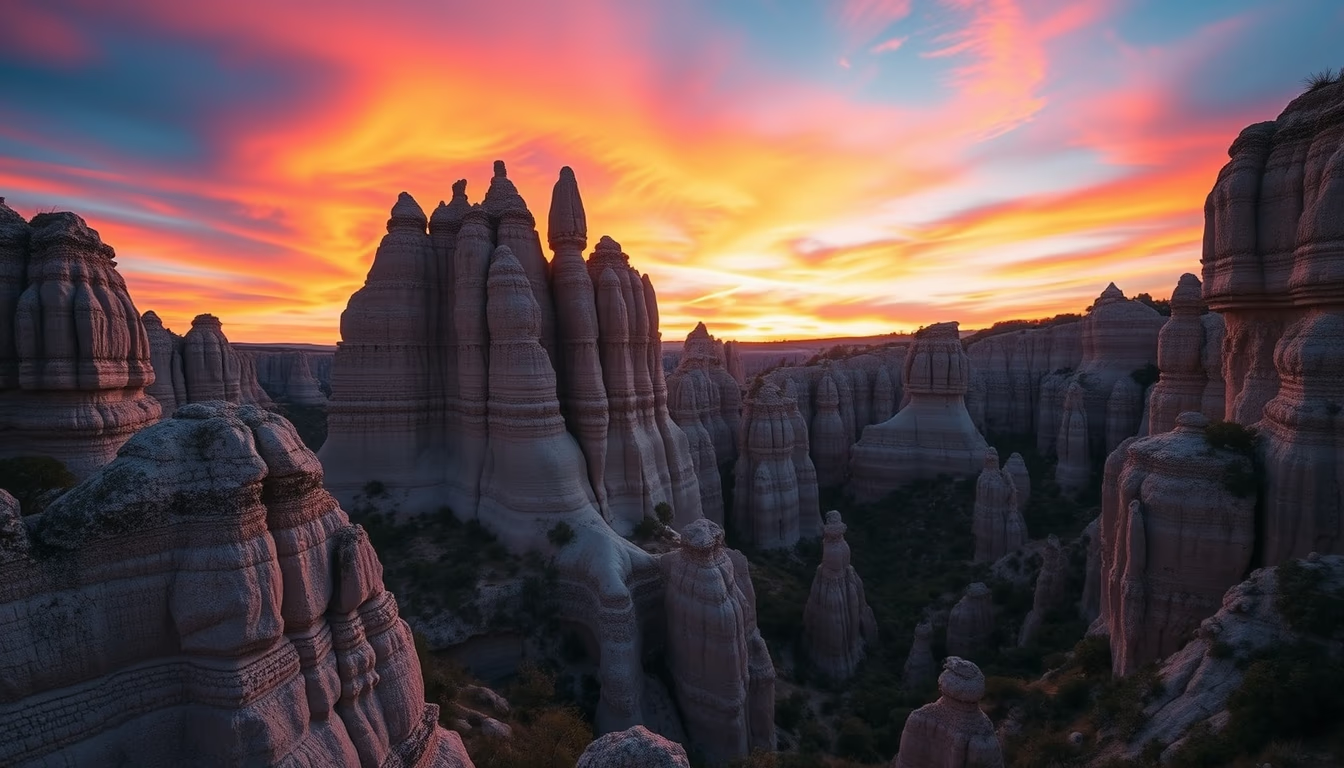
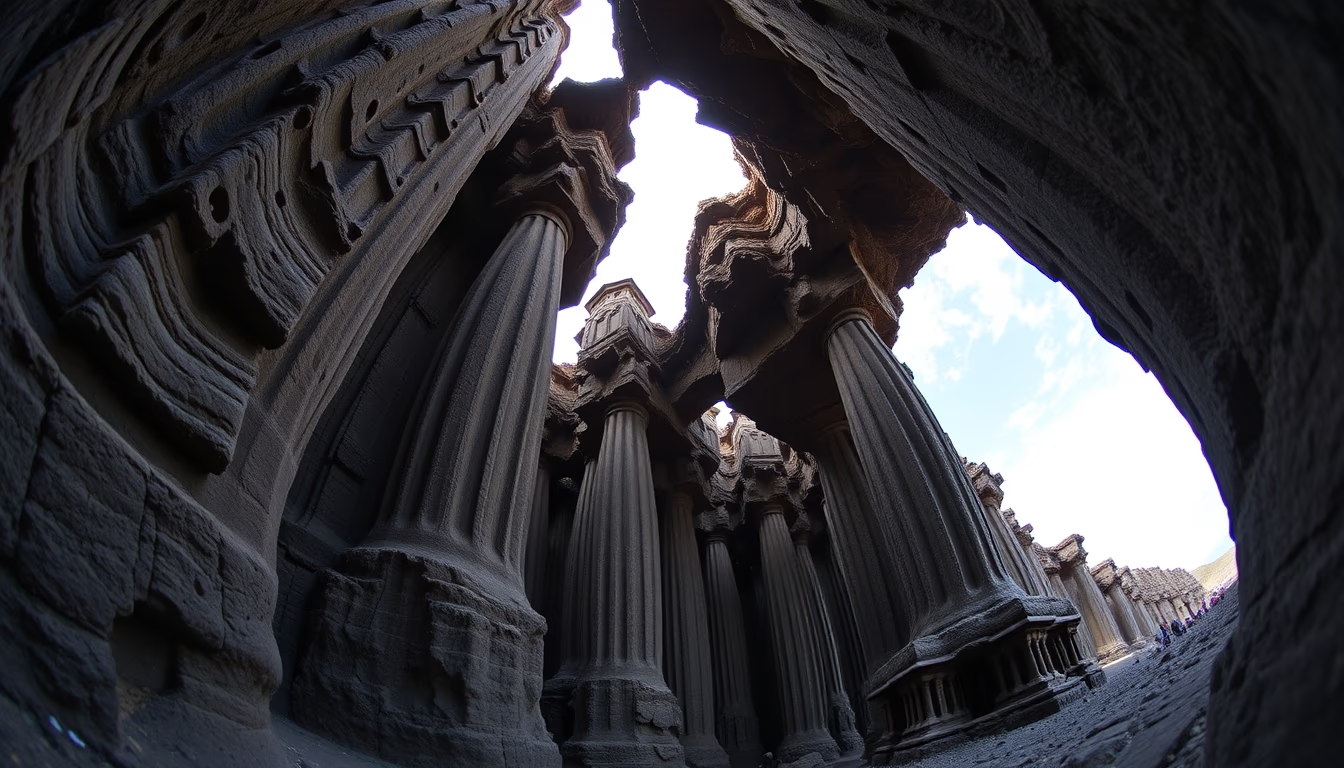
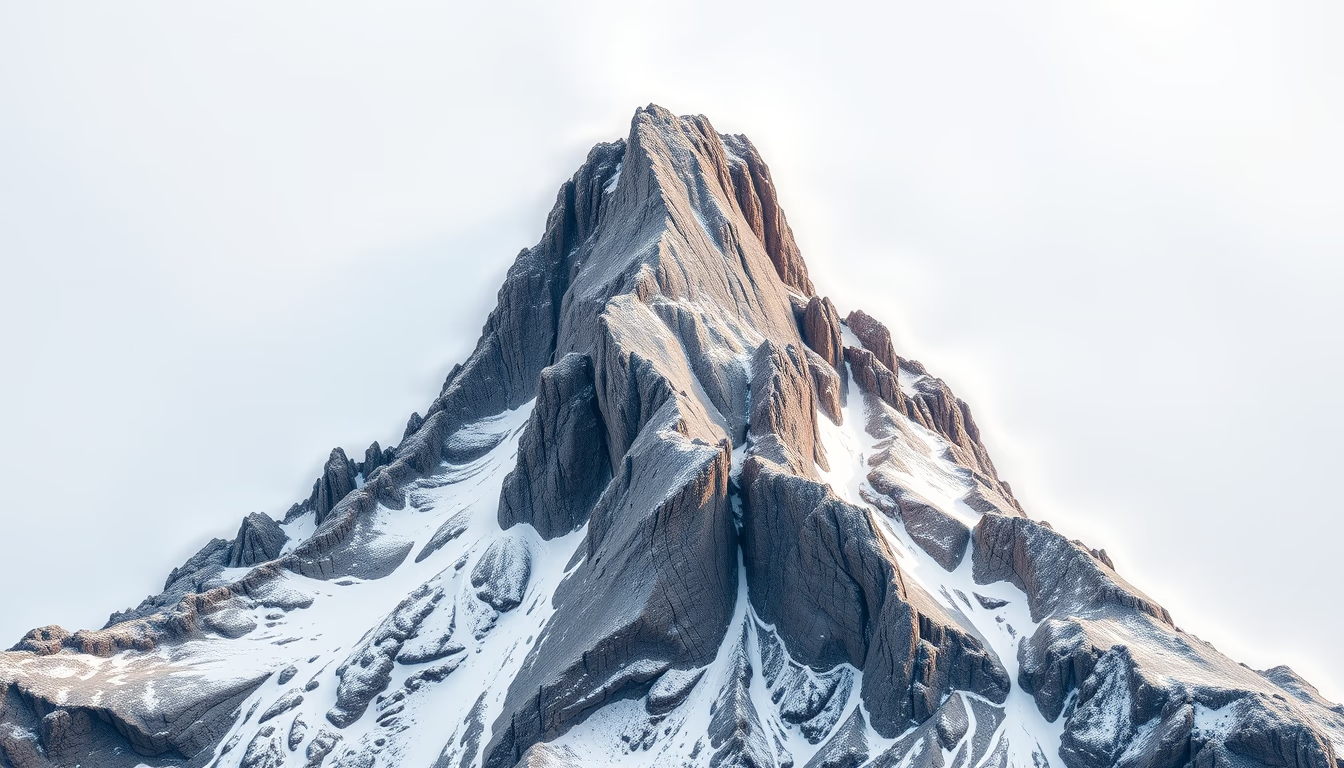
Granite mountains are imposing geological formations, sculpted by millions of years of erosion, hosting unique ecosystems worldwide.
About this subject
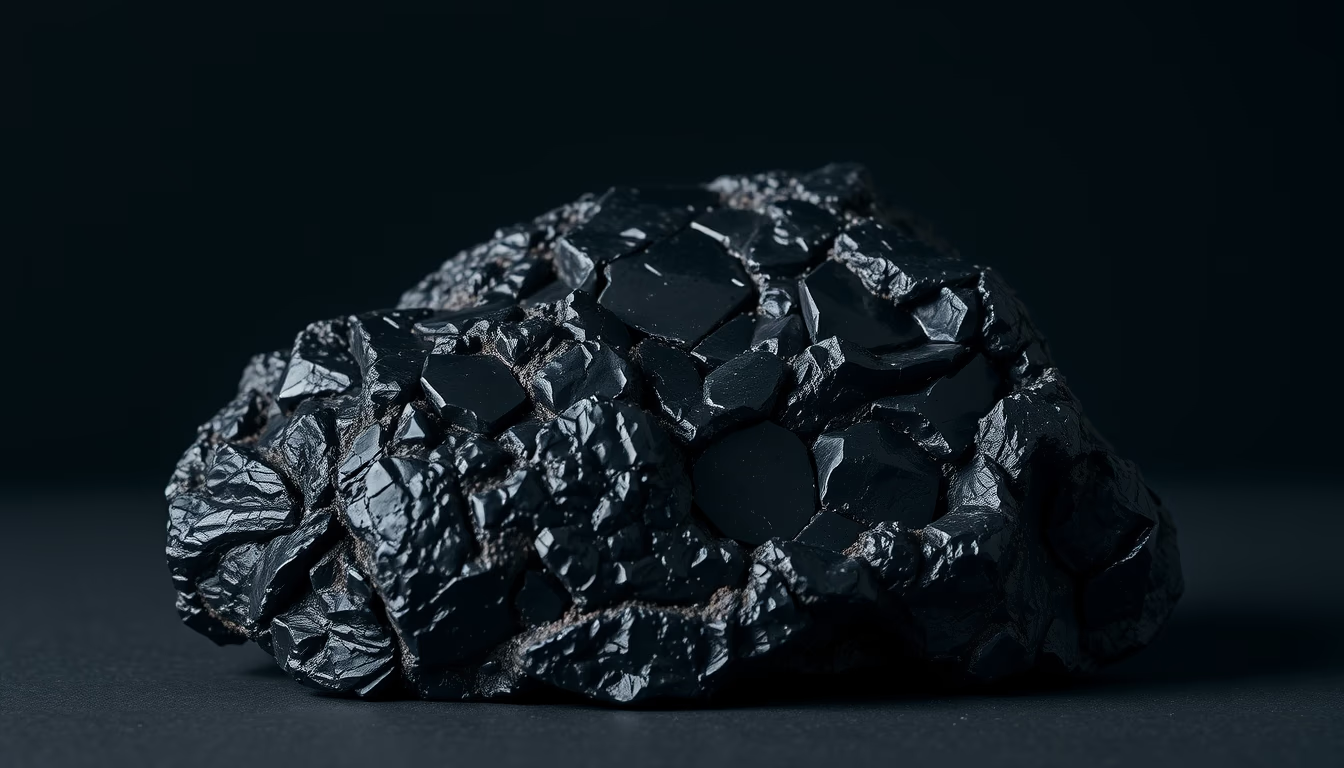
Granite is an intrusive igneous rock formed by slow cooling of magma beneath Earth's crust. Its composition rich in quartz, feldspar, and mica gives it extreme hardness and durability, making these mountains true natural monuments. Tectonic processes and differential erosion expose granite massifs over millions of years, revealing dramatic shapes such as rounded peaks, domes, and towers. Notable examples include Sugarloaf Mountain in Rio de Janeiro, Mount Rushmore in the United States, and Yosemite's El Capitan, which rises vertically over 900 meters.
Beyond their geological significance, granite mountains hold cultural and touristic importance. Many are considered sacred by indigenous peoples, such as Mount Korê in Bolivia. In Brazil, Serra dos Órgãos National Park features granite formations known as Dedo de Deus and Escalavrado, landmarks for climbers. The rock's texture also favors rock climbing, with technical routes worldwide. Interestingly, landscapes like Chapada Diamantina combine granite with sandstone, creating scenic contrasts.
Preserving these massifs is challenging due to mining and unregulated tourism. Granite is widely used as ornamental stone, but extraction in protected areas causes environmental conflicts. Recent studies show endolithic microorganisms inhabit granite fissures in cold deserts like Antarctica, expanding knowledge about life's limits on Earth. Observing granite mountains thus connects geology, biology, and culture, offering a vast field for research and appreciation.
Frequently Asked Questions
How do granite mountains form?
They form from slow cooling of magma beneath Earth's crust, creating intrusive igneous rock. Over time, erosion exposes granite at the surface, forming characteristic peaks and domes.
Where are the largest granite mountains in the world?
Famous examples include Sugarloaf Mountain (Brazil), El Capitan (USA), and Mount Roraima (Venezuela/Brazil). The largest continuous granite exposure is in Serra da Estrela, Portugal.
What is the economic importance of granite?
Granite is widely used as an ornamental stone in construction and monuments. Countries like Brazil, India, and China lead its extraction and export, generating significant revenue.
Direct URL
https://pub-c7d6a6ea828543ac903a74a341ccb2e1.r2.dev/imagens/granite-mountain-massive-documentary-nature-style-fresh11.avifHow to credit
Include a visible link back to UtilizAí. Copy one of the snippets below:
<a href="https://xn--utiliza-eza.com/en/midia/imagens/granite-mountain-massive-documentary-nature-style-fresh11">Granite mountain massive</a> by <a href="https://xn--utiliza-eza.com">UtilizAí</a>, licensed under <a href="https://creativecommons.org/licenses/by/4.0/">CC BY 4.0</a>.
[Granite mountain massive](https://xn--utiliza-eza.com/en/midia/imagens/granite-mountain-massive-documentary-nature-style-fresh11) by [UtilizAí](https://xn--utiliza-eza.com), CC BY 4.0
License: CC-BY-4.0